


Reclaim Your Zen: A Solo Road Trip Itinerary to Combat Professional Burnout Effectively?
For over two decades navigating the intricate world of travel, both personally and professionally, I've observed a stark reality: the relentless pace of modern life is eroding our well-being. I've seen countless driven individuals, once vibrant and passionate, reduced to shadows of their former selves, caught in the insidious grip of professional burnout.
This isn't just about feeling tired; it's a profound depletion of mental, emotional, and physical energy, often accompanied by cynicism and a diminished sense of accomplishment. It's the silent epidemic of our age, leaving professionals feeling trapped, unproductive, and utterly disconnected from their true selves.
But there's a potent antidote, one that leverages the transformative power of intentional solitude and the open road. In this definitive guide, I'll share a meticulously crafted solo road trip itinerary designed not just to offer a temporary escape, but to fundamentally combat professional burnout effectively, providing actionable frameworks and expert insights for deep, lasting rejuvenation.
Understanding the Roots of Professional Burnout: Why the Open Road is Your Antidote
The Silent Erosion: Recognizing Burnout's Early Warnings
Professional burnout doesn't strike overnight; it's a gradual erosion. In my experience, the earliest signs are often dismissed as mere stress: persistent fatigue, difficulty concentrating, irritability, and a creeping sense of detachment from work you once loved. Left unaddressed, these symptoms spiral into chronic exhaustion, cynicism, and a profound feeling of ineffectiveness.
Many professionals I've mentored mistakenly believe pushing harder is the solution, but this only exacerbates the problem. True recovery demands a strategic pause, a complete shift in environment and mindset that traditional vacations often fail to deliver.
Why Conventional Breaks Often Fail
Think about your last 'vacation.' Was it truly restorative, or did you return feeling almost as drained, perhaps from the logistics of family travel or the pressure to 'do it all'? Often, conventional breaks merely offer a temporary respite without addressing the underlying causes of burnout.
"Active disengagement, not passive relaxation, is the key to truly recharging from professional burnout. You need to break free from familiar patterns and stimulate different parts of your brain."
A solo road trip, by contrast, forces active disengagement. It strips away the familiar, demands presence, and invites introspection. It’s not just about seeing new places; it’s about seeing yourself anew, away from the expectations and demands that fuel your burnout.

The Psychology of Solo Travel: Unlocking Deep Restoration
Autonomy and Control: A Balm for Overwhelmed Minds
One of the core contributors to burnout is a perceived lack of control. In corporate environments, decisions are often made for you, deadlines are imposed, and your schedule is dictated. A solo road trip flips this script entirely. Every decision, from where to stop for coffee to which scenic route to take, is yours alone. This profound sense of autonomy is incredibly healing, reminding you of your agency and ability to shape your own experience.
The Power of Solitude: Reconnecting with Self
In our hyper-connected world, true solitude is a rare commodity. Yet, it's in these moments of quiet introspection that we can truly hear ourselves, process emotions, and reconnect with our core values and desires. A solo road trip provides ample opportunity for this, allowing your mind to wander without interruption, fostering creativity, and deepening self-awareness.
Novelty and Challenge: Re-engaging Your Brain
Burnout often leads to mental stagnation, where your brain feels stuck in a loop of stress. New environments, unexpected challenges (like navigating an unfamiliar route), and novel experiences (trying local cuisine, exploring a hidden trail) stimulate different neural pathways. This 'cognitive reset' can reignite curiosity, problem-solving skills, and a sense of wonder that professional life often suppresses.
Crafting Your Burnout-Busting Itinerary: The Foundational Principles
Before we dive into a specific itinerary, understanding these core principles will ensure your solo road trip is genuinely restorative:
- Define Your 'Why': What specific aspect of burnout do you want to address? Is it mental fatigue, emotional exhaustion, or a feeling of detachment? Your 'why' will guide your choices. For instance, if it's mental fatigue, prioritize quiet, reflective activities.
- Embrace Flexibility, Not Rigidity: This isn't another project plan. While having a loose itinerary is good, allow for spontaneous detours. The freedom to change your mind is a powerful antidote to a rigid work schedule.
- Prioritize Nature Immersion: Numerous studies, including research published in the Nature Scientific Reports, show that spending time in nature significantly reduces stress hormones and improves mood. Seek out national parks, forests, coastlines, and mountains.
- Mandate a Digital Detox: This is non-negotiable for combating burnout. Set strict boundaries for phone and email usage. Consider leaving your work phone at home entirely. Inform colleagues and clients of your unavailability.
- Focus on Experiences, Not Destinations: The goal isn't to tick off landmarks but to engage deeply with each moment. Savor a quiet sunrise, enjoy a simple meal, or spend an hour sketching.
These principles are the bedrock of a truly effective solo road trip to combat burnout. They shift the focus from external achievement to internal restoration.
| Burnout Symptom | Road Trip Antidote |
|---|---|
| Chronic Exhaustion | Uninterrupted Rest, Nature Immersion |
| Cynicism/Detachment | Novelty, Solitude, Reconnection with Self |
| Lack of Control | Complete Autonomy in Decision-Making |
| Diminished Accomplishment | Small, Personal Victories (e.g., navigating a new route, hiking a trail) |
| Cognitive Overload | Digital Detox, Mindful Presence |
The 7-Day Solo Road Trip Itinerary: A Blueprint for Rejuvenation
While specific locations will vary, this blueprint focuses on the *type* of experiences that foster deep recovery. I'll outline a general framework, suitable for regions rich in natural beauty like the American Southwest, Pacific Northwest, or even parts of Europe.
Day 1: The Great Escape & Unplugging
Focus: Transition, setting intentions, initiating digital detox. Your journey begins with a conscious departure from your 'normal.' Drive to a pre-booked, secluded cabin or a quiet campground a few hours away. The goal isn't distance, but psychological separation.
- Morning: Final preparations, leaving work behind.
- Afternoon: Gentle scenic drive. Listen to calming music or an insightful podcast, but no work calls.
- Evening: Settle into your accommodation. Power down non-essential devices. Enjoy a simple, home-cooked meal or local takeout. Spend time journaling your intentions for the trip.
Day 2: Wilderness Immersion & Sensory Reset
Focus: Deep nature connection, mindfulness, engaging the senses. This day is about fully immersing yourself in the natural world, allowing its calming rhythms to reset your nervous system.
- Morning: Explore a nearby National Park or vast natural area. Go for a moderate hike, focusing on your breath and sensory input – the scent of pine, the sound of birds, the feeling of the sun.
- Afternoon: Find a quiet spot for extended reflection. Read a non-work-related book, sketch, or simply sit and observe.
- Evening: Cook a meal over a campfire (if permitted) or enjoy a picnic with a view. Stargazing away from city lights is a powerful reminder of perspective.
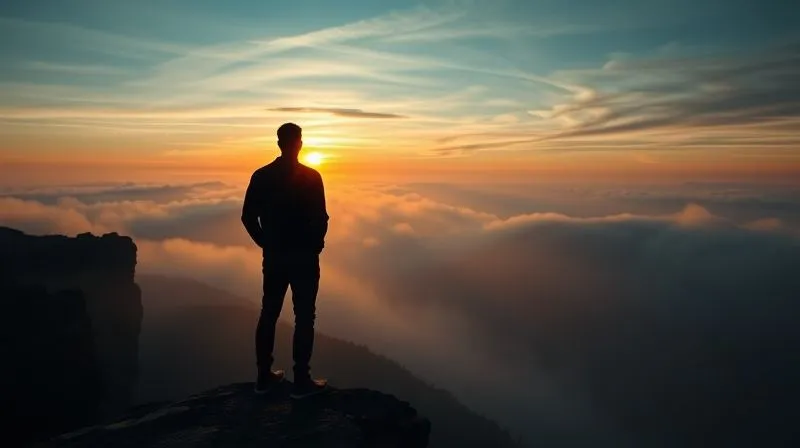
Day 3: Creative Exploration & Local Connection
Focus: Engaging different parts of the brain, gentle social interaction. Break the solitude with low-pressure, stimulating activities that foster creativity and a sense of connection to a place.
- Morning: Drive to a charming small town. Explore local art galleries, antique shops, or a farmers' market. Engage in brief, pleasant conversations with local vendors.
- Afternoon: Find a quiet cafe to write, draw, or simply people-watch. Try a local delicacy. This is about observing life without feeling the need to participate actively.
- Evening: Attend a local event if one is available – a community concert, a storytelling session, or a quiet dinner at a family-run restaurant.
Day 4: Deep Reflection & Journaling
Focus: Processing thoughts, planning for a sustainable return. This mid-trip day is crucial for internal work, allowing insights from your journey to surface.
- Full Day: Find a serene spot – perhaps by a lake, a quiet beach, or a secluded forest clearing. Dedicate a significant portion of the day to journaling. Reflect on what you've learned about yourself, what truly brings you joy, and what aspects of your professional life contribute to burnout.
- Activities: Meditation, gentle yoga, long walks, or simply sitting in silence. Avoid any activity that feels like 'doing' rather than 'being.'
Day 5: Adventure & Re-engagement
Focus: Gentle challenge, feeling accomplishment, building confidence. Introduce an activity that provides a sense of achievement without being overly stressful.
- Morning: Choose an activity that slightly pushes your comfort zone: kayaking on a calm river, a moderate rock climb (with a guide), or exploring a cave system. The sense of accomplishment is a powerful boost.
- Afternoon: Relax and recover from your adventure. Perhaps visit a local hot spring or enjoy a leisurely picnic lunch with a view.
- Evening: Reflect on your adventure. How did it make you feel? What did you learn about your resilience?
Day 6: Integration & Future Visioning
Focus: Consolidating insights, setting intentions for post-trip life. Begin to bridge the gap between your road trip self and your returning self.
- Morning: Drive towards your home region, but stop short of returning. Find a comfortable base.
- Afternoon: Review your journal entries. Begin to outline concrete, actionable steps you'll take to protect your well-being upon your return. This might include setting new boundaries at work, scheduling regular self-care activities, or exploring new hobbies.
- Evening: Enjoy a final 'road trip' dinner. Savor the peace and quiet before re-engaging with the world.
Day 7: The Return Journey: Sustaining Your Reset
Focus: Mindful return, avoiding immediate re-burnout. The final drive is not just a commute; it's an extension of your healing journey.
- Morning: Take your time. Listen to an inspiring podcast or audiobook. Reflect on the transformative power of your solo journey.
- Afternoon: Arrive home. Resist the urge to immediately dive into chores or work. Unpack slowly. Take a bath. Reconnect with loved ones mindfully.
- Evening: Plan a simple, relaxing evening. Your first 24-48 hours back are crucial for maintaining the 'zen' you've cultivated.
Practicalities & Preparation: Ensuring a Seamless Solo Journey
A successful burnout recovery road trip requires thoughtful preparation. Don't let logistical worries undo your efforts.
Vehicle Check & Safety Essentials
Before you leave, ensure your vehicle is in top condition. Get an oil change, check tire pressure and tread, inspect fluid levels, and test your lights. Pack an emergency kit: jumper cables, a first-aid kit, a flashlight, spare tire, basic tools, and extra water/food.
Budgeting for Peace of Mind
Financial stress can quickly negate the benefits of a trip. Plan a realistic budget for fuel, accommodation, food, and activities. Consider camping or staying in budget-friendly motels to reduce costs. Having a financial buffer provides immense peace of mind.
Communication Plan & Emergency Protocols
While a digital detox is key, safety is paramount. Share your general itinerary with a trusted friend or family member. Establish check-in times. Carry a fully charged power bank and consider a satellite messenger for remote areas where cell service is unreliable. Know basic self-defense techniques.
"Preparation isn't about eliminating risk; it's about building confidence and ensuring that unexpected challenges don't derail your journey to recovery. A well-prepared solo traveler is a truly free traveler."
Packing Smart: More Than Just Clothes
Think about items that support your well-being: a comfortable journal, a good book, art supplies, hiking boots, layers of clothing for varying weather, and perhaps a small, portable yoga mat. Don't forget healthy snacks and a reusable water bottle.
| Category | Item |
|---|---|
| Vehicle | Full Service Check |
| Vehicle | Emergency Roadside Kit |
| Safety/Communication | Trusted Contact & Itinerary |
| Safety/Communication | Power Bank & Charger |
| Safety/Communication | First-Aid Kit |
| Personal Well-being | Journal & Pen |
| Personal Well-being | Comfortable Hiking Boots |
| Personal Well-being | Layers of Clothing |
| Personal Well-being | Reusable Water Bottle |
| Finances | Budget & Emergency Fund |
Sustaining the Solace: Integrating Your Road Trip Learnings Back Home
The road trip is a powerful catalyst, but true burnout recovery happens when you integrate its lessons into your daily life. This is where many falter, allowing old habits to creep back in.
The "Re-entry Shock" and How to Mitigate It
Returning to your routine can feel jarring. I call it 're-entry shock.' To mitigate this, avoid scheduling demanding work immediately upon your return. Give yourself a buffer day if possible. Revisit your journal and remind yourself of the insights gained. Don't jump back into the same old patterns.
Non-Negotiable Self-Care Practices
Identify 2-3 self-care practices that resonated most with you during your trip (e.g., daily walks in nature, 15 minutes of journaling, mindful cooking). Schedule these into your routine as non-negotiables, just like important meetings. According to a study by Deloitte, organizations with strong well-being programs see higher employee engagement.
Setting Boundaries: Protecting Your Peace
This is perhaps the most critical step. Your road trip showed you what's possible when you control your time and energy. Translate that into boundaries at work and home. This could mean:
- No work emails after 6 PM.
- Designated 'focus time' where you're unreachable.
- Saying 'no' to non-essential tasks.
- Scheduling regular 'micro-adventures' or short periods of solitude.
Case Study: How Sarah Reclaimed Her Spark
Sarah, a marketing director at a fast-paced agency, felt perpetually drained. The constant demand for 'always-on' availability left her anxious and irritable. After a 10-day solo road trip through the Rockies, focusing on digital detox and mindful hiking, she returned with a new perspective. She implemented a 'no work emails after 6 PM' rule, started walking for 30 minutes daily in a local park, and scheduled quarterly 'micro-adventures' to nearby nature spots. Her team noticed her renewed energy and clarity, and her productivity, paradoxically, increased as she became more strategic and less reactive, leading to a 15% reduction in project completion times and improved team morale.

Frequently Asked Questions (FAQ)
Is a solo road trip safe for women? Absolutely, with proper planning. Safety is paramount. Research your route, share your itinerary, carry emergency supplies, and trust your instincts. Stick to well-traveled roads and reputable accommodations. Many women find solo travel incredibly empowering.
How do I manage loneliness on a solo trip? Loneliness can be an initial challenge, but it often gives way to profound solitude. Embrace it as an opportunity for self-discovery. If it becomes overwhelming, plan brief, low-pressure social interactions like dining at a local cafe, joining a guided day tour, or striking up conversations at a campground. Remember, you're not alone, you're on a journey with yourself.
What if I have an emergency far from help? Preparation is key. Ensure your vehicle is serviced. Have roadside assistance (like AAA). Carry a physical map, a fully charged phone, a power bank, and a satellite messenger for truly remote areas. Let someone know your route and check-in schedule. Most importantly, stay calm and assess your options logically.
How much does a solo burnout road trip cost? This varies widely. It can range from budget-friendly (camping, cooking your own meals) to more luxurious (boutique hotels, fine dining). Focus on experiences over extravagance. A 7-day trip could cost anywhere from $500 (camping, basic food) to $2000+ (mid-range hotels, some dining out). Plan a realistic budget that won't add financial stress.
Can I really disconnect from work for a whole week? Yes, but it requires intentional effort and communication beforehand. Inform your colleagues and clients well in advance of your unavailability. Delegate tasks. Set an out-of-office message that clearly states your return date and who to contact for urgent matters. The world will not stop without you; allowing it to continue without your constant input is part of the healing process.
Key Takeaways and Final Thoughts
Combating professional burnout effectively requires more than just a break; it demands a strategic, intentional reset. A solo road trip, when approached with the right mindset and preparation, offers a unique and powerful pathway to deep restoration. Here are the critical takeaways:
- Prioritize Autonomy & Solitude: These are the core psychological benefits that counteract burnout.
- Immerse in Nature: Seek out natural environments for profound stress reduction.
- Mandate a Digital Detox: Unplugging is non-negotiable for true mental rest.
- Embrace Flexibility: Let go of rigid plans; allow spontaneity to guide you.
- Plan for Integration: The trip is just the beginning; concrete steps are needed to sustain your peace back home.
As marketing guru Seth Godin often reminds us, "There's no shortage of remarkable ideas, what's missing is the will to execute them." Your journey to recovery starts with that will. Don't wait until burnout consumes you entirely. Take the wheel, embrace the open road, and rediscover the vibrant, capable, and refreshed professional you truly are.
Recommended Reading
- Unlock Your Wanderlust: The Ultimate Guide to Cheaper Long-Term Travel
- 7 Proven Strategies: Profiting Sustainably in Biodiversity Hotspots?
- Unveiling the Health Effects of Lunar Tourism: Are You Ready for Space?
- 7 Crucial Steps to Safeguard Employees on Corporate Cruise Trips
- Unearthing Flavors: 7 Steps to Craft Narratives for Obscure Dishes


Your email address will not be published. Required fields are marked *