

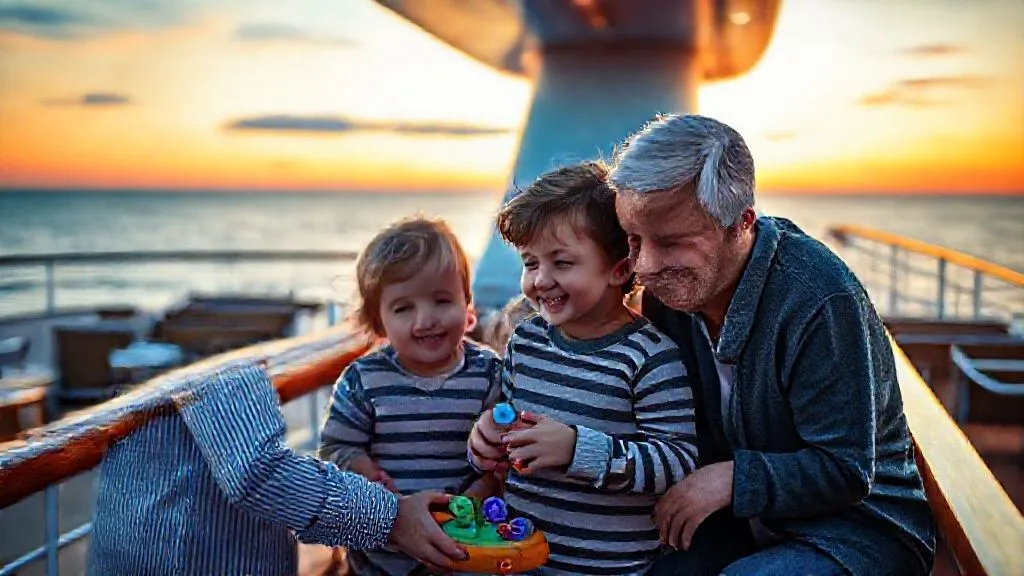
Struggling to Find Family Cruises for Neurodivergent Children?
For over two decades, I’ve navigated the intricate waters of the cruise industry, witnessing firsthand the evolution of travel. While the dream of a family cruise is universal, I've seen countless families with neurodivergent children grapple with an invisible barrier – the perception that such a magical vacation might be out of reach or fraught with challenges. It’s a concern I deeply understand, having advised many through these very hurdles.
The truth is, many parents are Struggling to find family cruises for neurodivergent children that genuinely cater to their unique needs. They worry about sensory overload, rigid schedules, unfamiliar environments, and the potential for meltdowns far from home. This isn't just about finding a ship; it's about finding a sanctuary, a place where every family member, especially those with autism, ADHD, or other neurodivergences, can thrive and create joyful memories without constant anxiety.
In this definitive guide, I will share my accumulated expertise, offering not just advice, but a comprehensive framework. We’ll delve into actionable strategies, expert insights, and practical tools to transform your cruise planning from overwhelming to empowering. From selecting the right cruise line to crafting a sensory-friendly itinerary, you’ll learn how to ensure your next family cruise is not just possible, but truly spectacular and inclusive for everyone.
Understanding the Unique Needs of Neurodivergent Travelers
Before we embark on the practicalities of cruise planning, it’s crucial to deeply understand the diverse landscape of neurodivergence, particularly as it relates to a cruise environment. As an industry veteran, I’ve learned that empathy and foresight are your most powerful planning tools.
What Does 'Neurodivergent' Mean in a Cruise Context?
The term 'neurodivergent' encompasses a wide array of neurological differences, including but not limited to autism spectrum disorder (ASD), ADHD, dyslexia, and Tourette's syndrome. In the context of a cruise, this often translates to varying sensitivities and needs. Some children might be highly sensitive to noise, crowds, or bright lights, experiencing what's known as sensory overload. Others may thrive on routine and predictability, finding sudden changes in schedule or environment deeply unsettling. Food aversions are also common, making the diverse dining options on a ship a potential minefield if not approached with care.
My experience has shown that recognizing these individual differences is the first step toward successful planning. It's not a one-size-fits-all approach; what works for one neurodivergent child may not work for another. Therefore, personalization and flexibility become paramount.
Common Challenges on Standard Cruises
Traditional cruise environments, while exciting for many, can present significant challenges for neurodivergent individuals. Think about it: a bustling lido deck, loud entertainment, crowded dining rooms, and the constant hum of the ship's engines. These elements, combined with new smells, tastes, and the sheer volume of people, can quickly become overwhelming.
- Sensory Overload: High noise levels, flashing lights, strong smells from food or cleaning products.
- Unpredictability: Daily activity schedules that change, unexpected announcements, new faces.
- Social Demands: The expectation to interact in group settings, navigating crowded spaces.
- Dietary Restrictions: Difficulty finding preferred foods or managing specific allergies/sensitivities in a large buffet setting.
- Routine Disruption: Being away from home, different sleep patterns, new routines.
These challenges, if not proactively addressed, can transform a dream vacation into a stressful ordeal. But don't despair; with the right strategies, these hurdles are entirely surmountable.
Step 1: Researching Cruise Lines with Dedicated Accessibility Programs
This is where your detective work begins. Not all cruise lines are created equal when it comes to supporting neurodivergent guests. Over the years, I've observed a significant shift, with some lines now leading the way in inclusive travel. Your goal here is to identify those pioneers.
Start by looking for cruise lines that explicitly mention accessibility and special needs programs on their official websites. Don't just skim; dive deep into their dedicated sections. Phrases to look for include "autism-friendly," "sensory inclusive," "special needs assistance," or "guests with disabilities."
- Check Certifications: Several organizations, like Autism on the Seas, certify cruise lines for their autism-friendly programs. Look for these badges of honor. A certified cruise line usually means staff training, sensory-friendly amenities, and dedicated support.
- Review Accessibility Guides: Most major cruise lines publish detailed accessibility guides. These documents often outline services for various disabilities, including cognitive and developmental ones. Pay attention to details about youth programs, dining accommodations, and quiet spaces.
- Contact Special Needs Departments: Do not hesitate to call the cruise line's special needs or accessibility department directly. This is your best resource for specific questions. Ask about staff training, pre-boarding options, priority tender access, and any sensory kits or tools they provide.
For example, some cruise lines offer specific services like priority boarding to avoid long queues, or allow parents to pre-register their children for youth programs, providing staff with crucial information about their needs before embarkation. This proactive communication is invaluable.

According to a recent study by the Travel & Leisure Group, accessible travel is a rapidly growing segment, with more operators recognizing the need for tailored experiences. This trend is a positive sign for families who have historically felt overlooked.
Step 2: Prioritizing Sensory-Friendly Accommodations and Spaces
Once you've narrowed down your cruise line options, the next critical step is to select accommodations and identify onboard spaces that will minimize sensory overload and maximize comfort. This foresight can make or break the vacation for a neurodivergent child.
Choosing the Right Cabin: Location and Features
Your cabin is your family's sanctuary at sea. Its location and features are paramount. I always advise clients to consider these factors:
- Quiet Decks: Opt for cabins on decks away from high-traffic areas like the lido deck, main dining rooms, youth clubs, or show lounges. Cabins located mid-ship on lower decks often experience less motion and noise.
- Interior vs. Balcony: An interior cabin offers complete darkness, which can be excellent for sleep. However, a balcony cabin provides a private outdoor space for fresh air and quiet observation, a valuable escape from crowds. Evaluate your child's specific needs here.
- Connecting Rooms: If your family requires more space or a separate quiet area, connecting cabins can be a game-changer. This allows for both togetherness and individual space when needed.
- Proximity to Exits/Elevators: For some, being close to an exit for a quick escape from an overwhelming situation is beneficial. For others, being too close to the constant traffic of elevators can be a source of noise.
Always request a cabin that has easy access to a quiet stairwell or exit point if your child benefits from quick transitions to less stimulating environments. Don't assume; communicate your needs clearly when booking.
Identifying Calming Zones and Quiet Spaces Onboard
Beyond your cabin, knowing where to find respite on a bustling ship is crucial. Many modern ships are designed with various zones, some naturally quieter than others.
In my experience, areas like the ship's library, card rooms, specific observation lounges, or even certain corners of the spa (if appropriate for children and supervised) can serve as excellent 'decompression zones.' Some cruise lines are even starting to designate specific 'quiet hours' or 'sensory hours' in certain areas, such as the kids' clubs or pools. Inquire about these possibilities.
"A successful cruise for a neurodivergent child isn't about avoiding all stimuli; it's about having readily available options for escape and regulation when stimulation becomes too much. Proactive identification of these spaces is non-negotiable."
| Cabin Type | Pros for ND Children | Cons | Recommendation | |
|---|---|---|---|---|
| Interior Cabin | Complete darkness for sleep, often quieter location on lower decks. | No private outdoor space, can feel enclosed. | Good for those sensitive to light, or as a dark, quiet retreat. | |
| Balcony Cabin | Private outdoor space for fresh air, quiet observation, natural light. | Can be noisy if near public areas, more expensive. | Excellent for children who benefit from outdoor access and a personal escape. | Ensure balcony safety locks are in place. |
| Connecting Cabins | More space, separate sleeping/quiet zones, privacy for parents. | Higher cost, may not always be available. | Ideal for larger families or those needing distinct sensory zones. |
Step 3: Navigating Onboard Activities and Entertainment with Intention
The sheer volume of activities on a cruise ship can be both exciting and overwhelming. For neurodivergent children, a structured yet flexible approach is key to enjoying the ship's offerings without burnout.
Pre-Planning Daily Schedules for Predictability
Predictability is a cornerstone for many neurodivergent individuals. As soon as you receive your ship's daily planner (often available digitally before sailing or delivered to your cabin), review it with your child. Highlight activities that align with their interests and sensory comfort levels. Create a visual schedule if that helps your child process information.
- Review Daily Planners: Go through the 'Fun Times' or equivalent daily newsletter. Identify shows, activities, and dining times.
- Prioritize and Select: Choose 1-2 main activities per day, leaving plenty of downtime. Over-scheduling is a common pitfall.
- Build in Sensory Breaks: Schedule specific times for quiet play in the cabin, a visit to a calm space, or a walk on a less crowded deck.
- Be Flexible: While predictability is good, be prepared to deviate. If a situation becomes overwhelming, have an exit strategy and don't push it.
Remember, the goal is enjoyment, not participation in every single activity. A quality experience trumps quantity every time.
Engaging with Youth Programs: What to Look For
Youth programs are a major draw for family cruises, but their suitability for neurodivergent children varies. This is where your pre-cruise research and communication become vital.
- Staff Training: Inquire about staff training in special needs awareness, particularly autism. Are they equipped to understand and respond to diverse behaviors?
- Inclusion Policies: Do they have a clear policy on including children with special needs? Will they provide one-on-one assistance if required (often at an additional cost)?
- Sensory-Friendly Spaces/Activities: Some youth clubs offer dedicated sensory rooms, quiet corners, or specific activities designed for children with sensory sensitivities.
- Communication Protocols: Establish clear communication with youth staff regarding your child's needs, triggers, and preferred calming strategies.
My advice: visit the youth club on embarkation day before it gets busy. Introduce your child to the staff, show them around, and discuss any concerns. This familiarization can significantly ease transitions.

Step 4: Crafting a Personalized Dining Experience
Dining on a cruise ship can be a highlight, but for neurodivergent children with specific food preferences, textures sensitivities, or aversions, it can be a source of significant stress. Proactive planning ensures meal times remain enjoyable.
Communicating Dietary Needs and Preferences
This cannot be overstated: communicate, communicate, communicate! Long before you set sail, inform the cruise line about any dietary restrictions, allergies, or severe food preferences. This information should be noted in your booking.
- Pre-Order Meals: For the main dining room, ask if you can pre-order your child's meals for the following day. This allows the kitchen to prepare specific items and avoids last-minute surprises.
- Meet the Maître D': On embarkation day, introduce yourself and your child to the Maître D' in your assigned dining room. Reiterate your child's needs and discuss options. They are often incredibly accommodating.
- Buffet Strategies: If using the buffet, go during off-peak hours (early or late) to avoid crowds and noise. Walk through the entire buffet once to identify safe foods before getting plates.
For some children, seeing the same familiar face (your waiter) each night can be comforting and help build trust, making the dining experience smoother.
Finding Less Stimulating Dining Environments
Beyond the main dining room, ships offer a variety of dining venues. Utilize these to your advantage for a more relaxed meal experience.
- Room Service: This is your secret weapon. A quiet meal in the comfort of your cabin can be a lifesaver on an overstimulating day. Many items are complimentary.
- Specialty Restaurants: These are generally quieter, less crowded, and offer a more controlled environment. While they often come with an extra charge, the peace of mind can be priceless for a special occasion or a particularly challenging day.
- Off-Peak Hours: Whether it's the buffet, a casual cafe, or even the main dining room, dining during off-peak hours (early breakfast, late lunch, early dinner) can significantly reduce noise and crowd levels.
As Forbes Advisor notes, cruise dining has evolved dramatically, offering flexibility unheard of years ago. Leverage these options to create a dining rhythm that suits your family.
Step 5: Preparing for Shore Excursions and Port Days
Port days offer incredible opportunities to explore new destinations, but they also introduce new variables: unfamiliar environments, bustling crowds, and sometimes, long travel times. Careful planning is essential to make these days enjoyable for your neurodivergent child.
Selecting Accessible and Low-Sensory Excursions
Not all shore excursions are created equal when it comes to sensory input. Prioritize experiences that are less stimulating and offer more control over the environment.
- Private Tours: If your budget allows, a private tour offers maximum flexibility. You can dictate the pace, make spontaneous changes, and avoid group dynamics.
- Nature-Based Activities: Beaches, botanical gardens, nature walks, or quiet boat rides can be less overwhelming than bustling city tours or crowded attractions.
- Research Excursion Details: Read descriptions carefully. Look for mentions of crowd levels, duration, travel time, and any loud noises or bright lights involved.
- Stay on the Ship: Sometimes, the best excursion is no excursion at all. A quiet ship on a port day can be a wonderfully calm and uncrowded environment, perfect for enjoying amenities usually packed with people.
Always consider your child's energy levels and sensory thresholds. A shorter, calmer experience is often more memorable and positive than a long, overwhelming one.
Creating a 'Sensory Backpack' for Port Adventures
Just as you'd pack a first-aid kit, prepare a 'sensory backpack' for every port day. This portable kit can be a lifesaver when unexpected sensory challenges arise.
- Noise-Canceling Headphones: Essential for noisy environments or sudden loud sounds.
- Fidget Toys: Small, discreet items that help with self-regulation and focus.
- Comfort Item: A favorite blanket, stuffed animal, or small toy from home.
- Familiar Snacks/Drinks: To address food aversions or hunger pangs when new foods aren't an option.
- Visual Schedule/Social Story: A small, laminated visual aid explaining the day's activities can provide comfort and predictability.
- Communication Card: A card explaining your child's neurodivergence and specific needs in case of an emergency or misunderstanding.
Having these items readily available can prevent meltdowns and help your child feel secure in new surroundings. Remember, preparation is not about preventing every challenge, but about equipping yourselves to manage them effectively.

Case Study: The Miller Family's Transformative Cruise Experience
Let me share a fictional, yet highly realistic, account of how proactive planning made all the difference for a family I recently advised.
Pre-Cruise Planning Pays Off
The Miller family, with their 9-year-old son, Alex, who is on the autism spectrum, had always dreamed of a cruise but felt daunted by the potential for sensory overload. After feeling like they were Struggling to find family cruises for neurodivergent children, they reached out to me. Following my guidance, they meticulously researched cruise lines, eventually choosing one known for its certified autism-friendly programs. They booked a connecting balcony cabin on a quieter deck, allowing Alex his own space and a private outdoor retreat. They also pre-registered Alex for the youth program, providing detailed notes on his preferences and triggers, and arranged for early dining with a consistent waiter.
Onboard Adaptations Lead to Joy
On embarkation day, they met the youth staff and the Maître D', solidifying the plans. Alex, initially hesitant, found comfort in the predictable routine they established: a morning activity in the youth club (often in a designated quiet corner), followed by a pre-planned lunch, an afternoon sensory break in the cabin or library, and then early dinner. They utilized room service on busier evenings. For entertainment, they opted for early shows or watched movies in the cabin, using Alex's noise-canceling headphones when needed.
Memories Made, Stress Avoided
The Millers chose only one shore excursion – a private, calm boat tour to a secluded beach. Alex, equipped with his sensory backpack, enjoyed the gentle waves and the quiet exploration. By the end of the week, Alex was comfortable enough to independently visit the youth club for short periods and even initiated interactions with some staff members. The Miller family returned home not just with souvenirs, but with priceless memories of a vacation where Alex felt understood, supported, and genuinely happy. This wasn't just a trip; it was a testament to the power of thoughtful preparation and advocacy.
Leveraging Expert Resources and Community Support
You don't have to navigate this journey alone. The travel industry has evolved, and a robust network of experts and communities exists to support families like yours.
Connecting with Disability Travel Specialists
Just as you'd consult a specialist for complex medical needs, consider engaging a travel agent who specializes in accessible or special needs travel. These professionals have an intricate understanding of which cruise lines, ships, and itineraries are best suited for neurodivergent travelers. They can advocate on your behalf, ensure all your specific needs are documented, and often have direct contacts within cruise lines' accessibility departments. Their expertise can save you countless hours of research and prevent costly mistakes. Look for agencies certified by organizations focused on accessible travel. A great resource for finding such specialists can be found through associations like Society for Accessible Travel & Hospitality (SATH).
Online Forums and Support Groups
The power of shared experience cannot be underestimated. Online forums, social media groups, and dedicated communities for parents of neurodivergent children are invaluable resources. Here, you can ask specific questions, read reviews from other families, and glean practical tips that only those with lived experience can offer. Just remember to cross-reference information and prioritize advice from reputable sources. These communities often share insights on which cruise staff members went above and beyond, or which specific cabins offer the best sensory environment.
"Advocacy for your child begins long before you step onboard. Be your child's strongest voice, armed with information and supported by a network of experts and peers."
| Category | Action Item | Status |
|---|---|---|
| Pre-Booking Checklist | Research cruise line accessibility programs. | Complete |
| Pre-Booking Checklist | Contact cruise line's special needs department. | Complete |
| Pre-Booking Checklist | Book sensory-friendly cabin (location, type). | Complete |
| Pre-Booking Checklist | Inform cruise line of dietary needs/preferences. | Complete |
| Pre-Cruise Prep | Pack sensory backpack (headphones, fidgets, comfort items). | Complete |
| Pre-Cruise Prep | Prepare visual schedules/social stories. | Complete |
| Onboard Actions | Meet Maître D' and youth staff on embarkation day. | Complete |
| Onboard Actions | Identify quiet spaces onboard. | Complete |
| Onboard Actions | Plan flexible daily schedule, including sensory breaks. | Complete |
| Onboard Actions | Utilize room service and off-peak dining. | Complete |
Important Considerations: Medical Needs and Emergency Protocols
While we focus on enjoyment, it’s critical to address the practicalities of managing medical needs and understanding emergency procedures when traveling with a neurodivergent child.
Medication Management and Storage
If your child requires medication, meticulous planning is essential. Always carry medications in their original prescription containers, clearly labeled. Keep a copy of the prescription and a doctor's note explaining the need for the medication, especially for controlled substances. Pack enough medication for the entire cruise duration plus a few extra days, just in case of delays. Store medications in your carry-on luggage, not checked bags, to ensure immediate access. If refrigeration is needed, inquire about a medical refrigerator in your cabin or access to one through the ship's medical center.
Understanding Ship's Medical Services
Every cruise ship has a medical center with doctors and nurses onboard. Familiarize yourself with its location and operating hours on embarkation day. Understand what services they provide and any associated costs. While they can handle common illnesses and emergencies, they are not equipped for long-term or highly specialized care. For serious medical emergencies, ships typically divert to the nearest port or arrange for medical evacuation. It’s wise to have comprehensive travel insurance that covers medical emergencies and potential evacuations.
Emergency Drills and Procedures
All passengers are required to participate in an emergency drill at the start of the cruise. For neurodivergent children, this can be a source of anxiety due to loud alarms, crowds, and unfamiliar procedures. Prepare your child by explaining what will happen in advance, perhaps using a social story. Reassure them it's a practice drill for safety. Inquire with guest services if there are any accommodations for families with special needs during drills, such as a designated quieter muster station or alternative briefing. Understanding the ship's safety protocols is paramount for your peace of mind and your child's safety. For official guidelines on cruise ship safety and accessibility, refer to resources like the CDC’s Vessel Sanitation Program or directly from the cruise line's safety pages.
Frequently Asked Questions (FAQ)
Which cruise lines are truly the best for autism and other neurodivergences? While specific recommendations can vary based on individual needs, cruise lines like Royal Caribbean, Disney Cruise Line, and Carnival have historically been recognized for their robust accessibility programs, including autism-friendly initiatives. Royal Caribbean, for instance, is certified 'Autism Friendly' by Autism on the Seas, offering sensory-friendly films, toys, and trained staff. Disney is known for its incredible guest services and willingness to accommodate. Always check their latest offerings as programs evolve.
Can I bring my own sensory tools and comfort items onboard? Absolutely! In fact, I highly recommend it. Noise-canceling headphones, fidget toys, weighted blankets (if space allows), and favorite comfort items from home are invaluable. These familiar items help create a sense of security and can be crucial for self-regulation in new or overwhelming environments. Just ensure they comply with standard luggage restrictions.
How should I handle a meltdown or sensory overload incident on a cruise ship? The key is proactive management and a calm response. First, identify the trigger if possible. Then, immediately move your child to a pre-identified quiet space (your cabin, a quiet lounge, an outdoor deck corner). Use their sensory backpack items. If staff approach, calmly explain the situation. Most cruise staff are trained to be understanding and helpful. Remember, your child isn't giving you a hard time; they're having a hard time. Focus on de-escalation and comfort.
Are cruise ship staff genuinely trained to assist neurodivergent guests? It varies significantly by cruise line and even by individual staff members. Leading cruise lines with dedicated accessibility programs invest in training their youth staff and guest services teams on neurodivergence awareness. However, it’s not universal. This is why pre-cruise communication, advocating for your child, and identifying specific staff members (like youth program supervisors) who are particularly knowledgeable are so important. Always assume you may need to educate and guide staff, even on 'autism-friendly' ships.
What if my child needs a strict routine for sleep or activities? While a cruise inherently involves some deviation from home routines, you can create a 'cruise routine.' Stick to consistent meal times and bedtimes as much as possible. Use visual schedules to outline the day's plan, incorporating quiet time and sensory breaks. If your child thrives on a specific morning or evening ritual, replicate it as best you can in your cabin. Flexibility is important, but a predictable framework within the cruise environment can provide immense comfort.
Key Takeaways and Final Thoughts
Navigating the world of family cruises for neurodivergent children doesn't have to be a source of stress or limitation. As I've emphasized throughout my career, with the right knowledge, strategic planning, and a strong dose of advocacy, you can unlock incredible, inclusive vacation experiences. It's about empowering your family to thrive, not just survive, in a new environment.
- Research is paramount: Choose cruise lines with proven accessibility programs.
- Prioritize sensory comfort: Select cabins and identify onboard spaces that offer respite.
- Plan intentionally, but be flexible: Create schedules, but be ready to adapt to your child's needs.
- Communicate proactively: Inform staff about dietary needs, preferences, and sensory triggers.
- Empower with tools: Utilize sensory backpacks and visual aids for predictability.
- Leverage support: Don't hesitate to consult specialists or community forums.
The joy of seeing a neurodivergent child experience the wonder of the ocean, the excitement of new places, and the comfort of a supportive environment is unparalleled. It’s a journey of discovery for the whole family, demonstrating that inclusive travel isn't just a dream, but an achievable reality. Embrace the adventure, plan with purpose, and prepare to make memories that will last a lifetime. Your family deserves this extraordinary experience.
Recommended Reading
- How to Vet Culturally Authentic Folk Dance Groups for Tours: 7 Expert Steps
- Ethical Impact in Volunteer Projects: 7 Pillars for True Community Benefit
- Remote Work & Couchsurfing: 7 Ways to Guarantee Quiet Focus
- 5 Strategies: Make Solo Business Dinners Productive & Enjoyable
- Transform Your Day: The Power of Short Mindfulness Breaks for Busy Pros





Your email address will not be published. Required fields are marked *