


What if your volunteer program proves ineffective on arrival?
For over 15 years, navigating the intricate world of international volunteer travel, I've witnessed the spectrum of experiences – from profoundly transformative to deeply disappointing. One of the most disheartening scenarios is arriving at a highly anticipated program only to discover it's not what you expected, or worse, appears utterly ineffective. It's a moment that can shake your resolve and challenge your initial motivations.
The crushing realization that your carefully planned, often expensive, and emotionally invested volunteer program might be falling short can be devastating. It's not just about personal disappointment; it raises serious questions about impact, ethical responsibility, and how to make the most of a potentially compromised situation. Many volunteers feel a sense of guilt, confusion, and even anger when faced with this reality.
But here's what I've learned: an 'ineffective' program isn't always a lost cause. This article will equip you with a robust framework, actionable strategies, and the expert insights needed to assess your situation, adapt your approach, and, crucially, still make a meaningful contribution, even when the initial setup seems flawed. We'll explore how to identify problems, engage constructively, and empower yourself to be an agent of positive change. So, what if your volunteer program proves ineffective on arrival? Let's turn that challenge into an opportunity.
The Initial Shock: Recognizing the Red Flags of Ineffectiveness
That knot in your stomach? That feeling of unease? Often, these are the first indicators that something isn't quite right with your volunteer placement. My experience tells me that these gut feelings are rarely unfounded, but they do require careful, objective examination to truly understand their root cause.
What Does 'Ineffective' Truly Mean?
The term 'ineffective' can be subjective, but in the context of volunteer programs, it typically refers to a situation where the stated goals of the project are not being met, or where your contribution feels redundant, unorganized, or even detrimental. This could manifest as a lack of clear tasks, poor communication from local staff, insufficient resources, or a feeling that local communities aren't genuinely benefiting.
It’s important to distinguish between minor logistical hiccups – which are common in many international settings – and systemic issues that genuinely hinder positive impact. An ineffective program might perpetuate dependency, provide 'voluntourism' experiences over real work, or simply lack the structure to utilize volunteers effectively.
Early Warning Signs on the Ground
- Lack of Orientation: Minimal or no introduction to the project goals, local culture, or your specific role.
- Disengaged Local Staff: Coordinators or supervisors who seem uninterested, unavailable, or unable to provide guidance.
- Unclear Tasks or Redundancy: Being given busywork, tasks that could easily be done by locals, or having nothing meaningful to do for extended periods.
- Poor Resource Management: Lack of necessary materials, broken equipment, or inefficient use of existing resources.
- High Volunteer Turnover: A constant stream of new volunteers with little continuity, suggesting underlying issues.
- Dependency Creation: Projects that seem to create more reliance on foreign aid rather than fostering local self-sufficiency.
Expert Insight: "The most insidious form of ineffectiveness isn't always outright failure, but rather a slow, subtle erosion of purpose, where volunteers become more of a burden or a fleeting spectacle than a genuine catalyst for change. Recognizing this early is key."
Step 1: The Art of Dispassionate Assessment – Beyond First Impressions
When you first arrive, emotions can run high – excitement, anxiety, and then potentially disappointment. Before making any rash decisions or drawing definitive conclusions, it's crucial to engage in a period of calm, objective observation. This is where your critical thinking skills truly come into play, allowing you to move beyond initial frustrations.
Gathering Objective Information
Don't just rely on your feelings; actively seek out information. Spend your first few days (or even a week, if possible) observing, listening, and asking open-ended questions. Talk to other long-term volunteers, local staff (respectfully), and even community members, if appropriate. Pay attention to daily routines, resource allocation, and the overall atmosphere.
- Observe Without Judgment: For the first 2-3 days, simply watch. How do things operate? Who does what? What are the visible needs?
- Document Specific Incidents: Keep a small notebook (or digital log) of specific examples of what you perceive as ineffective. This provides concrete evidence, not just vague complaints.
- Ask Open-Ended Questions: Instead of "Why isn't this working?", try "Can you tell me more about how this process usually unfolds?" or "What are the biggest challenges you face here?"
- Talk to Peers: Connect with other volunteers, especially those who have been there longer. Their insights can be invaluable in understanding the program's history and dynamics.
Differentiating Ineffectiveness from Culture Shock
This is a critical distinction. Many elements that might seem 'ineffective' through a Western lens – like slower pace, different communication styles, or less emphasis on strict scheduling – are simply cultural differences. Culture shock can manifest as frustration, irritation, and a tendency to judge local practices harshly. It's essential to check your own biases and expectations.
Ask yourself: Is this genuinely hindering the project's goals, or is it just different from how I'd do it at home? A truly ineffective program will have tangible negative impacts, whereas cultural differences are simply a matter of adaptation. Acknowledge that your definition of 'efficient' might not align with local realities, and that's okay, as long as progress is being made.

Step 2: Engaging Constructively – From Frustration to Facilitation
Once you've completed your assessment, the next crucial step is to engage with the local team. This isn't about complaining; it's about initiating a constructive dialogue aimed at improving the situation. Your approach here can make all the difference between being perceived as a helpful ally and an ungrateful critic.
Initiating Dialogue with Local Coordinators
Request a private meeting with your immediate supervisor or the program coordinator. Frame your concerns as observations and opportunities for improvement, rather than accusations. Use 'I' statements to express your feelings and observations: "I've observed that resources for X are limited, and I'm wondering how I might best contribute to overcoming this challenge."
Be prepared to listen more than you speak. There might be underlying issues you're not aware of – funding cuts, staff shortages, political complexities – that contribute to the perceived ineffectiveness. Show empathy and a genuine desire to understand their perspective. Remember, they are likely doing their best within their constraints.
Proposing Solutions, Not Just Problems
Don't just highlight what's wrong; come armed with potential solutions. Think about your skills and how they could be better utilized. Can you help organize the existing materials? Can you offer to train local staff in a specific area? Can you take on a task that's currently falling through the cracks?
Your proposals should be realistic, low-cost, and, most importantly, align with the program's overall objectives and local needs. Avoid suggesting radical overhauls that might be culturally inappropriate or financially impossible. Focus on small, tangible improvements that you can personally help implement.
Expert Insight: "Effective communication in cross-cultural settings requires patience, humility, and a willingness to adapt your message. It's not about being 'right,' but about finding common ground to move forward." As management guru Patrick Lencioni often says, 'Teamwork begins by building trust.' This applies equally to volunteer teams and their local counterparts. For more on constructive communication, see Harvard Business Review on Constructive Feedback.
| Phase | Action | Goal |
|---|---|---|
| Observe & Listen | Spend 1-2 days without judgment, identify patterns, talk to other volunteers/locals. | Understand dynamics, avoid assumptions. |
| Prepare & Plan | Identify 1-2 specific, actionable problems and potential solutions. Frame as 'opportunities for improvement'. | Focus on constructive dialogue, not just complaints. |
| Initiate Dialogue | Request a private meeting with the local coordinator. Use 'I' statements, focus on shared goals. | Build rapport, open communication channels. |
| Follow-Up & Adapt | Summarize discussions, agree on next steps. Be flexible and willing to adjust your approach. | Show commitment, foster collaboration. |
Step 3: Adapting Your Role – Finding Your Niche for Impact
Sometimes, despite your best efforts, the program structure itself might remain rigid. This doesn't mean your entire volunteer experience is doomed. In these situations, the most powerful thing you can do is adapt your role and find alternative ways to contribute meaningfully within the existing framework, or even slightly outside it.
Identifying Unmet Needs within the Program's Scope
Look for gaps that your skills or time could fill. Is there a need for administrative support that no one is addressing? Could you help organize existing resources, create simple educational materials, or improve communication between different parts of the project? Often, the most impactful contributions are not the grand gestures, but the consistent, reliable filling of overlooked needs.
This requires creativity and a proactive mindset. Instead of waiting to be told what to do, actively seek out ways to be useful. This might mean stepping outside the exact job description you were given, but always within the ethical boundaries and with respect for local priorities.
Creating Your Own Project within the Framework
If the official tasks are truly ineffective, consider initiating a small, self-contained project that aligns with the broader goals of the organization and has clear, measurable benefits. For example, if you're meant to be teaching but there are no materials, could you spend a few hours a day developing basic literacy flashcards or simple lesson plans?
Always seek permission and collaboration for any new initiative. Present it as an additional contribution, not a replacement for existing efforts. The key is to demonstrate that your mini-project complements, rather than competes with, the program's activities. This approach empowers you and can inspire others.
Case Study: From Disillusionment to Digital Literacy – The Project Phoenix Story
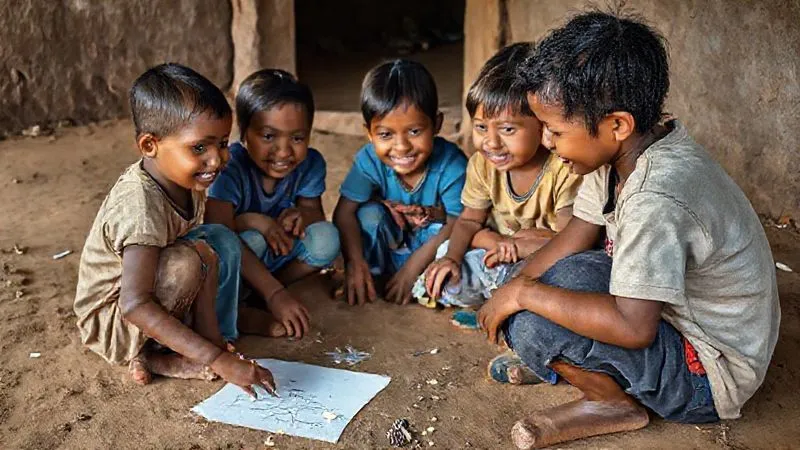
Sarah, a volunteer from Canada, arrived at a rural education project in Ghana expecting to teach English. She found the school disorganized, with inconsistent attendance and a lack of teaching materials. Initially disheartened, she realized that the school had a few old, unused computers. Instead of dwelling on the ineffective English program, Sarah proposed a small, after-school digital literacy club for the older children.
She spent her afternoons teaching basic computer skills, internet safety, and how to use word processing software, utilizing existing resources and filling a clear community need. With the headmaster's blessing, her initiative flourished, empowering students with valuable skills for their future. Sarah transformed a potentially disappointing experience into a highly impactful one, demonstrating how adapting your role can create unexpected and profound change.
Step 4: Ethical Considerations and When to Re-evaluate Your Commitment
While the goal is always to find solutions and make a positive impact, there are times when an ineffective program crosses into ethically questionable territory. As an experienced industry specialist, I've seen situations where staying put could do more harm than good. Recognizing these boundaries is paramount to responsible volunteering.
Understanding the 'Do No Harm' Principle
At the core of all ethical volunteering is the 'do no harm' principle. This means ensuring your presence and actions do not inadvertently create dependency, undermine local expertise, exploit vulnerabilities, or cause cultural insensitivity. An ineffective program might be doing one or more of these things, even unintentionally.
- Dependency: Are volunteers performing tasks that locals could and should be doing, thus preventing local job creation or skill development?
- Exploitation: Is the program using volunteers primarily for profit without genuine community benefit, or exploiting the image of poverty for fundraising?
- Cultural Disrespect: Are volunteers being encouraged or allowed to act in ways that are disrespectful to local customs and traditions?
- Unqualified Aid: Are volunteers performing tasks for which they are not qualified (e.g., medical procedures, complex construction) potentially causing harm?
If you observe any of these patterns, it's a serious red flag. For further guidance, consult resources like UN Volunteers' Ethical Volunteering Guide.
When to Consider Program Exit or Change
There are legitimate reasons to consider leaving a volunteer program early or requesting a transfer. This is a difficult decision, but sometimes it's the most responsible one, both for yourself and the community you intended to serve. Factors to consider include:
- Safety Concerns: If your personal safety or well-being is genuinely at risk and the organization is unwilling or unable to address it.
- Clear Negative Impact: If you are convinced that your presence, or the program's overall operations, are actively causing harm or perpetuating unethical practices.
- Zero Impact Potential: After genuinely trying to assess, communicate, and adapt, if you find there is absolutely no way for you to make a meaningful, ethical contribution.
- Mental Health: If the situation is severely impacting your mental or emotional health, and you're unable to function effectively.
Before making a final decision, communicate your concerns clearly and formally to both the local organization and any sending agency. Explore all alternatives, such as transferring to a different project or re-evaluating your role. Leaving should be a last resort, but not an avoided one when ethics or safety are compromised.
Step 5: Documenting Your Experience and Advocating for Change
Your experience, even a challenging one, holds immense value. Documenting it thoughtfully can not only aid your personal reflection but also contribute to improving future volunteer programs for others. This final step is about leveraging your voice responsibly and constructively.
Maintaining a Reflective Journal
Throughout your entire volunteer journey, keep a journal. This isn't just for documenting the 'bad' parts, but for capturing observations, feelings, challenges, and your attempts to overcome them. A reflective journal helps you process your experience, track your personal growth, and provides concrete evidence should you need to provide feedback later.
It allows you to look back and objectively analyze how your perceptions changed, what actions you took, and what the outcomes were. This self-reflection is a powerful tool for learning and personal development, transforming even an ineffective volunteer program into a valuable life lesson.
Providing Constructive Feedback to the Sending Organization
If you went through a sending organization, they need to know about your experience, especially if it was negative. Schedule a debriefing, or send a detailed, well-structured email outlining your observations, the steps you took to address them, and your suggestions for improvement. Focus on facts and specific examples, avoiding emotional accusations.
Your feedback can help them vet programs more thoroughly, provide better pre-departure information, or even cease partnerships with consistently ineffective projects. Be a voice for future volunteers and for the communities you served. Your feedback is a vital part of the feedback loop that drives improvement in the volunteer travel sector.
The Power of Responsible Storytelling
Sharing your experience can raise awareness and educate others, but it must be done responsibly. Avoid sensationalism or painting an entire country or culture with a broad brush. Focus on the systemic issues, the challenges you faced, and the lessons learned. Your story can help prospective volunteers make more informed choices and encourage organizations to be more transparent.
Remember that your narrative has power. Use it to advocate for ethical, effective, and sustainable volunteer travel, rather than simply to vent frustration. The goal is to contribute to a better future for volunteerism, rather than just recounting a personal disappointment.

Leveraging Your Skills: Beyond the Core Mandate
One common pitfall when a volunteer program proves ineffective on arrival is feeling pigeonholed by the initial job description. My years in this field have taught me that true impact often comes from thinking creatively about how your unique skill set can be applied, even if it's not directly what you signed up for.
Unlocking Hidden Talents for Unexpected Impact
Beyond your primary reason for volunteering, what other skills do you possess? Are you good at photography or videography? Perhaps you could help document the project's activities, creating visual content that could be used for fundraising or awareness. Do you have basic IT skills? Maybe you could help set up a simple spreadsheet for inventory or teach basic computer literacy.
I've seen volunteers with a knack for organization bring order to chaotic storage rooms, or those with a flair for social media help local initiatives gain online visibility. These contributions, while often unofficial, can be incredibly valuable and often fill gaps that the host organization didn't even realize they had. Embrace the opportunity to be resourceful and proactive.
Building Capacity Through Informal Mentorship
Even if formal training isn't part of your role, you can still build local capacity through informal mentorship. If you notice a local staff member struggling with a particular task, or showing an interest in a skill you possess, offer to share your knowledge. This could be anything from demonstrating efficient administrative practices to teaching basic English conversational skills over coffee.
The beauty of informal mentorship is its organic nature. It fosters genuine relationships and empowers individuals, rather than creating dependency. It's about sharing knowledge and skills in a way that is respectful and responsive to local needs, ensuring that your impact extends beyond your physical presence. This kind of skill-based volunteering is highly valued by organizations like UN Volunteers.
The Long-Term Perspective: Fostering Sustainable Change
Even when grappling with a seemingly ineffective volunteer program, it's vital to maintain a long-term perspective. True development and meaningful change are rarely instantaneous. They are built on consistent efforts, empowered local leadership, and sustainable solutions. Your role, even in a challenging situation, can contribute to this broader vision.
Empowering Local Leadership and Ownership
The most sustainable projects are those led and owned by the local community. Your ultimate goal, even if a program is ineffective, should be to empower local individuals and organizations, rather than to impose external solutions. This means listening to local voices, respecting traditional knowledge, and supporting initiatives that are culturally appropriate and locally driven.
If you find yourself in a program where local leadership is weak, consider how you can subtly encourage it. This might involve facilitating meetings, helping to articulate local ideas, or simply stepping back and creating space for local decision-making. The success of any intervention, regardless of its initial effectiveness, hinges on its ability to become self-sustaining long after volunteers leave.
The Ripple Effect of Small, Consistent Actions
It's easy to feel discouraged when you don't see immediate, grand results. However, change often happens through a series of small, consistent actions. The patient teaching of one child, the organization of a single storeroom, the respectful dialogue with a local coordinator – these seemingly minor efforts can have a ripple effect over time.
Your dedication, even in the face of adversity, can inspire others. Your adaptable approach can set an example. Your commitment to ethical engagement can raise standards. Remember that even if your volunteer program proves ineffective on arrival, your individual actions can still contribute to the broader goals of sustainable development and community empowerment, aligning with global initiatives such as the United Nations Sustainable Development Goals.
Frequently Asked Questions (FAQ)
Is it my fault if the volunteer program is ineffective? Absolutely not. While it's important to manage your expectations and be adaptable, the primary responsibility for a well-organized and impactful program lies with the host organization and any sending agency. Your role is to contribute, not to fix systemic failures single-handedly. However, you do have a responsibility to engage constructively and ethically with the situation.
Should I just leave immediately if I'm unhappy with the program? Leaving should be a last resort. Before making such a drastic decision, I strongly recommend following the steps outlined: dispassionately assess the situation, engage constructively with local staff, and explore ways to adapt your role. If, after genuine effort, you find the program is unethical, unsafe, or offers absolutely no avenue for positive contribution, then consider a responsible exit, communicating clearly with all parties involved.
How do I communicate my concerns without offending anyone? The key is to focus on observations and solutions, not accusations. Use 'I' statements ("I've noticed...", "I'm hoping to contribute by..."), express a desire to understand their challenges, and frame your suggestions as opportunities for improvement. Empathy, humility, and cultural sensitivity are crucial. Avoid public criticism and always seek private, respectful dialogue.
What if the host organization simply isn't receptive to my suggestions? This can be frustrating. If your constructive efforts are consistently met with resistance or indifference, you have a few options. You can continue to adapt your role to find indirect ways to contribute, focus on informal mentorship, or, if the situation warrants it, escalate your concerns to the sending organization. If all avenues are exhausted and you feel you cannot make an ethical impact, then re-evaluating your commitment becomes necessary.
Can I still get a good reference if I've had issues with the program? Yes, absolutely. A challenging volunteer experience, and your proactive, mature response to it, can be a testament to your resilience, problem-solving skills, and adaptability. If you've documented your efforts, engaged constructively, and perhaps even initiated a positive mini-project, you have a strong case for a positive reference. Focus on how you grew and contributed despite the difficulties, rather than dwelling solely on the program's shortcomings.
Key Takeaways and Final Thoughts
- Assess, Don't Assume: Objectively observe and gather information before drawing conclusions about program effectiveness.
- Engage Constructively: Communicate respectfully, offer solutions, and foster collaboration with local teams.
- Adapt Your Role: Be flexible and creative in finding ways to make an impact, even if it means stepping outside your initial mandate.
- Prioritize Ethics: Always adhere to the 'do no harm' principle and be prepared to re-evaluate if a program is causing genuine harm.
- Document and Advocate: Your experience is valuable; use it to reflect, provide feedback, and promote responsible volunteerism.
Discovering that your volunteer program proves ineffective on arrival can be a deeply unsettling experience. However, as an industry veteran, I can assure you that it doesn't have to define your entire journey. By approaching the situation with a blend of critical assessment, constructive engagement, and creative adaptability, you can transform a potential disappointment into a powerful lesson in resilience and resourcefulness. Your ability to navigate these complexities speaks volumes about your character and commitment. Remember, true impact often emerges not from perfect conditions, but from the courage to make a difference, even in imperfect ones.
Recommended Reading
- 5 Steps: What to Do When Hotel Construction Blocks Your Ocean View
- The Ultimate Guide: What to Pack for an Outdoor Ice Skating Trip?
- How to Scale Eco-Adventure Operations Without Increasing Footprint: 5 Core Pillars
- Airline Damaged Your Custom Scooter? 7 Steps to Claim & Repair
- Urgent Burnout? How to Select a Short Yoga Retreat for Rapid Relief





Your email address will not be published. Required fields are marked *