

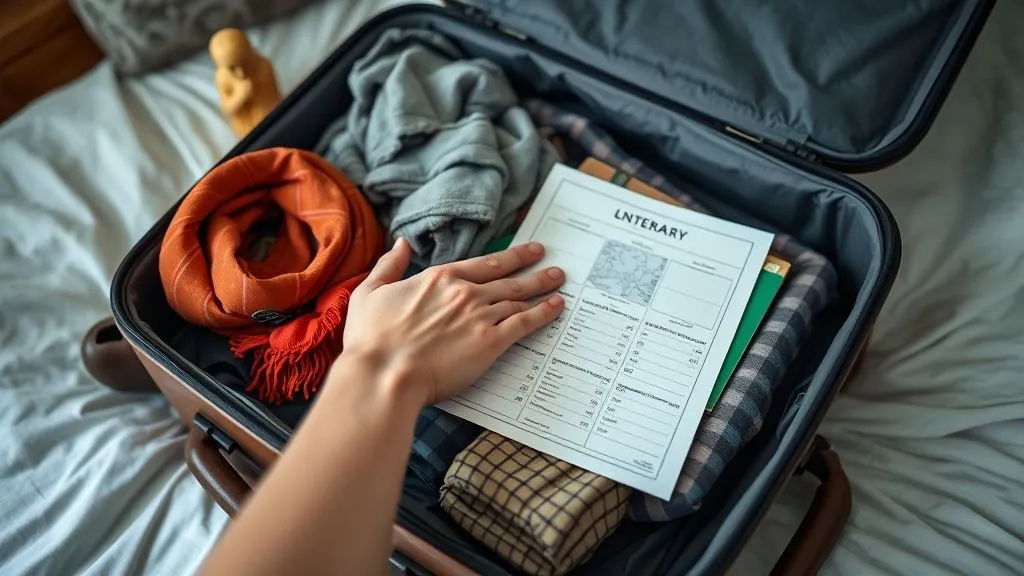
What's the Best Way to Prevent Cultural Event Trip Cancellations?
For over two decades in the vibrant world of city breaks and cultural immersion, I’ve witnessed the sheer joy and anticipation that precedes a carefully planned trip to an opera, a historical festival, or an art exhibition. But I’ve also seen the crushing disappointment when those dreams are shattered by an unexpected cancellation.
The pain isn't just about lost money; it's about the emotional investment, the meticulously arranged time off, and the unique experience that vanishes. Travelers often feel powerless against unforeseen circumstances, leading to a pervasive anxiety that dampens the excitement of booking.
In this definitive guide, I’ll draw upon my extensive experience to provide you with actionable strategies, robust frameworks, and expert insights. We will explore not just theoretical solutions, but practical steps to safeguard your cultural adventures, ensuring your investments of time and money translate into unforgettable memories, not frustrations.
Understanding the Root Causes of Cultural Event Cancellations
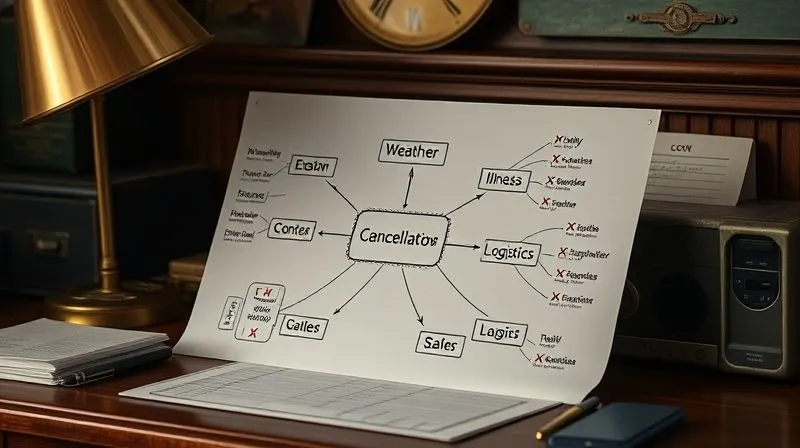
Before we can prevent something, we must first understand its genesis. Cultural event cancellations aren't random occurrences; they stem from a predictable range of factors, many of which can be mitigated with foresight.
In my early years, I learned the hard way that assuming an event will proceed without a hitch is naive. The most common culprits include:
- Logistical Hurdles: Issues with venue availability, equipment failure, or unexpected staffing shortages.
- Artist/Performer Availability: Illness, scheduling conflicts, or contractual disputes, especially for high-profile acts.
- Natural Disasters & Weather: Floods, storms, or extreme heat making travel or event execution impossible.
- Political Instability & Safety Concerns: Local unrest, government advisories, or health crises.
- Financial Viability: Low ticket sales making the event economically unfeasible for organizers.
- Regulatory Changes: New permits required, health mandates, or local ordinances impacting operations.
Identifying these risks upfront empowers you to choose events and destinations with greater stability, or at least to prepare for potential disruptions. This proactive approach is the first crucial step in answering what's the best way to prevent cultural event trip cancellations.
The Power of Proactive Research and Due Diligence
My golden rule for any city break, especially those centered around cultural events, is 'research, research, research.' This isn't just about finding the best coffee shop; it's about vetting the event, the organizer, and the destination.
Here’s a structured approach I always recommend:
- Scrutinize Event Organizers: Look into their history. Have they successfully run similar events before? Check reviews, testimonials, and news articles. A reputable organizer is your first line of defense against cancellation.
- Assess Venue Suitability: Is the venue known for reliability? Does it have contingency plans for adverse weather if the event is outdoors?
- Monitor Local News & Advisories: Before and after booking, keep an eye on the local news for your destination. Government travel advisories (e.g., from the U.S. Department of State or your country's equivalent) can signal potential issues.
- Understand the Event's History: Has this specific event been cancelled or postponed in the past? Past performance can be a strong indicator of future reliability.
- Read the Fine Print: Always, and I mean always, read the terms and conditions regarding cancellations, refunds, and postponements. Don't skim over this critical information.
"Vigilance in planning is not paranoia; it's the bedrock of a successful journey." - Seasoned Industry Expert
Leveraging Flexible Booking Policies and Comprehensive Travel Insurance
In today's dynamic travel landscape, flexibility is paramount. I've seen a significant shift towards more lenient booking policies, and you, as a discerning traveler, should capitalize on this.
When booking flights, accommodation, and event tickets, prioritize options that offer:
- Free Cancellation: Many hotels and airlines now offer 'flexi-fares' or 'free cancellation' up to a certain point. While sometimes slightly more expensive, the peace of mind is invaluable.
- Change Fees Waiver: Look for policies that allow date changes without exorbitant fees, or at least for a reasonable cost.
- Refundable Tickets: For events, always check if tickets are fully refundable, partially refundable, or non-refundable. If non-refundable, this significantly increases your risk profile.
Beyond flexible bookings, comprehensive travel insurance is non-negotiable for cultural event trips. According to a study published by Forbes Advisor, a significant percentage of travelers still forgo insurance, leaving them vulnerable.
Your policy should specifically cover:
- Trip Cancellation/Interruption: For reasons like illness, family emergency, or even the event itself being cancelled (if specified).
- Event Ticket Protection: Some niche policies specifically cover the cost of non-refundable event tickets if the event is cancelled or you can't attend due to covered reasons.
- Medical Emergencies: Always a wise inclusion, especially when traveling internationally.
- Delay & Baggage: For unforeseen travel delays or lost luggage that could impact your ability to reach the event.
| Feature | Cost Impact | Cancellation Risk Reduction |
|---|---|---|
| Flexible Flights | Moderate increase | High |
| Refundable Accommodation | Slight increase | High |
| Comprehensive Travel Insurance | Low to Moderate | Very High |
| Event Ticket Protection | Variable | High |
Always compare policies carefully. Don't just look at the premium; understand the coverage limits, exclusions, and the claims process. This is a critical component of what's the best way to prevent cultural event trip cancellations.
Building Redundant Itineraries and Smart Backup Plans
Even with the best research and insurance, unforeseen events can occur. This is where the concept of 'redundancy' comes into play – having alternatives ready. I learned this lesson vividly during a major European festival where a key performance was suddenly moved to a different venue due to an electrical issue.
Case Study: How ‘CultureQuest Travel’ Minimized Disruption
CultureQuest Travel, a bespoke tour operator specializing in unique cultural experiences, faced a significant challenge when a major classical music festival in Vienna announced the unexpected closure of its primary concert hall just weeks before the event. Instead of a full cancellation, CultureQuest had already built in redundancies.
Their standard practice included:
- Identifying Alternative Venues: They had pre-researched other suitable concert halls and theaters in Vienna that could host similar performances.
- Holding Provisional Bookings: For high-value clients, they sometimes hold provisional, cancellable bookings for alternative cultural experiences (e.g., a different opera, a prominent museum tour) for the same dates.
- Pre-negotiated 'Force Majeure' Clauses: Their contracts with local partners included clauses for event changes or cancellations, allowing for smoother transitions.
By activating their backup plan, CultureQuest was able to quickly re-route their clients to an equally prestigious performance at a different venue, offering a partial refund for the inconvenience. This proactive approach not only saved the trips but also significantly enhanced client trust and loyalty, demonstrating a clear answer to what's the best way to prevent cultural event trip cancellations.
For individual travelers, this means:
- Secondary Event Options: Have a list of other cultural events or attractions in your destination that you'd be interested in, just in case your primary event falls through.
- Flexible Day Plans: Don't pack your itinerary so tightly that a single disruption derails your entire trip. Leave room for spontaneous exploration or unforeseen changes.
- Understanding Transport Alternatives: If one form of transport (e.g., a specific train line) is crucial, know your alternatives (bus, taxi, ride-share) in advance.

Engaging Local Experts and Leveraging On-Ground Support
One of the most valuable resources in preventing trip cancellations, or at least effectively managing them, is local expertise. I've always advocated for tapping into the knowledge of those who live and breathe the destination.
How to effectively utilize local insights:
- Connect with Local Tour Operators: Even if you're planning independently, a quick email or call to a local tour company can provide invaluable insights into an event's stability or potential local issues.
- Consult Destination-Specific Forums & Groups: Online communities focused on your destination can offer real-time updates and local perspectives that official channels might miss.
- Stay in Contact with Your Accommodation: Hotel staff, especially boutique hotels or B&Bs, often have excellent local knowledge and can alert you to potential problems or offer advice.
- Consider a Local Guide: For particularly complex cultural trips, hiring a local guide, even for a portion of your stay, can provide an immediate point of contact and assistance if things go awry.
"Local knowledge is the ultimate contingency plan, offering real-time solutions where global policies fall short." - Seasoned Industry Expert
Their immediate access to information and understanding of local nuances can be the difference between salvaging a trip and facing a complete washout. This human element is often overlooked but profoundly powerful in ensuring your cultural experience proceeds smoothly.
Mastering Communication and Staying Proactively Informed
Effective communication is a two-way street. You need to be able to receive crucial updates and also know how to communicate your needs if a problem arises. Many travelers assume they'll be notified of changes, but proactive monitoring is always best.
My advice on staying informed:
- Sign Up for Alerts: Register your contact details with event organizers, airlines, and accommodation providers. Opt-in for SMS or email alerts.
- Follow Official Channels: Keep an eye on the event's official website and social media pages. These are often the first places updates are posted.
- Use Reliable News Sources: Monitor major international and local news outlets. For example, the BBC World News provides excellent global coverage, which can be critical for understanding broader travel impacts.
- Confirm Before You Go: A day or two before departure, re-confirm all your bookings – flights, hotels, and especially event tickets – directly with the providers.
If you face a cancellation or significant change:
- Act Swiftly: The sooner you react, the more options you'll likely have for refunds, rebooking, or alternative arrangements.
- Document Everything: Keep records of all communications, booking confirmations, and cancellation notices. This is vital for insurance claims or disputes.
- Know Your Rights: Familiarize yourself with consumer protection laws in your destination country and those applicable to your booking (e.g., EU flight delay regulations).

Financial Safeguards: Smart Payments and Understanding Refund Policies
The way you pay for your cultural event trip can significantly impact your recourse in the event of a cancellation. This is a lesson I’ve imparted to countless travelers over the years: your payment method is a powerful tool for protection.
Consider these financial best practices:
- Credit Card Protection: Many credit card companies offer purchase protection, chargeback rights, or even travel insurance benefits. Using a credit card, especially for larger bookings, can provide an extra layer of security. Always check your card's specific benefits.
- Avoid Wire Transfers/Cash: These payment methods offer minimal to no consumer protection if something goes wrong. They should be avoided for significant travel expenses.
- Understand Refund Timelines: Even if an event is cancelled and a refund is due, the process can take time. Be aware of the stated refund timelines and follow up if necessary.
- Escrow Services for Large Group Bookings: For very large or complex cultural group trips, consider using an escrow service, where funds are held by a third party until services are rendered.
As Professor Michael E. Porter from Harvard Business School often emphasizes regarding strategic planning, understanding your levers of control—even financial ones—is crucial. Your payment choice is one such lever.
Furthermore, distinguish between 'refunds' and 'vouchers/credits'. While a voucher might seem convenient, it ties your money to a specific provider and often comes with expiration dates or restrictions, which might not align with your future travel plans. Always push for a monetary refund if possible, especially when your primary goal is to know what's the best way to prevent cultural event trip cancellations.
| Payment Method | Protection Level | Speed of Resolution |
|---|---|---|
| Credit Card | High (Chargebacks, Insurance) | Moderate |
| Debit Card | Moderate (Bank dependent) | Slow |
| PayPal/Similar | Moderate (Buyer Protection) | Moderate |
| Wire Transfer/Cash | Very Low | Very Slow/None |
Post-Pandemic Considerations: Health, Safety, and Dynamic Protocols
The global events of recent years have fundamentally reshaped travel, introducing new layers of complexity. While we hope for stability, it’s naive to ignore the potential for health crises or evolving safety protocols to impact cultural events.
Here’s what I advise for future-proofing your cultural adventures:
- Vaccination & Testing Requirements: Always verify the latest entry requirements for your destination and any specific mandates for event attendance. These can change rapidly.
- Event-Specific Health Protocols: Does the event organizer have clear guidelines on masking, social distancing, or proof of vaccination? A well-communicated plan indicates a prepared organizer.
- Flexibility for Health-Related Changes: Understand how event or travel providers handle cancellations or changes due to health-related issues, either on your part or due to broader public health mandates.
- Medical Travel Insurance: Ensure your travel insurance explicitly covers medical emergencies, including those related to infectious diseases, and potential mandatory quarantines.
The world is more interconnected than ever, and a health situation in one region can swiftly impact global travel. Staying agile and informed about health advisories, such as those from the World Health Organization (WHO), is now an integral part of responsible travel planning.
Frequently Asked Questions (FAQ)
What if the event is postponed, not cancelled? Do I still get a refund? This depends entirely on the event organizer's terms and conditions. Many organizers will offer to transfer your ticket to the new date, or provide a credit/voucher. A cash refund for a postponement is less common unless the new date is entirely unworkable for you and the policy allows for it. Comprehensive travel insurance might cover non-refundable costs if the postponement prevents you from attending due to a covered reason. Always check the fine print!
Is it better to book cultural events through a third-party aggregator or directly with the venue/organizer? Generally, booking directly with the venue or organizer offers more direct communication channels and sometimes better recourse for refunds or changes. Third-party aggregators can add an extra layer of complexity, though some reputable ones offer their own protections. Weigh the convenience against the potential for streamlined support.
How far in advance should I book my cultural event trip to minimize cancellation risk? There's a delicate balance. Booking too far in advance increases the window for unforeseen events to occur. Booking last-minute might mean higher prices and fewer options. For major, well-established cultural events, 3-6 months out is often a good sweet spot. For smaller, more niche events, 1-3 months might be sufficient. Always prioritize events with a strong track record.
My flight was cancelled, but the cultural event is still on. Will my travel insurance cover the event ticket? This depends specifically on your travel insurance policy. Some comprehensive policies include 'trip interruption' or 'missed event' coverage, which might reimburse non-refundable event tickets if your inability to attend is due to a covered reason like a flight cancellation. Review your policy documents carefully or contact your insurer directly to confirm.
What are the signs that a cultural event might be at risk of cancellation before it's officially announced? Keep an eye out for several red flags: delayed schedule releases, lack of promotional activity close to the event date, venue changes without clear explanation, negative reviews about the organizer's past events, or a sudden drop in communication from official channels. These can all be indicators of underlying issues.
Recommended Reading
- 7 Steps: Measure Eco-Tourism's Direct Conservation Impact Accurately
- Unveiling the Truth: Is Public Transport Truly Cheaper for Budget Travel?
- Rescue Ready: 7 Steps to Extract an Injured Caver from a Narrow Passage
- How to Integrate Real-Time Data for Flexible Road Trips: Your 5-Step Guide
- 7 Ways to Elevate Business Trips: Integrating Unique Roadside Stops?
Main Points and Final Considerations
Preventing cultural event trip cancellations isn't about eliminating all risk; it's about intelligent risk management. It's about empowering yourself with knowledge and tools to navigate the unpredictable nature of travel. As a veteran in this field, I've seen firsthand that those who plan proactively and strategically are the ones who consistently enjoy their cultural adventures.
To recap the most critical strategies:
- Understand the 'Why': Know the common reasons for cancellations to better anticipate and avoid them.
- Research Relentlessly: Vet organizers, venues, and local conditions.
- Embrace Flexibility & Insurance: Opt for cancellable bookings and comprehensive travel insurance.
- Build Backup Plans: Have alternative activities and transport options ready.
- Leverage Local Expertise: Tap into on-ground knowledge for real-time insights.
- Stay Connected: Proactively monitor official channels and confirm bookings.
- Protect Your Finances: Use credit cards and understand refund policies.
- Adapt to New Realities: Integrate health and safety protocols into your planning.
Your next cultural journey should be a source of inspiration and joy, not anxiety. By adopting these expert-backed strategies, you'll not only significantly reduce the likelihood of trip cancellations but also gain the confidence to explore the world's rich tapestry of events with peace of mind. Go forth, explore, and create unforgettable memories, knowing you've done what's best to prevent cultural event trip cancellations.





Your email address will not be published. Required fields are marked *