

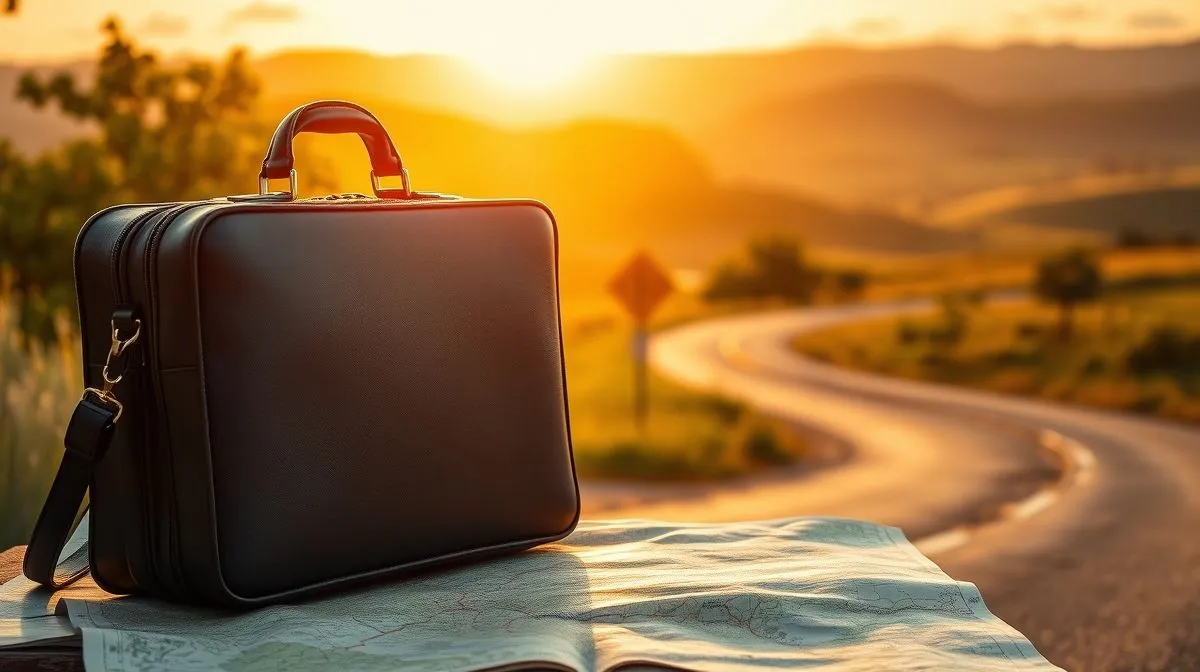
The Unseen Opportunity: Integrating Unique Roadside Stops into a Tight Business Travel Itinerary?
For over two decades as a 'road warrior' myself, crisscrossing continents for conferences, client meetings, and critical project launches, I’ve observed a common lament among my peers: the soul-crushing monotony of business travel. It’s a blur of airports, highways, and sterile hotel rooms, often leaving professionals drained and disconnected from the very world they're traversing.
This isn't just about personal well-being; it's a genuine problem impacting productivity, creativity, and overall job satisfaction. The idea of adding anything 'non-essential' to an already packed schedule, especially 'integrating unique roadside stops into a tight business travel itinerary?', often feels like an impossible dream, a luxury reserved for leisure trips.
But what if I told you it’s not only possible but strategically beneficial? In this definitive guide, I'll share my battle-tested frameworks, practical tools, and the mindset shifts required to transform your business journeys from tedious commutes into enriching experiences that paradoxically enhance your professional output. Prepare to discover how even a few minutes can unlock hidden value.
Mindset Shift: From Obligation to Opportunity
The first, and perhaps most crucial, step in successfully integrating unique roadside stops into a tight business travel itinerary is a fundamental shift in perspective. For many, business travel is a necessary evil, a hurdle to be cleared as quickly as possible. This 'arrival-focused' mentality overlooks the journey itself.
I’ve seen this countless times: executives rushing from one point to another, eyes glued to the clock, missing out on serendipitous moments that could spark an idea, offer a moment of calm, or simply provide a much-needed mental break. Instead, we must embrace a 'journey-focused' mindset, viewing the time between meetings not as dead space, but as a canvas for strategic enrichment.
“The road itself is a teacher, if only we pause long enough to listen to its lessons.” – An old road tripper’s adage, and one I live by.
This isn't about adding hours to your trip; it's about optimizing the moments you already have. A 15-minute stop at a quirky landmark or a local cafe can do more for your mental clarity and creative problem-solving than an hour spent staring at spreadsheets in a hotel lobby. It’s about leveraging the inherent flexibility of road travel, even when schedules are tight.
The Power of Micro-Adventures
Think of these roadside stops as 'micro-adventures.' They are brief, intentional deviations that inject novelty and joy into your routine. These small breaks prevent burnout, foster creative thinking, and can even offer unexpected networking opportunities or insights into local culture that inform your business decisions.
- Boosts Creativity: Novel experiences jolt the brain out of routine patterns.
- Reduces Stress: A change of scenery, even brief, can significantly lower stress levels.
- Enhances Memory: Unique experiences make trips more memorable and enjoyable.
- Improves Focus: Short breaks are proven to increase subsequent concentration.
The Strategic Scrutiny: Identifying Truly Valuable Detours
Not all roadside stops are created equal, especially when time is a premium. The key to successfully integrating unique roadside stops into a tight business travel itinerary lies in strategic selection. You need to identify stops that offer maximum impact for minimum time investment.
My method involves a two-pronged approach: 'High-Yield Novelty' and 'Strategic Alignment.'
High-Yield Novelty: Quick Wins for the Curious Mind
These are the stops that offer a significant emotional or intellectual payoff for a minimal time commitment. Think quirky roadside attractions, scenic overlooks, or small, unique local businesses.
- Proximity is Paramount: Prioritize attractions directly on or very close to your planned route. Every minute spent detouring is a minute subtracted from your core objective. Use mapping tools to filter for 'points of interest' along your exact path.
- 'Snap & Go' Potential: Look for places where the experience is immediate. A giant statue, a historic marker, or a breathtaking view. These are not places you need to spend hours exploring, but rather moments to capture, reflect, and move on.
- Unique Local Flavor: Seek out stops that offer a genuine taste of the region you're in. This could be a specialized local food stand, a community art installation, or a small museum dedicated to a peculiar local history. These stops provide cultural insights that can be invaluable.
Strategic Alignment: Beyond Just 'Interesting'
For some trips, your roadside stops can actually align with or even enhance your business objectives. This requires a bit more foresight but can yield significant dividends.
- Industry-Specific Niche: Is there a small, independent business related to your industry along your route? A quick stop could offer insights into local market dynamics or emerging trends. For instance, a tech executive might visit a small startup hub or a unique electronics repair shop.
- Client-Centric Exploration: If you’re visiting a client in a new city, research local landmarks or cultural touchstones they might appreciate or that could serve as conversation starters. A quick photo at a local icon might be worth sharing.
- Networking Opportunities: While less common for quick stops, some roadside cafes or historical sites might be known local gathering spots. A brief pause for coffee could lead to an unexpected connection.
Precision Planning: Weaving Stops Seamlessly into Your Schedule
The biggest hurdle to integrating unique roadside stops into a tight business travel itinerary is perceived time pressure. This is where meticulous, yet flexible, planning becomes your best friend. Forget rigid itineraries; think 'strategic windows.'
I've developed a system I call 'Buffer Block Integration' that allows for spontaneity without derailing your schedule.
The Buffer Block Integration Method
- Identify 'Flex Zones': Before you even leave, look at your itinerary for natural breaks. Are there longer stretches of driving between meetings? Is there an hour between check-out and your airport departure? These are your 'flex zones.'
- Pre-Select 2-3 Options: Don't just pick one stop. Research 2-3 potential roadside attractions within each flex zone. This gives you options if one is closed, too busy, or less appealing than expected.
- Allocate 'Buffer Blocks': Instead of scheduling a stop for precisely 15 minutes, allocate a 30-minute 'buffer block.' This accounts for unexpected traffic, parking, or a slightly longer interaction than anticipated. If you only use 15 minutes, you're ahead of schedule!
- Use Real-Time Traffic & Map Data: Always check live traffic conditions before committing to a stop. Modern navigation apps are indispensable here. They can often suggest alternative routes or warn you if a detour will cause significant delays.
- Communicate Your Intent: If you're traveling with colleagues, let them know your intention. "I'm thinking of a quick 10-minute stop at X landmark if we're making good time. Would you be open to that?" This manages expectations.
Case Study: How 'Globetrotter Innovations' Boosted Team Morale
Globetrotter Innovations, a leading consulting firm, faced a challenge with consultant burnout due to relentless travel. Their teams were constantly on the road, missing out on local experiences. By implementing my 'Buffer Block Integration' method, they encouraged consultants to identify and utilize small 'flex zones' for micro-adventures. One team, en route to a client in rural Ohio, paused for 20 minutes at a bizarre local museum dedicated to a forgotten industry. This brief, unexpected stop became a shared story, a source of laughter, and a mental reset. The consultants reported feeling more engaged and less fatigued. This simple shift led to a 15% reduction in reported travel-related stress in their quarterly surveys, proving that small moments of joy can have significant impacts on well-being and, consequently, productivity.
Leveraging Digital Tools: Your Road Trip Co-Pilot
In today's connected world, technology is your greatest ally in integrating unique roadside stops into a tight business travel itinerary. Gone are the days of paper maps and guessing games. Modern apps and platforms can streamline your planning and execution, making spontaneous detours a breeze.
Essential Apps for the Savvy Business Traveler
- Google Maps/Waze: Beyond navigation, these apps allow you to search for 'attractions along route,' 'restaurants near me,' or 'points of interest.' They also provide real-time traffic updates, crucial for managing your time. I always check the 'time to destination' immediately after a stop to ensure I'm still on track.
- Atlas Obscura: This is my personal favorite for finding truly unique, off-the-beaten-path attractions. It’s a curated guide to the world's hidden wonders, perfect for discovering those 'unique roadside stops.' You can filter by location and type of attraction. Explore Atlas Obscura for hidden gems.
- Roadside America: Similar to Atlas Obscura but specifically focused on quirky American roadside attractions. If you're traveling in the US, this is indispensable. It even offers route planners tailored to oddities.
- Yelp/TripAdvisor: For finding highly-rated local eateries or specific types of shops for a quick stop. Filter by 'quick bites' or 'coffee & tea' for efficiency.
- National Park Service App (for US): If your route takes you near a National Park or monument, this app provides information on short trails, scenic drives, and visitor centers – often with quick, impactful experiences.
“Technology doesn't replace the adventure; it enables it, ensuring you make the most of every precious minute on the road.”
Remember to download offline maps if you anticipate areas with poor cell service. A lost connection can quickly turn a quick stop into a stressful delay.
The 'Why' Beyond the 'What': Justifying Your Detours
Successfully integrating unique roadside stops into a tight business travel itinerary isn't just about finding the time; it's also about understanding and articulating the benefits. For many professionals, especially those accountable to others, justifying a 'leisurely' stop can feel challenging. However, these stops aren't just for fun; they are investments in your cognitive and emotional well-being, which directly impacts your professional performance.
Tangible Benefits for Professional Performance
- Enhanced Problem-Solving: A change of environment and a moment of mental rest can provide the necessary distance for 'aha!' moments. As a study by the Harvard Business Review often implies, breaks and novel experiences are crucial for creative insight.
- Reduced Decision Fatigue: Constant high-stakes decision-making leads to fatigue. Short, non-work-related diversions can recharge your cognitive battery, leading to better decisions later in the day.
- Improved Mood & Resilience: Experiencing something new and enjoyable boosts mood, making you more resilient to the stresses of business travel and client demands. A positive outlook is contagious and impacts team dynamics.
- Unique Storytelling & Connection: Sharing a brief, interesting experience from your travels can be an excellent icebreaker or a memorable anecdote in a presentation. It humanizes you and builds rapport.
When I advise clients on this, I frame it as 'strategic rejuvenation.' It's not a break *from* work, but a break *for* better work. It's about optimizing your personal operating system.
Overcoming Logistics: From Parking to Practicalities
Even with the best intentions, the practicalities of integrating unique roadside stops into a tight business travel itinerary can trip you up. Parking, accessibility, and unexpected closures are common pitfalls. Here's how I navigate these.
My Practical Checklist for Smooth Stops
- Pre-Check Parking: Before you even detour, do a quick satellite view check on your mapping app for parking availability. Is there a dedicated lot? Street parking? If it looks complicated, reconsider.
- Accessibility Matters: If you have limited mobility or are traveling with someone who does, always check the accessibility of the site. Many older roadside attractions may not be fully accessible.
- Operating Hours: A quick glance at the attraction's website or Google Maps listing for current operating hours is essential. Nothing wastes more time than arriving at a closed gate.
- Restroom Availability: This is a practical one often overlooked. Many smaller roadside stops might not have public restrooms. Plan accordingly, perhaps combining your stop with a gas station or a larger rest area.
- Quick Exit Strategy: Always know how to get back on your main route quickly. Avoid stops that require complex maneuvering through small towns or residential areas unless you have ample time.
“A well-planned detour is an adventure; an unplanned logistical nightmare is a stressor you can’t afford on a business trip.”
I recall a time I was rushing to a meeting in rural Kentucky and spotted a sign for 'The World's Largest Frying Pan.' Intrigued, I pulled off. A quick Google search revealed it was literally just a giant pan in a field, with easy pull-off access. I snapped a photo, chuckled, and was back on the road in under five minutes, feeling refreshed and ready. Had it required a lengthy walk or complex parking, I would have skipped it.
Post-Stop Integration: Maximizing the Value Back in Business
The benefits of integrating unique roadside stops into a tight business travel itinerary don't end when you pull back onto the highway. The real magic happens when you consciously integrate these experiences back into your professional life. This isn't about bragging; it's about leveraging the renewed energy and unique perspectives gained.
Turning Experience into Edge
- The 'Mental Reset' Advantage: Immediately after a brief stop, take a moment to acknowledge the mental shift. You’re likely more alert, less stressed, and potentially more open to new ideas. Capitalize on this renewed focus for your next task.
- Creative Brainstorming Fuel: Did that bizarre roadside attraction spark a tangential thought? Did the unique architecture of a small town make you think differently about design? Jot these down. Often, the most innovative solutions come from unexpected connections. As Forbes often highlights, diverse experiences foster creativity.
- Networking & Rapport Building: A quick story about your recent roadside discovery can be a fantastic icebreaker. "On my drive over, I stopped at the most incredible [local quirky spot] – it reminded me of [business challenge/opportunity]." This not only makes you more relatable but can also open doors to unexpected conversations and connections.
- Content Creation Inspiration: For those in marketing, sales, or content roles, these micro-adventures are goldmines for authentic, relatable content. A photo, a short anecdote, a reflection – it can all be woven into a blog post, a social media update, or even a client presentation.
I once used a photo of a kitschy dinosaur roadside attraction to illustrate a point about 'outdated strategies' in a marketing presentation. It landed perfectly, making a dry topic engaging and memorable. The key is to be intentional about connecting the dots between your unique experiences and your professional objectives.
Building a 'Road Warrior's' Resource Kit
To truly master integrating unique roadside stops into a tight business travel itinerary, you need more than just a plan; you need a well-equipped 'resource kit.' This isn't just physical items, but mental habits and prepared strategies.
My Go-To Resource Kit Essentials
- The 'Snack & Sip' Bag: Always have healthy snacks, a reusable water bottle, and perhaps a thermos of coffee or tea. This reduces the need for unplanned stops for basic sustenance, freeing up time for unique detours.
- Portable Charger: Your phone is your navigation, your research tool, and your camera. A dead battery is a non-starter. A high-capacity portable charger is non-negotiable.
- Emergency Kit (Basic): Jumper cables, a basic first-aid kit, and a flashlight. While not directly related to roadside stops, being prepared for minor emergencies ensures your focus remains on your business objectives and enjoyable detours, not on preventable crises.
- 'Discovery Journal' (Digital or Physical): A small notebook or a notes app on your phone to quickly jot down observations, ideas, or even names of places you want to revisit. Don't rely on memory for those fleeting insights.
- The 'Flexibility Mindset' App: This isn't a digital app, but a mental one. Cultivate the ability to pivot. If a planned stop doesn't work out, don't dwell. Move on to the next option or simply enjoy the drive. Stress defeats the purpose of the stop.
According to research from the American Psychological Association, even small acts of mindfulness and preparedness can significantly reduce stress and improve overall well-being. This proactive approach ensures your roadside stops are genuinely additive, not an additional source of stress.
Frequently Asked Questions (FAQ)
Question: How can I convince my boss or colleagues that these stops are beneficial and not just 'slacking off'? This is a common concern. Frame it as 'strategic rejuvenation' or 'cognitive optimization.' Explain that brief, enriching breaks improve focus, reduce burnout, and foster creativity, ultimately leading to better performance and decision-making. You can even share articles that link employee well-being to productivity. Start small, perhaps just a 5-minute scenic overlook, and demonstrate the positive impact on your energy and output.
Question: What if I'm on a very strict timeline and literally have no extra minutes? Even in the tightest schedules, there are often micro-moments. Could you take a different exit for gas that has a more interesting view? Could you park further away from your meeting venue to walk past a unique local mural? The goal isn't always a dedicated 'stop,' but an 'enriched moment.' Sometimes, it's just about being more observant of your surroundings during necessary pauses, like at a traffic light or a brief rest stop.
Question: Are there any safety considerations I should be aware of when pulling off the road? Absolutely. Always prioritize safety. Stick to well-trafficked areas, well-lit spots, and designated pull-offs. Avoid isolated, unpaved roads, or areas that feel unsafe. Trust your instincts. If something feels off, keep driving. Share your location with a trusted contact if you're venturing slightly off-route. Your safety is paramount.
Question: How do I find unique stops without spending hours researching? Leverage the apps I mentioned like Atlas Obscura and Roadside America, which are designed for quick discovery. For broader searches, use Google Maps' 'Explore' feature or search for 'quirky attractions near [your route]' or 'hidden gems [state/region].' Focus on places with clear photos and reviews that indicate a quick, high-impact experience.
Question: Can these stops count as business expenses or professional development? Generally, no, unless the stop is directly related to your industry or client in a very specific, demonstrable way (e.g., visiting a competitor's small local shop). However, the 'return on investment' comes in the form of improved personal well-being, increased creativity, and reduced burnout, which indirectly benefit your professional life and your employer. Think of it as an investment in your 'human capital.'
Recommended Reading
- Unlock Warmth: The Ultimate Guide to Staying Cozy Car Camping in Cold Weather
- Unlock Serenity: The Ultimate Luxury Spa Retreat for Burnout Relief
- Unlock Peace of Mind: Your Guide to Preventing Child Abduction During Family Travel
- Busy Executive? Master Pro Solo Travel Photos in 5 Smart Steps
- Your Wheelchair Damaged? What To Do If Airline Damages Wheelchair!
Key Takeaways and Final Thoughts
Integrating unique roadside stops into a tight business travel itinerary isn't a pipe dream; it's a powerful strategy for transforming monotonous journeys into enriching experiences that enhance your professional life. As a seasoned road expert, I’ve seen firsthand the profound impact these small detours can have on a traveler’s mindset and productivity.
- Embrace the Journey: Shift your mindset from purely arrival-focused to embracing the opportunities the road offers.
- Strategize Your Stops: Prioritize 'high-yield novelty' and 'strategic alignment' to maximize impact with minimal time.
- Plan with Precision: Use 'Buffer Block Integration' and leverage digital tools to weave stops seamlessly into your schedule.
- Understand the 'Why': Recognize that these aren't just leisure breaks but investments in your cognitive and emotional well-being.
- Prioritize Safety & Logistics: Always consider parking, accessibility, and personal safety.
- Maximize Post-Stop Value: Consciously integrate insights and renewed energy back into your work.
The road is more than just a means to an end; it’s a canvas for discovery, a space for reflection, and a source of unexpected inspiration. By applying these expert strategies, you won't just endure business travel; you'll master it, arriving at your destination not just on time, but refreshed, invigorated, and ready to perform at your peak. Your next business trip awaits – make it an adventure.

Your email address will not be published. Required fields are marked *