

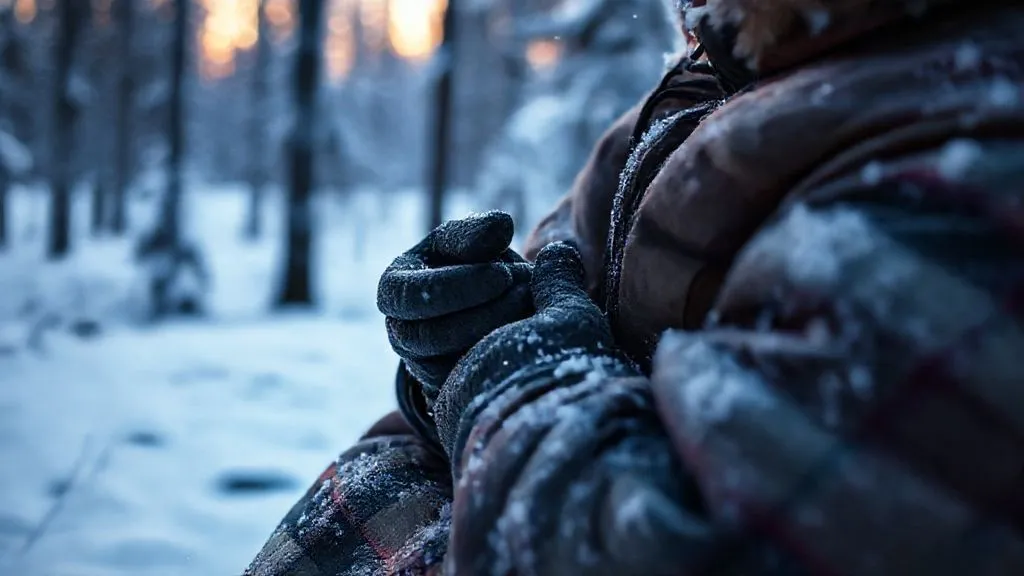
What to do when a snowshoeing client shows signs of severe hypothermia?
In my two decades guiding snowshoeing expeditions across some of the most breathtaking, yet unforgiving, winter landscapes, I've come to understand that preparedness isn't just about gear; it's about a mindset. I've seen situations escalate rapidly, transforming a beautiful day into a life-threatening emergency in mere moments. The profound responsibility of a guide is never more apparent than when a client's life hangs in the balance.
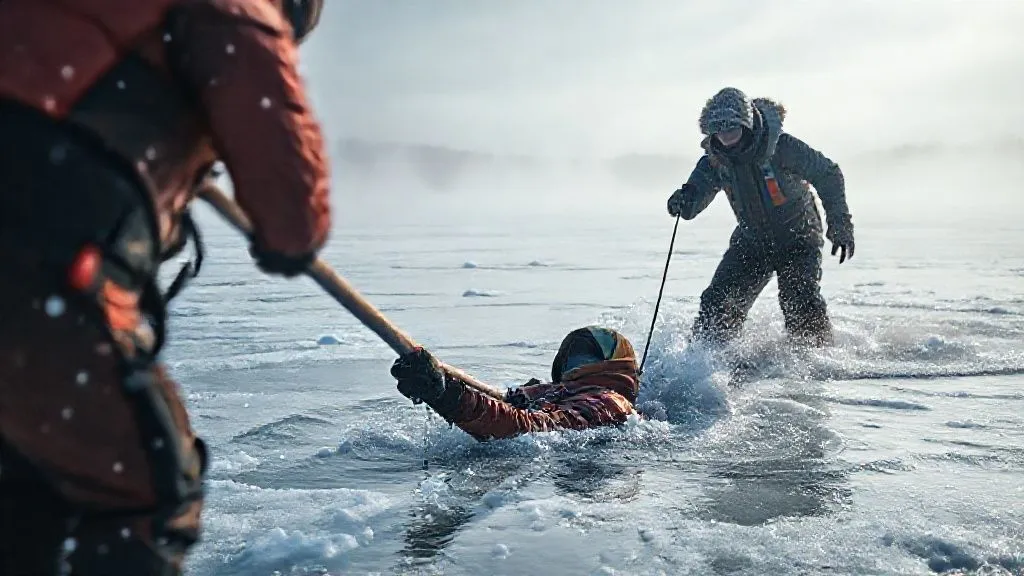
The insidious creep of hypothermia is a guide's worst nightmare. It's a silent predator, often camouflaged by the very beauty of the winter environment. While mild hypothermia might manifest as shivering and discomfort, severe hypothermia presents a terrifying scenario: a client becoming unresponsive, rigid, and seemingly lifeless. The fear and confusion in such moments can be paralyzing, but as guides, we cannot afford to be.
This comprehensive guide, born from real-world experience, extensive training, and a deep understanding of wilderness medicine protocols, is designed to empower you. We'll move beyond theory to provide a clear, actionable framework for managing severe hypothermia in the field, ensuring you have the knowledge and confidence to make critical, life-saving decisions when it matters most. You'll learn not just what to do, but *why* you're doing it, grounded in proven techniques.
Understanding Severe Hypothermia: The Silent Threat
Before we can effectively intervene, we must first understand the enemy. Hypothermia occurs when the body loses heat faster than it can produce it, leading to a dangerously low core body temperature. While mild and moderate hypothermia are often characterized by vigorous shivering, confusion, and clumsiness, severe hypothermia is a different beast entirely.
Recognizing the Advanced Stages
A client showing signs of severe hypothermia (typically below 90°F or 32°C core temperature) will exhibit alarming symptoms. Shivering, the body's natural defense, often ceases as the body's metabolic processes slow drastically. You might observe a profound change in mental status, from extreme lethargy to unresponsiveness or even coma. The skin may be cold to the touch, and the client's muscles might become rigid, mimicking death. Paradoxical undressing, where a hypothermic person removes clothing, can also occur due to confusion and a false sensation of warmth.
Expert Insight: Never underestimate the danger of a client who has stopped shivering. While it might seem like an improvement, it's often a critical sign that their body's core temperature has dropped to a dangerously low level, indicating severe hypothermia.
Respirations and heart rate will become slow and shallow, sometimes almost imperceptible. The pulse may be weak, irregular, or difficult to find. Any client exhibiting these signs is in a dire, life-threatening situation and requires immediate, expert intervention. As a guide, recognizing these advanced stages instantly is the first, most crucial step in saving a life.

Immediate Assessment: Your First Critical Steps
When faced with a client showing signs of severe hypothermia, panic is not an option. Your training and experience must kick in. The initial assessment is rapid, systematic, and focused on immediate life threats, while simultaneously initiating the rescue sequence.
The ABCs and Environmental Scan
Your assessment should always begin with the fundamental ABCs of first aid: Airway, Breathing, and Circulation. Check for responsiveness, open the airway if necessary, look, listen, and feel for breathing for at least 30-45 seconds (it can be very shallow). Check for a pulse for a full minute, as the heart rate can be incredibly slow. Simultaneously, conduct a quick environmental scan to identify and mitigate immediate dangers like ongoing exposure, falling hazards, or unstable terrain. Your safety and the safety of the rest of the group are paramount.
- Ensure Scene Safety: Before approaching, quickly assess for any immediate dangers to yourself or others.
- Approach and Assess Responsiveness: Speak loudly, shake gently. If unresponsive, assume severe hypothermia.
- Check Airway: Ensure it's clear. If not, gently open it using a jaw-thrust or head-tilt/chin-lift (if no spinal injury suspected).
- Check Breathing: Look, listen, and feel for breath for at least 30-45 seconds. Breathing can be very shallow and infrequent.
- Check Circulation/Pulse: Feel for a carotid pulse for a full minute. A severely hypothermic heart rate can be as low as 2-3 beats per minute.
- Protect from Further Heat Loss: Immediately begin shielding the client from wind, snow, and cold ground while continuing your assessment.
- Initiate Emergency Communication: As soon as possible, activate your emergency communication device (satellite phone, PLB, inReach) to alert rescue services.
According to the National Outdoor Leadership School (NOLS) Wilderness Medicine protocols, maintaining a calm and methodical approach is crucial. Your actions in these first few minutes can significantly impact the outcome. Remember, a severely hypothermic patient is extremely fragile; gentle handling is key to prevent potentially fatal cardiac arrhythmias, often referred to as 'rescue collapse'.
Stopping Further Heat Loss: The Core of Field Treatment
The absolute priority in treating severe hypothermia in the field is to prevent any further heat loss. The body is already critically cold, and every degree matters. Active rewarming is often impractical and dangerous in the wilderness; therefore, your focus should be on passive external rewarming and creating a highly insulated environment.
Removing Wet Clothing and Insulating
Wet clothing is a massive conductor of heat away from the body. If the client's clothes are wet from sweat, snow, or water, they must be removed, even if it feels counterintuitive in the cold. Cut them off if necessary to minimize movement and further heat loss. Replace them with dry, warm layers. If no dry clothes are available, use any dry insulating material you have: extra sleeping bags, backpacks, rope, or even dry leaves and pine needles as a temporary measure.
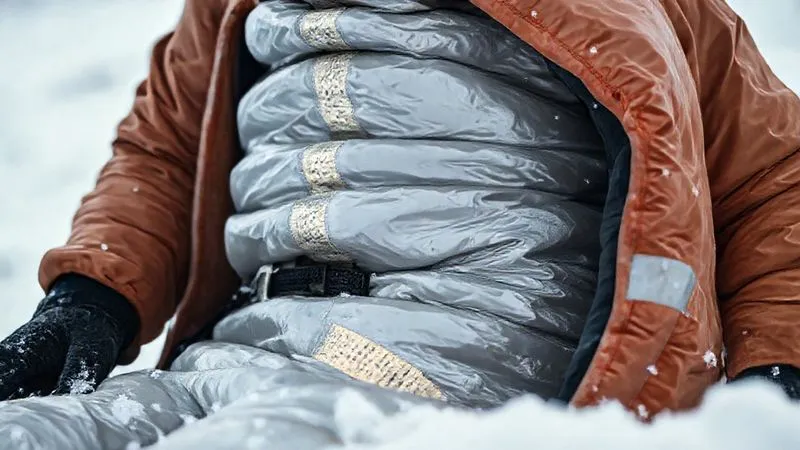
Creating a Microclimate: The Hypothermia Wrap
The hypothermia wrap is a cornerstone of field treatment for severe cases. It's designed to create a protected, insulated microclimate around the patient, trapping any generated body heat and preventing further loss. This technique is recognized by organizations like the Wilderness Medical Society as a critical intervention.
- Ground Insulation: Lay down a thick layer of insulation (sleeping pad, backpack, rope, natural debris) to separate the client from the cold ground.
- Vapor Barrier: Place a large, waterproof vapor barrier (emergency bivy, large garbage bag, tarp) over the ground insulation. This will prevent moisture from evaporating from the client's body and condensing in the insulation.
- Inner Dry Layers: If possible, dress the client in dry base layers.
- Insulation Layers: Place generous amounts of dry insulation (sleeping bags, puffy jackets, extra clothes) on top of and around the client. Ensure insulation is under them as well.
- Outer Vapor Barrier: Bring the edges of the vapor barrier up and over the client, sealing them in. This traps warm, moist air and prevents convective heat loss.
- Head and Neck Protection: Cover the head and neck, leaving only the face exposed for breathing. Much heat is lost through the head.
- Gentle Handling: Throughout this process, handle the client with extreme gentleness to avoid triggering cardiac arrhythmias.
Gentle Rewarming Techniques: What Works and What Doesn't
While stopping heat loss is the primary goal, gentle rewarming can also be attempted, but with extreme caution. The body of a severely hypothermic patient is in a delicate state, and aggressive rewarming can be dangerous, potentially leading to 'afterdrop' (a further drop in core temperature as cold blood from the extremities returns to the core) or cardiac arrest.
External vs. Internal Rewarming Considerations
In the field, our options for rewarming are limited to passive external rewarming (PER) and very cautious active external rewarming (AER). Active internal rewarming (like warm IV fluids) is strictly a hospital-level intervention. Your focus should be on helping the body rewarm itself slowly and safely.
Applying Passive External Rewarming (PER)
PER involves maximizing insulation and allowing the body's own metabolic heat production to rewarm the core. The hypothermia wrap is the most effective form of PER. If the client is conscious and able to swallow, offer warm, sweet liquids (not hot, and avoid alcohol or caffeine). Sugars provide fuel for metabolism, and warmth from the drink can provide a small internal heat boost. Place chemical heat packs (not directly on skin, always wrapped) in areas where major arteries are close to the surface: armpits, groin, and neck.
Critical Warning: Never rub or vigorously massage a severely hypothermic patient. This can force cold, acidic blood from the extremities back to the core, potentially triggering a fatal cardiac event. Also, avoid placing heat packs directly on the skin to prevent burns, as the client's sensation is compromised.
Here's a comparison of safe and unsafe rewarming methods in the field:
| Method | Description | Safety | Effectiveness |
|---|---|---|---|
| Passive External Rewarming (PER) | Insulate, shelter, warm, dry clothing. Warm, sweet drinks if conscious. | High (Primary field method) | Slow but safe |
| Active External Rewarming (AER) - Limited Field Use | Chemical heat packs (armpits, groin, neck), hot water bottles (well-insulated). | Moderate (Risk of burns, afterdrop if misused) | Faster, but requires caution |
| Alcohol/Caffeine | Do NOT administer. Vasodilator (alcohol), diuretic (caffeine) worsen heat loss. | Very Low (Dangerous) | Negative |
| Vigorous Rubbing/Massage | Do NOT perform. Can push cold blood to core, causing 'afterdrop' or cardiac arrest. | Very Low (Dangerous) | Negative |
Emergency Evacuation and Communication Protocols
For a client showing signs of severe hypothermia, field treatment is a temporizing measure. Definitive care requires a hospital setting. Therefore, initiating an emergency evacuation is paramount and should be done concurrently with immediate field treatment.
Calling for Help: Satellite Devices and Emergency Services
Your satellite communication device (satellite phone, personal locator beacon (PLB), or satellite messenger like an inReach) is your lifeline. Activate it immediately. Provide clear, concise information: your exact location (GPS coordinates), the nature of the emergency (severe hypothermia), the number of patients, their condition, and any immediate hazards. Be prepared to follow instructions from rescue coordinators. If you are in an area with cell service, call local emergency numbers (e.g., 911 in North America).
Preparing for Transport
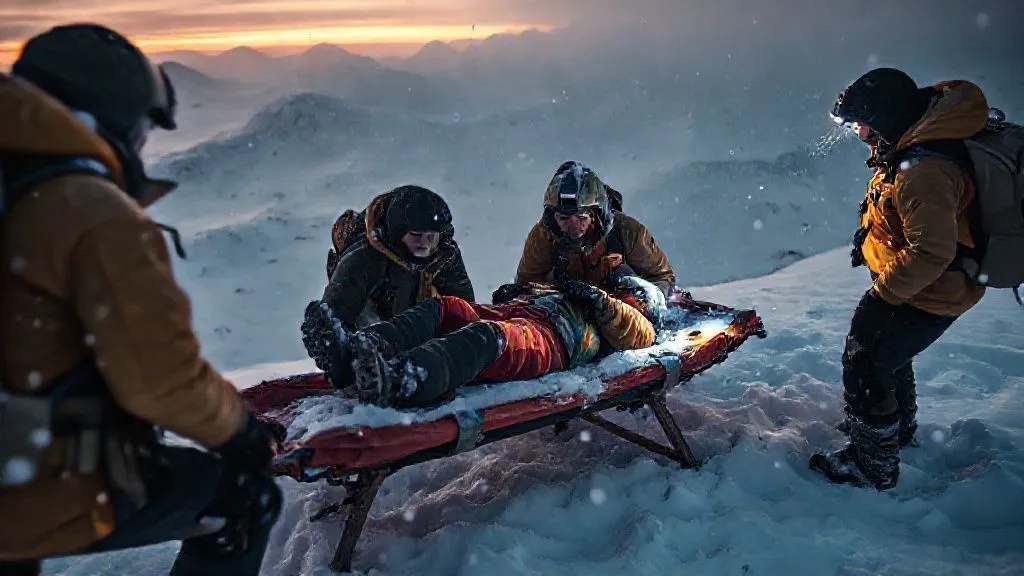
If evacuation involves movement, extreme care is necessary. Keep the patient in a horizontal position to prevent 'rescue collapse' (a sudden drop in blood pressure when moved to an upright position). Protect them from jostling and vibrations, which can also trigger cardiac arrhythmias. Maintain the hypothermia wrap throughout transport. If possible, use a specialized rescue litter or sled designed for patient transport in difficult terrain. The goal is to get the patient to advanced medical care as smoothly and quickly as possible without causing further harm.
Case Study: The Ridge Traverse Emergency
During a challenging early-season ridge traverse in the Canadian Rockies, my group encountered an unexpected whiteout, and temperatures plummeted. One client, despite being well-equipped, started showing signs of severe hypothermia: confusion, slurred speech, and eventually, unresponsiveness. We were hours from the trailhead. I immediately initiated a full hypothermia wrap, ensuring she was completely insulated from the elements and the cold ground. Crucially, I activated our satellite communicator, providing precise GPS coordinates and a detailed assessment of her condition. Despite the remote location, clear, consistent communication with rescue services allowed for a rapid helicopter extraction within three hours. The client made a full recovery, which medical professionals attributed directly to the immediate and correct field treatment, followed by swift, gentle evacuation. This highlights the indispensable role of both expert field care and reliable communication in such critical scenarios.
Post-Incident Care and Debriefing
The incident doesn't end when the client is evacuated. There are crucial steps for both the guide and the remaining group, as well as for future preparedness. Post-incident care is essential for processing the event and learning from it.
Monitoring and Continued Support
Once the client is in professional medical care, your role shifts. However, if you are with other group members, continue to monitor them for any signs of cold stress or psychological impact. Ensure they are warm, fed, and hydrated. Provide opportunities for them to discuss what happened, offering reassurance and support. Remember, a traumatic event for one can be traumatic for all.
Psychological First Aid for Client and Guide
Dealing with a severe hypothermia incident is incredibly stressful. Both the client (once recovered) and the guide may experience post-traumatic stress. Encourage the client to seek counseling. For yourself, it's vital to debrief with fellow guides, mentors, or mental health professionals. Don't carry the burden alone. Professional organizations often offer resources for guides who have experienced critical incidents.
- Formal Debriefing: Conduct a thorough review of the incident with your guiding organization or team.
- Emotional Support: Seek support for yourself and offer it to your group members.
- Documentation: Document everything: symptoms, interventions, timings, communication logs. This is vital for learning and potential legal purposes.
- Review and Update Protocols: Use the experience to refine your personal and organizational emergency action plans.
Prevention is Paramount: Mitigating Hypothermia Risk
While knowing what to do when a snowshoeing client shows signs of severe hypothermia is critical, the ultimate goal is to prevent it from ever reaching that stage. Proactive risk management and diligent client care are the hallmarks of an experienced guide.
Pre-Trip Planning and Client Briefing
Prevention starts long before you hit the trail. Thorough pre-trip planning includes meticulously checking weather forecasts, understanding the terrain, and evaluating the group's fitness and experience levels. A comprehensive client briefing is non-negotiable. I always review the 'Ten Essentials,' emphasizing proper layering (moisture-wicking base, insulating mid-layers, waterproof/windproof outer shell), adequate nutrition (high-energy snacks), and hydration (warm drinks in insulated bottles). I stress the importance of speaking up if they feel cold, tired, or unwell, fostering an open communication environment.
Continuous Monitoring and Risk Assessment On-Trail
On the trail, your eyes and ears must always be attuned to your clients. Look for subtle changes: shivering, stumbling, slurred speech, confusion, or unusual quietness. Ask open-ended questions: "How are you feeling?" "Are you warm enough?" "Have you had enough water and snacks?" Regularly check for cold hands and feet. Monitor group pace, ensuring no one is overexerting themselves or falling behind. Be proactive in suggesting extra layers or a snack break before problems arise. Remember, the early signs of hypothermia are often subtle and can easily be mistaken for fatigue or mild discomfort.

Essential Gear for Hypothermia Management
Your pack isn't just for your lunch and water; it's a mobile emergency kit. Having the right gear specifically for hypothermia management can make all the difference when a snowshoeing client shows signs of severe hypothermia.
The "What If" Kit
Beyond your standard first aid kit, I always carry a dedicated 'hypothermia kit.' This includes items specifically chosen to prevent and treat cold emergencies. It's an investment in safety that I never regret. This gear should be easily accessible and in good working order.
Here's a checklist of essential gear for hypothermia prevention and treatment:
| Item | Purpose | Quantity |
|---|---|---|
| Emergency Bivy/Shelter | Vapor barrier, wind/water protection | 1 per person (or group) |
| Extra Insulation Layers | Dry, warm clothing (down/synthetic puffy jacket, pants) | 1 full set |
| Chemical Heat Packs | Targeted heat application to core areas | 4-6 large packs |
| Satellite Communicator/PLB | Emergency communication, GPS tracking | 1 per group |
| First Aid Kit (Comprehensive) | Address other injuries, medical needs | 1 per group |
| High-Energy Food/Drink | Fuel metabolism, warm liquids | Sufficient for emergency |
Having these items readily available and knowing how to use them effectively is a critical component of your preparedness. Don't just pack them; practice deploying them. A dry run of setting up a hypothermia wrap or activating your satellite device can be invaluable.
Frequently Asked Questions (FAQ)
Can I give alcohol to warm someone up who is severely hypothermic? Absolutely not. Alcohol causes vasodilation, which makes the blood vessels near the skin surface expand, giving a false sense of warmth while actually accelerating heat loss from the core. It also impairs judgment and can worsen dehydration. It is detrimental and potentially fatal in hypothermia.
What's the difference between mild and severe hypothermia in terms of treatment in the field? For mild hypothermia (shivering, conscious, able to self-regulate), active rewarming like warm drinks, extra layers, and light exercise to generate heat can be effective. For severe hypothermia (cessation of shivering, unresponsiveness, rigidity), the focus shifts entirely to stopping further heat loss (hypothermia wrap), gentle passive rewarming, and immediate, careful evacuation to definitive medical care. Active rewarming in the field for severe cases carries significant risks.
How long do I have to initiate treatment for severe hypothermia before it's too late? Time is absolutely critical when a snowshoeing client shows signs of severe hypothermia. Every minute counts. You must initiate life-saving interventions immediately upon recognition. The longer the core temperature remains dangerously low, the higher the risk of severe complications, including cardiac arrest and irreversible organ damage. Act decisively and without delay.
What if the client is unconscious and refuses to cooperate with treatment? In an emergency situation where a client is unconscious or severely impaired by hypothermia, implied consent applies. As a guide, you have a legal and ethical obligation to provide life-saving care. Prioritize their safety and initiate all necessary interventions, including insulation, shelter, and calling for emergency evacuation, even if you cannot obtain explicit consent.
Is it safe to move a severely hypothermic person? Moving a severely hypothermic person carries significant risks, primarily the potential for 'afterdrop' or 'rescue collapse' due to sudden changes in blood pressure or cardiac arrhythmias. Movement should be minimized. Only move the patient if absolutely necessary for their safety (e.g., out of immediate danger, to a more sheltered spot, or for evacuation). If movement is required, do so with extreme gentleness, keeping them horizontal, and maintaining the hypothermia wrap.
Key Takeaways and Final Thoughts
- Early Recognition is Key: Learn to identify the subtle signs of hypothermia before it becomes severe.
- Stop Heat Loss Immediately: Your primary goal is to prevent further core temperature drops with insulation and shelter.
- Master the Hypothermia Wrap: This technique is your most powerful tool in the field.
- Gentle Rewarming: Employ passive external rewarming and avoid aggressive methods that can be dangerous.
- Communicate and Evacuate: For severe hypothermia, definitive medical care is essential. Activate emergency services without delay.
- Prevention is Your Best Strategy: Diligent planning, client briefing, and continuous monitoring are paramount.
- Gear Matters: Carry a dedicated hypothermia kit and know how to use its contents.
As guides and outdoor leaders, we carry an immense responsibility. The ability to act decisively and competently when a snowshoeing client shows signs of severe hypothermia is not just a skill; it's a moral imperative. By internalizing these protocols, continuously updating your knowledge, and fostering a culture of preparedness, you not only enhance safety but also embody the true spirit of outdoor leadership. Stay vigilant, stay trained, and always be ready to make a difference when it counts the most. Your expertise is their lifeline.
Recommended Reading
- Unlock the Secrets: Your Ultimate Guide to Sustainable Volunteer Trips
- Mastering Meals: How to Prepare Food for Long Train Journeys with Ease
- All Aboard! The Best Railway Museums for Kids in the UK Revealed
- Master Your First White Water Rafting Trip: Essential Prep Guide
- 7 Thrilling Extreme Sports: Master Safety & Maximize Adventure

Your email address will not be published. Required fields are marked *