

What to Do When Camera Batteries Die Quickly in Sub-Zero Shoots?
For over two decades navigating the world's most breathtaking, and often brutal, winter landscapes, I've seen countless photographers, from seasoned pros to enthusiastic amateurs, fall victim to the silent killer of any sub-zero shoot: the rapidly draining camera battery. It’s a frustrating, often heartbreaking experience to line up that perfect shot of a snow-capped peak or a fleeting wildlife moment, only for your camera to flicker and die, leaving you with nothing but a cold, heavy paperweight.
The problem isn't just an inconvenience; it's a fundamental challenge rooted in battery chemistry and the unforgiving physics of cold. Lithium-ion batteries, the workhorses of modern cameras, are particularly susceptible to extreme temperatures, losing voltage and capacity at an alarming rate when the mercury plummets. This isn't a defect; it's a characteristic, and understanding it is the first step toward conquering it.
In this definitive guide, I'll draw upon my extensive experience in winter sports photography to arm you with a comprehensive arsenal of strategies. We'll explore everything from pre-shoot preparations and on-location hacks to specialized gear and emergency solutions, ensuring you not only mitigate battery drain but also maximize your photographic opportunities, even in the most brutal cold. You'll learn actionable frameworks, real-world case studies, and expert insights that will transform your winter photography experience.
Understanding the Cold Challenge: Why Batteries Fail You in Winter
Before we dive into solutions, let's understand the enemy. It's not just that batteries 'don't like' the cold; there's a specific scientific reason behind their rapid demise. At its core, a battery generates electricity through chemical reactions. In lithium-ion batteries, ions move between the anode and cathode through an electrolyte. When temperatures drop significantly, the electrolyte becomes more viscous, impeding the movement of these ions.
This increased internal resistance means the battery has to work harder to deliver the same amount of power, leading to a phenomenon known as 'voltage sag' and a dramatic reduction in its effective capacity. What might be a fully charged battery at room temperature could register as half-empty or even dead in sub-zero conditions, even if its actual chemical energy isn't fully depleted. The camera's internal electronics, designed to operate within a specific voltage range, simply shut down when the voltage drops too low, regardless of the remaining charge.
Expert Insight: Your camera battery isn't necessarily 'dead' in the cold; it's often just 'dormant.' Warming it up can revive it, but prevention is always better than cure in the field.
Proactive Power Management: Before You Even Leave Home
The battle against cold-induced battery drain begins long before you set foot in the snow. Proper preparation is paramount, and it involves more than just packing extra batteries. It's about optimizing their condition and understanding their limits.
- Fully Charge All Batteries: This sounds obvious, but ensure every single battery, including spares, is fully charged right before your departure. A battery that's only partially charged will succumb to the cold much faster than one topped off to 100%.
- Condition Your Batteries: If you have older batteries, consider cycling them a few times (fully charge, fully discharge, then fully charge again) to help recalibrate their internal monitors. This can sometimes improve their cold-weather performance slightly, though it won't defy physics.
- Invest in High-Quality, OEM Batteries: While third-party batteries can be tempting due to price, Original Equipment Manufacturer (OEM) batteries often have superior internal components and protection circuits that handle temperature fluctuations better. In my experience, the slight cost saving isn't worth missing critical shots. According to DPReview's cold weather battery tips, OEM batteries generally offer more reliable performance.
- Carry More Spares Than You Think You Need: My rule of thumb for extreme cold is at least three times the number of batteries I'd typically use in temperate conditions. If a normal day uses two, I'll pack six. This buffer is crucial when batteries are performing at 30-50% of their rated capacity.
On-Location Strategies: Keeping Batteries Warm in the Field
Once you're out there, actively managing battery temperature is your most effective defense. This is where practical, field-tested techniques come into play.
The 'Body Heat' Method: Your Best Friend in the Cold
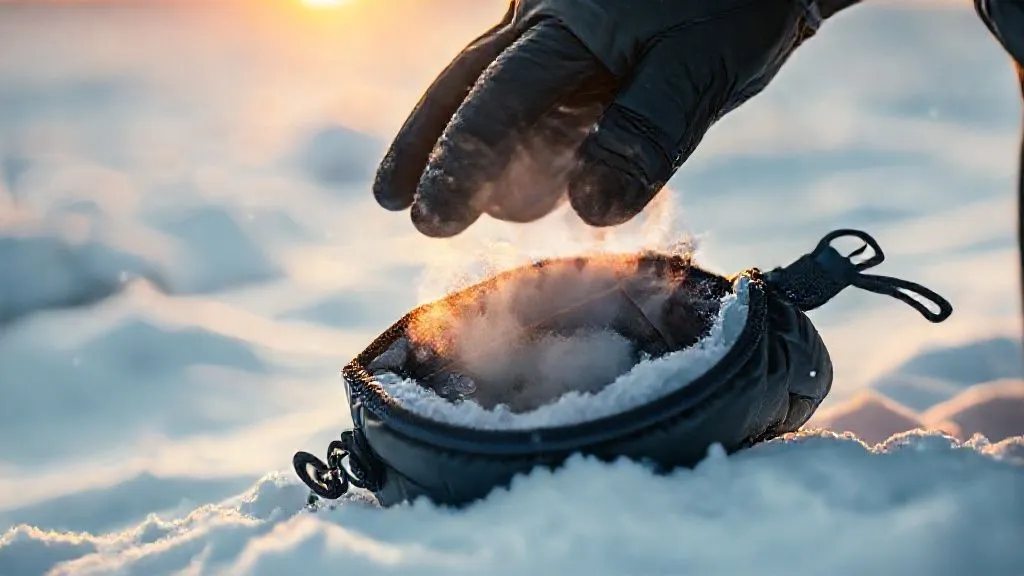
This is my number one tip, and it's remarkably simple yet incredibly effective. Your body is a natural heater. Keep spare batteries close to your body, ideally in an inner jacket pocket, against your chest or stomach. The goal is to maintain them as close to room temperature as possible for as long as possible.
When a battery in your camera starts to falter, swap it out for a warm one from your pocket. Place the 'dead' battery back into your warm pocket. Often, after 15-30 minutes of warming, it will regain enough charge to be usable again. This rotation strategy is a game-changer.

Insulated Pouches and Battery Holders
Beyond body heat, specialized gear can provide an extra layer of protection. Insulated battery pouches or cases, often made with neoprene or similar materials, can help slow down the rate at which batteries lose heat. While they won't generate heat, they'll act as a barrier against the biting cold.
- Neoprene sleeves: Affordable and effective for individual batteries.
- Small insulated camera bags: Can hold multiple batteries and even your camera body when not in use.
- Hand warmers: Chemical hand warmers can be placed in an insulated pouch with your spare batteries to provide active heat. Just ensure they don't directly contact the battery terminals.
Minimize Exposure to the Elements
When your camera isn't actively in use, keep it protected. This means storing it in your bag, preferably an insulated one, or even under your jacket if feasible. Every moment the battery is exposed to sub-zero temperatures, it's losing precious charge. Limit the time your camera is out in the open to only when you're actively shooting.
The Right Gear: Insulated Cases and Dummy Batteries
Sometimes, simply keeping spare batteries warm isn't enough, especially for prolonged shoots or specialized equipment like external monitors or motorized sliders. This is where more advanced gear comes into play.
External Power Banks and Dummy Batteries
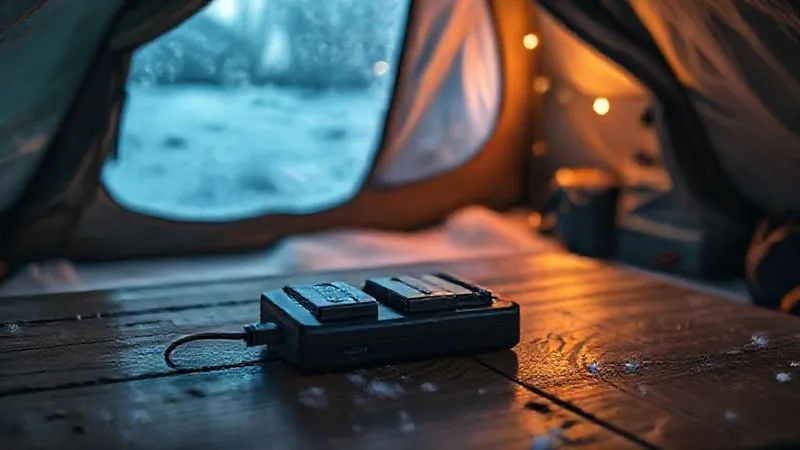
For cameras that support it, using a dummy battery connected to a robust external power bank can be a lifesaver. These power banks, often high-capacity USB-C PD (Power Delivery) units, can be kept warm inside your jacket, feeding constant power to your camera via the dummy battery. This effectively moves the primary power source away from the cold camera body.
When selecting an external power bank for cold weather, look for models with:
| Feature | Recommendation |
|---|---|
| Capacity | 20,000mAh or higher for prolonged use |
| Output | USB-C PD (Power Delivery) with appropriate voltage for your camera's dummy battery |
| Durability | Ruggedized, weather-sealed options are a plus |
| Temperature Rating | Some power banks specify operating temperatures; aim for those with lower limits |
Always test your dummy battery and power bank setup at home before relying on it in the field.
Heated Battery Grips and Wraps
Some advanced photographers and videographers invest in heated battery grips or custom-made heated wraps that can be powered by external sources. These are niche solutions but can be incredibly effective for specific setups, like time-lapse photography where a camera might be exposed for hours.
Charging in Extreme Cold: Best Practices
What if you're on a multi-day expedition and need to recharge your batteries? Charging in sub-zero conditions presents its own set of challenges and risks. Improper charging can damage batteries or significantly shorten their lifespan.
Bring Batteries to Room Temperature Before Charging
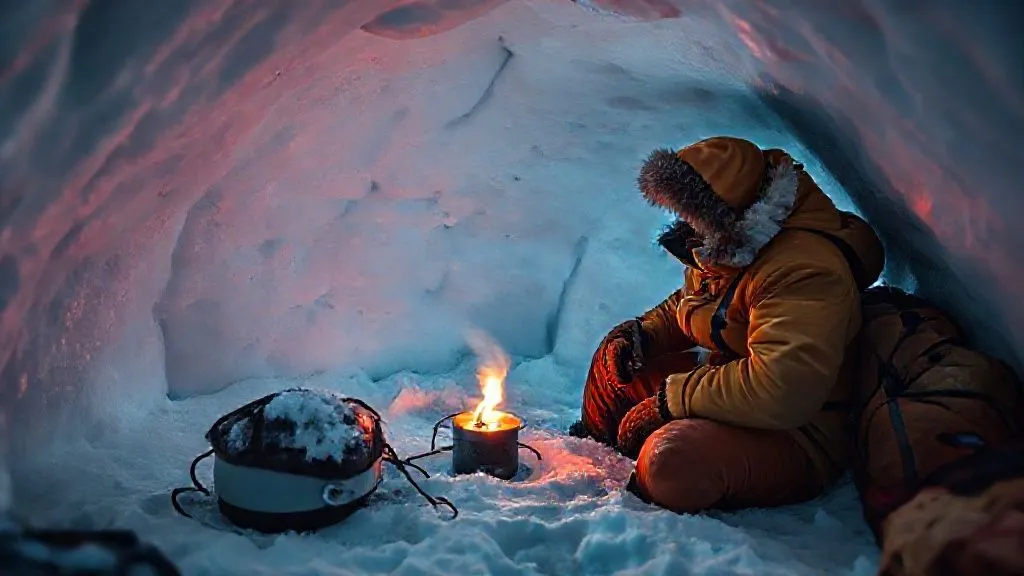
Never attempt to charge a frozen or extremely cold battery immediately. The chemical reactions involved in charging are sensitive to temperature. Charging a cold lithium-ion battery can lead to 'lithium plating,' where metallic lithium forms on the anode, permanently reducing capacity and potentially leading to safety issues. Always bring batteries indoors or into a heated environment (tent, cabin, vehicle) and allow them to warm up for at least an hour before connecting them to a charger. Battery University provides excellent insights into the effects of temperature on charging.
Use a Reliable Charger and Power Source
Ensure your charger is functioning correctly and your power source is stable. If relying on portable generators or solar panels in remote locations, monitor the voltage and current to prevent overcharging or undercharging, which can be detrimental in any condition, but especially after cold exposure.
Battery Types and Performance: What Works Best?
While most modern cameras use Lithium-ion (Li-ion) batteries, understanding their specific characteristics and potential alternatives can be beneficial.
Lithium-ion (Li-ion)
- Pros: High energy density, lightweight, no memory effect, generally good performance in moderate cold (down to 0°C/32°F).
- Cons: Significant capacity loss below freezing, charging issues at low temperatures, sensitive to extreme heat and cold.
Nickel-Metal Hydride (NiMH) - For Flashes and External Accessories
- Pros: Better low-temperature discharge characteristics than older NiCd batteries, widely available.
- Cons: Still suffer capacity loss in extreme cold, self-discharge rate is higher than Li-ion, heavier.
While Li-ion is standard for camera bodies, NiMH batteries (especially low self-discharge 'LSD' types like Eneloops) can be excellent for external flashes, remote triggers, or other accessories that might need to operate independently in the cold. Their performance degradation in cold, while present, can sometimes be less severe than Li-ion for certain applications.
Emergency Solutions and Field Hacks
Despite all the preparation, sometimes you find yourself in a bind. Here are a few last-ditch efforts and clever hacks to get you through.
Case Study: The Arctic Wildlife Photographer's Dilemma
Case Study: How an Arctic Photographer Saved the Shot
Dr. Lena Karlsson, a wildlife photographer specializing in polar bears, was on a remote expedition in Svalbard. A sudden, unexpected drop in temperature to -30°C (-22°F) caused her primary camera battery to die prematurely, just as a mother bear and cubs appeared. Panic set in. Recalling my advice, she immediately swapped the 'dead' battery for a spare she had tucked deep into her insulated mittens. While shooting with the newly inserted warm battery, she placed the 'dead' one back into her inner jacket pocket, against her core. After about 20 minutes, as the new battery began to show signs of weakening, she retrieved the first battery. To her relief, it had warmed sufficiently to provide another 10-15 minutes of shooting time, allowing her to capture the crucial interaction. This rotation, combined with vigilant body warming, allowed her to extend her effective shooting time by nearly an hour, proving that even a seemingly dead battery can be revived with warmth.
The 'One-Shot' Revival
If a battery is completely dead and you absolutely need one more shot, try removing it from the camera and vigorously rubbing it between your gloved hands for 30-60 seconds. The friction generates a small amount of heat, sometimes enough to momentarily boost the voltage for a quick burst of activity. It's not a long-term solution, but it can save a critical moment.
Power Down Completely Between Shots
Modern cameras often have quick start-up times. If you're not actively composing a shot, powering down your camera completely, rather than just letting it go into standby, can conserve a surprising amount of battery life. The internal electronics consume power even in standby mode, and that power draw is exacerbated in the cold.
Post-Shoot Care: Extending Battery Life Beyond the Cold
The care you give your batteries after a cold shoot is just as important as the preparation. Proper post-shoot care ensures longevity and consistent performance.
- Gradual Warming: When returning from extreme cold, avoid immediate drastic temperature changes. If possible, place your camera bag (with batteries inside) in a cooler, unheated area (like a garage or vestibule) for an hour or two before bringing it into a warm room. This prevents condensation from forming inside the camera and on battery terminals, which can lead to corrosion or short circuits.
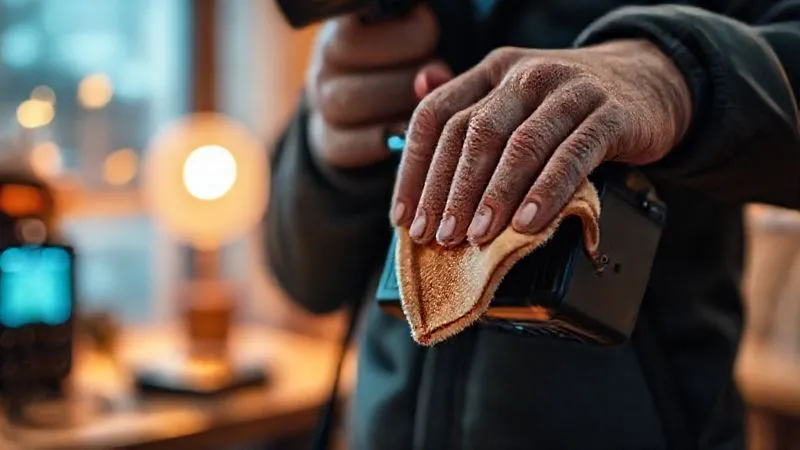
- Inspect and Clean: Once at room temperature, inspect battery terminals for any moisture, dirt, or corrosion. Clean them gently with a dry cloth or a cotton swab dipped in rubbing alcohol if necessary.
- Store Properly: For long-term storage, charge Li-ion batteries to about 50-60% capacity. Storing them fully charged or fully depleted can degrade their performance over time. Store them in a cool, dry place, away from direct sunlight.
- Monitor Health: Keep an eye on the health of your batteries. Many cameras have a battery health indicator in their menu. Replace batteries that show significant degradation, as they will be the first to fail in challenging conditions.
Frequently Asked Questions (FAQ)
Q: Can leaving batteries in a cold car overnight permanently damage them? A: While it's not ideal, a single night in a cold car generally won't permanently damage modern Li-ion batteries. However, it will significantly reduce their immediate capacity and performance until they warm up. Repeated exposure to freezing temperatures, especially combined with charging while cold, can accelerate degradation. Always aim to keep them above freezing if possible, and definitely warm them before charging.
Q: Is it safe to use chemical hand warmers directly on batteries? A: It's generally safe to use chemical hand warmers to warm batteries, but never let them come into direct contact with the battery's terminals or the battery itself if it's not well-insulated. The direct heat can sometimes be too intense and uneven, potentially causing issues. Always place the hand warmer in an insulated pouch alongside the batteries, allowing the ambient warmth to permeate.
Q: Do some camera brands perform better with batteries in the cold than others? A: While there might be minor differences in battery chemistry and camera power management systems across brands, the fundamental physics of lithium-ion batteries in cold temperatures apply universally. All brands will experience significant battery drain in sub-zero conditions. The key differentiator is often the photographer's preparedness and adherence to cold-weather best practices, rather than an inherent brand advantage.
Q: How can I tell if a battery is truly dead or just cold? A: The primary indicator is whether it regains charge/functionality after warming up. A battery that registers as 'dead' in the cold but then shows a significant charge level or allows the camera to operate after being warmed to room temperature was likely just experiencing cold-induced voltage sag. A truly dead battery (at the end of its life cycle) will not hold a charge or function even at optimal temperatures.
Q: What about using power banks for mirrorless cameras that can charge via USB-C? A: This is an excellent strategy! Many modern mirrorless cameras can be powered or charged directly via USB-C PD. Keeping a high-capacity USB-C PD power bank warm in your jacket and connecting it to your camera allows the camera to draw power from the warm source, significantly extending shooting time. Ensure your power bank can deliver the necessary voltage and current for your specific camera model. B&H Photo's guide on battery care often highlights such modern solutions.
Key Takeaways and Final Thoughts
- Preparation is Power: Always charge all batteries fully and carry ample spares, preferably OEM.
- Body Heat is Your Best Friend: Keep spare batteries in warm inner pockets and rotate them frequently.
- Insulate and Protect: Use insulated pouches and minimize camera exposure to the cold.
- Consider External Power: Dummy batteries and warm, high-capacity power banks can offer continuous power.
- Charge Smart: Always warm batteries to room temperature before charging to prevent damage.
Mastering winter photography means mastering your power source. The biting cold is an undeniable adversary, but with the right knowledge, preparation, and on-location tactics, you can ensure your camera remains a powerful tool for capturing the stunning beauty of frozen landscapes, rather than a frustrating paperweight. Embrace these strategies, and you'll find yourself not just surviving the cold, but thriving in it, bringing home incredible images that others might miss due to a simple, preventable battery failure. Go forth, stay warm, and keep shooting!
Recommended Reading
- Tube Smart: Essential Safety Rules for Snow Tubing Hills You MUST Know
- Reclaim Your Zen: A 7-Day Solo Road Trip Itinerary to Combat Burnout
- 7 Proven Strategies to Deliver Authentic Cultural Depth at Historical Sites
- 7 Strategic Detox Hacks: Boost Health, Not Burnout, Stay Productive
- 7 Clever Hacks: Budget Meals for Long-Term Travel with No Kitchen




Your email address will not be published. Required fields are marked *