


Introduction: What to do when iconic city attractions are fully booked?
For over 15 years in the travel industry, specializing in crafting unforgettable city breaks, I've witnessed a common, disheartening scenario: travelers arriving in a dream city, only to find the very attractions that drew them there – be it the Eiffel Tower, the Colosseum, or the Sagrada Familia – are completely booked out. It’s a gut punch, a moment where meticulously planned itineraries crumble, and the excitement of exploration gives way to frustration.
This isn't just a minor inconvenience; it's a significant pain point for countless travelers. The rise of global tourism, coupled with increasingly sophisticated online booking systems and a post-pandemic surge in demand, means that securing a spot at world-famous landmarks requires more than just good intentions. It demands foresight, flexibility, and a strategic approach, especially during peak seasons.
But here’s the good news: a fully booked attraction doesn't mean a ruined trip. In fact, it can be an unexpected gateway to deeper, more authentic experiences. In this definitive guide, I’ll share my seasoned frameworks, battle-tested strategies, and insider insights to not only navigate this challenge but to transform it into an opportunity. You’ll learn how to find last-minute openings, discover incredible alternatives, and ultimately, craft a city break that’s richer and more memorable than you initially imagined.
The Unforeseen Challenge: Why Iconic Spots Get Booked Out
Understanding the root causes behind fully booked attractions is the first step towards mitigating the problem. It’s not just bad luck; it’s a confluence of factors that have reshaped modern tourism.
Understanding Peak Season & Limited Capacity
Every major city has its peak seasons – summer holidays, national celebrations, or major festivals. During these times, visitor numbers surge dramatically, overwhelming the fixed capacity of popular sites. Many historical landmarks, for preservation reasons, have strict limits on how many people can enter at once. This finite space, combined with immense demand, creates a perfect storm for sold-out tickets.
The Rise of Advance Booking Culture
The internet has made travel planning incredibly accessible, but it has also fostered a culture of advance booking. Websites, apps, and even third-party tour operators now allow travelers to secure their spots months in advance. While convenient, this means that by the time many casual planners start looking, especially for high-demand slots, the best options are already gone.
"In my experience, waiting until you arrive in a city to book its most sought-after attractions is akin to showing up at a sold-out concert hoping for a miracle. Proactive planning isn't just advisable; it's essential for a stress-free city break."
Proactive Planning: Your First Line of Defense
While this article focuses on what to do when things are *already* booked, a robust proactive strategy can prevent the situation entirely. This is where my expertise truly shines – anticipating issues before they arise.
Early Bird Catches the Worm: Booking Windows
For truly iconic attractions like the Vatican Museums or the Sagrada Familia, booking windows often open 2-3 months in advance, sometimes even earlier. As an industry specialist, I always advise clients to identify their must-see attractions and research their specific booking policies immediately after confirming travel dates. Set calendar reminders!
Flex Your Schedule: Mid-Week & Off-Peak Hours
If your travel dates allow, consider visiting during the shoulder season (spring or autumn) rather than peak summer. Within your trip, prioritize popular attractions on Tuesdays, Wednesdays, or Thursdays. Furthermore, aim for the very first entry slot of the day or the last one before closing. These times often have fewer crowds and, consequently, slightly better availability.
- Identify Must-See Attractions: List the top 3-5 iconic sites crucial to your city experience.
- Research Booking Policies: For each, find out their official website, typical booking window, and cancellation policy.
- Set Reminders & Book Immediately: As soon as your booking window opens, purchase your tickets. Don't procrastinate, especially for timed entry slots.
- Consider Flexi-Passes: Sometimes city passes offer priority entry or broader availability, though often at a premium. Weigh the cost against convenience.
Strategic Alternatives: Unearthing Hidden Gems and Local Favorites
When the main event is off the table, the truly savvy traveler pivots. This is where the magic of discovery happens, transforming potential disappointment into genuine delight.
Beyond the Postcard: Discovering Neighborhood Charms
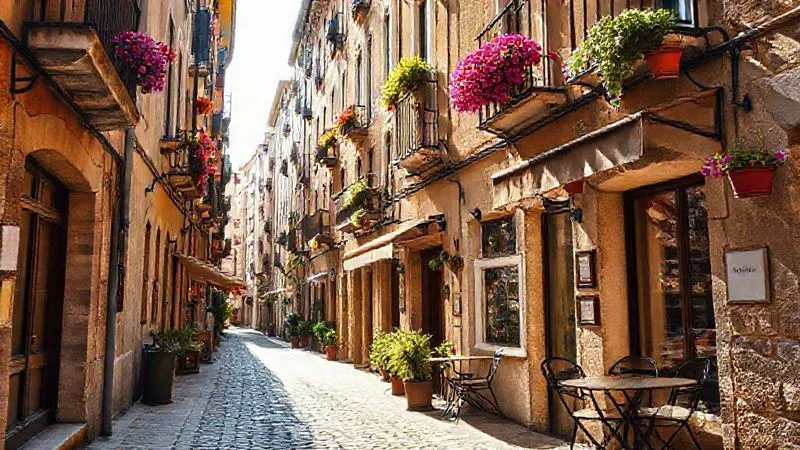
Every major city is a mosaic of distinct neighborhoods, each with its own character, history, and often, lesser-known attractions. Instead of lamenting a missed museum, dive into a vibrant district. Explore its local shops, cafes, and street art. You might discover a charming piazza, a unique gallery, or a historical building that offers a more intimate glimpse into the city's soul than its crowded counterparts.
Embrace Local Culture: Markets, Parks, and Community Events
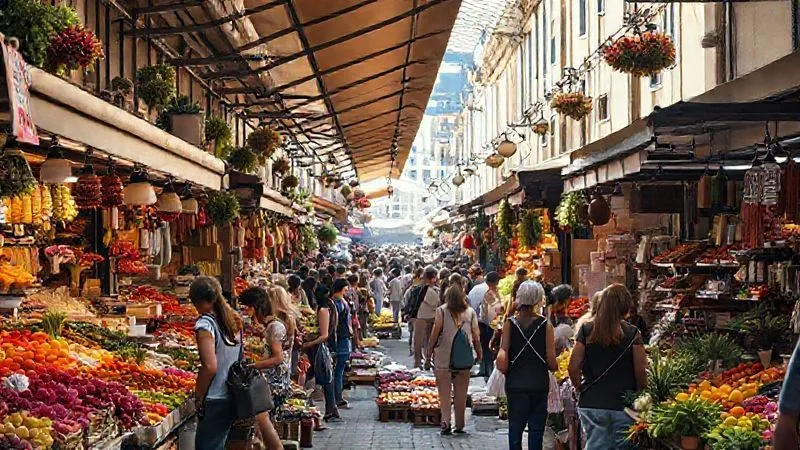
Many of the most enriching travel experiences don't require a ticket. City parks (like Central Park in New York or Hyde Park in London) are often masterpieces of landscape architecture and offer a peaceful escape. Local markets (such as La Boqueria in Barcelona or Borough Market in London) are sensory feasts, providing insight into local life and cuisine. Check local event listings for free concerts, festivals, or art installations happening during your visit.
- Independent Art Galleries: Often showcase local talent and offer a more personal experience than grand museums.
- Historic Churches & Cathedrals: Many are free to enter or have a small donation fee, offering breathtaking architecture and history without the immense crowds of paid attractions.
- Panoramic Viewpoints: Seek out lesser-known hills, public gardens, or even rooftop bars that offer stunning cityscapes without the queue of a dedicated observation deck.
- Public Libraries: Grand city libraries are often architectural marvels, offering a quiet, inspiring retreat.
The "Standby" Strategy: Last-Minute Opportunities
While not guaranteed, there are tactical ways to snag a spot at a popular attraction even when it appears fully booked. This requires patience, persistence, and a bit of luck.
Cancellations and Waitlists: A Game of Patience
Many online booking systems have cancellation policies that free up tickets close to the date. Continuously check the official website of the attraction, especially in the days and hours leading up to your desired time slot. Some venues also offer official waitlists or standby lines for no-shows. It's worth inquiring directly at the ticket counter early in the morning.
Early Mornings & Late Evenings: Beating the Crowds
Even if online tickets are sold out, some attractions reserve a small number of tickets for walk-ins, particularly right when they open or close. Arriving 30-60 minutes before opening can put you at the front of a potential standby queue. Similarly, visiting an hour or two before closing might allow entry after the main rush has subsided, though your time inside will be limited.
Case Study: How Sarah & Tom Salvaged Their Paris Trip
Sarah and Tom, a couple from Seattle, arrived in Paris excited to visit the Louvre, only to find all online tickets for their desired days completely sold out. Instead of giving up, they employed a multi-pronged approach. First, they checked the Louvre's official website obsessively for cancellations. On their third day, a 9 AM slot for two suddenly appeared due to a last-minute group cancellation, which they immediately snatched up. Separately, for the Eiffel Tower, also fully booked, they decided to visit its base early one morning. While they couldn't ascend, they discovered a charming, less-crowded park nearby (Parc du Champ de Mars) where they enjoyed a picnic with spectacular views of the tower, a unique memory they wouldn't have had otherwise. This flexibility and persistence turned potential disappointment into a memorable adventure, proving that even when iconic attractions are fully booked, alternative experiences can be just as rewarding.
Leveraging Technology: Apps, Alerts, and Local Guides
In our digital age, technology can be a powerful ally in navigating sold-out situations. From real-time alerts to connecting with local experts, your smartphone can unlock opportunities.
Real-Time Availability Trackers
Several third-party apps and websites specialize in tracking ticket availability for popular attractions. While some might charge a fee, they can be invaluable for sending alerts when new slots open up. Do your research to ensure they are reputable and connected to official ticketing systems or reliable secondary markets.
Connecting with Local Experts & Tour Guides
Sometimes, local tour operators or private guides have pre-purchased group tickets or special access that isn't available to individual travelers. While this often comes at a higher price, it can be a guaranteed way to experience a booked attraction. Engage with reputable local tourism offices or highly-rated independent guides. As Forbes suggests, "local guides often possess an unparalleled understanding of their city, including how to navigate its busiest attractions." Read more about the benefits of local expertise.
| Strategy | Pros | Cons |
|---|---|---|
| Official Website Check | Direct, no fees, first access to cancellations | Manual, time-consuming, no alerts |
| Third-Party Alert Apps | Automated alerts, saves time | Potential fees, not always real-time, verify legitimacy |
| Local Tour Operators | Guaranteed entry, expert insights, skip-the-line options | Higher cost, fixed schedules |
| On-Site Standby | No advance booking needed, potential for spontaneous entry | No guarantee, long waits, very early start required |
Immersive Experiences: Dive Deeper Than Just Sightseeing
Beyond simply *seeing* a city, consider *experiencing* it. When iconic attractions are fully booked, this approach often yields the most profound and personal memories.
Culinary Adventures: Cooking Classes & Food Tours
Food is the heart of any culture. A cooking class offers a hands-on experience, teaching you local recipes and traditions, often culminating in a delicious meal. Food tours, on the other hand, guide you through local markets and eateries, introducing you to regional specialties and hidden culinary gems you might never find on your own. These are fantastic ways to engage with locals and understand the city's gastronomic soul.
Art & History Beyond the Main Museums
While the Louvre is monumental, many cities boast numerous smaller, specialized museums, art galleries, or historical sites that are equally fascinating but far less crowded. Think about a museum dedicated to a specific craft, a historical figure, or a particular period of the city's past. These niche venues often provide a more focused and intimate learning experience. Look for street art tours, architectural walks, or even ghost tours that reveal a different side of the city's history.
- Local Workshops: Learn a traditional craft like pottery, weaving, or even calligraphy.
- Live Music & Performing Arts: Attend a local concert, theater performance, or a traditional dance show.
- Language Exchange Meetups: A great way to practice a new language and meet locals.
- Volunteer Opportunities: For longer stays, contributing to a local cause can be incredibly rewarding.

Rethinking Your Itinerary: Flexibility is Key
A rigid itinerary is often the enemy of a truly transformative travel experience. When faced with fully booked attractions, embrace the opportunity to be spontaneous and flexible.
Themed Walks and Self-Guided Tours
Many cities offer excellent self-guided walking tours focusing on specific themes – architecture, literary history, street art, or even film locations. Download an app or pick up a map from the tourist office. This allows you to explore at your own pace, discover hidden details, and enjoy the city's atmosphere without the pressure of a timed entry ticket. Websites like Rick Steves' Europe offer a wealth of free audio tours and walking guides.
Day Trips to Nearby Towns or Natural Wonders
If the main city attractions are proving elusive, consider escaping the urban core for a day. Many major cities are excellent hubs for exploring charming smaller towns, historical sites, or beautiful natural landscapes within an hour or two's train ride. This can offer a refreshing change of pace and reveal a different facet of the region you're visiting. For instance, from Rome, consider a day trip to Tivoli's Hadrian's Villa and Villa d'Este, or from London, a visit to Windsor Castle or the Cotswolds.
"True travel often begins when you step off the well-trodden path. A fully booked attraction is an invitation to explore the unexpected, to let the city surprise you, and to embrace the serendipitous discoveries that often become the most cherished memories."
Maximizing Value: Free and Low-Cost Experiences
A fantastic city break doesn't have to break the bank, especially when you're looking for alternatives to expensive, booked-out attractions.
Parks, Public Art, and Panoramic Views
Virtually every major city boasts magnificent public parks, perfect for leisurely strolls, people-watching, or a simple picnic. Many also feature extensive public art installations, sculptures, and murals that are free to admire. Seek out natural viewpoints – hills, bridges, or public terraces – that offer stunning panoramic views without the ticket price of a dedicated observation deck. These experiences provide immense value and a true sense of place.
Free Walking Tours and Open-Air Markets
Many cities offer 'free' walking tours (tip-based) that are led by passionate local guides. These tours are an excellent way to get an overview of a neighborhood, learn about its history, and get insider recommendations. Open-air markets, as mentioned before, are not only great for culinary exploration but also offer vibrant cultural experiences without an entry fee. They are living museums of local life and commerce.
| Experience Type | Examples | Cost |
|---|---|---|
| Parks & Gardens | Hyde Park (London), Central Park (NYC), Boboli Gardens (Florence) | Free |
| Public Art & Architecture | Street art districts, historical building exteriors, public sculptures | Free |
| Free Walking Tours | Sandemans New Europe (various cities), local volunteer guides | Tip-based |
| Local Markets | Borough Market (London), La Boqueria (Barcelona), Rialto Market (Venice) | Free to browse, pay for purchases |
| Window Shopping & People-Watching | Champs-Élysées (Paris), Ginza (Tokyo), Fifth Avenue (NYC) | Free |
The Power of Local Insight: Engaging with Residents
In my years of travel, I've consistently found that the most memorable moments often come from interactions with locals. When attractions are booked, these connections become even more invaluable.
Asking for Recommendations: Cafes, Shops, Viewpoints
Don't be afraid to strike up a conversation with a barista, a shop owner, or even a friendly stranger in a park. Locals often know the best hidden cafes, the most authentic restaurants, the shops with unique souvenirs, or the quietest spots for a stunning view. They can offer insights that no guidebook or travel blog can provide. Harvard Business Review emphasizes the power of asking for advice, and this holds true for travel too.
Community Boards and Local Events Calendars
Many neighborhoods have community boards in cafes, libraries, or public squares advertising local events, concerts, markets, or workshops. Similarly, online local events calendars (often found on city tourism websites or local news sites) can reveal a wealth of activities happening during your visit that are off the main tourist radar. These are often less crowded and offer a more authentic glimpse into the city's cultural pulse.
Frequently Asked Questions (FAQ)
Q: Is it ever possible to get tickets on the day for popular attractions? A: While highly unlikely for peak times at top-tier attractions like the Colosseum or Anne Frank House, it's not impossible. Some attractions reserve a small quota for walk-ins, particularly right at opening or towards closing. Your best bet is to arrive very early (30-60 minutes before opening) or inquire about standby options or last-minute cancellations directly at the ticket counter. Persistence and flexibility are key, but there's no guarantee.
Q: How far in advance should I book city break attractions? A: For the most iconic and high-demand attractions, I recommend booking immediately after your travel dates are firm, ideally 2-3 months in advance. Some popular spots, like the Vatican Museums or specific opera performances, can open bookings even earlier. For less critical but still popular sites, 4-6 weeks should suffice. Always check the official website for specific booking windows.
Q: What if I'm traveling with a large group and everything is booked? A: Traveling with a large group (typically 8+ people) actually gives you a different avenue. Many attractions have dedicated group booking departments or tour operator allocations. It's often worth contacting the attraction directly or working with a specialized group travel agent who might have access to blocks of tickets not available to individual travelers. Be prepared for potentially higher costs or specific group entry times.
Q: Are there specific times of year when attractions are less busy? A: Generally, the shoulder seasons (April-May and September-October) offer a sweet spot with pleasant weather and fewer crowds than the peak summer months. Winter, outside of major holidays like Christmas and New Year's, can also see significantly fewer tourists, though weather conditions might be less ideal for outdoor activities. Mid-week visits are always less busy than weekends.
Q: How can I avoid tourist traps when looking for alternatives? A: To avoid tourist traps, prioritize authenticity. Look for places frequented by locals – cafes that aren't exclusively in major squares, markets where residents shop, and restaurants with menus primarily in the local language. Read reviews from multiple sources (not just major travel sites) and seek recommendations from hotel staff or genuine locals. Be wary of places with aggressive touts or those offering 'authentic experiences' that feel overly staged.
Key Takeaways and Final Thoughts
- Proactive Planning is Paramount: Book iconic attractions months in advance to avoid disappointment.
- Embrace Flexibility: A fully booked spot is an opportunity to discover something new and unexpected.
- Seek Local Alternatives: Dive into neighborhoods, local markets, and smaller museums for authentic experiences.
- Leverage Technology: Use apps and alerts for last-minute openings, but always verify legitimacy.
- Engage with Locals: Their insights are invaluable for finding hidden gems and authentic experiences.
- Value Free & Low-Cost: Parks, public art, and walking tours offer rich experiences without the price tag.
The frustration of finding iconic city attractions fully booked is a modern traveler's rite of passage. However, as a veteran in this field, I can assure you it's also an invitation to redefine your travel narrative. Instead of a checklist of famous landmarks, view it as a chance to immerse yourself more deeply in the city's true character. By adopting these expert strategies – from diligent planning to embracing serendipity and local insights – you won't just salvage your trip; you'll elevate it, creating memories that are uniquely yours, far beyond the well-trodden paths of the usual tourist circuit. Happy travels, and may your next city break be filled with wonderful, unexpected discoveries!
Recommended Reading
- Client Crisis at Altitude: 7 Steps for Acute Sickness Mid-Summit
- 7 Critical Strategies: Safeguarding Clients on Extreme Remote Wildlife Safaris
- Unlock Your Alpine Adventure: The Ultimate Packing Guide for Hut Trips
- 7 Pillars: Designing Impactful Cultural Immersion for Executive Travel
- 7 Proven Cruise Activities to Combat Executive Burnout Effectively





Your email address will not be published. Required fields are marked *