

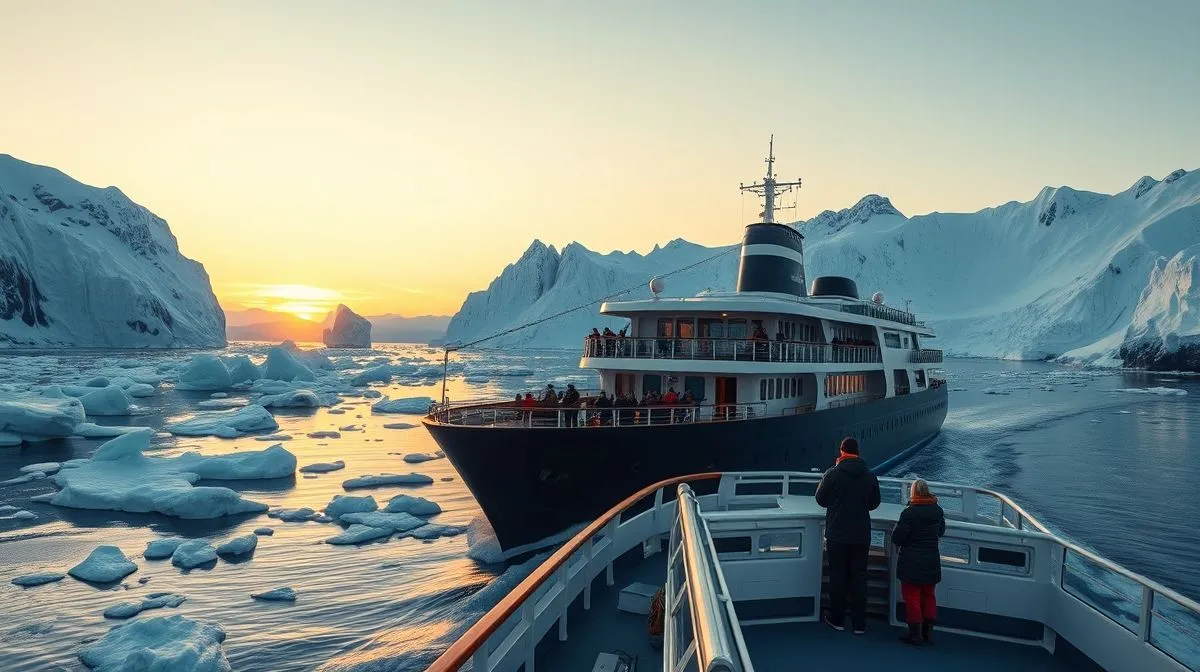
What to Expect on a Polar Expedition Cruise?
Imagine standing on a ship's deck, the crisp, clean air filling your lungs, as towering icebergs drift silently by, their surfaces shimmering with hues of blue and white. Perhaps a curious penguin waddles into view, or the majestic silhouette of a polar bear appears on a distant ice floe. This isn't just a vacation; it's an immersion into the planet's most pristine and powerful wildernesses.
For many, the idea of venturing to the ends of the Earth, to the Arctic or Antarctic, remains a distant dream shrouded in mystery. The unknown can be daunting, leading to questions about safety, comfort, daily activities, and the very nature of such an extreme journey. How does one prepare for a world defined by ice and remote beauty?
This comprehensive guide will demystify the polar expedition experience, equipping you with exactly what to expect on a polar expedition cruise. From the moment you step aboard to the incredible encounters awaiting you, we'll cover every facet, ensuring you embark on your adventure feeling confident, prepared, and utterly thrilled.
The Unique Appeal of Polar Expeditions
Polar expeditions are not your typical cruise. They are journeys of discovery, designed for those who seek profound experiences, unparalleled natural beauty, and a deep connection with the wild. Unlike conventional cruises that focus on amenities and entertainment, expedition cruises prioritize exploration and education.
Beyond the Ordinary Vacation
A polar expedition offers a unique blend of adventure, education, and breathtaking scenery. It's an opportunity to visit places few people ever see, to witness landscapes that feel otherworldly, and to experience the raw power of nature up close. These trips are characterized by their flexibility, adapting to weather and wildlife opportunities to maximize your experience.
- Intimate Experience: Smaller ships mean fewer passengers, fostering a sense of community and providing more personalized attention.
- Expert Guides: Onboard naturalists, historians, and scientists provide insightful lectures and accompany excursions, enriching your understanding of the polar regions.
- Active Exploration: Daily Zodiac cruises, kayaking, hiking, and even polar plunges are common activities, allowing for active engagement with the environment.
The Call of the Wild: Wildlife Encounters
One of the primary draws of a polar expedition is the opportunity to observe incredible wildlife in their natural habitats. The anticipation of a sighting adds an exciting dimension to every day.
- Arctic: Expect to see polar bears, various whale species (bowhead, beluga, narwhal), walruses, seals, and a diverse array of seabirds like puffins and guillemots.
- Antarctic: The Antarctic is renowned for its vast penguin colonies (Adélie, Chinstrap, Gentoo, Emperor), seals (Weddell, Leopard, Crabeater), and numerous whale species (humpback, minke, orca).
- Ethical Viewing: All wildlife encounters are conducted with the utmost respect for the animals and their environment, following strict guidelines to minimize disturbance.
Choosing Your Polar Destination: Arctic vs. Antarctic
While both polar regions offer incredible experiences, they have distinct characteristics. Understanding these differences is key to choosing the destination that best aligns with your interests.
The Arctic: Realm of Polar Bears and Indigenous Cultures
The Arctic is an ocean surrounded by continents, encompassing parts of Canada, Greenland, Norway, Russia, and Alaska. It's a region of dramatic fjords, vast tundra, and scattered human settlements, including vibrant indigenous communities. The best time to visit is typically from June to September.
- Key Wildlife: Polar bears are the iconic residents, alongside walruses, seals, and various whale species.
- Cultural Immersion: Some itineraries include visits to remote Inuit or Sámi communities, offering insights into their unique cultures and traditions.
- Landscape: Features dramatic coastlines, volcanic landscapes (Iceland, Svalbard), and extensive sea ice.
The Antarctic: Pristine Wilderness and Penguin Colonies
Antarctica is a continent surrounded by ocean, a land of unparalleled desolation and beauty. It is the coldest, driest, and highest continent on Earth, with no permanent human residents. The expedition season runs from November to March, coinciding with the Antarctic summer.
- Key Wildlife: Dominated by penguins (millions!), seals, and whales, often seen in vast numbers.
- Untouched Nature: A truly pristine environment, with massive ice sheets, towering glaciers, and dramatic volcanic islands.
- Scientific Presence: Home to numerous international research stations, highlighting its importance for global climate studies.
Life Aboard a Polar Expedition Vessel
The ship serves as your floating base camp, your home away from home in one of the world's most remote environments. Expedition vessels are purpose-built for navigating icy waters, offering both comfort and functionality.
Ship Amenities and Comforts
While not luxury liners, expedition ships are comfortable and well-equipped. Cabins range from cozy to spacious, often with private bathrooms and ocean views. Common areas include dining rooms, observation lounges, lecture theaters, and sometimes even small gyms or saunas.
- Dining: Meals are typically hearty and delicious, designed to fuel your adventures. Most dietary requirements can be accommodated.
- Lectures and Education: Daily lectures by the expedition team cover topics like glaciology, marine biology, history, and photography, enhancing your understanding of the regions.
- Observation Decks: Ample outdoor deck space and large windows in public areas ensure you never miss a moment of the passing scenery or wildlife.
Daily Routines and Expedition Activities
Days on a polar expedition cruise are dynamic and flexible, dictated by weather, ice conditions, and wildlife sightings. There's no fixed itinerary, which is part of the adventure.
- Mornings: Often begin with a wake-up call and breakfast, followed by the first excursion of the day, typically a Zodiac cruise or a shore landing.
- Afternoons: May include another excursion, a series of lectures, or time for relaxation and observation from the ship.
- Evenings: Feature a recap of the day's sightings and activities, a briefing on the next day's plans, dinner, and social time.
- Zodiac Cruising: Small, inflatable boats are used to navigate close to icebergs, glaciers, and wildlife, offering incredible photo opportunities.
- Shore Landings: Opportunities to step foot on remote islands or the polar continent itself, often involving short hikes or walks among penguin colonies.
- Optional Activities: Many ships offer additional activities like kayaking, paddleboarding, camping ashore, or even scuba diving, often at an extra cost.
Safety Protocols and Environmental Stewardship
Safety is paramount on polar expeditions. Ships are equipped with advanced navigation systems, ice-strengthened hulls, and highly trained crews. Passengers receive thorough briefings on safety procedures, Zodiac operations, and cold-weather precautions.
Equally important is the commitment to environmental protection. Expedition operators adhere to strict guidelines established by organizations like the International Association of Antarctic Tour Operators (IAATO) and the Association of Arctic Expedition Cruise Operators (AECO). These guidelines ensure minimal human impact on the fragile polar ecosystems.
- Biosecurity: Strict protocols are in place to prevent the introduction of non-native species, including thorough cleaning of outer gear before and after landings.
- Wildlife Disturbance: Maintaining safe distances from wildlife, avoiding sudden movements, and never feeding animals are fundamental rules.
- Waste Management: Expedition ships operate under stringent waste management policies, aiming for zero discharge in polar waters.
Essential Packing for Extreme Environments
Packing for a polar expedition requires careful consideration. The key is to be prepared for varying conditions, from relatively mild to extremely cold, wet, and windy. Layering is crucial.
Layering System: The Key to Warmth
A three-layer system is recommended to stay warm and dry:
- Base Layer: Wicking material (wool or synthetic) that pulls moisture away from your skin. Avoid cotton.
- Mid-Layer: Provides insulation (fleece jacket, down vest). You might wear one or two mid-layers depending on the temperature.
- Outer Layer: Waterproof and windproof jacket and pants. Many expedition companies provide a complimentary expedition parka, which is often sufficient as your outer shell.
Specialized Gear and Footwear
Beyond clothing, certain specialized items are essential for comfort and safety:
- Waterproof Boots: Knee-high rubber boots are critical for wet landings and walking through slush or shallow water. These are often provided by the ship.
- Warm Hat, Gloves, and Neck Gaiter: Essential for protecting extremities from the cold and wind. Bring multiple pairs of gloves.
- Thermal Socks: Wool or synthetic socks are best.
- Sun Protection: Despite the cold, the sun's reflection off snow and ice can be intense. Bring high-SPF sunscreen, lip balm with SPF, and good quality sunglasses (polarized are best).
- Waterproof Bag: For protecting cameras and electronics during Zodiac transfers.
Photography Equipment Tips
The polar regions offer unparalleled photographic opportunities. Protect your gear from the cold and moisture.
- Extra Batteries: Cold weather drains batteries quickly. Keep spares in an inside pocket to keep them warm.
- Lens Cloths: For wiping off spray or condensation.
- Camera Protection: A waterproof cover or bag is highly recommended for Zodiac cruises.
Navigating the Unpredictable: Weather and Itinerary Flexibility
The polar regions are dynamic environments, and conditions can change rapidly. This unpredictability is a defining feature of expedition travel and requires a flexible mindset.
Understanding Polar Weather Patterns
Weather in the Arctic and Antarctic is notoriously variable. You might experience calm, sunny days followed by strong winds, snow, or fog within hours. Temperatures, while cold, are often more moderate than people expect, especially during the summer months when expeditions operate. For instance, Antarctic Peninsula summer temperatures often hover around freezing, not extreme negatives. According to data from the National Oceanic and Atmospheric Administration (NOAA), polar weather is significantly influenced by ocean currents and sea ice extent, leading to localized and rapid shifts.
The Expedition Leader's Role in Adaptability
Your Expedition Leader is a highly experienced professional responsible for crafting the daily itinerary. They constantly monitor weather forecasts, ice charts, and wildlife reports, making real-time decisions to ensure the best possible experience while prioritizing safety.
- Daily Briefings: The Expedition Leader provides regular updates on the plan for the day, explaining why certain changes might be made.
- Embrace the Unexpected: A sudden change in plan often leads to an even more incredible experience, like an unexpected whale sighting or a detour to a rarely visited cove.
- Safety First: All decisions are made with the safety of passengers, crew, and the ship as the absolute top priority.
Responsible Tourism in Fragile Ecosystems
Visiting the polar regions comes with a profound responsibility to protect these pristine and fragile environments. Expedition operators and passengers alike play a crucial role in ensuring these areas remain unspoiled for future generations.
Minimizing Your Environmental Footprint
Every action, no matter how small, can have an impact. Expedition companies are committed to sustainable practices, and passengers are educated on how to contribute.
- Leave No Trace: Pack out everything you pack in. Nothing should be left behind on shore.
- Stay on Designated Paths: Protect delicate vegetation and nesting sites by sticking to marked routes during shore landings.
- Respect Wildlife: Maintain recommended distances from animals, never feed them, and avoid making loud noises.
Guidelines for Wildlife Interaction
The privilege of observing polar wildlife in their natural habitat comes with strict guidelines to ensure their well-being and your safety.
- Maintain Distance: Always keep a respectful distance from all wildlife. Your guides will enforce minimum distances, often 5 meters for penguins and seals, and 20 meters for larger animals.
- No Feeding: Never attempt to feed any animals.
- Observe, Don't Interfere: Allow animals to behave naturally. If an animal approaches you, remain still and let it pass.
The Post-Expedition Reflection: A Transformative Journey
While the journey itself is filled with incredible moments, the true impact of a polar expedition often resonates long after you've returned home. It's an experience that transcends mere sightseeing, fostering a deeper appreciation for our planet's wild places.
Many describe their polar journey as life-changing. Witnessing the raw beauty, the sheer scale of the ice, and the resilience of polar wildlife can evoke a profound sense of awe and responsibility. You'll return not just with photographs and memories, but with a renewed commitment to environmental stewardship and a broadened perspective of the world.
The stories you'll share, the knowledge you've gained, and the connections you've made with fellow travelers and the expedition team will become cherished parts of your personal narrative. A polar expedition cruise is more than a trip; it's an investment in an unforgettable adventure that will inspire and educate.
Frequently Asked Questions (FAQ)
How cold does it get on a polar expedition cruise? While it's cold, it's often not as extreme as people imagine, especially during the summer expedition seasons. In the Antarctic Peninsula, summer temperatures typically range from -2°C to 5°C (28°F to 41°F). Arctic temperatures vary more but are generally similar or slightly warmer in coastal areas during summer. Proper layering is key to staying comfortable.
Is a polar expedition cruise safe for all ages? Most expedition cruises are suitable for a wide range of ages, provided participants are in good general health and have reasonable mobility. There are no age restrictions, but passengers should be able to navigate stairs, embark/disembark Zodiacs, and handle potentially uneven terrain on shore. Always check with the specific cruise operator for their recommendations.
What kind of wildlife can I expect to see? In the Arctic, expect polar bears, seals, walruses, various whale species (e.g., beluga, narwhal), and numerous seabirds. In the Antarctic, you'll primarily see vast colonies of penguins (Adélie, Gentoo, Chinstrap, Emperor), various seal species (e.g., Weddell, Crabeater, Leopard), and whales (e.g., humpback, minke, orca). Wildlife sightings are never guaranteed but are very common.
Do I need prior expedition experience? No, prior expedition experience is not required. The expedition team will provide all necessary briefings, safety instructions, and guidance for all activities. A spirit of adventure and an open mind are the most important prerequisites.
What's the best time to go? For the Antarctic, the season runs from November to March (southern hemisphere summer), with December-February offering the warmest weather and peak wildlife activity. For the Arctic, the season is typically June to September (northern hemisphere summer), with July-August being ideal for wildlife viewing and warmer temperatures.
Recommended Reading
- Unlock Cheap Train Travel: How to Journey Without a Rail Pass!
- Unlock Your City Break: Maximize Sightseeing & See More!
- Unlock Your Impact: Ultimate Guide to Environmental Volunteering Prep
- All Aboard! The Best Railway Museums for Kids in the UK Revealed
- Unveiling the Secret: How Geodomes Conquer Extreme Weather for Glamping
Conclusion
Embarking on a polar expedition cruise is a journey unlike any other. It’s an opportunity to witness the raw, untamed beauty of our planet's most remote regions, to encounter incredible wildlife in their natural habitats, and to connect with a community of like-minded adventurers. Understanding what to expect on a polar expedition cruise – from the shipboard life and daily activities to the essential packing and the dynamic nature of the environment – will empower you to fully embrace every moment of this transformative experience. Go forth, explore, and let the majesty of the poles forever change your perspective.


Your email address will not be published. Required fields are marked *