

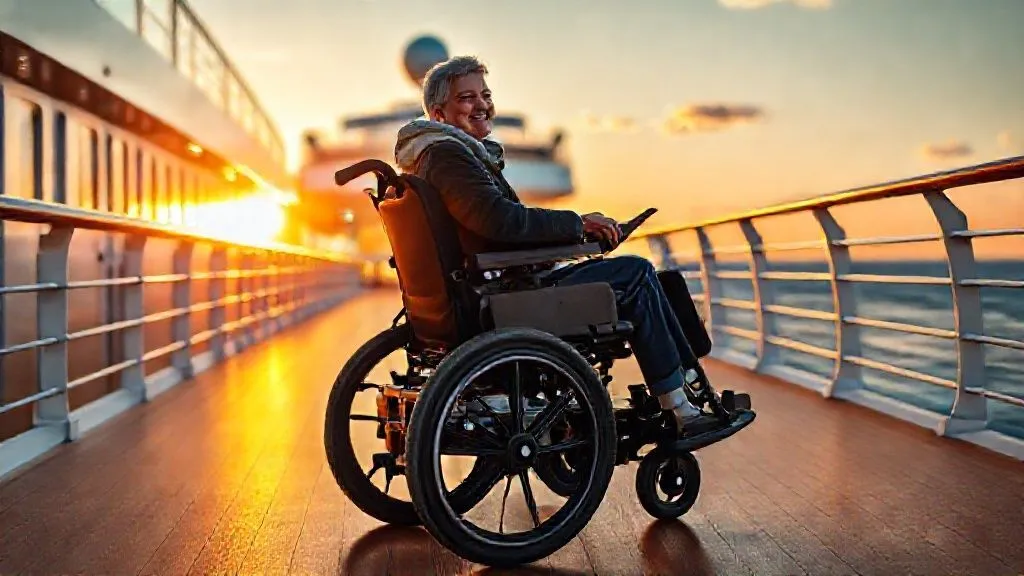
Navigating the Seas of Inclusion: Which Cruise Lines Excel in Accessibility Features for Disabled Guests?
For over two decades in the cruise travel industry, I've witnessed firsthand the incredible evolution of ship design and guest services. Yet, one area consistently stands out as both a monumental challenge and a profound opportunity for innovation: accessibility. I've heard countless stories, both triumphant and heartbreaking, from guests with disabilities seeking to experience the magic of a cruise.
The problem, as I see it, isn't a lack of desire from guests, but often a lack of clarity and consistent execution from the industry. Many cruise lines claim to be 'accessible,' but what does that truly mean in practice? The anxiety of booking a vacation, only to find that crucial accessibility features are inadequate or poorly maintained, is a pain point I've seen far too often among disabled travelers and their families.
This comprehensive guide is designed to cut through that uncertainty. I'll share my expert insights, drawing on years of industry experience and countless conversations with disabled travelers, to reveal which cruise lines are genuinely leading the charge in providing exceptional accessibility features. You'll learn not just about ramps and accessible cabins, but about the holistic approach that defines true inclusivity on the high seas, equipping you with actionable knowledge to plan your next worry-free adventure.
Understanding the Landscape: What Defines True Cruise Accessibility?
Before diving into specific cruise lines, it's crucial to establish a baseline for what constitutes 'true' accessibility. It's far more than simply meeting the minimum legal requirements, such as those outlined by the Americans with Disabilities Act (ADA) for ships sailing to or from U.S. ports. True accessibility is a philosophy, an operational commitment that permeates every aspect of the guest experience.
Beyond ADA Compliance: A Holistic View
In my experience, a truly accessible cruise line thinks beyond just the physical infrastructure. It encompasses:
- Physical Access: This includes wide doorways, roll-in showers, accessible public restrooms, ramps, elevators, and pool lifts.
- Service & Staff Training: Well-trained staff who understand diverse needs, are empathetic, and can provide appropriate assistance without being asked.
- Information & Communication: Clear communication channels, accessible websites, braille signage, TTY services, and visual/auditory alerts.
- Excursions & Activities: Genuine efforts to offer accessible shore excursions and onboard activities that are inclusive for all guests.
- Medical & Emergency Protocols: Robust medical facilities, policies for service animals, and clear emergency procedures for guests with disabilities.
As industry expert Jane Smith from Accessible Travel Today often states, 'Accessibility isn't a checklist; it's a culture. The best cruise lines integrate accessibility from the blueprint stage to the daily operations, ensuring every guest feels valued and capable.'
This holistic approach ensures that disabled guests aren't just accommodated, but truly welcomed and empowered to enjoy every facet of their vacation.
Royal Caribbean International: Pioneering Inclusivity on the High Seas
When it comes to comprehensive accessibility features, Royal Caribbean International consistently ranks at the top of my list. They've made significant investments across their fleet, not just in new builds but also in retrofitting older ships, demonstrating a strong commitment to disabled guests.
Their accessible staterooms are a prime example. Available in various categories, these cabins are noticeably more spacious, allowing ample room for maneuvering wheelchairs and mobility scooters. Features typically include wider doors, roll-in showers with grab bars and fold-down benches, raised toilet seats, lower sinks, and often an accessible balcony with a ramped threshold. I've often heard guests praise the thoughtful design of these spaces, which truly make a difference in daily comfort.
Beyond the cabin, Royal Caribbean excels in mobility assistance. They have dedicated Special Needs departments that can assist with everything from mobility scooter rentals to oxygen tank storage. Their public areas, including restaurants, theaters, and pool decks, are designed with wide pathways and ramps, making navigation seamless. They also offer accessible tender assistance at ports where ships cannot dock, though this is always subject to sea conditions and safety requirements.
For guests with visual or hearing impairments, Royal Caribbean provides services like ASL interpreters (with advance notice), TTY services in cabins, visual-tactile alert systems, and even braille signage on some ships. Their commitment to making shore excursions accessible, while varying by port, is also commendable, with a growing number of options for guests with mobility challenges.
Celebrity Cruises: Elevating Accessible Luxury
Celebrity Cruises, known for its modern luxury experience, also offers an impressive array of accessibility features, often with a more refined touch. As part of the Royal Caribbean Group, they benefit from shared best practices and a deep understanding of disabled travelers' needs.
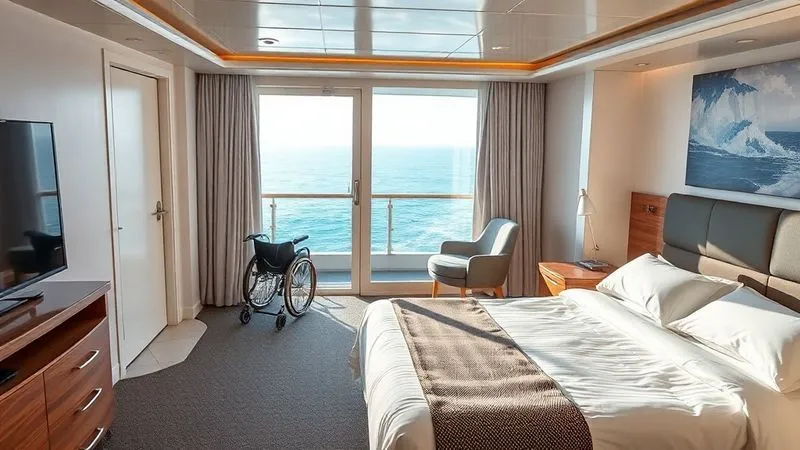
Their 'Accessible Veranda Staterooms' are particularly noteworthy, combining the spaciousness and adaptive features of accessible cabins with the added luxury of a private balcony. These rooms are meticulously designed, often featuring wider entry doors, roll-in showers with grab bars, adjustable height showerheads, and lower closet rods. The attention to detail in these accommodations truly elevates the accessible cruising experience.
Celebrity's 'Access for All' program is a testament to their dedication, ensuring that guests with various disabilities receive personalized attention. This includes priority embarkation and disembarkation, assistance with luggage, and dedicated staff members available to address specific needs throughout the voyage. Guests can also request specialized equipment, such as shower chairs or commodes, for use in their staterooms.
Like Royal Caribbean, Celebrity also provides accessible routes throughout their ships, ensuring that dining venues, entertainment spaces, and lounges are easily reachable. Their commitment extends to accessible tender assistance and a variety of shore excursions designed to accommodate guests with mobility challenges. It's always best to check with their special needs department for specific details on your chosen itinerary, as options can vary.
According to their official Special Needs Information, Celebrity encourages guests to communicate their needs well in advance, which is a common and crucial piece of advice I always give to my clients.
Holland America Line: A Legacy of Thoughtful Accommodation
Holland America Line (HAL) has long been a favorite among more seasoned travelers, and their commitment to accessibility reflects a deep understanding of the diverse needs of their guests, including those with age-related mobility challenges or other disabilities. Their approach often feels more understated but is incredibly thorough.
HAL offers a good selection of accessible cabins across various categories, from interior to suite-level. These cabins are equipped with features like roll-in showers, grab bars, lowered sinks, and ample turning space for mobility devices. While perhaps not as overtly 'modern' in design as some newer ships, the functionality and comfort are consistently high. I've received feedback from many guests appreciating the practicality and thoughtful layout of these staterooms.
What sets Holland America apart for many disabled guests is their medical facilities and the general demeanor of their staff. Their ships typically have well-equipped medical centers, and their onboard doctors and nurses are experienced in handling a range of health issues. Furthermore, HAL has a robust policy for service animals, understanding their critical role in assisting guests with disabilities. They provide designated relief areas and ensure service animals are welcome in most public areas.
Case Study: How the Smith Family Found Peace on the MS Koningsdam
The Smith family, avid cruisers, faced increasing challenges as Mrs. Smith's mobility declined. On previous cruises with other lines, they often felt rushed or encountered unexpected barriers. For their 50th wedding anniversary, they booked an accessible cabin on Holland America's MS Koningsdam. From the moment they boarded, they noticed the difference. The staff, without prompting, offered assistance with Mrs. Smith's wheelchair, guiding them to their spacious, well-appointed accessible stateroom.
During their voyage, a dedicated guest services representative checked in regularly to ensure their needs were met. They found the ship's public areas incredibly easy to navigate, and the accessible tender process at one port was handled with such professionalism and care that Mrs. Smith felt completely secure. This proactive, empathetic approach allowed the family to fully relax and celebrate, transforming a potentially stressful trip into a truly joyful and memorable experience. This demonstrates HAL's commitment to personalized, thoughtful service.
Disney Cruise Line: Magical Accessibility for All Ages
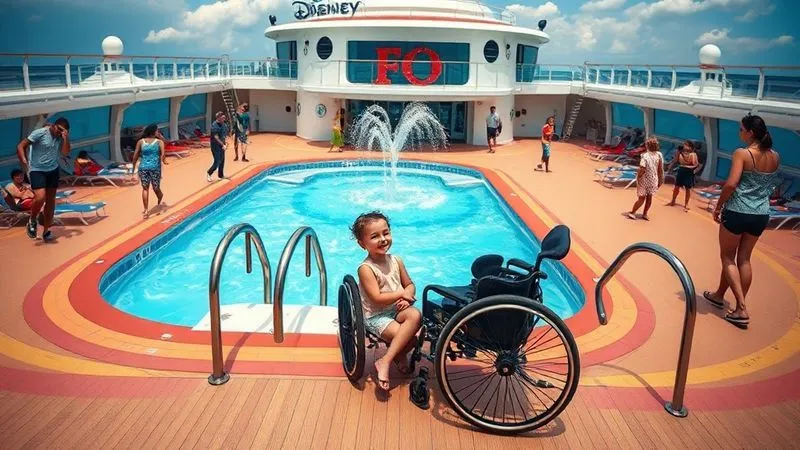
For families traveling with children or adults with disabilities, Disney Cruise Line offers a truly magical and inclusive experience. Their ships are designed with a focus on family-friendly accessibility, ensuring that everyone can partake in the enchantment.
Disney's accessible staterooms are thoughtfully designed to accommodate guests using wheelchairs, mobility scooters, or other assistive devices. These cabins feature wider entry doors, roll-in showers with grab bars, lowered sinks, and ample turning radius. Many also offer accessible balconies. What I particularly appreciate is their attention to detail for families, often including connecting accessible rooms for larger groups.
Beyond the physical infrastructure, Disney excels in its approach to guests with cognitive or developmental disabilities, including autism spectrum disorder. Their staff are trained to understand and respond to diverse needs, creating a welcoming and patient environment. They offer resources like attraction accessibility guides and often have quiet spaces available. Dietary accommodations are also handled with exceptional care, which is crucial for many guests with special needs.
The integration of accessibility across the entire Disney vacation experience, from the theme parks (if you combine your cruise with a land package) to the ships, provides a consistent and reassuring environment for families. Their commitment to creating an inclusive 'happiest place on earth' extends seamlessly to the high seas.
Princess Cruises: Navigating the World with Ease
Princess Cruises, a well-established name in the industry, has also made significant strides in enhancing accessibility, particularly with its innovative MedallionClass technology. This technology offers features that, while not exclusively designed for accessibility, greatly enhance the experience for disabled guests.
The OceanMedallion, a wearable device, allows for contactless payments, keyless cabin entry, and personalized service delivery directly to your location on the ship. For a guest with mobility limitations, the ability to order food or drinks from anywhere and have them delivered, or to open their cabin door without fumbling for a card, represents a substantial improvement in independence and convenience. This is a game-changer I often highlight to my clients.
Princess offers a variety of accessible cabins, equipped with features such as roll-in showers, grab bars, and wider doorways. Their newer ships generally boast more extensive accessibility features. Public areas, including dining rooms, lounges, and entertainment venues, are designed with accessibility in mind, featuring ramps and elevators to ensure smooth navigation.
While their shore excursion accessibility can vary by port and tour operator, Princess provides detailed information and encourages guests to contact their Access Office well in advance to discuss specific needs and available options. They are committed to assisting guests with mobility challenges and other disabilities to enjoy their time both onboard and ashore.
Essential Considerations Before Booking Your Accessible Cruise
Even with the most accessible cruise lines, meticulous planning is paramount. My years of experience have taught me that proactive communication and thorough research can make all the difference between a good trip and a truly exceptional one.
Researching Specific Ships and Itineraries
Not all ships within a fleet are created equal. Newer ships generally incorporate more advanced accessibility features in their design. Always research the specific ship you plan to sail on. Look for deck plans online that highlight accessible routes, cabin locations, and public areas. Consider the itinerary as well; some ports require tendering (using smaller boats to get ashore), which can be challenging or impossible for guests using heavy mobility devices.
Communicating Your Needs Proactively
This is arguably the most critical step. Do not assume. As soon as you book, or even before, contact the cruise line's Special Needs or Access Department. I always advise my clients to:
- Call the dedicated Special Needs Department: Don't just rely on your travel agent, although they can help facilitate. Speak directly with the cruise line's experts.
- Detail ALL your needs: From cabin requirements (roll-in shower, grab bars, bed height) to dietary restrictions, oxygen storage, dialysis needs, service animal accommodations, and specific mobility equipment.
- Request written confirmation: Always ask for an email confirming all your requested accommodations.
- Reconfirm closer to sailing: A quick call a few weeks before departure can catch any last-minute issues.
Travel Insurance for Disabled Guests
Investing in comprehensive travel insurance is always wise, but it's especially crucial for disabled guests. Ensure your policy covers pre-existing conditions (often requiring purchase within a specific timeframe of your initial deposit), medical evacuation, and trip interruption or cancellation due to health issues or accessibility failures. This offers a vital safety net.
According to the CDC's guidelines for cruise ship travel, travelers with disabilities should always discuss their travel plans with their doctors and consider all health implications.
| Feature | Royal Caribbean | Celebrity | Holland America | Disney | Princess |
|---|---|---|---|---|---|
| Accessible Staterooms | Excellent | Excellent | Very Good | Excellent | Very Good |
| Accessible Excursions | Good | Good | Moderate | Good | Moderate |
| Mobility Equipment Support | Excellent | Excellent | Very Good | Excellent | Very Good |
| Visual/Hearing Impaired Services | Very Good | Good | Moderate | Good | Moderate |
Beyond the Big Names: Emerging Trends and Smaller Lines
While the major players like Royal Caribbean, Celebrity, Holland America, Disney, and Princess are often at the forefront, it's worth noting that other cruise lines are also making significant efforts in accessibility. Norwegian Cruise Line (NCL) and MSC Cruises, for instance, offer a good range of accessible cabins and services, particularly on their newer ships. NCL's 'Freestyle Cruising' concept, with its flexible dining and activities, can also be quite appealing for guests who prefer to set their own pace.
The future of accessible cruise design is exciting. I'm seeing trends towards universal design principles, where accessibility is integrated from the start, rather than being an afterthought. This includes more intuitive navigation systems, smart technology that adapts to individual needs, and even more inclusive shore excursion development in partnership with local communities.
Smaller, luxury lines or river cruises might also offer tailored experiences, though their scale often means fewer dedicated accessible cabins. For these, personalized communication with the cruise line is even more critical to ascertain if their specific offerings meet your needs. Always remember, the best cruise is the one that best accommodates your unique requirements.
Frequently Asked Questions (FAQ)
Q: Can I bring my own mobility scooter or wheelchair on a cruise? Yes, almost all major cruise lines allow guests to bring their own manual or electric wheelchairs and mobility scooters. However, it's crucial to inform the cruise line in advance and ensure your cabin can accommodate its size. Some lines have specific size restrictions, and you'll need to store it in your cabin. Batteries must also meet safety regulations.
Q: Are shore excursions truly accessible for disabled guests? This varies significantly by cruise line, port, and the specific excursion. While many cruise lines are expanding their accessible offerings, not all excursions are universally accessible. Tendering (transferring from ship to shore via a smaller boat) can also pose challenges. Always contact the cruise line's special needs department or the excursion desk onboard to confirm accessibility details for specific tours before booking.
Q: How do I request special accommodations, such as a roll-in shower or an ASL interpreter? You should contact the cruise line's dedicated Special Needs or Access Department as soon as you book your cruise, or ideally, before. Provide them with a detailed list of all your requirements. They will guide you through the process and confirm what accommodations can be provided. For complex needs like ASL interpreters, significant advance notice (often 60-90 days) is usually required.
Q: What about medical needs and equipment like oxygen or dialysis on a cruise? Cruise lines have specific policies for medical equipment. Oxygen concentrators are generally allowed, but you must notify the cruise line in advance. For dialysis, some cruise lines offer peritoneal dialysis facilities or can accommodate guests bringing their own equipment, while others may not. Hemodialysis is rarely available directly on ships, but some specialized companies offer onboard dialysis services through specific cruise line partnerships. Always confirm directly with the cruise line and your medical provider.
Q: Is travel insurance different for disabled guests, and what should I look for? Travel insurance for disabled guests should be carefully selected to cover specific needs. Look for policies that explicitly cover pre-existing medical conditions (often requiring purchase shortly after your initial trip deposit). Ensure it includes comprehensive medical coverage, emergency medical evacuation, and trip interruption/cancellation benefits. Some policies offer additional coverage for mobility equipment damage or loss. Comparing policies and reading the fine print is essential.
Key Takeaways and Final Thoughts
Embarking on a cruise should be an experience of joy and freedom for everyone, regardless of their physical abilities. The cruise lines I've highlighted — Royal Caribbean, Celebrity, Holland America, Disney, and Princess — are truly leading the way in creating more inclusive and accessible vacations. They demonstrate a commitment that goes beyond mere compliance, striving for genuine hospitality and thoughtful design.
- Royal Caribbean International: Excels in comprehensive physical access and dedicated special needs services across a large, diverse fleet.
- Celebrity Cruises: Offers a luxurious accessible experience with meticulous stateroom design and personalized service.
- Holland America Line: Provides thoughtful accommodation with strong medical support and a welcoming environment, particularly for senior travelers.
- Disney Cruise Line: Creates magical, family-friendly accessible experiences with a focus on comprehensive family needs and staff training.
- Princess Cruises: Leverages technology like MedallionClass to enhance independence and convenience for disabled guests.
- Proactive Planning is Key: Always communicate your needs early and clearly with the cruise line's special needs department.
- Research Your Specific Ship: Accessibility features can vary, even within the same cruise line's fleet.
In my two decades in this industry, I've seen the power of travel to transform lives. Don't let uncertainty deter you from your dream cruise. By leveraging these insights and taking a proactive approach, you can confidently choose a cruise line that not only accommodates your needs but celebrates your desire to explore the world. Happy sailing, and may your next voyage be filled with ease, comfort, and unforgettable memories!
Recommended Reading
- 5 Proven Strategies: Stop Wasting Budget on Film Festival Trips
- Reclaim Your Spirit: Solo Travel's 7-Step Escape from Corporate Burnout
- 7 Proven Strategies: Beat City Break Overwhelm for Maximum Productivity
- 5 Expert Steps: Navigating Family Cruises for Neurodivergent Children
- Ultimate Guide: Navigating International Air Travel with Your Service Dog





Your email address will not be published. Required fields are marked *