

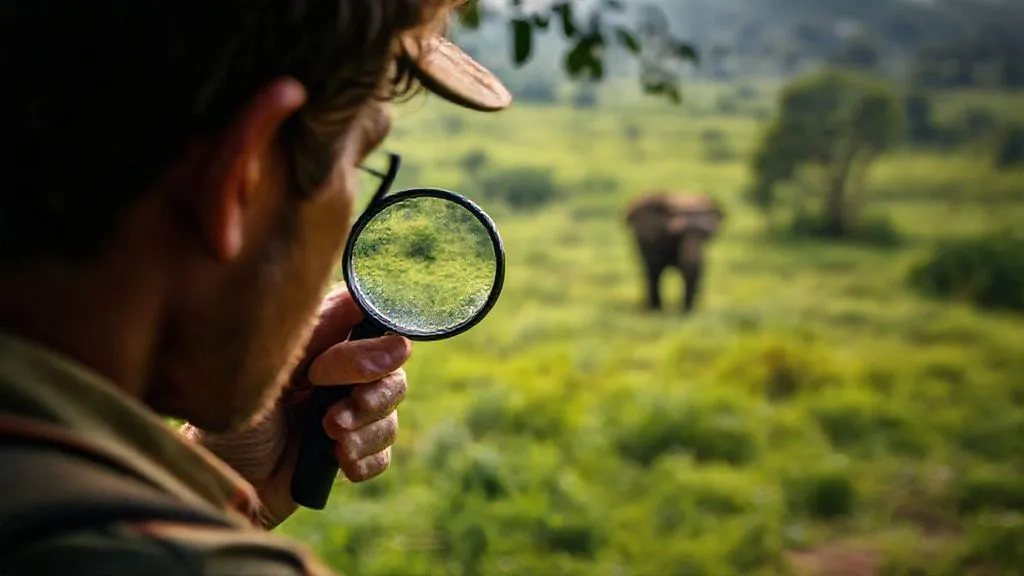
How do eco-tour operators verify ethical wildlife sanctuary standards?
For over 15 years in the eco-tourism industry, I've witnessed the profound impact that responsible travel can have – both positive and, unfortunately, negative. A recurring challenge, and frankly, a significant ethical minefield, lies in identifying truly ethical wildlife sanctuaries amidst a landscape often cluttered with well-intentioned but misguided, or even outright exploitative, operations masquerading as havens for animals.
The problem is pervasive: many establishments label themselves 'sanctuaries' or 'rescues,' yet their practices fall far short of genuine animal welfare standards. This creates a significant dilemma for eco-tour operators who are genuinely committed to sustainability and ethics, as well as for travelers who simply want to ensure their vacation choices do no harm. How do you cut through the marketing spin and ascertain the true nature of an animal encounter?
In this definitive guide, I will share the rigorous, multi-layered verification framework that experienced eco-tour operators employ to assess and partner with only the most ethical wildlife sanctuaries. You'll gain actionable insights, learn what questions to ask, what red flags to look for, and how to build a robust due diligence process that safeguards both animals and your brand's integrity. We'll delve into everything from accreditation to on-site audits, financial transparency, and continuous monitoring, ensuring you're equipped to make truly responsible choices.
Understanding the Core Challenge: Beyond "Sanctuary" Labels
The term "sanctuary" itself has become a marketing buzzword, often diluted and misused. In my experience, one of the biggest challenges is the sheer diversity of operations claiming this title. Some are legitimate havens doing incredible work, while others are essentially roadside zoos or commercial enterprises disguised with a veneer of conservation.
This ambiguity makes the verification process incredibly complex. An operator cannot simply take a facility's word for it. The potential for 'greenwashing' – where an organization presents itself as environmentally responsible without actually implementing sustainable practices – is high in the wildlife tourism sector. This not only risks animal welfare but also severely damages the reputation of any eco-tour operator associated with such a facility.
Expert Insight: "The true test of a sanctuary isn't its name, but its unwavering commitment to animal welfare above all else, including profit and human entertainment. Any deviation from this core principle is a red flag."
Common red flags that necessitate deeper investigation include:
- Facilities offering direct physical interaction with wild animals (e.g., petting, riding, holding cubs).
- Animals performing tricks or being used for entertainment.
- Sanctuaries that breed animals or acquire them from the wild for display.
- Lack of transparency regarding funding or animal origins.
- Overcrowded enclosures or unnatural habitats.
Understanding these initial indicators is the first step in a thorough verification process. It's about developing a critical eye and recognizing that genuine ethical practice often means less 'glamour' for visitors and more focus on the animals' well-being.
The Initial Screening: Accreditation and Certification Bodies
Once an eco-tour operator identifies a potential sanctuary, the very first layer of verification involves checking for reputable third-party accreditation. This isn't the be-all and end-all, but it provides a crucial baseline.
Accreditation by recognized bodies signifies that an organization has met a stringent set of standards, often covering animal welfare, facility management, veterinary care, and ethical operations. These bodies typically conduct their own audits and have established criteria.
Key accreditation bodies to look for include:
- Global Federation of Animal Sanctuaries (GFAS): Widely considered the gold standard for animal sanctuaries globally, GFAS accreditation ensures facilities meet specific criteria for animal care, governance, and financial stability. Learn more about GFAS standards here.
- American Alliance of Museums (AAM) Accreditation: For facilities that might also function as educational institutions, AAM accreditation can indicate a commitment to professional standards, though it doesn't solely focus on animal welfare.
- Association of Zoos and Aquariums (AZA) Accreditation: While AZA primarily accredits zoos and aquariums, some facilities might have dual roles. AZA has high standards for animal care, conservation, and education.
It's important to note that a lack of accreditation doesn't automatically mean a sanctuary is unethical. Smaller, legitimate operations might not have the resources or administrative capacity to pursue formal accreditation. However, its presence significantly streamlines the initial vetting process and provides a strong indicator of credible commitment to high standards. For operators, this initial screening is about creating a shortlist of potentially ethical partners.
Deep Dive: On-Site Audits and Animal Welfare Assessments
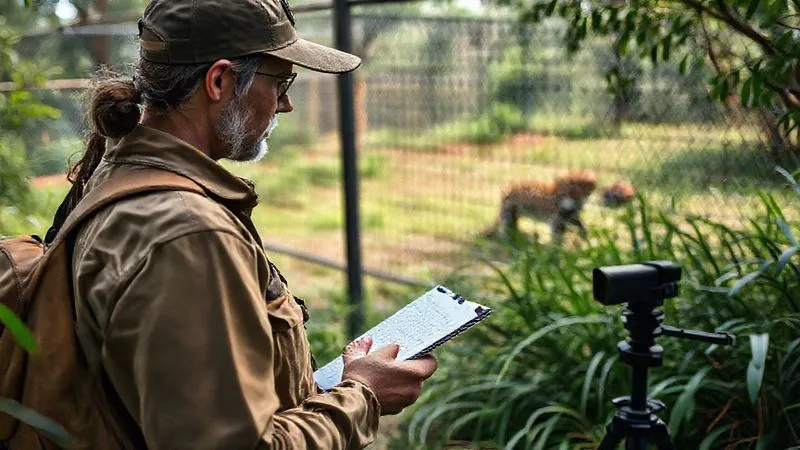
No amount of paperwork or certification can replace a thorough, in-person assessment. This is where an experienced eco-tour operator, or a trusted third-party expert, conducts a meticulous on-site audit. I've personally spent countless hours observing, questioning, and evaluating facilities to ensure they align with true ethical standards.
Here are the actionable steps an operator undertakes during an on-site audit:
- Habitat Suitability and Enrichment: Assess if enclosures are appropriately sized, stimulating, and mimic natural habitats. Look for signs of enrichment (toys, varied terrain, opportunities for natural behaviors) and absence of stereotypic behaviors (pacing, rocking) indicative of stress.
- Diet and Nutrition: Verify that animals receive species-appropriate diets, adequate portions, and fresh water. Review feeding schedules and food storage practices to ensure hygiene and proper nutrition.
- Veterinary Care Protocols: Examine veterinary records, confirm regular health checks, and verify the presence of a qualified veterinary team or access to one. Inquire about emergency procedures and preventative care.
- Animal Origin and Acquisition: Crucially, understand where the animals came from. Ethical sanctuaries rescue animals, never buy, breed, or remove them from the wild for display. Look for clear documentation of rescue stories and no evidence of trade.
- No Direct Public Contact: This is a non-negotiable for true wildlife sanctuaries. There should be no petting, riding, or direct interaction with wild animals by visitors. This protects both animals and humans.
- Staff-to-Animal Ratios and Training: Observe staff interactions with animals and assess their knowledge and training. Adequate staffing ensures proper care and monitoring.
- Waste Management and Environmental Impact: Review the sanctuary's practices for waste disposal, water usage, and overall environmental footprint. A truly ethical operation extends its care to the surrounding ecosystem.
Case Study: Verifying the "Serenity Wildlife Haven"
A mid-sized eco-tour operator, 'Green Footprints Travel,' was considering partnering with a facility named 'Serenity Wildlife Haven,' which claimed to rescue big cats. Initial checks showed some local positive reviews but no major international accreditation. Green Footprints sent their lead ethical tourism specialist for an unannounced, multi-day audit.
During the audit, the specialist meticulously followed the seven steps above. While the habitats seemed spacious, she noted a lack of varied enrichment and observed a lion pacing repetitively. Veterinary records were sparse, and the origin stories for several animals were vague, mentioning 'donations' rather than specific rescue events. Most critically, she observed staff allowing visitors to pose for photos near the enclosures, with no clear barriers, violating the 'no direct contact' rule.
Despite the initial appeal, Green Footprints Travel declined the partnership. Their due diligence uncovered practices inconsistent with ethical animal welfare, demonstrating that a deep dive beyond superficial appearances is paramount.
Staff Training, Visitor Education, and Community Engagement
The human element is as crucial as the physical facilities in an ethical sanctuary. A truly responsible operation invests heavily in its people and its surrounding community. I've found that the best sanctuaries are not just places for animals, but hubs of education and local empowerment.
Eco-tour operators verify these aspects by:
- Assessing Staff Training: Inquiring about ongoing training programs for animal care staff, veterinarians, and guides. This includes knowledge of animal behavior, first aid, safety protocols, and ethical visitor interaction. Well-trained staff are happier, more effective, and better equipped to ensure animal welfare.
- Evaluating Visitor Education Programs: Ethical sanctuaries prioritize education over entertainment. They should have robust programs that inform visitors about the animals' stories, conservation challenges, and the importance of responsible tourism. This includes clear signage, knowledgeable guides, and engaging educational materials.
- Reviewing Community Engagement: A truly sustainable sanctuary integrates with its local community. This means providing employment opportunities, supporting local businesses, and involving community members in conservation efforts. Look for evidence of fair wages, benefit-sharing, and positive local relationships.
- Conservation Impact: Beyond individual animal care, does the sanctuary contribute to broader conservation efforts? This might include research, habitat restoration, or anti-poaching initiatives. Responsible Travel's guidelines often highlight the importance of community and conservation integration.
A sanctuary that excels in these areas demonstrates a holistic commitment to ethical practice, recognizing that animal welfare is intertwined with human well-being and ecological health.
Financial Transparency and Resource Allocation: Following the Money
One of the most revealing aspects of a sanctuary's ethical standing is its financial transparency. In my experience, facilities that are hesitant to share financial information often have something to hide. Ethical sanctuaries rely on donations, grants, and ethical tourism revenue, and their finances should reflect a primary focus on animal care, not profit generation.
Eco-tour operators demand and review:
- Annual Financial Reports: These should clearly detail income sources and expenditure. Look for a significant portion of funds being allocated directly to animal care, veterinary services, habitat maintenance, and staff salaries.
- Funding Sources: Investigate where the money comes from. Are there any questionable donors or commercial interests that could compromise the sanctuary's mission? Ethical sanctuaries typically avoid funding from sources involved in animal exploitation.
- Budget Allocation: A detailed breakdown of the budget should show that essentials like food, medical supplies, and enclosure maintenance are prioritized over excessive administrative costs or luxury facilities for humans.
- Non-Profit Status: While not always mandatory, many truly ethical sanctuaries operate as registered non-profit organizations, which legally mandates them to reinvest all earnings back into their mission.
Here's a simplified checklist for financial review:
| Financial Aspect | Ethical Indicator | Red Flag |
|---|---|---|
| Annual Reports | Publicly available, detailed income/expenditure | Unavailable or vague reports |
| Expenditure Breakdown | 80%+ directed to animal care, vet, habitat | High admin costs, unclear allocations |
| Funding Sources | Donations, grants, ethical tourism | Commercial animal trade, unknown sources |
| Non-Profit Status | Registered non-profit with clear mission | For-profit structure with high owner compensation |
By scrutinizing financial records, operators can gain a clear picture of whether a sanctuary's stated mission aligns with its actual resource allocation, providing a critical layer of trust and accountability.
Monitoring and Continuous Improvement: Long-Term Ethical Stewardship
Ethical verification is not a one-time event; it's an ongoing commitment. The best sanctuaries are dynamic organizations that continually assess and improve their practices based on new scientific understanding, animal needs, and evolving ethical standards. As an industry specialist, I emphasize that long-term partnerships require consistent monitoring.
Operators implement a framework for continuous improvement by:
- Regular Check-ins and Reviews: Establishing a schedule for periodic reviews, which might include annual reports, virtual meetings, or follow-up site visits. This ensures that standards are maintained over time.
- Feedback Mechanisms: Encouraging open communication and feedback from both sanctuary staff and visitors. This can highlight emerging issues or areas for improvement.
- Staying Abreast of Research: Ethical animal care is an evolving field. Operators and sanctuaries should stay informed about the latest research in animal behavior, welfare science, and conservation. For instance, new studies on animal cognition or social structures might inform better enclosure design or enrichment strategies.
- Adaptability to Change: Assessing how the sanctuary adapts to challenges, such as changes in animal populations, environmental shifts, or new health concerns. Their ability to respond proactively is a sign of robust management.
- Setting Measurable Goals: Partnering with sanctuaries to set clear, measurable goals for animal welfare, conservation impact, and community engagement, and then tracking progress against these benchmarks.

For example, a sanctuary caring for primates might adjust its enrichment program based on new findings about social dynamics in specific species, as detailed in journals like the Journal of Animal Behavior.
This commitment to ongoing vigilance and improvement ensures that the ethical standards are not just met, but continually elevated, reflecting a true dedication to the animals' long-term well-being.
Navigating Red Flags and Greenwashing: What to Watch For
Despite all the verification steps, operators must remain acutely aware of common red flags and sophisticated greenwashing tactics. The tourism industry is rife with operations that exploit the public's desire to do good.
Based on years of observation, here are critical indicators of unethical practices to avoid:
- Direct Contact Opportunities: Any facility that promotes petting, riding, bathing, or walking with wild animals (especially big cats, elephants, primates) is almost certainly unethical. These interactions are highly stressful for animals and often involve cruel training methods.
- "Orphaned" or "Rescued" Animals for Photo Ops: Be wary of facilities with many baby animals, particularly if they are readily available for interaction. Many are bred specifically for tourism, or their mothers were killed to acquire them.
- Performance or Tricks: Animals performing for visitors (e.g., elephant painting, circus-like shows) indicate a focus on entertainment rather than welfare.
- Unnatural Environments: Small, barren enclosures, concrete floors for animals that need natural substrates, or lack of shade and hiding spots.
- Aggressive Marketing Tactics: Overly emotional appeals without substantive information about animal care, or pressure to donate without transparency.
- Lack of Transparency: Evasiveness when asked about animal origins, veterinary care, or financial details.
Key Rule: "If you can touch it, ride it, or take a selfie with it, it's likely not an ethical wildlife encounter. True sanctuaries prioritize the animals' autonomy and natural behaviors above all else."
Operators must educate themselves and their clients about these red flags, empowering everyone to make informed decisions and avoid perpetuating harm.
Building Trust: How Operators Communicate Ethical Choices to Travelers
Finally, once an eco-tour operator has meticulously verified ethical sanctuaries, the responsibility shifts to transparently communicating these choices to travelers. Building trust is paramount in an industry often plagued by misinformation.
Effective communication strategies include:
- Clear Justification for Partnerships: Explain *why* a particular sanctuary was chosen, outlining the verification process and the ethical standards it meets.
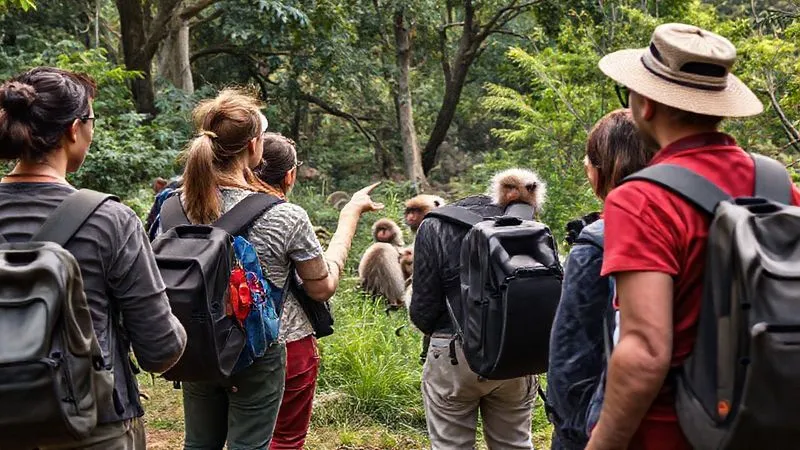
- Educational Pre-Trip Materials: Provide travelers with information about ethical animal interactions, the sanctuary's mission, and what to expect (e.g., no touching, respectful observation).
- On-Site Guidance: Ensure guides reinforce ethical behavior and educate visitors during the actual visit, explaining animal behaviors and conservation efforts.
- Post-Trip Follow-up: Encourage feedback and share updates on the sanctuary's progress or specific animal stories, reinforcing the long-term commitment.
- Highlighting Impact: Share how the traveler's visit contributes to animal welfare and conservation, giving them a sense of purpose and positive impact.
Here's a comparison table to help differentiate communication strategies:
| Communication Strategy | Approach | Outcome |
|---|---|---|
| Ethical Operator | Transparently explains verification process, educates on no-contact policy, highlights conservation impact. | Builds traveler trust, fosters responsible behavior, supports genuine sanctuaries. |
| Unethical Operator | Focuses on 'unique' animal interactions, uses vague terms like 'rescue,' downplays ethical concerns. | Misleads travelers, perpetuates animal exploitation, damages industry reputation. |
By being a beacon of transparency, eco-tour operators not only attract conscious travelers but also drive demand for genuinely ethical experiences, ultimately benefiting animal welfare globally. This commitment to clear, honest communication is the final, crucial link in the chain of ethical verification.
Frequently Asked Questions (FAQ)
Q: What's the biggest misconception about wildlife sanctuaries? The biggest misconception is that all facilities calling themselves "sanctuaries" are ethical. Many are not. The term is unregulated, and some operations exploit it for commercial gain, offering interactions that are detrimental to animal welfare. True sanctuaries prioritize the animal's needs above visitor entertainment.
Q: Can a sanctuary be ethical if it offers *any* visitor interaction? Generally, no direct physical interaction with wild animals is considered ethical. However, "interaction" can be broadly defined. Ethical sanctuaries allow respectful, observational interactions – for example, watching animals from a distance or participating in educational tours guided by experts. The key is that the interaction is on the animal's terms, with no forced contact or performance.
Q: How often should an operator re-verify a sanctuary? An initial comprehensive verification is essential, but ongoing monitoring is crucial. I recommend annual reviews of documentation and regular, perhaps biennial or triennial, unannounced on-site audits, depending on the operator's resources and the sanctuary's track record. Continuous communication and feedback loops are also vital.
Q: What role do local communities play in ethical verification? Local communities play a significant role. An ethical sanctuary should have a positive relationship with its local community, providing employment, supporting local businesses, and involving community members in conservation efforts. Speaking with local residents, community leaders, and even former staff can provide invaluable insights into a sanctuary's true practices and impact.
Q: Is it always necessary for a sanctuary to be accredited? While accreditation by reputable bodies like GFAS provides a strong initial indicator of ethical standards, it's not always a strict necessity. Many smaller, genuinely ethical sanctuaries, especially in developing regions, may not have the resources or administrative capacity to pursue formal accreditation. In such cases, the burden of verification falls more heavily on the eco-tour operator to conduct thorough, independent audits.
Key Takeaways and Final Thoughts
Navigating the complex world of wildlife sanctuaries demands diligence, expertise, and an unwavering commitment to ethical principles. For eco-tour operators, the process of verification is multi-faceted, requiring a blend of desktop research, on-site investigation, financial scrutiny, and continuous monitoring.
Here are the critical takeaways to remember:
- Don't Trust Labels Blindly: "Sanctuary" is a self-proclaimed title; true ethics are demonstrated through action.
- Prioritize Third-Party Accreditation: Use reputable accreditations as a strong starting point for vetting.
- Conduct Rigorous On-Site Audits: Nothing replaces direct observation of animal welfare, habitat, and care protocols.
- Follow the Money: Financial transparency is a key indicator of genuine mission-driven operations.
- Emphasize Education Over Entertainment: Ethical sanctuaries focus on animal well-being and visitor learning, not direct interaction.
- Commit to Continuous Monitoring: Ethical stewardship is an ongoing process, requiring regular reviews and adaptability.
- Be Transparent with Travelers: Educate your clients to empower them to make responsible choices.
In my years in this field, I've learned that the integrity of eco-tourism hinges on these meticulous verification steps. By committing to these standards, you not only protect vulnerable wildlife but also build a reputation for genuine responsibility and offer truly impactful, ethical travel experiences. Let's continue to champion practices that honor animals and educate travelers, ensuring that our footprint leaves a positive mark on the planet.
Recommended Reading
- 5 Steps: Design Durable, Highly Stylish Festival Fashion That Lasts
- Elevate Luxury: 7 Ways to Integrate Railway Museums into High-End Train Tours
- Justify Northern Lights Executive Incentives: 7 ROI Strategies
- How Do Ski Resorts Adapt to Declining Snowfall? 7 Innovative Strategies
- Mastering Self-Rescue: Your Ultimate Guide to Multi-Pitch Ice Climbs




Your email address will not be published. Required fields are marked *