

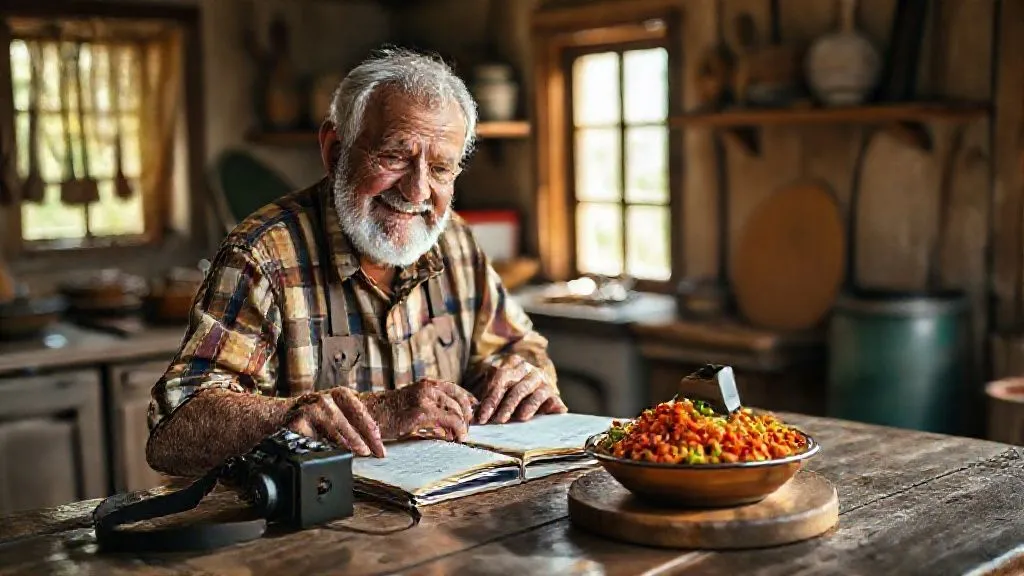
How to Authentically Document Vanishing Regional Cuisine Traditions?
For over two decades navigating the intricate world of food travel and culinary anthropology, I've witnessed the bittersweet reality of regional cuisines. I've seen vibrant foodways, passed down through generations, begin to fade like embers in the wind. This isn't just about losing a recipe; it's about the erosion of cultural identity, the disappearance of unique ingredients, and the silencing of stories told through food.
The pain point for many passionate food enthusiasts, researchers, and local communities is profound: how do we halt this loss? How do we capture the essence of a cuisine before it's gone forever, ensuring our documentation is respectful, accurate, and truly authentic, rather than a superficial snapshot?
This definitive guide offers a structured, empathetic, and actionable framework for how to authentically document vanishing regional cuisine traditions. I will share insights, methodologies, and ethical considerations I've honed over years in the field, providing you with the tools to become a steward of culinary heritage, preserving not just dishes, but entire cultural narratives.
Understanding the 'Vanishing': Why Regional Cuisines Disappear
Before we can document, we must understand the forces at play. The 'vanishing' isn't a single event but a complex interplay of socioeconomic, environmental, and cultural shifts. In my experience, attributing the decline to a single factor often oversimplifies a deeply intricate issue.
Economic Pressures & Modernization
Globalization brings convenience, but often at the cost of local traditions. Mass-produced ingredients replace artisanal ones, and the demanding, often low-paying, labor of traditional food preparation struggles to compete with more lucrative modern jobs. Younger generations migrate to urban centers, leaving behind the agricultural roots and culinary knowledge of their elders. This economic shift is a primary driver I've observed in countless regions, from remote mountain villages to coastal fishing communities.
Generational Gaps & Oral Tradition Breakdown
Many regional cuisines are sustained not by cookbooks, but by oral tradition—recipes and techniques passed directly from elder to apprentice, parent to child. As societies modernize, these links weaken. Languages shift, interest wanes, and the time-intensive process of learning traditional methods is often forgone for faster, more contemporary cooking styles. This breakdown in intergenerational transfer is perhaps the most heartbreaking aspect of culinary loss.
Loss of Biodiversity & Local Ingredients
The very foundation of regional cuisine often rests on hyper-local ingredients: unique heirloom varietals, specific wild herbs, or indigenous animal breeds. Climate change, habitat destruction, and industrial agriculture threaten this biodiversity. When a key ingredient disappears, the dishes that depend on it are either altered beyond recognition or vanish entirely. This ecological vulnerability is a silent killer of culinary traditions, and something I've seen accelerate dramatically.
The Ethos of Authentic Documentation: More Than Just Recipes
Authenticity in documentation goes far beyond merely listing ingredients and steps. It requires an ethical, empathetic, and deeply contextual approach. My guiding principle has always been to remember that food is a living, breathing part of culture, not just a historical artifact.
Respect, Reciprocity, and Relationship Building
The cornerstone of any successful documentation project is genuine respect for the community and its knowledge holders. You are not just extracting information; you are engaging with people's heritage, their memories, and their identity. Building trust takes time, patience, and a willingness to listen more than you speak. I've found that offering to share your own skills, or simply helping with daily tasks, can open doors that formal requests never could. Reciprocity is key – how will your work benefit *them*?
The Importance of Context: Social, Cultural, Historical
A dish is never just food; it's a story. Where did the ingredients come from? Who traditionally prepared it, and for what occasions? What rituals, songs, or proverbs are associated with it? Understanding the social dynamics (gender roles, community gatherings), cultural significance (festivals, rites of passage), and historical evolution (migration patterns, trade routes) transforms a recipe into a rich cultural narrative. Without this context, documentation is shallow.
"Authenticity in food documentation isn't about perfectly replicating a dish; it's about understanding the heart, hands, and history that shaped it. It's about listening to the land and the people."
Methodology 1: Immersive Fieldwork & Oral Histories
This is where the real magic happens—connecting directly with the custodians of culinary knowledge. It requires humility, keen observation, and a genuine desire to learn. I've spent countless hours in kitchens, fields, and markets, realizing that the most profound insights often come from unexpected moments.
- Identify and Approach Knowledge Custodians: Seek out elders, traditional cooks, farmers, and artisans who hold the deepest knowledge. Often, local community leaders or cultural organizations can help facilitate introductions. Be clear and honest about your intentions and what you hope to achieve.
- Build Genuine Rapport: Don't rush. Spend time in the community, participate in local life, and allow relationships to develop naturally. Share meals, offer assistance, and demonstrate your respect for their way of life. Trust is earned, not given.
- Conduct Structured and Unstructured Interviews: Begin with open-ended conversations that allow storytellers to share their knowledge organically. Later, use more structured questions to delve into specific techniques, ingredients, and historical details. Record everything with permission.
- Document Beyond Words: Pay attention to body language, gestures, and the nuances of speech. Note the atmosphere, sounds, and smells of the kitchen. These sensory details are vital for a holistic understanding.
Oral histories are invaluable. They capture not just facts, but emotions, personal anecdotes, and the intangible spirit of a tradition. The Oral History Association provides excellent guidelines for ethical practices, ensuring respect for narrators and their stories. Learn more about oral history best practices here.
Case Study: The 'Whispers of the Andes' Project
Maria, a young food ethnographer, embarked on a project to document the vanishing potato-based dishes of a remote Andean community. Initial attempts to interview elders were met with polite but firm resistance. Instead of pushing, Maria spent weeks helping with daily chores, learning basic Quechua phrases, and sharing her own simple meals. Slowly, trust was built. An elder, Mama Rosa, eventually invited Maria into her kitchen, not for an interview, but to help prepare a traditional 'papa a la huancaína'. As they worked side-by-side, Mama Rosa began to share stories of her grandmother, the specific rituals for planting potatoes, and the nuanced techniques for grinding ají peppers, all while demonstrating the steps. Maria’s patient immersion allowed her to authentically document not just a recipe, but a deeply personal, intergenerational narrative that would have been lost in a formal interview setting. This approach resulted in a rich collection of oral histories and detailed culinary processes, far exceeding initial expectations.
Methodology 2: Archival Research & Historical Contextualization
While fieldwork provides contemporary insight, archival research offers a historical anchor. This is about tracing the lineage of a dish, understanding its evolution, and verifying oral traditions against written records. It’s detective work, often requiring patience and a keen eye for detail.
Unearthing Old Cookbooks, Diaries, and Local Records
Many regional dishes have historical roots documented in unexpected places. Look for old community cookbooks, family recipe journals, local newspaper archives, parish records, or even colonial-era travelogues. These sources can provide crucial clues about ingredients, preparation methods, and the social context of food from past eras. Libraries, local historical societies, and university special collections are your allies here.
Cross-Referencing & Verifying Information
Never rely on a single source. Cross-reference information from archives with oral histories and your own observations. Discrepancies are not failures; they are opportunities to explore how traditions have evolved, adapted, or been reinterpreted over time. This comparative analysis adds depth and academic rigor to your documentation. Explore academic research methods for historical documentation.
Methodology 3: Hands-On Culinary Apprenticeship & Sensory Documentation
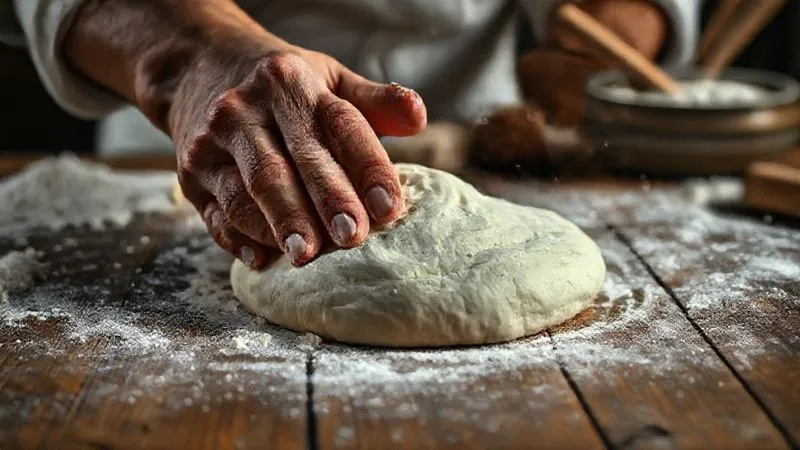
To truly understand a dish, you must make it, feel it, smell it, and taste it. Culinary apprenticeship is an immersive, embodied form of learning that captures the tacit knowledge often impossible to convey through words alone. I've learned more about dough consistency by kneading alongside an elder than from any recipe book.
- Learn from the Masters: Seek opportunities to cook alongside traditional practitioners. Observe every movement, every nuance, every 'pinch of this' and 'dash of that.' Ask 'why' and 'how' at every step, but also know when to simply observe and absorb.
- Document Techniques, Not Just Ingredients: Pay meticulous attention to cooking methods: the specific way a vegetable is cut, the rhythm of stirring, the heat of the fire, the texture of ingredients at various stages. These techniques are often the true 'secret' of a regional dish.
- Source Local & Traditional Ingredients: Whenever possible, use the same ingredients the community uses. Understand their provenance, seasonality, and how they contribute to the dish's unique flavor profile. This often involves visiting local markets, farms, or foraging with experts.
- Sensory Journaling: Keep a detailed journal of your sensory experiences. What were the aromas during cooking? How did the texture feel in your hands, then in your mouth? What was the exact flavor profile? These subjective yet crucial details bring the documentation to life.
Table: Sensory Documentation Checklist for Culinary Traditions
| Aspect | Details to Document | Method |
|---|---|---|
| Aroma | Initial scent of raw ingredients, aroma during cooking, final dish aroma, specific notes (earthy, spicy, sweet) | Detailed journaling, descriptive vocabulary |
| Texture | Feel of ingredients (raw, cooked), consistency of sauces/doughs, mouthfeel (crunchy, chewy, smooth, fibrous) | Hands-on interaction, descriptive journaling |
| Flavor | Primary taste components (sweet, sour, salty, bitter, umami), secondary notes, aftertaste, balance | Mindful tasting, comparative analysis |
| Sound | Sizzle of frying, bubbling of stew, chopping, grinding, mastication sounds | Audio recording, descriptive journaling |
| Appearance | Color, shape, plating, garnish, visual appeal of raw ingredients | High-resolution photography, detailed written description |
Leveraging Technology: Digital Tools for Preservation
While the human element is paramount, modern technology offers powerful tools to enhance, organize, and disseminate your documentation. Used thoughtfully, digital tools can make your work more accessible and durable for future generations. I've seen digital archives breathe new life into fading traditions.
High-Fidelity Photography & Videography
Visual documentation is critical. Use high-resolution cameras to capture every step of the cooking process, from ingredient preparation to plating. Videography is even more powerful for demonstrating techniques, capturing the rhythm of a kitchen, and recording the non-verbal cues of a skilled cook. Ensure good lighting and stable shots. These visuals serve as invaluable teaching aids and historical records.
Audio Recording & Transcription
High-quality audio recordings of interviews are non-negotiable. They capture the speaker's voice, inflections, and emotional nuances that text alone cannot convey. Transcribe these recordings accurately, noting pauses, laughter, and other significant sounds. This makes the information searchable and accessible for linguistic and cultural analysis.
Digital Archiving & Accessibility Platforms
Once documented, this invaluable information needs a secure home. Utilize digital archiving best practices, including multiple backups and adherence to recognized standards for metadata and file formats. Consider partnering with local museums, universities, or cultural institutions to host your digital archive, ensuring long-term preservation and accessibility. Platforms like UNESCO's intangible cultural heritage initiatives often provide frameworks for this. Explore UNESCO's work on intangible cultural heritage.
Ethical Considerations & Intellectual Property
The ethical dimension of documenting cultural heritage cannot be overstated. You are dealing with knowledge that often belongs collectively to a community. My rule of thumb is always: when in doubt, prioritize the community's well-being and wishes.
Informed Consent & Community Ownership
Always obtain informed consent from individuals and, where appropriate, from the community leaders, before documenting. Clearly explain how the information will be used, who will have access to it, and what benefits, if any, will accrue to the community. Crucially, discuss and agree upon intellectual property rights. Many communities prefer collective ownership, or wish to retain control over how their traditions are represented and used.
Attribution & Benefit Sharing
Properly attribute all knowledge to its source. Avoid presenting traditional knowledge as your own discovery. If your documentation leads to commercial opportunities (e.g., a published book, a film), establish clear agreements for benefit sharing with the community from the outset. This could involve direct financial compensation, support for community projects, or educational initiatives. Reciprocity extends beyond the initial fieldwork.
"Our role as documentarians is not to 'own' traditions, but to steward them. True authenticity comes from empowering the community to tell its own story on its own terms."
Dissemination & Community Engagement: Bringing Traditions to Life
Documentation is not an end in itself; it's a means to preservation and revitalization. The ultimate goal is to ensure these traditions continue to thrive, often by bringing them back into active community life and sharing them respectfully with a wider audience. This is where the work truly becomes impactful.
Storytelling Through Multi-Media
Transform your raw documentation into engaging narratives. Create blog posts, short films, podcasts, or interactive digital exhibitions that weave together recipes, oral histories, and cultural context. Focus on storytelling that highlights the people and their connection to the food. Use your high-quality visuals and audio to create an immersive experience.
Workshops, Festivals, and Local Initiatives
Actively support and facilitate community-led initiatives. Help organize traditional cooking workshops, food festivals, or intergenerational cooking classes. These events not only celebrate the cuisine but also provide practical opportunities for knowledge transfer and skill preservation within the community itself. Your documentation can serve as a guide and inspiration for these activities.
| Platform | Target Audience | Goal |
|---|---|---|
| Community Workshops | Local youth, families | Skill transfer, intergenerational engagement, revitalization |
| Digital Archive/Website | Researchers, general public, diaspora | Long-term preservation, accessibility, education |
| Documentary Film/Podcast | Wider public, food enthusiasts | Awareness, cultural appreciation, storytelling |
| Local Food Festivals | Community members, tourists | Celebration, economic opportunity, cultural pride |
Frequently Asked Questions (FAQ)
How do I gain trust in communities that are initially resistant or wary of outsiders? Gaining trust is a marathon, not a sprint. My advice is always to prioritize presence over production. Spend time, listen more than you speak, and genuinely participate in community life without an agenda. Offer your own skills or help with daily tasks. Demonstrate consistent respect, honesty, and a long-term commitment. Often, a local gatekeeper or community elder can vouch for you, but their endorsement is only as good as your consistent behavior.
What if key ingredients for a vanishing regional cuisine are no longer available? This is a common and challenging problem. First, document the original ingredient as thoroughly as possible (description, historical usage, reasons for disappearance). Then, explore traditional substitutes if any exist, or discuss how the community has adapted. You might also consider advocating for the reintroduction of lost varietals through seed banks or local farming initiatives, linking your documentation to conservation efforts. Sometimes, the story of the lost ingredient becomes as important as the dish itself.
How do I handle variations of the same dish across different families or villages within a region? Embrace the variations! This is a testament to the living nature of cuisine. Document each significant variation, noting the specific family, village, or context associated with it. Rather than seeking a single 'definitive' version, your goal should be to capture the rich tapestry of diversity. Highlight the common threads and the unique twists, explaining the cultural or historical reasons behind these differences. This adds incredible depth to your understanding of how regional cuisine traditions evolve.
What is the biggest mistake beginners make when trying to authentically document vanishing regional cuisine traditions? The biggest mistake I've observed is rushing the relationship-building phase and prioritizing the 'product' (e.g., a finished recipe book) over the 'process' of genuine engagement. Many beginners arrive with a checklist, forgetting that cultural knowledge isn't a commodity to be extracted. This often leads to superficial documentation, mistrust, and missed opportunities for deeper insight. Patience, humility, and a willingness to adapt your plans are crucial.
How can I ensure my documentation genuinely benefits the community I'm working with? The best way is to involve the community in every stage of the project, from conception to dissemination. Ask them directly what they need and how they envision the documentation serving their interests. This could range from creating educational materials for their youth, supporting local tourism, or advocating for policy changes related to food heritage. Ensure any intellectual property agreements are clear and equitable, and that any commercial benefits are shared fairly. Your work should be a tool for their empowerment and cultural continuity.
Key Takeaways and Final Thoughts
- Authentic documentation of vanishing regional cuisine traditions requires a blend of empathetic fieldwork, rigorous research, and hands-on learning.
- Prioritize building genuine relationships, showing respect, and fostering reciprocity with knowledge custodians.
- Look beyond the recipe to understand the social, cultural, and historical context of each dish.
- Utilize both traditional methods (oral histories, apprenticeship) and modern technology (high-fidelity media, digital archiving) for comprehensive preservation.
- Always adhere to the highest ethical standards, ensuring informed consent, proper attribution, and community ownership.
- The ultimate goal is not just to document, but to catalyze revitalization and ensure these invaluable culinary traditions continue to thrive for future generations.
Embarking on this journey to authentically document vanishing regional cuisine traditions is a profound act of cultural stewardship. It's challenging, often deeply rewarding work that connects you to the very heart of humanity's shared heritage. By approaching it with dedication, empathy, and the methodologies outlined here, you contribute not just to the preservation of food, but to the enduring legacy of human culture itself. Go forth, listen deeply, and help these vital culinary whispers become a resounding chorus once more.
Recommended Reading
- 5 Steps: Executive Retreats for Coral Reef Conservation Impact
- 7 Private Havens: Guaranteeing Tan-Line-Free Sunbathing for Elite Clients
- Unlock Cozy Nights: The Ultimate Guide to Ensuring Comfort in Cold Weather Glamping Tents
- 7 Steps: Ensuring Ethical Impact in Overseas Animal Volunteer Programs
- 7 Proven Strategies: How to Engage Teens on Family Trips Without Screen Time


Your email address will not be published. Required fields are marked *