

How to Avoid Food Poisoning from Cheap Street Eats Abroad?
For over 15 years, navigating the vibrant, chaotic, and utterly delicious world of budget travel, I've seen countless travelers make the same mistake: letting their guard down when it comes to street food. The allure of cheap, authentic eats is undeniable – it's often the heart and soul of a destination. But I've also witnessed firsthand the devastating impact a single bad meal can have, turning an adventure into a nightmare confined to a hotel bathroom.
The problem isn't just the discomfort; it's the lost experiences, the wasted money, and in severe cases, serious health complications. Many assume 'traveler's diarrhea' is an inevitable rite of passage, but I'm here to tell you that it doesn't have to be. The fear of getting sick often prevents people from trying some of the most incredible culinary treasures the world has to offer, which, to me, is a tragedy.
In this definitive guide, I'll share the actionable frameworks, time-tested strategies, and expert insights I've developed over years of budget travel. You'll learn not just what to avoid, but *how* to confidently choose safe vendors, understand critical hygiene indicators, and build a robust defense against foodborne illnesses. By the end, you'll be equipped with the knowledge to savor every street food experience, knowing precisely how to avoid food poisoning from cheap street eats abroad.
The Golden Rule: Observe, Don't Just Assume
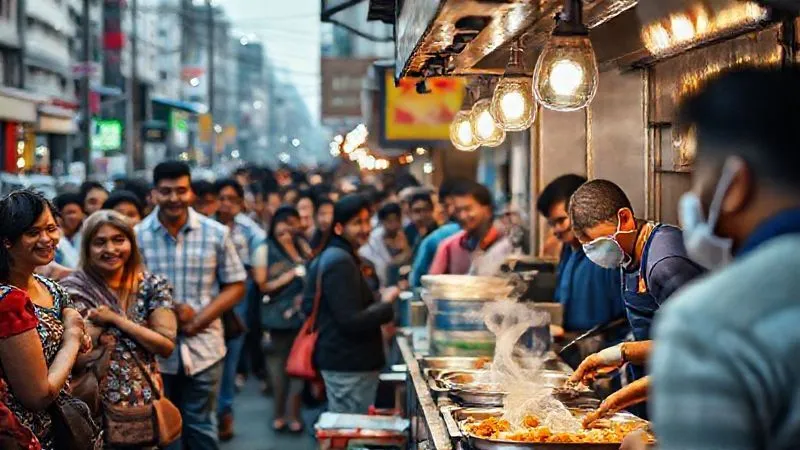
My first and most crucial piece of advice for anyone wondering how to avoid food poisoning from cheap street eats abroad is simple: observe everything. Before you even think about ordering, take a moment to watch. This isn't about being paranoid; it's about being an informed consumer. A vendor's practices speak volumes about their commitment to hygiene, far more than any sign could.
- Watch the Crowd: Is there a steady stream of locals eating there? A long line, especially during peak hours, is a strong indicator of freshness and popularity. Locals know best.
- Observe Food Handling: Are the cooks handling raw meat and cooked food with separate utensils? Do they touch money and then food without washing their hands? This is a huge red flag.
- Check for Cleanliness: While street stalls aren't Michelin-starred restaurants, a general sense of tidiness is vital. Are the surfaces wiped down? Is the cooking area free of obvious debris?
- Water Source: How are they washing dishes? Are they using potable water or a murky bucket that hasn't been changed all day? Clean running water for washing is ideal.
- Ice Inspection: If you're considering a drink with ice, check its clarity. Cloudy or irregular ice shapes might indicate it was made from tap water, which could be unsafe. Commercially produced ice is usually clear and uniformly shaped.
I've personally walked away from countless tempting stalls because a quick observation revealed poor hygiene practices. It might feel like a missed opportunity at the time, but trust me, avoiding a week of illness is worth missing one dish.
Mastering the "Hot, Cold, or Cooked Through" Principle
One of the most fundamental principles of food safety, whether at home or abroad, is ensuring food is kept out of the "danger zone." This is particularly critical when you're trying to figure out how to avoid food poisoning from cheap street eats abroad.
The Danger Zone Explained
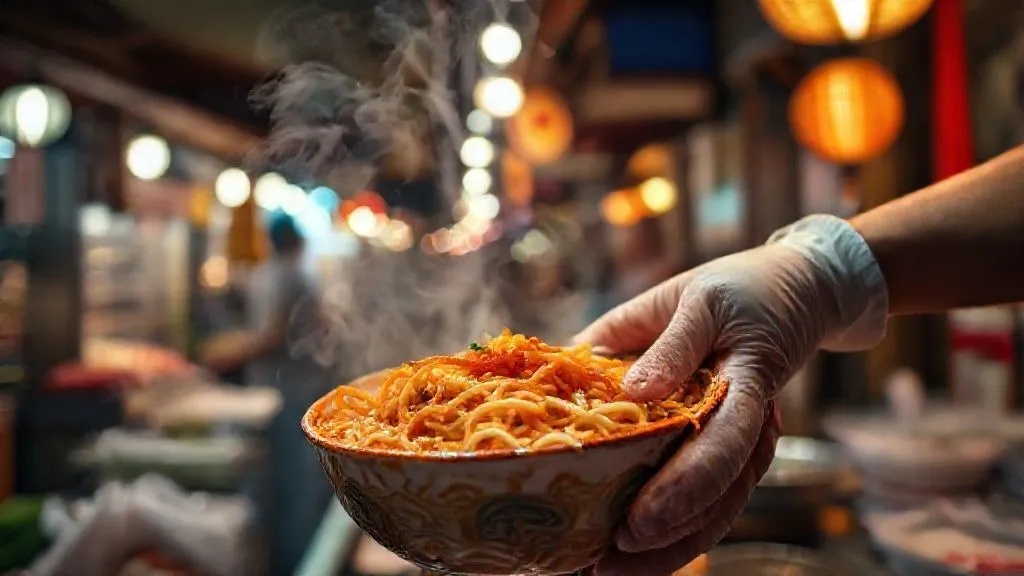
The danger zone for food temperature is generally between 40°F (4°C) and 140°F (60°C). In this temperature range, bacteria can multiply rapidly, potentially reaching dangerous levels within just a couple of hours. Street food, by its nature, often sits out, making this principle paramount.
According to the World Health Organization (WHO), one of the five keys to safer food is 'Keep food at safe temperatures.' This means hot food should be served steaming hot, and cold food should be kept chilled. Anything that has been sitting lukewarm for an extended period is a major risk.
"If it's not steaming hot, boiling hot, or ice cold, it's a no-go. This simple rule has saved me from more stomach upsets than I can count."
Prioritize dishes that are cooked to order right in front of you. Think stir-fries, fresh grilled skewers, or soups that are bubbling vigorously. For cold items, like salads or fruit, ensure they are kept on ice or in a refrigerated display. Avoid anything that looks like it's been sitting out for hours, particularly meat, dairy, or sauces.
| Food Type | Safe Indicator | Risk Indicator |
|---|---|---|
| Hot Dishes | Steaming, cooked to order | Lukewarm, sitting out for hours |
| Cold Dishes | Chilled, on ice, refrigerated | Room temperature, wilted |
| Cooked Meats | Well-done, fresh off grill/wok | Pink/undercooked, re-heated |
| Sauces/Condiments | Freshly made, covered, refrigerated | Uncovered, sitting in sun, murky |
Hydration and Hand Hygiene: Your First Line of Defense
While external observation is key, your personal hygiene plays an equally critical role in how to avoid food poisoning from cheap street eats abroad. It's not just about what you eat, but how you prepare yourself to eat it. Many foodborne illnesses are transmitted through contaminated hands.
I always carry a small bottle of alcohol-based hand sanitizer (at least 60% alcohol) and use it religiously before and after eating street food. Even if you don't see a visible sink, you can still ensure your hands are clean. This simple act can drastically reduce your risk of ingesting harmful bacteria.
- Always sanitize: Before touching your food, and after touching money, railings, or anything else in a public space.
- Avoid touching your face: Be mindful of unconsciously touching your mouth or nose after handling cash or other surfaces.
- Carry wet wipes: Useful for a quick clean-up or for wiping down eating surfaces if you're particularly concerned.
- Stay hydrated: While not directly related to preventing food poisoning, staying well-hydrated is crucial for overall immune function, which helps your body fight off any potential invaders. Stick to bottled water with an unbroken seal, or purified water.
Remember, your hands are your primary tools for eating street food, whether you're using chopsticks, a fork, or your fingers. Keeping them clean is non-negotiable.
Navigating Raw Produce and Water Sources
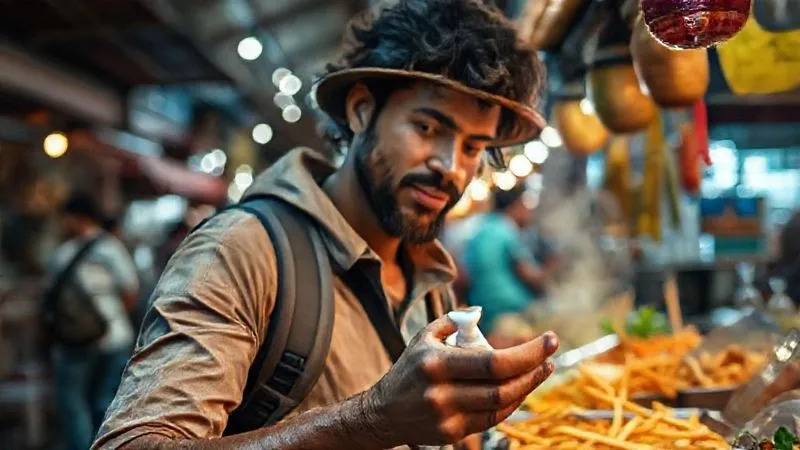
Raw fruits and vegetables can be tricky territory when you're focusing on how to avoid food poisoning from cheap street eats abroad. While they're often a refreshing break from heavy cooked meals, they also present unique risks if not handled correctly. The primary concern is the water used for washing them, or the soil they were grown in.
My general rule is: "Peel it, boil it, or forget it." If you can peel the fruit yourself (like bananas, oranges, or mangoes), it's generally safe. Cooked vegetables are also usually fine, as the heat kills most pathogens. However, salads, pre-cut fruits that have been sitting out, or anything washed in questionable water should be approached with extreme caution.
Case Study: Maria's Market Mishap
I recall an incident with a fellow traveler, Maria, in Southeast Asia. She was incredibly diligent with cooked foods, always observing vendors and choosing busy stalls. However, she loved fresh salads and didn't apply the same scrutiny to a seemingly innocent green papaya salad from a small market stall. The vendor had likely used tap water to rinse the shredded papaya and other ingredients. Within 24 hours, Maria was severely ill, suffering from acute traveler's diarrhea that sidelined her for three days. This simple oversight taught her, and me, a valuable lesson: even raw ingredients, if improperly washed, can be a major source of contamination. Her enthusiasm for fresh greens, without applying the "peel it, boil it" rule, led to a preventable setback.
When it comes to water, always opt for bottled water with an intact seal. If bottled water isn't available, or you want to be environmentally conscious, consider carrying a personal water filter (like a Lifestraw or SteriPEN) or purification tablets. Avoid tap water, ice made from tap water, and even brushing your teeth with tap water in areas with questionable sanitation.
The "Early Bird" Advantage and "Follow the Locals" Wisdom
Beyond the immediate observation of a stall, there are broader strategies that significantly improve your chances of knowing how to avoid food poisoning from cheap street eats abroad. Two of my favorites are the "early bird" advantage and the timeless wisdom of "following the locals."
The early bird advantage is simple: aim to eat at the beginning of a vendor's service. Why? Because the food will be at its freshest. Meats and vegetables will have just been prepared, sauces will be newly made, and the cooking oil will be cleaner. As the day progresses, ingredients can sit out longer, oils can become rancid, and cross-contamination risks increase as the vendor gets busier and potentially less meticulous.
- Freshest Ingredients: Less time for bacterial growth.
- Cleaner Equipment: Stalls are generally cleaner at opening.
- More Attentive Service: Vendors are less rushed and more focused.
- Avoid Re-heated Food: Less chance of consuming food that has been improperly reheated.
The second strategy, "follow the locals," is perhaps the most reliable. Locals are your ultimate food safety critics. They know which stalls are consistently good, which ones have the freshest ingredients, and which ones have the highest turnover. A stall packed with locals is a clear sign of quality and, crucially, freshness due to high demand.
"If you see a vendor with a queue of local patrons, especially families, you've likely found a gem. Their trust is the best endorsement you can get in the street food scene."
Conversely, an empty stall during peak eating hours should raise an immediate red flag. While it might look appealingly quiet, it often means the food isn't fresh, or locals have learned to avoid it for other reasons. Don't be afraid to wait in line; it's a small price to pay for a delicious and safe meal.
Understanding Local Delicacies and Their Risks
Part of the joy of budget travel and street food is experimenting with local delicacies. However, some dishes inherently carry higher risks, and understanding these can be crucial for how to avoid food poisoning from cheap street eats abroad. It's not about avoiding them entirely, but approaching them with informed caution.
Dishes involving raw or lightly cooked seafood (like ceviche, sushi, or raw oysters) are often high-risk, especially in tropical climates where refrigeration might be inconsistent. Similarly, unpasteurized dairy products can harbor bacteria. When in doubt, err on the side of caution with these items. If the vendor doesn't look impeccably clean, or the ingredients aren't visibly fresh and kept cold, it's best to skip it.
Fermented Foods and Probiotics
Interestingly, some traditional fermented foods, like kimchi or certain yogurts, can actually be beneficial due to their probiotic content. These are often made in controlled environments and, if prepared correctly, can even boost your gut health. However, ensure they come from reputable sources and are properly stored. The key is distinguishing between safely fermented foods and those that are simply spoiled.
When trying new foods, start small. Don't gorge yourself on a completely new dish, especially if it contains ingredients you're not used to. Give your digestive system time to adjust. I often advise travelers to try a small portion first and wait a few hours before committing to a larger meal. This allows your body to signal any immediate adverse reactions without overwhelming your system.
| Dish Type | Risk Level | Cautionary Advice |
|---|---|---|
| Raw Seafood | High | Avoid unless from highly reputable, busy vendor with excellent cold storage. |
| Unpasteurized Dairy | High | Avoid unless specifically from trusted, local sources known for hygiene. |
| Freshly Cooked Meats | Low to Medium | Ensure steaming hot, cooked thoroughly, and served immediately. |
| Peeled Fruits | Low | Peel yourself or ensure vendor peels fresh and handles hygienically. |
| Leafy Green Salads | Medium to High | Avoid if unsure of water source for washing; opt for cooked vegetables. |
| Fermented Foods | Medium | Stick to well-known, traditional fermented items from established vendors. |
Building Your Travel Health Toolkit
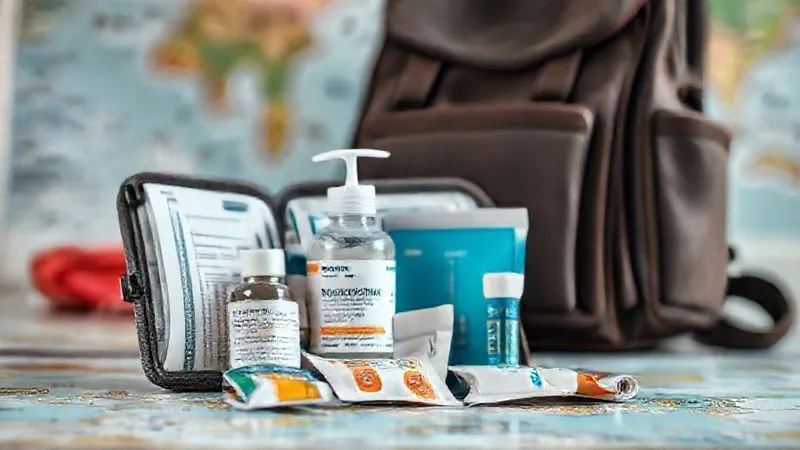
Being proactive about your health means assembling a small but mighty travel health toolkit. This isn't just about remedies for when things go wrong, but also preventative measures that enhance your ability to avoid food poisoning from cheap street eats abroad.
In my experience, a well-prepared traveler is a confident traveler. Before every trip, I make sure these essentials are packed:
- Alcohol-based Hand Sanitizer: As mentioned, non-negotiable.
- Probiotic Supplements: Starting a course of probiotics a few days before and continuing throughout your trip can help strengthen your gut microbiome, making it more resilient to unfamiliar bacteria.
- Anti-diarrhea Medication: (e.g., Loperamide) For immediate relief in emergencies, though it's often better to let your body expel toxins naturally if possible.
- Oral Rehydration Salts (ORS): Crucial for replenishing electrolytes lost during severe diarrhea, preventing dehydration.
- Antacid/Stomach Settler: For minor indigestion or heartburn.
- Activated Charcoal: Can sometimes help absorb toxins in the gut, but use with caution and consult a doctor.
- Prescription Antibiotics (e.g., Azithromycin or Ciprofloxacin): Discuss with your doctor before travel. These are for severe cases of bacterial diarrhea and should be used sparingly.
Having these items accessible means you're prepared for most common travel-related digestive issues, allowing you to react quickly and minimize discomfort. It’s about being independent and self-sufficient, especially when medical help might not be readily available.
When Things Go Wrong: Seeking Help and Recovery
Despite all precautions, sometimes things still go wrong. It's an unfortunate reality of travel, and knowing how to respond is just as important as knowing how to avoid food poisoning from cheap street eats abroad. Your priority shifts from prevention to swift, effective recovery.
First, recognize the symptoms. While mild stomach upset is common, be vigilant for signs of more serious food poisoning:
- Persistent Diarrhea: Especially if it's severe, watery, or bloody.
- High Fever: A temperature above 100.4°F (38°C).
- Severe Abdominal Pain and Cramping: Beyond mild discomfort.
- Nausea and Vomiting: Especially if prolonged and preventing hydration.
- Signs of Dehydration: Excessive thirst, dry mouth, infrequent urination, dizziness.
If you experience any of these severe symptoms, particularly high fever or signs of dehydration, seek medical attention immediately. Don't hesitate. Your travel insurance should cover emergency medical care abroad; ensure you understand your policy before you travel. The CDC provides excellent resources for finding medical assistance while traveling.
In less severe cases, focus on hydration with bottled water and ORS. Stick to bland foods like rice, toast, and bananas. Avoid dairy, spicy foods, and alcohol. Rest is crucial. Remember, your body is working hard to fight off the infection. Always consult a local pharmacist or doctor if symptoms persist or worsen. Recovery might take a few days, but with proper care, you'll be back on your feet and ready for more adventures.

Frequently Asked Questions (FAQ)
Can I trust street food vendors who wear gloves? Not necessarily. While gloves might seem like a sign of hygiene, their effectiveness depends entirely on how they are used. If a vendor handles raw meat, then money, then cooked food, all with the same pair of gloves, they are simply spreading contamination. Look for vendors who change gloves frequently, especially between handling different types of food or money, or better yet, who use separate utensils for raw and cooked items.
Is it safer to eat vegetarian street food to avoid food poisoning? While avoiding meat can reduce some risks (like undercooked poultry or pork), vegetarian street food isn't inherently safer. Contaminated water used to wash vegetables, unpasteurized dairy, or cross-contamination from surfaces can still cause illness. The same principles of observation (cleanliness, high turnover, hot/cold rule) apply equally to vegetarian stalls. Focus on cooked dishes and peeled fruits.
How do I know if the ice is safe in my drink? Safe ice is typically made from purified water, often commercially produced. It usually appears clear, uniformly shaped, and may have a hole in the middle (for cylindrical ice). Cloudy, irregular, or jagged ice is often a sign it was made from tap water. When in doubt, it's always safer to ask for your drink without ice, or stick to bottled beverages.
What about street food that uses a lot of oil or is deep-fried? Is it safer? Deep-frying can kill many bacteria due to high temperatures, making some fried street foods relatively safer. However, the quality of the oil matters. If the oil looks dark, murky, and has been used repeatedly for extended periods, it can develop harmful compounds. Also, if the food isn't cooked through, or is handled poorly after frying, risks remain. Again, observe the freshness of the oil and the overall hygiene of the stall.
Should I take preventative antibiotics before my trip? Generally, no. Taking preventative antibiotics is not recommended for most travelers as it can lead to antibiotic resistance and disrupt your natural gut flora, potentially making you more susceptible to other infections. Antibiotics should only be used as a treatment for diagnosed bacterial infections, and ideally, only under a doctor's guidance. Focus on hygiene and smart food choices as your primary prevention strategy. Consult your doctor for specific advice based on your health history and destination.
Key Takeaways and Final Thoughts
Navigating the incredible world of street food while traveling on a budget doesn't have to be a gamble. As an experienced traveler, I've learned that the key to savoring these authentic culinary experiences safely lies in a blend of informed observation, proactive hygiene, and a well-prepared mindset. It's about being smart, not scared.
- Observe, Observe, Observe: Let local crowds, vendor cleanliness, and food handling practices be your guide.
- Hot, Cold, or Cooked Through: Adhere strictly to temperature rules for food safety.
- Prioritize Hand Hygiene: Always sanitize your hands before eating.
- Be Wary of Raw: "Peel it, boil it, or forget it" for fruits and vegetables.
- Eat Early, Follow Locals: Leverage turnover and local wisdom for fresh, safe choices.
- Equip Your Toolkit: Carry essentials like hand sanitizer, probiotics, and ORS.
- Know When to Seek Help: Don't hesitate to get medical attention for severe symptoms.
By integrating these strategies into your travel routine, you'll transform from a cautious observer into a confident explorer of global flavors. The world's street food awaits, brimming with stories, aromas, and tastes. Go forth, explore, and eat well – safely and responsibly. Your stomach, and your travel memories, will thank you for it.
Recommended Reading
- 7 Expert Ways to Secure Expensive Camera Gear Solo Car Camping
- 5 Steps to Vet Safe, Upscale City Nightlife for Urgent Client Entertainment
- 5 Ways Inner Peace Travel Shields Leaders from Decision Fatigue
- 5 Expert Strategies: How to Find Uncrowded White Sand Beaches Peak Season
- Accessible Vehicle Breakdown? 5-Step Mid-Trip Emergency Plan




Your email address will not be published. Required fields are marked *