


How to Vet Safe, Upscale City Nightlife for Urgent Client Entertainment?
For over two decades in the high-stakes world of corporate travel and hospitality, I've witnessed firsthand the immense pressure that comes with urgent client entertainment. It's not just about booking a table; it's about safeguarding reputations, fostering trust, and ultimately, securing crucial business relationships. I've seen promising deals falter not because of the product or service, but due to a misstep in the chosen entertainment venue – a lapse in judgment that could have been easily avoided.
The unique challenge lies in balancing the imperative to impress with the non-negotiable need for safety, professionalism, and discretion, all often under severe time constraints. You're not just looking for a 'fun place'; you're seeking an extension of your company's values, a secure environment that reflects sophistication and respect for your client. The stakes are incredibly high, and the margin for error is razor-thin when a major deal is on the line.
This comprehensive guide is born from years of navigating these complex scenarios. I will arm you with a robust, multi-faceted framework, complete with actionable steps, real-world insights, and expert strategies, designed to help you confidently vet safe, upscale city nightlife venues, even when urgency dictates a rapid decision. We'll move beyond superficial impressions to uncover the critical layers of due diligence that ensure a successful and secure client experience.
Understanding the Stakes: Beyond Just a Good Time
The Dual Imperative: Impression and Integrity
When you take a client out, especially in an evening setting, you're not just offering them a good time; you're making a profound statement about your brand, your professionalism, and your regard for their well-being. The venue you choose becomes an extension of your corporate identity. A truly upscale experience communicates attention to detail, a commitment to quality, and an understanding of nuanced social dynamics. Conversely, a poor choice can inadvertently signal a lack of foresight, a disregard for safety, or even a cultural insensitivity, potentially undermining months of relationship building.
I've always taught my teams that the goal is to create an environment where the client feels valued, comfortable, and, most importantly, secure enough to engage meaningfully in conversation. This integrity imperative is paramount. It's about ensuring that the memory of the evening is one of sophisticated enjoyment and productive dialogue, not one marred by discomfort or concern. Reputational risk, for both your client and your organization, is a silent but powerful factor in every venue selection.
The 'Urgent' Factor: Speed Without Compromise
Urgency, while a common reality in business, amplifies every potential risk. The natural inclination might be to rush, to pick the first seemingly suitable option, or to rely solely on a quick online search. However, in my experience, this is precisely where mistakes happen. Urgency doesn't negate the need for due diligence; it simply demands a more efficient, targeted, and experienced approach to vetting. You need a system that allows you to accelerate the process without cutting corners on critical safety and quality checks.
The pressure to deliver a flawless experience quickly means you must have a clear, pre-defined framework. This framework acts as your mental checklist, guiding you through essential considerations even when time is of the essence. It's about being prepared, knowing what questions to ask, and understanding where to find reliable answers, so you can make informed decisions under pressure. This is where expertise truly shines – turning a potential crisis into a seamless success.
Phase 1: Pre-Vetting – The Digital Deep Dive
Leveraging Online Intelligence: Reviews & Ratings
The first line of defense in vetting any nightlife venue is a thorough digital investigation. I always begin by cross-referencing multiple online platforms. Google Reviews, Yelp, TripAdvisor, and even niche-specific sites like local food and drink blogs or luxury lifestyle publications offer a mosaic of public perception. Don't just glance at the star rating; delve into the comments, especially those that mention security, staff demeanor, crowd control, and billing practices.
Look for patterns: consistent complaints about safety incidents, aggressive staff, overcharging, or a generally uncomfortable atmosphere are immediate red flags. Conversely, repeated praise for professional service, excellent security, and a sophisticated crowd are strong positive indicators. Pay particular attention to management responses to negative reviews; a thoughtful, apologetic, and proactive response speaks volumes about a venue's commitment to guest experience. This initial digital reconnaissance allows you to quickly filter out venues that simply do not meet the minimum standards for a safe and upscale client engagement.

- Identify Key Review Platforms: Google Reviews, Yelp, TripAdvisor, local city guides, luxury lifestyle blogs.
- Filter by Keywords: Search reviews for terms like 'safe,' 'security,' 'bouncer,' 'overcharge,' 'fight,' 'harassment,' 'professional,' 'exclusive,' 'discreet.'
- Analyze Sentiment Trends: Look for consistent positive or negative themes related to safety, service, and atmosphere.
- Evaluate Management Responses: Assess how the venue responds to complaints, especially regarding safety or service issues.
- Check Date Ranges: Prioritize recent reviews (within the last 6-12 months) as venue quality can change rapidly.
Digital Footprint & Brand Resonance
Beyond direct reviews, a venue's overall digital footprint provides invaluable insights into its operational ethos and target clientele. Start with their official website. Is it professionally designed, easy to navigate, and does it clearly articulate their offerings, dress code, and reservation policies? A shoddy website can often be a precursor to a shoddy operation. Look for explicit statements about their commitment to guest safety and experience.
Next, explore their social media presence across platforms like Instagram, Facebook, and LinkedIn. What kind of images do they post? Who are their followers, and what do the comments reveal about the typical crowd and atmosphere? Are there signs of chaotic parties or a more curated, sophisticated clientele? Be wary of venues that appear to attract an overly rowdy or unmanaged crowd. Finally, conduct a quick news search. Any reports of incidents, licensing issues, or negative press can be an immediate deal-breaker. A clean public record is essential for maintaining client trust.
“In the digital age, a venue's online presence is its digital handshake. It tells you volumes about their values, their clientele, and their operational integrity before you even step through the door. Due diligence here is not optional; it's foundational.”
Phase 2: The Ground Truth – On-Site Assessment (When Possible)
Discreet Reconnaissance: A Personal Visit
While digital vetting is crucial, nothing replaces a quick, discreet, in-person visit if time and logistics permit. This isn't about revealing your intention; it's about observing the raw reality of the environment. I recommend visiting during operational hours, ideally at a similar time to when you plan to host your client. Observe the entrance: Is there effective, yet discreet, door control? Are security personnel visible but not intrusive? How are guests greeted?
Pay attention to the general ambiance. Is the music volume appropriate for conversation? What is the demographic of the existing clientele? Are they well-dressed and respectful, or does the crowd seem unruly? Look for cleanliness, well-maintained facilities, and clear emergency exits. A venue that prioritizes these details often extends the same care to its patrons' safety and comfort. This 'boots-on-the-ground' assessment provides invaluable qualitative data that no online review can fully capture. For more insights on security best practices, you might consult resources like ASIS International.
Key Indicators of Safety & Exclusivity
During your reconnaissance, specific indicators will signal a venue's suitability. Strong entry control, such as a well-managed guest list or a clear dress code, often indicates a commitment to exclusivity and a controlled environment. Visible but non-intrusive security staff (e.g., floor managers, bouncers at key points) are a must. Check for clear, unobstructed emergency exits and well-lit pathways, especially in restrooms and less-trafficked areas. Cleanliness, from the bar top to the lavatories, speaks volumes about a venue's operational standards.
The atmosphere itself is a critical indicator. Is it buzzing with sophisticated energy, or is it chaotic and overly loud? Can you easily hold a conversation without shouting? Observe staff professionalism: are bartenders and servers attentive, polite, and efficient? The overall 'feel' of a place, its controlled energy, and the discernible respect among patrons and staff are often the clearest signals of a truly upscale and safe environment. If any of these elements feel off, it's best to err on the side of caution.
| Aspect | Indicator of Safety | Indicator of Exclusivity |
|---|---|---|
| Entry Control | Guest list, ID check, professional door staff | Strict dress code, selective entry, reserved areas |
| Security Presence | Visible but discreet security personnel, CCTV | Trained staff, rapid response protocols |
| Cleanliness & Maintenance | Well-maintained restrooms, clean surfaces | Spotless environment, high-end fixtures |
| Ambiance & Crowd | Controlled noise levels, respectful patrons | Sophisticated clientele, curated music, comfortable seating |
| Staff Professionalism | Attentive, sober, trained in conflict resolution | Knowledgeable, discreet, personalized service |
Phase 3: Operational Due Diligence – Asking the Right Questions
Security Protocols and Staff Training
Once you've narrowed down your options, a direct conversation with the venue's management is essential. Don't be shy about asking pointed questions regarding their security protocols. Inquire about their bouncer training: Are they licensed? Do they receive training in de-escalation, first aid, and responsible alcohol service? What are their emergency procedures in case of a medical incident, fire, or other security threats? A reputable upscale venue will be transparent and proud of its safety measures.
I always probe about their policy for handling intoxicated guests or disputes. How do they ensure the safety of all patrons without causing further disruption? A well-trained staff knows how to manage situations discreetly and professionally, minimizing any potential negative impact on your client's experience. This level of detail shows your commitment to a secure environment and protects against unforeseen liabilities.
Licensing and Insurance Verification
This is a non-negotiable step, especially for urgent, high-stakes client entertainment. Verify that the venue holds all necessary operating licenses and permits – liquor licenses, entertainment permits, and health and safety certifications. These are public records, and a quick check with local government agencies can confirm their validity. Operating without proper licensing is a massive red flag and exposes your company to significant liability should any incident occur.
Furthermore, inquire about their liability insurance. A reputable venue will carry comprehensive insurance to cover potential incidents. While you hope never to need it, knowing they are adequately insured offers a layer of protection. This due diligence protects not only your client but also your company from potential legal and reputational fallout. For general information on business licensing, you might consult your local Chamber of Commerce or a relevant government portal (e.g., a generic city business licensing website).
Financial Transparency & Billing Practices
One of the quickest ways to sour a client experience is through unexpected or opaque billing. Discuss pricing structures upfront. Are there any hidden fees, mandatory service charges, or minimum spends? Confirm the accepted payment methods and ensure you will receive a detailed, itemized receipt. Some venues, particularly in tourist-heavy areas, have a reputation for aggressive upselling or even 'padded' bills. This can create an incredibly awkward situation, tarnishing the professionalism you're trying to project.
I always recommend confirming the final cost or a clear estimate in writing before the event. Transparency in financial dealings reinforces trust and allows you to manage expectations, both for your client and your company's budget. An upscale venue prides itself on clear, straightforward pricing and discreet billing processes that never embarrass the host or the guest.
Case Study: A Close Call Averted by Diligence
Acme Corp, a fast-growing tech firm, had an urgent need to entertain a major international client, 'Global Innovations,' who were in town for only 24 hours. The sales director, Sarah, felt immense pressure to pick a 'hot spot' that would impress. Her initial thought was a trendy new club famous for its celebrity sightings and high energy. However, recalling my advice on thorough vetting, she paused.
During her digital deep dive, she found several recent reviews for the trendy club mentioning 'overly aggressive bouncers' and 'unclear billing practices,' despite its high star rating. A quick call to the club manager, posing as a potential event planner, revealed a surprising lack of detail on their security training and a vague stance on emergency protocols. Concerned, Sarah shifted her focus to a slightly less 'flashy' but highly-rated lounge known for its impeccable service and discreet ambiance. A quick, anonymous visit confirmed the lounge's sophisticated atmosphere and visible, professional security. She confirmed their licensing and insurance with a quick online check and received a clear, upfront quote.
The evening at the lounge was a resounding success. The client appreciated the elegant setting, the ability to hold a quiet conversation, and the seamless service. Later, Sarah heard through industry channels that the trendy club had a minor incident that very night involving an altercation. Her due diligence not only ensured a safe, impressive evening but also protected Acme Corp's reputation and solidified the trust with Global Innovations, leading to a multi-million dollar deal. This experience underscored the critical importance of looking beyond superficial appeal to the core operational integrity of a venue.
Phase 4: Curating the Experience – Matching Venue to Client
Client Profile Deep Dive
The most upscale and safest venue can still be the wrong choice if it doesn't align with your client's preferences and cultural background. Before even looking at venues, conduct a thorough 'client profile deep dive.' What are their known interests? Are they introverts who prefer quiet conversation, or extroverts who thrive in a lively atmosphere? Do they drink alcohol, and if so, what are their preferences? Are there any cultural sensitivities regarding music, dress, or social interactions that need to be considered?
I've learned that asking subtle questions of your client's assistant or even colleagues can yield invaluable insights. The goal is to create an experience that feels tailor-made for them, demonstrating your attentiveness and respect. A venue that is 'safe' and 'upscale' in a generic sense might still fail if it doesn't resonate personally with the individual you're trying to impress. This personalization is the hallmark of truly exceptional client entertainment.
The 'Upscale' Spectrum: Beyond Price Tag
It's a common misconception that 'upscale' simply means 'expensive.' In my experience, true upscale is a nuanced blend of service, ambiance, exclusivity, and discretion. An expensive, flashy club might offer high-end drinks, but if it's overly loud, crowded, or lacks personalized service, it fails the 'upscale' test for client entertainment. Conversely, a more understated lounge with impeccable service, a curated atmosphere, and a commitment to privacy can be far more effective.
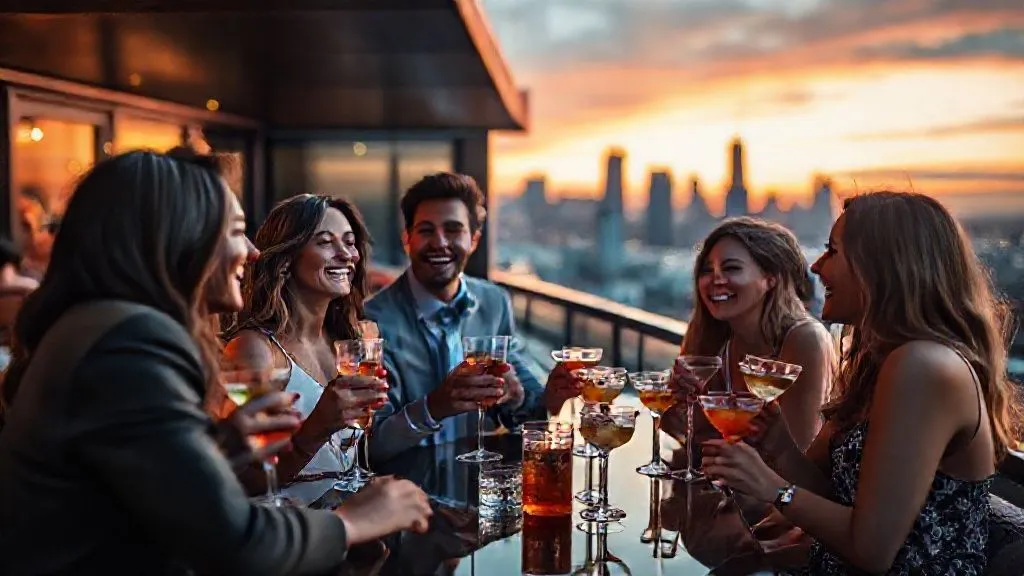
Consider the following characteristics of a truly upscale venue for client entertainment:
- Impeccable Service: Attentive, discreet, proactive, and anticipatory without being intrusive.
- Sophisticated Ambiance: Thoughtful design, comfortable seating, appropriate lighting and music levels for conversation.
- Exclusivity & Privacy: Not necessarily private rooms, but a layout that allows for intimate conversation without feeling exposed.
- Quality Offerings: Premium beverages, expertly crafted cocktails, and perhaps a concise, high-quality food menu.
- Professional Clientele: A crowd that reflects similar values of respect and professionalism.
“Upscale isn't about the price tag; it's about the entire sensory and experiential package. It's the feeling of effortless elegance, where every detail is considered, allowing your client to relax and engage without distraction.”

Building a Preferred Venue Roster: Your Go-To List
The Value of Established Relationships
One of the most powerful strategies I've cultivated over the years is building a roster of preferred, vetted venues. These are places where you or your trusted colleagues have had consistently positive experiences. Establishing relationships with their management or event coordinators can be incredibly beneficial, especially for urgent requests. When you're a known client, you often gain access to better tables, more flexible booking terms, and a higher level of personalized service and attention to your specific needs, including security and discretion.
This pre-existing trust significantly reduces vetting time for urgent entertainment. You already know their operational standards, their staff's professionalism, and their commitment to guest safety. This allows you to bypass much of the initial digital and on-site reconnaissance, moving straight to confirming availability and specific arrangements. It’s an investment that pays dividends in peace of mind and operational efficiency.
Dynamic Vetting: Not a One-Time Task
The nightlife and hospitality landscape is dynamic. Venues change management, staff, and even their core clientele. A place that was excellent six months ago might have slipped in standards today. Therefore, your preferred venue roster should not be static. Implement a system of 'dynamic vetting' where you periodically (e.g., quarterly or semi-annually) re-evaluate your go-to places. This could involve a quick check of recent online reviews, a discreet drop-in visit, or feedback from colleagues who have recently visited.
Staying current ensures that your recommendations remain relevant, safe, and truly upscale. It's a proactive measure that prevents complacency and protects your reputation. Regularly updating your list with new, promising venues while culling those that no longer meet your stringent standards is key to long-term success in client entertainment. For further reading on maintaining quality standards in hospitality, Harvard Business Review often publishes relevant articles.
Contingency Planning: What If Things Go Wrong?
Pre-Arranged Transport
The evening doesn't end when the last drink is served. Ensuring your client's safe departure is just as critical as their arrival. Always pre-arrange reliable, professional transportation for your client. This could be a reputable taxi service, a luxury car service, or a trusted ride-sharing option. Provide clear instructions and confirm the details with the client beforehand. This small gesture demonstrates immense care and professionalism, and it removes any ambiguity or risk associated with finding transportation late at night in an unfamiliar city.
Having a pre-paid or pre-arranged account with a transport provider also simplifies the process, preventing any awkward payment situations at the end of the evening. It’s the final touch of a meticulously planned and executed client experience, ensuring they leave feeling safe, valued, and well-cared for.
Designating a Responsible Point Person
For any client entertainment, especially involving nightlife, it's crucial to designate a responsible point person from your team. This individual should ideally remain sober, or at least highly cognizant, throughout the evening. Their role is to discreetly oversee the flow of the evening, anticipate potential issues, and be prepared to act if anything goes awry. They are the eyes and ears, ensuring the client is comfortable, the service is up to par, and any minor hiccups are handled before they become major problems.
This person should have all relevant contact information (client's assistant, company security, emergency services) readily accessible. Their presence provides a layer of active oversight that can make all the difference in maintaining a safe and professional environment. It’s a silent guardian role that ensures the night runs smoothly and any unforeseen challenges are met with a calm, capable response.
Emergency Contacts and Protocols
Despite all vetting and planning, unforeseen circumstances can arise. Before stepping out, ensure you have a clear, concise emergency protocol. This includes: having the direct contact information for local emergency services (police, ambulance), the contact details for your client's local embassy or consulate (if they are international), and your company's internal security or crisis management team. Share this information discreetly with your designated point person.
Briefly familiarize yourself with the venue's emergency exits and assembly points upon arrival. While you hope never to use them, being prepared is the hallmark of true professionalism and responsibility. This level of foresight, even for a social engagement, underscores your commitment to your client's safety and well-being, building an unparalleled level of trust. A proactive approach to potential issues is far more effective than a reactive scramble.

Frequently Asked Questions (FAQ)
Q: How do I handle an urgent request with no time for on-site vetting? A: In such urgent scenarios, lean heavily on your digital deep dive and your pre-vetted roster. Prioritize venues with extensive, consistently positive reviews across multiple platforms, especially those mentioning strong security and professional service. If possible, make a quick, anonymous phone call to the venue's management to gauge their responsiveness and clarity on security protocols. Trust your gut; if something feels off, choose a known safe alternative, even if it's less 'flashy.' Leverage your network for real-time recommendations from trusted colleagues who might have recently visited.
Q: What are common red flags I should look for online during the vetting process? A: Beyond obvious safety concerns, look for reviews mentioning aggressive touts or promoters outside the venue, inconsistent pricing, overly pushy staff, a high frequency of 'one-star' reviews without management response, or a social media feed that shows overly chaotic or unmanaged crowds. Photos that depict a stark difference from the 'upscale' image advertised can also be a significant red flag. Any mention of licensing issues or past incidents in local news is an immediate disqualifier.
Q: Is it appropriate to ask about a venue's security measures directly? A: Absolutely, and it's highly recommended. A truly professional and upscale venue will appreciate your concern for safety and will be transparent about their security protocols, staff training, and emergency procedures. Frame your questions professionally, explaining that you're planning an important corporate event and client safety and comfort are paramount. If a venue is evasive or dismissive, consider that a major red flag about their commitment to guest well-being.
Q: How important is cultural sensitivity in venue selection for international clients? A: Cultural sensitivity is paramount. What is considered 'upscale' or 'appropriate' can vary significantly across cultures. Research your client's cultural background regarding social norms, alcohol consumption, music preferences, and appropriate entertainment settings. For example, some cultures may prefer quieter, more private settings over loud, bustling venues. Always err on the side of caution and choose venues that are universally recognized for their discretion and refined atmosphere, avoiding anything that could be perceived as disrespectful or overly casual.
Q: What's the best way to ensure client privacy at a public venue? A: While complete privacy in a public venue is impossible, you can maximize discretion. Choose venues known for their spacious layouts, private booths, or semi-private areas. Make a reservation for a table away from high-traffic areas or entrances. Inform the venue in advance that you require a discreet setting for a business meeting. Consider a venue with a more mature, professional clientele who are less likely to be disruptive. Finally, avoid overly flashy or 'seen-and-be-seen' venues where your client might feel exposed.
Key Takeaways and Final Thoughts
Navigating the complexities of vetting safe, upscale city nightlife for urgent client entertainment is a demanding task, but one that, when executed flawlessly, can significantly bolster your professional relationships and company reputation. It requires a blend of digital savviness, on-the-ground intuition, proactive questioning, and thoughtful client-centric curation.
- Start with a Digital Deep Dive: Cross-reference reviews and analyze the venue's online footprint for consistent patterns and red flags.
- Prioritize On-Site Reconnaissance: If time allows, a discreet visit offers invaluable qualitative insights into safety and ambiance.
- Conduct Operational Due Diligence: Don't hesitate to ask management about security, licensing, and billing transparency.
- Curate for the Client: Match the venue to your client's preferences and cultural background, remembering that 'upscale' is about experience, not just price.
- Build a Vetted Roster: Cultivate a list of trusted venues and dynamically re-vet them to stay current.
- Plan for Contingencies: Arrange transport, designate a point person, and have emergency contacts ready.
Remember, your primary goal is to create an environment where your client feels valued, secure, and comfortable enough to engage authentically. By applying this systematic framework, you're not just organizing an outing; you're strategically investing in a successful business relationship, safeguarding your company's image, and demonstrating a level of professionalism that truly sets you apart. Approach each client entertainment opportunity not as a chore, but as a chance to showcase meticulous planning and unwavering commitment to excellence. Your proactive approach will undoubtedly leave a lasting, positive impression.
Recommended Reading
- Unlock Safe Fun: What Water Sports Are Perfect for Kids on Beach Holidays?
- 7 Ways to Elevate Business Trips: Integrating Unique Roadside Stops?
- Mastering Self-Rescue: Your Ultimate Guide to Multi-Pitch Ice Climbs
- 7 Proven Strategies: Maximize Your Luxury Glamping Investment Returns
- 5 Steps: Rapidly Re-Plan Your Epic Road Trip After Border Closures



Your email address will not be published. Required fields are marked *