

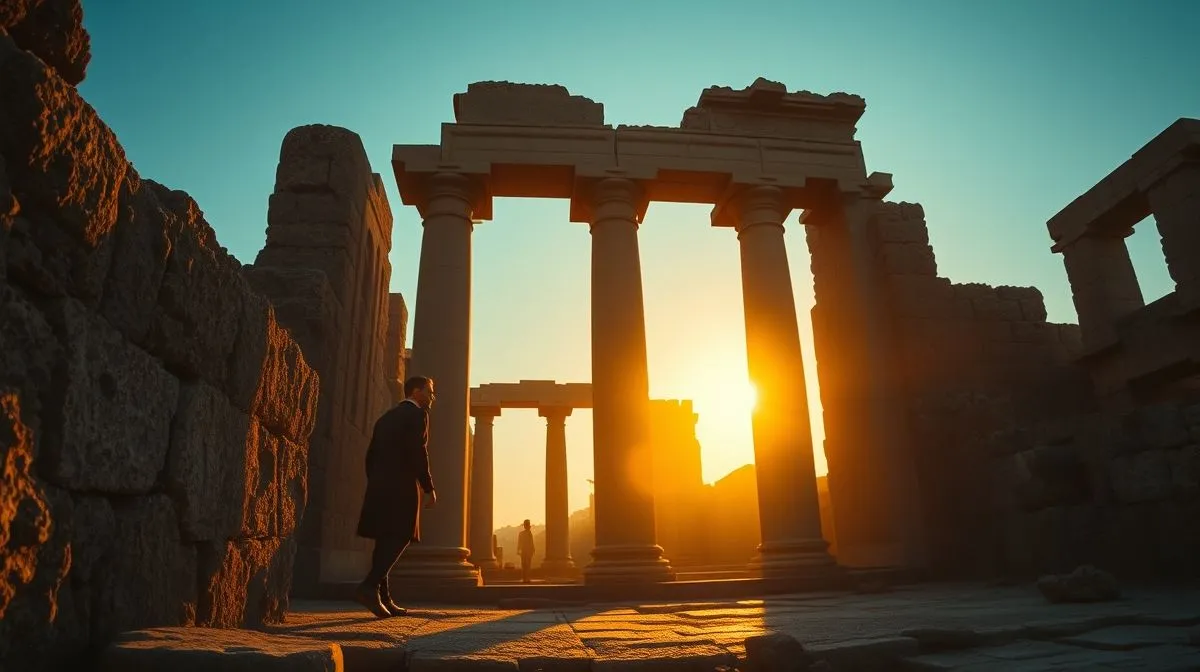
What Cultural Etiquette Applies to Visiting Ancient Ruins?
Imagine standing amidst the colossal remnants of a forgotten civilization, feeling the whispers of history carried on the wind. The air is thick with stories of empires, rituals, and daily lives that unfolded centuries, even millennia, ago. For many, this is a dream come true, a profound connection to humanity's shared past. Yet, for Sarah, a well-meaning tourist in Rome, her dream quickly turned into an awkward encounter when her loud selfie stick disrupted a quiet moment of reflection for a local worshipper at a sacred site.
This anecdote highlights a crucial, often overlooked aspect of historical tourism: the need for profound respect and understanding. Beyond the awe-inspiring architecture and the sheer thrill of discovery, ancient ruins are not merely tourist attractions; they are often sacred spaces, burial grounds, or places of immense cultural significance to local communities. The question then arises: What cultural etiquette applies to visiting ancient ruins? How can we ensure our presence enhances, rather than detracts from, these irreplaceable treasures?
This comprehensive guide will equip you with the essential knowledge and practical advice to navigate these hallowed grounds with sensitivity and respect. You will learn how to honor local traditions, preserve delicate structures, and ensure your visit contributes positively to the conservation of our global heritage. By the end, you'll be prepared to embark on your historical adventures as a truly responsible and enlightened traveler.
Understanding the Sacredness: Why Etiquette Matters
At the heart of cultural etiquette lies a fundamental principle: respect. Ancient ruins are not just piles of old stones; they are tangible links to human history, often imbued with spiritual significance, ancestral memories, and deep cultural meaning for contemporary communities. Disregarding their sacred or historical value can be deeply offensive and, in some cases, cause irreparable harm.
More Than Just Stones: The Spiritual and Historical Significance
Many ancient sites, from the temples of Angkor Wat to the pyramids of Teotihuacan, were once centers of religious worship, political power, or community life. They are often considered living entities by local populations, places where spirits reside or where historical narratives continue to unfold. For example, indigenous communities in Peru view Machu Picchu not just as an archaeological wonder but as a sacred mountain (Apu) and a spiritual sanctuary. Understanding this deeper context is the first step toward respectful engagement.
When you visit such a site, you are stepping onto ground that might have witnessed solemn ceremonies, pivotal battles, or the daily lives of countless generations. Your actions, no matter how small, can either affirm this legacy or inadvertently disrespect it. This understanding forms the bedrock of responsible tourism, transforming a mere sightseeing trip into a meaningful cultural exchange.
Protecting the Past for Future Generations
Beyond cultural sensitivity, proper etiquette is vital for the physical preservation of these irreplaceable sites. Many ancient structures are incredibly fragile, vulnerable to erosion, vandalism, and the sheer impact of millions of visitors. Foot traffic, touching delicate surfaces, or removing artifacts, even small ones, contributes to their degradation. The cumulative effect of seemingly minor transgressions can be devastating over time.
As visitors, we bear a collective responsibility to act as temporary custodians of these global treasures. Our adherence to guidelines and our conscious efforts to minimize impact ensure that these sites remain intact for future generations to study, appreciate, and learn from. Organisations like UNESCO's World Heritage Centre tirelessly advocate for the protection and preservation of such sites, and our respectful behavior directly supports their mission.
Respectful Dress Codes: Blending In and Showing Deference
One of the most immediate ways to show respect at ancient sites is through your attire. Dress codes are not always about modesty in the Western sense; they are often about showing deference to the historical, religious, or cultural significance of the location. Researching local customs before you travel can prevent unintentional offense and enhance your experience.
Modesty and Practicality: What to Wear
In many cultures, particularly those with strong religious traditions, covering shoulders and knees is expected, especially when visiting temples, sacred ruins, or sites with active religious significance. This applies to both men and women. Loose-fitting, breathable clothing made from natural fibers is often ideal, as it is comfortable in warm climates and adheres to modesty requirements.
For example, when visiting the temples of Thailand or the ancient city of Bagan in Myanmar, you will be expected to cover your shoulders and knees. Carrying a lightweight scarf or sarong is an excellent way to quickly adapt your outfit as needed. It's not just about avoiding a dress code violation; it's about acknowledging and honoring the local way of life and spiritual beliefs.
Footwear Considerations for Uneven Terrain
Beyond cultural considerations, practical footwear is crucial. Ancient ruins often feature uneven surfaces, loose stones, steep climbs, and dusty paths. Sandals or open-toed shoes might be culturally acceptable but are often impractical and unsafe. Sturdy, closed-toe walking shoes or hiking boots provide necessary support and protection.
Furthermore, at many sacred sites, particularly temples or certain residential areas within ruins, visitors may be required to remove their shoes. This is a common practice in many Asian cultures as a sign of respect. Be prepared to easily slip your shoes on and off, and consider carrying a small bag to carry them if necessary. This small act demonstrates your willingness to engage with and respect local traditions.
Photography Protocols: Capturing Memories Responsibly
In the age of smartphones and social media, the urge to capture every moment is strong. However, at ancient ruins, photography rules often extend beyond mere technical permissions to encompass cultural sensitivities and preservation efforts. Understanding these nuances is crucial for respectful documentation.
When to Shoot, When to Observe
Not all moments are meant for the lens. Sometimes, it's more profound to simply be present, to absorb the atmosphere, and to connect with the history around you without the distraction of a camera. Many sites, especially those with active religious practices, may prohibit photography in certain areas or altogether. Always look for signage indicating photography restrictions, and if in doubt, ask a local guide or official.
Even where photography is permitted, avoid using flash, especially in enclosed spaces or near delicate frescoes and carvings, as it can cause irreversible damage. Be mindful of others; don't block pathways or obscure views for an extended period to get the perfect shot. Remember, your experience is not just about your personal memories, but also about the shared experience of all visitors and the preservation of the site itself.
Respecting Local Beliefs and Prohibitions
Certain areas within ancient ruins might be considered highly sacred, and taking photos of specific altars, statues, or people engaged in prayer might be deemed disrespectful. Always exercise discretion and observe local behavior. If locals are not taking photos in a particular area, it's a strong hint that you shouldn't either. This extends to people; always ask for permission before photographing individuals, especially children or elders.
Furthermore, avoid using selfie sticks or drones without explicit permission, as they can be intrusive and, in some cases, pose a risk to fragile structures or other visitors. The goal is to capture the beauty and history of the site without disturbing its sanctity or risking its integrity. National Geographic's guidelines on ethical travel often emphasize the importance of respectful photography.
Navigating the Sites: Movements and Interactions
Your physical presence and interactions within ancient ruins are just as important as your attire or photography habits. How you move, where you step, and how you engage with the environment and its people can significantly impact the site's preservation and your cultural impression.
Staying on Designated Paths: Preserving Fragile Structures
This is perhaps one of the most critical rules: always stick to marked pathways and designated visitor areas. Ancient structures, especially those made of stone, brick, or adobe, are incredibly vulnerable to erosion from foot traffic. Walking off-path can damage delicate archaeological features, compact soil, disturb sensitive ecosystems, and even uncover dangerous unexcavated areas.
Imagine the cumulative effect of thousands of visitors stepping on an unmarked wall or a fragile mosaic. Each step contributes to its slow destruction. Respecting barriers, ropes, and signs is paramount. If a sign says 'Do Not Touch' or 'Do Not Climb,' it's there for a very good reason – to protect the site and ensure your safety. This disciplined approach is a cornerstone of responsible tourism and directly supports the longevity of these historical treasures.
Interacting with Locals and Guides
Many ancient ruins are located near active communities whose ancestors may have built or lived in these very places. Engaging with local people, including official guides, vendors, and residents, offers a richer, more authentic experience. Always approach interactions with politeness and an open mind. A simple 'hello' or 'thank you' in the local language can go a long way.
When hiring a guide, opt for officially licensed local guides who possess deep knowledge of the site's history, culture, and preservation efforts. They can offer invaluable insights that go beyond what a guidebook can provide. Be respectful of their time and knowledge, and avoid haggling excessively over fair prices, as tourism is often a vital source of income for these communities.
Minimizing Your Environmental and Cultural Footprint
Responsible travel extends beyond immediate site etiquette to encompass your broader environmental and cultural footprint. Every action, from what you consume to how you dispose of waste, contributes to the overall impact of tourism on a destination.
Leave No Trace: Waste Management and Preservation
The principle of 'Leave No Trace' is fundamental. This means carrying out everything you carry in, including all your trash. Ancient sites rarely have extensive waste management systems, and litter not only detracts from the beauty of the site but can also attract pests, damage structures, and pollute the environment. This includes organic waste like fruit peels; while biodegradable, they can still take a long time to decompose and look unsightly.
Furthermore, resist the urge to collect 'souvenirs' like pebbles, shards of pottery, or fragments of stone. Removing even small items contributes to the degradation of the site and is often illegal. These items are part of the archaeological record and their removal destroys context for future study. The best way to remember a site is through photographs and genuine experiences, not through illicitly acquired artifacts.
Supporting Local Economies Ethically
Your economic choices as a tourist have a significant impact. Aim to support local businesses, artisans, and service providers. This means choosing locally owned guesthouses, eating at local restaurants, and purchasing souvenirs directly from artisans rather than mass-produced items. This ensures that the economic benefits of tourism directly support the communities living around the ancient ruins.
Be wary of child begging or exploitative practices. While it can be difficult, engaging with such situations often perpetuates the problem. Instead, seek out reputable local charities or community development projects if you wish to contribute to the welfare of the local population. Your visit should be a positive force, not one that inadvertently causes harm.
Common Pitfalls and How to Avoid Them
Even with the best intentions, travelers can sometimes make mistakes. Being aware of common pitfalls can help you navigate ancient sites with greater confidence and avoid unintentional cultural missteps.
The Allure of Souvenirs: Ethical Considerations
The marketplace outside ancient sites can be tempting, filled with seemingly authentic artifacts. However, purchasing items like unverified ancient coins, pottery fragments, or other 'antiquities' can inadvertently fuel the illegal trade in cultural heritage. This trade contributes to the looting of archaeological sites, destroying invaluable historical context and often funding illicit activities.
When buying souvenirs, opt for handcrafted items made by local artisans. These purchases directly support the community and celebrate contemporary culture rather than contributing to the destruction of the past. Always ensure you are buying from reputable sources and, if in doubt about an item's origin, it's best to err on the side of caution and not purchase it. For more on this, the Archaeological Institute of America offers resources on protecting cultural heritage.
Loud Behavior and Group Dynamics
Ancient ruins, regardless of their original purpose, often evoke a sense of solemnity and reverence. Loud conversations, boisterous laughter, or disruptive group activities can be highly disrespectful to the site's historical significance and to other visitors who are seeking a contemplative experience. Maintain a moderate volume, especially in enclosed spaces like tombs or temples where echoes can amplify sound.
If you are part of a tour group, ensure your guide reinforces respectful behavior. Large groups can sometimes inadvertently become overwhelming or disruptive. Encourage your group to move mindfully, avoid blocking paths, and respect the personal space and quietude of other visitors. Remember, you are a guest in a place of immense historical and cultural importance, and your conduct should reflect that.
Before You Go: Research and Preparation are Key
The most effective way to practice good cultural etiquette at ancient ruins begins long before you pack your bags. Thorough research and preparation are invaluable tools for responsible travel, enabling you to immerse yourself fully and respectfully in your destination.
Understanding Local Customs and Laws
Every country and every region within a country will have its own unique set of cultural norms, religious practices, and specific laws regarding historical sites. Before your trip, dedicate time to researching the specific etiquette expected at the ruins you plan to visit. This includes understanding dress codes, photography rules, and any prohibitions on touching or climbing structures.
Online travel forums, official tourism websites, and reputable guidebooks are excellent resources. Knowing these details in advance empowers you to make informed decisions and avoid unintentional gaffes. For instance, in some places, pointing with your finger might be considered rude, while in others, specific hand gestures could be offensive. Being informed allows for a smoother and more respectful interaction with the local culture.
Learning Basic Phrases: A Gesture of Goodwill
Even a few words of the local language can make a profound difference. Learning simple greetings like 'hello,' 'please,' 'thank you,' and 'excuse me' in the native tongue demonstrates respect and a willingness to connect with the local culture. Locals often appreciate the effort, even if your pronunciation isn't perfect.
This small gesture can open doors to more genuine interactions, foster goodwill, and make your overall travel experience more enriching. It shows that you are not just a tourist passing through, but a visitor who values the local people and their heritage. This level of engagement significantly enhances your understanding of what cultural etiquette applies to visiting ancient ruins.
Frequently Asked Questions (FAQ)
Q: Is it okay to touch the ancient ruins? A: Generally, no. Most ancient ruins are incredibly fragile. Touching surfaces, even seemingly durable stone, can contribute to erosion, transfer oils, and accelerate degradation. Always adhere to 'Do Not Touch' signs and err on the side of caution.
Q: Can I take souvenirs from the site, like small stones or pottery shards? A: No, it is strictly forbidden and unethical. Removing any item from an archaeological site, no matter how small, is a form of looting. These items are part of the historical record and their removal destroys context and contributes to the site's degradation. Purchase locally made handicrafts instead.
Q: What should I do if I see someone else behaving disrespectfully? A: If possible and safe, you can politely and discreetly inform them of the rules or cultural norms, or alert a site official or guide. Avoid direct confrontation, especially if it could escalate the situation. Lead by example with your own respectful behavior.
Q: Are drones allowed for photography at ancient ruins? A: Drone usage is highly restricted or entirely prohibited at most ancient ruins due to safety concerns, potential damage to structures, privacy issues, and security. Always check specific site regulations and obtain proper permits well in advance, if they are even offered.
Q: How can I ensure my visit benefits the local community? A: Support local businesses (restaurants, guesthouses, shops), hire official local guides, and purchase authentic, locally made crafts. Avoid contributing to exploitative practices like child begging. Your financial contributions should directly benefit the people who live near and care for these sites.
Recommended Reading
- Unlock the Ultimate Packing List: What to Pack for a Luxury Ski Resort?
- Ultimate Guide: Best Winter Sports Photography Settings
- Uncover the Soul: Where to Experience Traditional Music on Cultural Trips?
- The Ultimate Guide: How to Determine If a Frozen Lake is Safe?
- Decoding Space Tourism: Commercial Spaceflight Safety Regulations Explained
Conclusion
Visiting ancient ruins is an extraordinary privilege, offering a tangible connection to humanity's past. By understanding and adhering to the cultural etiquette that applies to these irreplaceable sites, we transform ourselves from mere tourists into responsible guardians of heritage. From dressing respectfully and observing photography protocols to staying on designated paths and supporting local economies, every conscious action contributes to the preservation of these wonders for future generations. Embrace the journey with an open heart and a respectful mind, and your experience will not only be profoundly enriching but also a positive contribution to the continued legacy of our shared global history.



Your email address will not be published. Required fields are marked *