

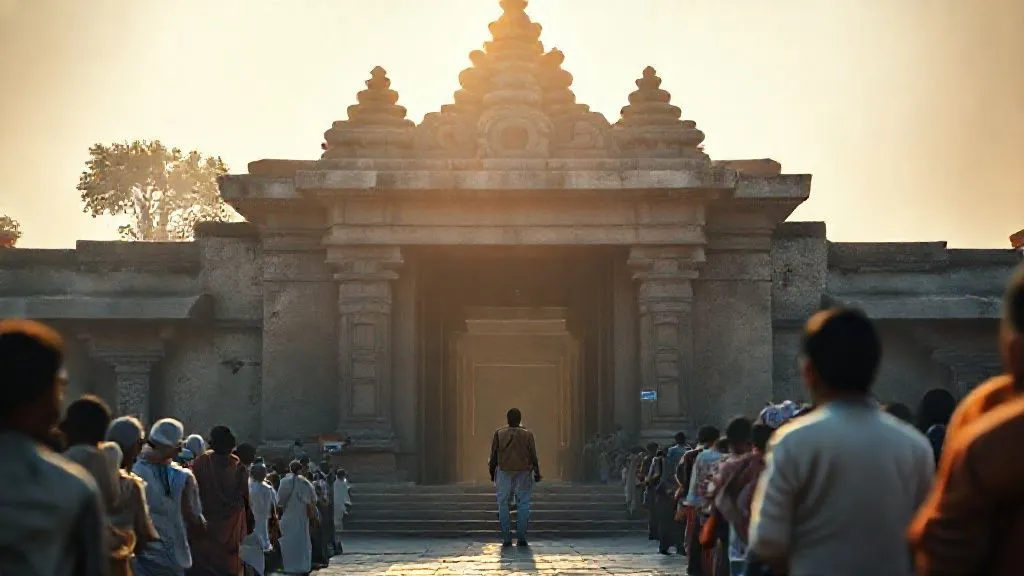
How to Balance Visitor Volume with Preserving Sacred Site Integrity?
For over two decades in the cultural and religious travel sector, I've witnessed firsthand the profound beauty and transformative power of sacred sites. But I've also seen the devastating impact when their delicate balance is disrupted, when the very reverence they inspire inadvertently leads to their degradation.
The challenge is palpable: how do we honor the universal desire to experience these hallowed grounds for spiritual solace, historical understanding, or cultural immersion, without inadvertently eroding the very essence that makes them sacred? This isn't just an administrative problem; it's an existential crisis for these irreplaceable repositories of human spirit and history.
This article isn't just about theory; it's a distillation of my experience and insights, offering actionable frameworks, a real-world mini case study, and expert-backed strategies to help you navigate the complex tightrope walk of balancing visitor volume with preserving sacred site integrity. We'll explore innovative approaches that respect both the pilgrim and the pilgrimage site.
Understanding the Dual Imperative: Access and Preservation
The core of this challenge lies in a dual imperative: ensuring access for pilgrims and visitors while rigorously preserving the physical, cultural, and spiritual integrity of the site. One without the other is a failure. Unrestricted access can lead to irreversible damage, diluting the spiritual experience and eroding historical artifacts. Conversely, excessive restriction can alienate communities, limit cultural exchange, and deny spiritual seekers their rightful journey.
In my experience, many organizations default to either extreme. They either throw open the gates, hoping for the best, or they shut down access, creating an exclusive, often financially unsustainable model. Neither serves the long-term health of the site or the broader community it serves. As Dr. Lynn Meskell, a leading expert in heritage studies, often emphasizes, "Preservation without access is an archaeological triumph but a cultural failure." We must strive for a harmonious coexistence.
The Science of Carrying Capacity: Beyond Simple Numbers
Defining "too many" visitors is far more complex than a simple headcount. It requires a nuanced understanding of carrying capacity, which encompasses physical, social, and ecological dimensions. Simply put, carrying capacity is the maximum number of people that a site can sustain without irreversible damage to its resources or a significant decline in the quality of the visitor experience.
Physical Carrying Capacity: The Structural Limits
This refers to the absolute physical limits of a site – how many people can safely occupy a space at one time without causing structural damage, excessive wear and tear on pathways, or overcrowding that poses safety risks. Think of ancient steps eroding under millions of footsteps or narrow corridors becoming bottlenecks.
Social Carrying Capacity: The Experiential Threshold
This is about the quality of the visitor experience. When does the presence of others diminish the spiritual or contemplative nature of a sacred space? When does a sense of awe turn into frustration with crowds? This is often subjective but critical for religious tourism, where personal reflection is paramount.
Ecological Carrying Capacity: The Environmental Footprint
Many sacred sites are nestled within or are themselves natural environments. This capacity considers the impact on local flora and fauna, water resources, waste management, and air quality. Excessive visitor numbers can disrupt ecosystems, pollute natural features, and strain local infrastructure.
Understanding these three dimensions allows us to set informed limits and implement strategies that are tailored to the specific vulnerabilities of each site. Ignoring any one of them is a recipe for long-term decline.
To illustrate these concepts, consider the following comparisons:
| Capacity Type | Definition | Example Impact |
|---|---|---|
| Physical | Structural limits & safety | Eroding pathways, structural strain |
| Social | Quality of visitor experience | Loss of serenity, overcrowding stress |
| Ecological | Environmental footprint | Waste accumulation, habitat disruption |
Implementing Advanced Visitor Management Systems
Once carrying capacities are understood, the next step is to implement sophisticated systems that manage visitor flow without resorting to outright bans. This is where technology and thoughtful planning become invaluable.
- Time-Slot Ticketing and Reservations: This is perhaps the most effective immediate solution. By requiring visitors to book specific entry times, sites can regulate hourly and daily influxes, ensuring a smoother flow and preventing peak-hour congestion. This also allows for dynamic pricing, encouraging off-peak visits.
- Tiered Access and Guided Tours: Implement different levels of access. For instance, certain highly sensitive areas might only be accessible via small, guided tours with specially trained guides, while less sensitive areas remain open for general exploration. This enhances the educational aspect and ensures respectful conduct.
- Smart Monitoring and Data Analytics: Utilize sensor technology, CCTV, and Wi-Fi tracking (anonymized, of course) to monitor real-time visitor density in different zones. This data can inform on-the-fly decisions, such as temporarily closing a section or redirecting visitors, and provide long-term insights for planning. According to a report by the UN World Tourism Organization (UNWTO), smart destination management is crucial for sustainable tourism.
- Visitor Flow Design: Designate clear pathways, one-way systems, and designated viewing areas. Use subtle cues like lighting, soundscapes, and even scent to guide visitors and encourage contemplative behavior, subtly influencing their movement and interaction with the space.
Fostering Respect and Education: The Pilgrim's Ethos
Technology and logistics are crucial, but they are only part of the solution. Cultivating a deep sense of respect and responsibility among visitors is equally vital. This shifts the burden from constant policing to self-regulation, driven by understanding and empathy.
- Pre-Arrival Information: Provide comprehensive pre-visit information online and via booking confirmations. This should cover dress codes, behavioral expectations, photography rules, and the spiritual significance of the site. A well-informed visitor is a respectful visitor.
- On-Site Signage and Interpretive Materials: Beyond basic directions, signage should convey the site's history, spiritual meaning, and the fragility of its elements. Utilize QR codes for multilingual audio guides or deeper digital content.
- Cultural Sensitivity Training for Guides: Ensure all tour guides, whether internal or external, are thoroughly trained not just in history, but in cultural and religious etiquette. They are often the primary point of contact and can powerfully shape visitor behavior.
- Storytelling to Enhance Spiritual Connection: Instead of merely presenting facts, engage visitors through compelling narratives that highlight the lives of saints, the struggles of devotees, or the profound wisdom embedded in the site. A deeper connection fosters greater respect.
"Responsible tourism is not just about minimizing negative impacts; it's about maximizing positive experiences for both visitors and hosts, fostering mutual respect and cultural exchange." - A core principle I've championed for years.
Case Study: The Serenity Temple Initiative
The fictional Serenity Temple, a revered Buddhist site known for its ancient murals, faced severe degradation from visitor touch and flash photography. Their solution, "The Serenity Temple Initiative," focused heavily on education. They implemented a mandatory 15-minute pre-entry video explaining the murals' spiritual significance and fragility, combined with guided tours led by monks who shared personal anecdotes of their spiritual journey within the temple. They also provided soft gloves for visitors permitted near certain artifacts and banned flash photography outright. Within two years, recorded instances of accidental damage dropped by 70%, and visitor feedback highlighted a significantly more profound and respectful experience. This demonstrates how a proactive educational approach can profoundly impact visitor behavior and site preservation.
Diversification and Decentralization: Spreading the Load
Sometimes, the best way to manage visitor volume at one site is to encourage visits to other, equally significant but less-trafficked locations. This strategy requires a broader regional vision.
- Developing Alternative Pilgrimage Routes: Create and promote new routes that connect multiple sacred sites, dispersing visitors across a wider geographical area. This can enrich the visitor experience by offering a more comprehensive spiritual journey.
- Promoting Lesser-Known Sacred Sites: Actively market and develop infrastructure for smaller, overlooked sacred places that can offer equally meaningful experiences. This requires investment in local communities and careful planning to avoid simply shifting the problem.
- Community Involvement in New Offerings: Ensure that local communities are central to the development of these new offerings. Their involvement guarantees authenticity, provides economic benefits, and fosters a sense of ownership and stewardship. This approach aligns with the principles of sustainable tourism development, as advocated by organizations like UNESCO in their cultural heritage programs.
Leveraging Technology for Conservation and Experience
Beyond visitor management, technology offers powerful tools for both preserving sites and enhancing the visitor experience in ways that reduce physical impact.
- Virtual Reality (VR) for Remote Access: For highly sensitive or restricted areas, create immersive VR experiences. This allows a global audience to "visit" and learn about the site without physically being there, reducing pressure on the actual location.
- Augmented Reality (AR) for Information Overlay: On-site, AR apps can overlay historical reconstructions, spiritual texts, or interactive explanations onto the physical environment through a smartphone or tablet. This reduces the need for intrusive physical signage and encourages deeper engagement.
- Sensor Technology for Environmental Monitoring: Deploy sensors to monitor microclimates, humidity, temperature, and air quality within sacred structures. These data points are crucial for preventing deterioration of delicate materials like frescoes, ancient manuscripts, or wooden structures.
- 3D Scanning and Digital Archiving: Create highly detailed 3D digital models of artifacts and structures. This not only serves as a permanent record for future restoration but also allows for virtual exploration and study without physical handling. Research from institutions like Harvard University's Digital Heritage Initiative frequently highlights the critical role of these technologies.
Engaging Local Communities as Stewards and Beneficiaries
No long-term preservation strategy for a sacred site can succeed without the active and empowered involvement of its local community. They are the frontline guardians and the primary beneficiaries of responsible tourism.
- Empowerment and Training: Invest in training local residents to become guides, artisans, hospitality providers, and site managers. This creates local ownership and ensures that cultural narratives are communicated authentically.
- Economic Benefits: Ensure that a significant portion of tourism revenue directly benefits the local community through fair wages, local procurement, and community development projects. This creates a strong incentive for locals to protect the site.
- Co-Management Models: Establish formal co-management agreements where local community representatives, religious leaders, and heritage experts jointly make decisions about site management, visitor access, and conservation efforts. This builds trust and ensures culturally sensitive approaches.
- Cultural Exchange Programs: Facilitate genuine cultural exchange between visitors and locals. This moves beyond mere observation to meaningful interaction, enriching the experience for both sides and fostering mutual respect.
Policy, Partnerships, and Funding for Long-Term Sustainability
Achieving a sustainable balance requires a robust framework of policies, strong partnerships, and reliable funding mechanisms. This is often where the rubber meets the road in terms of long-term viability.
- Clear Policy Frameworks: Governments and site authorities must establish clear, enforceable policies regarding visitor numbers, environmental protection, cultural heritage laws, and community engagement. These policies should be regularly reviewed and updated.
- Multi-Stakeholder Partnerships: Forge alliances between government bodies, religious institutions, local communities, NGOs, tourism operators, and academic institutions. Each brings unique expertise and resources to the table.
- Sustainable Funding Mechanisms: Explore diverse funding sources beyond ticket sales. This can include conservation fees, endowments, grants from heritage organizations, and philanthropic donations. A portion of revenue should be earmarked specifically for site maintenance, conservation, and community development.
- International Collaboration: For sites of global significance, engage with international bodies like ICOMOS (International Council on Monuments and Sites) or the World Heritage Centre. Their expertise, guidelines, and potential funding can be invaluable.
"The preservation of sacred sites is not a cost, but an investment in our collective human heritage and spiritual future. It requires foresight, collaboration, and unwavering commitment." - My conviction after years in this field.
Frequently Asked Questions (FAQ)
How do you measure the spiritual impact of overtourism? Measuring spiritual impact is challenging but crucial. It involves qualitative research: interviewing pilgrims about their experience, observing behavior for signs of reverence or disrespect, analyzing visitor feedback for mentions of tranquility or disruption, and consulting local religious leaders on the perceived "sacredness" of the space. Changes in local religious practices or community engagement can also be indicators.
What role do local religious leaders play in visitor management? Local religious leaders are absolutely central. They are the spiritual custodians of the site and often the most respected voices in the community. Their involvement ensures that visitor management strategies are culturally and spiritually appropriate, respect local customs, and maintain the authentic character of the site. They can also serve as powerful educators and advocates for responsible behavior.
Can technology truly replace the 'in-person' sacred experience? No, technology cannot fully replace the visceral, sensory, and spiritual experience of physically being present at a sacred site. However, it can serve as a powerful complementary tool. VR can provide access to those who cannot travel, AR can enrich on-site learning without physical impact, and digital archives ensure preservation for future generations. It's about enhancing and protecting, not replacing.
How can small, remote sacred sites afford these advanced solutions? Affordability is a common concern. Small sites can look for grants from heritage foundations, collaborate with universities for research and technology development, and leverage volunteer expertise. Phased implementation, starting with low-cost solutions like basic online booking and educational signage, can build capacity. Community-based tourism initiatives can also generate revenue that can be reinvested.
What are the biggest challenges in getting stakeholders to agree on limits? The biggest challenge is often conflicting interests: tourism operators prioritizing visitor numbers, local businesses focusing on immediate economic gain, and conservationists emphasizing strict preservation. Overcoming this requires transparent communication, robust data to demonstrate impacts, equitable benefit-sharing models, and strong leadership that can mediate and articulate a shared long-term vision for the site's sustainable future.
Key Takeaways and Final Thoughts
Achieving the delicate balance of welcoming visitors while preserving the integrity of sacred sites is a complex but achievable goal. It requires a multi-faceted approach, blending careful planning with empathetic understanding.
- Understand Carrying Capacity: Go beyond simple numbers to assess physical, social, and ecological limits.
- Implement Smart Management: Utilize time-slots, tiered access, and data analytics to control flow.
- Prioritize Education: Foster respect through pre-arrival information, on-site storytelling, and trained guides.
- Diversify and Decentralize: Spread visitor load by promoting alternative routes and sites.
- Leverage Technology: Use VR, AR, and sensors for conservation and enhanced, low-impact experiences.
- Empower Local Communities: Involve residents as stewards and ensure they benefit economically.
- Build Strong Frameworks: Establish clear policies, robust partnerships, and sustainable funding.
The journey to effectively balance visitor volume with preserving sacred site integrity is ongoing, requiring constant adaptation and a deep commitment to both heritage and humanity. By embracing these strategies, we can ensure that these profound places continue to inspire, educate, and offer spiritual solace for generations to come, truly honoring their sacred trust.
Recommended Reading
- 7 Steps to Safely Transport Your Racing Wheelchair on International Flights
- 5 Steps: Executive Retreats for Coral Reef Conservation Impact
- How to Vet Culturally Authentic Folk Dance Groups for Tours: 7 Expert Steps
- How Do Ski Resorts Adapt to Declining Snowfall? 7 Innovative Strategies
- 7 Proven Strategies for Battling Burnout on Cross-Country Road Trips




Your email address will not be published. Required fields are marked *