

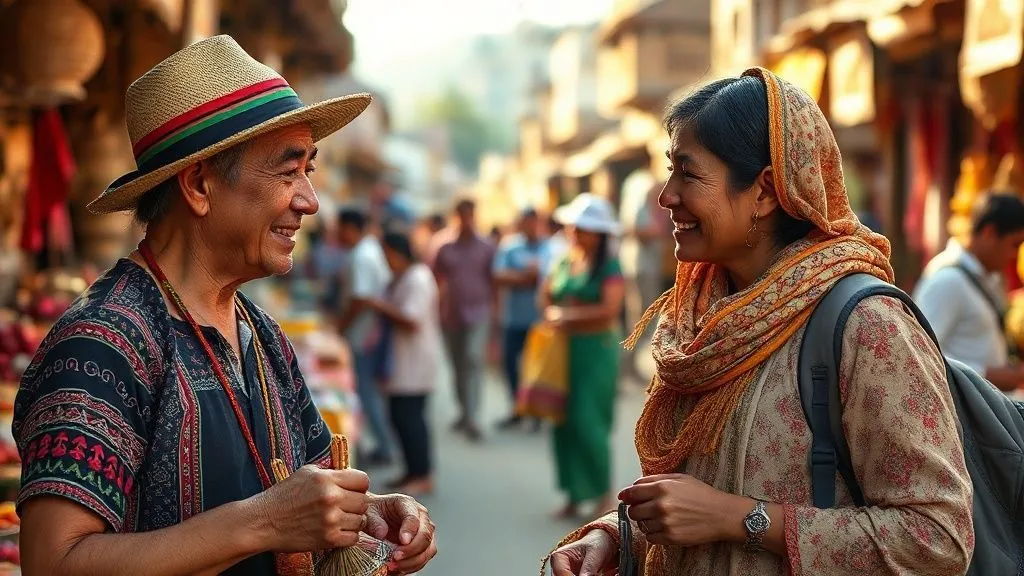
How to Craft Ethical Cultural Festival Tours Avoiding Overtourism?
For over two decades in the vibrant, ever-evolving world of festival travel, I've witnessed the incredible power of cultural celebration to connect people, preserve traditions, and boost local economies. However, I've also seen the devastating flip side: the erosion of authenticity, the strain on resources, and the resentment of local communities when tourism becomes a relentless, unmanaged tide. It's a delicate balance, and often, the scales tip dangerously towards exploitation.
The problem is clear: unchecked tourism, driven by a thirst for "authentic" experiences, paradoxically destroys the very authenticity it seeks. Overtourism isn't just about crowded streets; it's about cultural commodification, environmental degradation, and the displacement of local life. As tour operators, we bear a significant responsibility to protect these precious cultural assets, not just profit from them.
This guide isn't just a discussion; it's a framework born from years of practical experience and deep reflection. I will walk you through actionable strategies and innovative approaches on how to craft ethical cultural festival tours avoiding overtourism, ensuring your ventures are not only profitable but also profoundly positive for the destinations and cultures you engage with. We'll explore everything from meticulous planning to empowering local communities and educating your travelers to become true cultural ambassadors.
Understanding the Double-Edged Sword of Festival Tourism
The Allure of Cultural Festivals: A Deep Dive
Cultural festivals are windows into the soul of a community. They are vibrant expressions of history, belief systems, artistic traditions, and communal identity. From the solemn rituals of ancient harvest festivals to the exuberant parades celebrating national heritage, these events offer travelers an unparalleled opportunity for immersion and understanding. The demand for such authentic encounters continues to grow, attracting visitors eager to move beyond conventional sightseeing.
As an industry specialist, I’ve seen firsthand how these experiences can transform travelers, fostering empathy and a deeper appreciation for global diversity. This unique appeal makes festival travel a powerful niche, but it also comes with inherent challenges that demand a thoughtful, ethical approach.
The Shadow of Overtourism: A Deeper Dive into its Impact
While the economic benefits of tourism are undeniable, the unchecked influx of visitors can quickly turn a blessing into a burden. Overtourism manifests in many ways: environmental strain from increased waste and resource consumption, inflated living costs for locals, cultural dilution as traditions are altered for tourist consumption, and the simple loss of peace and quiet for residents. It's a complex issue, often driven by a lack of foresight and sustainable planning.
"Overtourism isn't merely a numbers game; it's a profound imbalance where the needs of visitors overwhelm the capacity and well-being of the host community. Our challenge is to restore that balance, fostering genuine cultural exchange without depleting the very essence of what makes these festivals special."
The impact is particularly acute in cultural festival settings, where the intimate nature of local traditions can be easily disrupted by large, insensitive crowds. This is precisely why understanding how to craft ethical cultural festival tours avoiding overtourism is not just good practice, but an urgent necessity for the longevity of both the festivals and our industry.
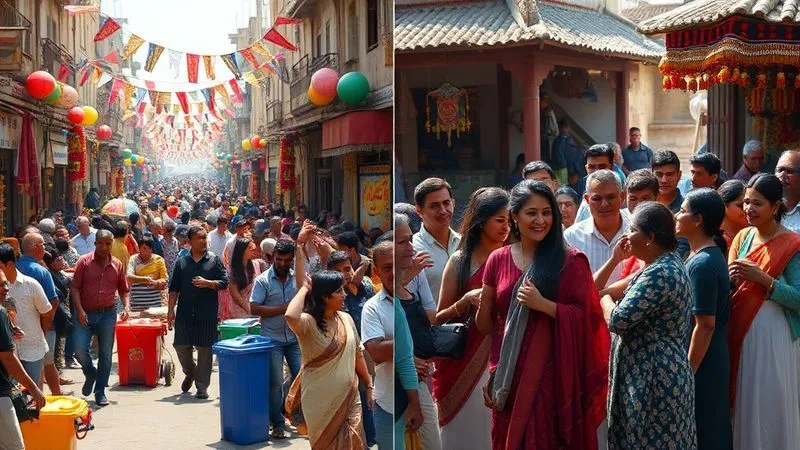
Foundational Principles: The Pillars of Ethical Festival Travel
Prioritizing Local Communities: Beyond the Photo Op
At the heart of ethical festival travel is the commitment to the host community. This means ensuring that the benefits of tourism are equitably distributed and that local voices are heard and respected. It's about empowering residents, not just employing them in low-wage service roles. We must move beyond superficial interactions and facilitate meaningful engagement that genuinely supports local livelihoods and cultural continuity.
This involves sourcing goods and services from local, family-owned businesses, hiring local guides who can offer authentic insights, and ensuring that any financial contributions or fees directly benefit the community, not just external intermediaries. It’s about building relationships of mutual respect and understanding.
Environmental Stewardship: Leaving No Trace
Every tour operator has a responsibility to minimize their environmental footprint. Cultural festivals, often held in historical or natural settings, are particularly vulnerable to ecological damage. This principle extends from waste management and responsible resource consumption to minimizing transportation emissions.
Encouraging travelers to use reusable water bottles, supporting festivals with strong recycling initiatives, and opting for eco-friendly accommodations are just a few steps. The goal is to leave the destination in the same, if not better, condition than we found it, ensuring its beauty and resources remain for future generations and local residents.
Cultural Sensitivity: Respecting Traditions
Cultural sensitivity is paramount. This means educating travelers on local customs, dress codes, etiquette, and the significance of the festival itself. It’s about being an invited guest, not an intruder. Avoiding disruptive behavior, seeking permission before taking photographs, and participating respectfully in ceremonies are crucial.
True cultural sensitivity also involves understanding the festival's deeper meaning to the community and ensuring that our presence enhances, rather than detracts from, its spiritual or communal value. As the UNWTO (World Tourism Organization) emphasizes in its guidelines for sustainable tourism, respectful engagement is a cornerstone of responsible travel.
Phase 1: Deep Dive into Destination & Festival Selection
Researching Authenticity and Local Capacity
The first step in crafting an ethical tour is exhaustive research. Don't just pick the most famous festivals. Investigate the festival's origins, its current significance to the local community, and whether it's already struggling with visitor numbers. Look for indicators of local involvement in tourism planning and management. Are there community-based tourism initiatives? Do local authorities have strategies for managing visitor flow?
Authenticity isn't a static concept; it's a living, breathing tradition. Seek out festivals where the primary audience is still local, where traditions are performed for their inherent value, not solely for tourist spectacle. This requires digging deeper than glossy brochures and popular travel blogs.
Identifying Off-Peak or Lesser-Known Festivals
One of the most effective strategies to combat overtourism is diversification. Instead of concentrating all efforts on peak-season, world-renowned events, explore lesser-known festivals or visit popular ones during their shoulder seasons. This approach helps distribute tourist impact more evenly across time and geography, reducing pressure on popular hotspots and introducing travelers to new, equally enriching experiences.
Consider regional variations of major festivals or smaller, community-led celebrations that offer a more intimate and genuinely local experience. This not only benefits the destination but also provides your travelers with truly unique stories and perspectives.
- Criteria for Ethical Festival Selection:
- Community Buy-in: Is the local community actively involved and supportive of tourism at the festival?
- Existing Infrastructure: Can the local infrastructure (transport, accommodation, waste management) comfortably handle additional visitors without strain?
- Authenticity: Is the festival primarily for local celebration, or has it been heavily commercialized for tourists?
- Environmental Impact: Are there clear efforts by organizers or local authorities to minimize the festival's ecological footprint?
- Cultural Preservation: Does the festival actively promote and preserve local traditions, language, and arts?

Phase 2: Crafting the Itinerary: Beyond the Main Event
Integrating Local Experiences (Homestays, Workshops)
An ethical itinerary goes far beyond simply attending the main festival events. It weaves in opportunities for genuine cultural exchange. Consider arranging homestays with local families (where appropriate and desired by the community), offering cooking classes with local chefs, or workshops with artisans demonstrating traditional crafts. These activities provide direct income to residents and create memorable, immersive experiences for travelers.
By extending the tour beyond the festival grounds and integrating these daily life experiences, you decentralize the tourist focus and offer a more holistic understanding of the culture. This approach transforms passive observation into active participation.
Spreading Economic Benefits (Local Guides, Businesses)
One of the most critical aspects of ethical festival tourism is ensuring that economic benefits truly trickle down to the grassroots. This means making a conscious effort to patronize local, small-scale businesses. Hire local, certified guides who possess an intimate knowledge of the area and its traditions. Dine at family-run restaurants, purchase souvenirs directly from artisans, and use local transportation providers.
Avoid large, foreign-owned chains that often repatriate profits. By intentionally directing your spending, you empower local entrepreneurs, create jobs, and foster a sense of pride and ownership within the community. This is a tangible way to answer the question of how to craft ethical cultural festival tours avoiding overtourism while making a real difference.
"True sustainability in tourism isn't just about environmental protection; it's about economic justice. Ensuring that the money spent by travelers stays within the local community is perhaps the most powerful tool we have to foster positive, lasting impact."
Case Study: Harmony Tours in Bhutan
Harmony Tours, a small, ethical operator, decided to focus on Bhutan's lesser-known Haa Valley festivals instead of the popular Paro Tsechu. Their itinerary included a 3-night homestay with a local farming family, participation in daily chores, and a traditional mask-making workshop with a village elder. Instead of a large hotel, they opted for small, locally-owned guesthouses. Their guides were all certified Haa Valley residents, and 70% of the tour's budget was allocated directly to local services and individuals. This resulted in a significantly lower environmental footprint and a 40% increase in direct income for the host community compared to traditional tours, fostering strong community relationships and preserving cultural integrity.
| Itinerary Aspect | Ethical Approach | Traditional Approach |
|---|---|---|
| Accommodation | Local Homestays/Family-run Guesthouses | International Hotel Chains |
| Dining | Small, Local Restaurants/Markets | Tourist-focused Buffets/Westernized Options |
| Guides | Certified Local Community Members | Large Tour Company Staff (often non-local) |
| Activities | Cultural Workshops, Community Projects, Daily Life Immersion | Spectator-only Festival Viewing |
| Shopping | Direct from Artisans/Local Co-ops | Souvenir Shops (often mass-produced) |
Phase 3: Educating and Empowering Your Travelers
Pre-Departure Briefings: Setting Expectations
The journey towards ethical tourism begins long before travelers arrive at their destination. Comprehensive pre-departure briefings are crucial. These should cover not just logistical details but also the cultural context of the festival, local customs, appropriate dress, photography etiquette, and the importance of respectful interaction. Clearly communicate the "why" behind your ethical choices – explaining how their choices directly impact the host community and environment.
Provide a "code of conduct" or a list of do's and don'ts, not as restrictive rules, but as guidelines for meaningful engagement. This proactive education transforms travelers from mere tourists into informed, responsible participants, critical for how to craft ethical cultural festival tours avoiding overtourism effectively.
On-Site Guidance: The Role of the Ethical Tour Leader
During the tour, the tour leader is the frontline ambassador for ethical practices. They must be deeply knowledgeable about the local culture, fluent in local etiquette, and skilled in mediating interactions between travelers and locals. An ethical tour leader doesn't just manage logistics; they educate, inspire, and intervene when necessary to ensure respectful behavior.
They should be adept at explaining the nuances of cultural events, encouraging thoughtful participation, and facilitating genuine connections. Their guidance is instrumental in shaping the traveler's experience and ensuring that the tour leaves a positive legacy.
- Essential Traveler Guidelines for Ethical Festival Engagement:
- Research & Respect: Learn about local customs before you go.
- Dress Appropriately: Follow local dress codes, especially for sacred sites.
- Ask Before Photographing: Always seek permission, especially for people.
- Support Local: Buy from local artisans and eat at local establishments.
- Minimize Footprint: Reduce waste, conserve water, and respect nature.
- Engage Respectfully: Be open to conversation, but listen more than you speak.
- Leave No Trace: Take only memories, leave only footprints.
As National Geographic Travel consistently advocates, responsible travel is a shared responsibility, and empowering travelers with knowledge is key.
Phase 4: Measuring Impact and Continuous Improvement
Local Feedback Loops: A Vital Tool
Ethical tourism is not a one-off achievement but an ongoing process of learning and adaptation. Establishing robust feedback loops with local communities is essential. This could involve regular meetings with village elders, community leaders, or representatives of local businesses to discuss the tour's impact, address concerns, and identify areas for improvement. Surveys, focus groups, or even informal conversations can provide invaluable insights.
This commitment to listening demonstrates respect and builds trust, ensuring that your tours remain beneficial and desired by the host community. It’s about co-creating sustainable tourism, not dictating it.
Partnerships for Preservation: Collaboration is Key
No single tour operator can solve the challenges of overtourism alone. Forming partnerships with local NGOs, cultural heritage organizations, academic institutions, and even local government bodies can significantly amplify your positive impact. These collaborations can lead to joint initiatives for cultural preservation, environmental conservation, or community development projects funded by a portion of tour profits.
Such partnerships lend credibility to your ethical claims and provide expert guidance on how best to support the local context. They are a powerful demonstration of genuine commitment to the destination's long-term well-being, directly contributing to how to craft ethical cultural festival tours avoiding overtourism in a holistic manner.
| Impact Area | Metric | Measurement Method |
|---|---|---|
| Economic Contribution | Percentage of tour revenue remaining in local economy | Financial audits, local supplier contracts |
| Environmental Footprint | Waste generated per tourist, carbon emissions per tourist | Waste audits, carbon footprint calculators, local reports |
| Social Acceptance | Community satisfaction scores, number of local complaints | Surveys, community meetings, feedback forms |
| Cultural Preservation | Number of local cultural initiatives supported, authenticity ratings | Interviews with cultural leaders, expert assessment |

The Role of Technology in Ethical Festival Tourism
Using Data to Predict and Prevent Overtourism Hotspots
In our increasingly data-driven world, technology offers powerful tools for ethical tourism management. Big data analytics, powered by AI, can track visitor numbers, movement patterns, and even social media sentiment in real-time. This allows tour operators and local authorities to predict potential overtourism hotspots before they occur, enabling proactive measures like redirecting traffic, limiting visitor numbers, or promoting alternative destinations.
Geospatial analysis and mapping can identify sensitive areas, both culturally and environmentally, ensuring itineraries are planned to avoid undue pressure. This kind of predictive intelligence is invaluable for truly sustainable operations.
Blockchain for Transparent Community Contribution
Transparency is a cornerstone of trust in ethical tourism. Blockchain technology, with its immutable ledger system, offers a revolutionary way to ensure that funds intended for local communities or conservation projects actually reach their destination. Smart contracts can automatically disburse payments to local artisans, guides, or community funds upon the completion of services, eliminating intermediaries and reducing corruption.
This level of transparency can build immense trust with local partners and demonstrate to travelers that their money is making a direct, verifiable impact. For a deeper dive into how such technologies are reshaping the industry, explore research from institutions like academic journals on sustainable tourism and technology.
Case Study: Reimagining the Experience – The 'Spirit of San Pedro' Tour
Let me share a fictional yet illustrative case study from my experience, focusing on a tour company that successfully navigated the complexities of how to craft ethical cultural festival tours avoiding overtourism around the annual 'Fiesta de San Pedro' in a remote Andean village. Traditionally, this festival, known for its vibrant street dances and ancient rituals, attracted a surge of day-trippers from nearby cities, overwhelming the tiny village of Huayllay.
Our client, "Andes Eco-Voyages," decided to reinvent their approach. Instead of a day trip, they designed a 4-day immersive experience. Their initial research confirmed that Huayllay's local community, while welcoming, lacked the infrastructure for large groups. So, Andes Eco-Voyages capped their group size at 8 travelers and partnered directly with the village council.
The itinerary focused on pre-festival preparations. Travelers spent two days helping local families with harvest tasks, learning traditional weaving, and participating in community cooking. Accommodation was arranged through a homestay program, with a fair daily rate paid directly to each host family, providing significant supplemental income. During the festival itself, travelers were guided by local elders, who explained the spiritual significance of each ritual, ensuring respectful observation rather than mere spectacle. Photography was strictly limited to specific, pre-approved moments, and only with explicit permission.
Andes Eco-Voyages also committed 10% of their tour profits to a community-managed fund for local infrastructure improvements, such as water purification systems and school supplies. They provided each traveler with a reusable water bottle and educated them on waste segregation, ensuring minimal environmental impact. The feedback from both travelers and the Huayllay community was overwhelmingly positive. Travelers reported a profound sense of connection and learning, while the community felt respected, empowered, and saw tangible benefits without feeling exploited or overwhelmed.
"The success of 'Spirit of San Pedro' wasn't just about avoiding overtourism; it was about cultivating a deep, reciprocal relationship between travelers and hosts. It proved that true cultural immersion is built on respect, shared value, and a commitment to the long-term well-being of the place."

Frequently Asked Questions (FAQ)
Q: How do I identify a truly authentic cultural festival that isn't already overwhelmed?
A: Look for festivals where the primary participants and audience are locals, not tourists. Check local news archives, community websites, and academic anthropological studies rather than popular travel blogs. Seek events that are rooted in religious or seasonal cycles important to the community, rather than those heavily advertised solely for tourism. Pay attention to the ratio of local vendors to souvenir stalls, and the general atmosphere – is it a performance, or a genuine celebration? Talk to locals if possible before committing to a destination.
Q: What are the biggest red flags for overtourism in a destination?
A: Key indicators include inflated prices for basic goods and services, visible environmental degradation (litter, strained infrastructure), local residents expressing frustration or feeling displaced, cultural performances that feel staged or commodified, and an overwhelming presence of large, anonymous tour groups. If you see more foreign-owned businesses than local ones, or if the destination feels like a theme park rather than a living community, those are significant red flags.
Q: Is it more expensive to run ethical cultural festival tours?
A: Initially, yes, the operational costs might be slightly higher due to smaller group sizes, direct payments to local service providers, and investments in community engagement. However, the long-term benefits far outweigh this. Ethical tours command a higher perceived value, attract a more discerning clientele willing to pay a premium for meaningful experiences, and foster stronger local partnerships that can lead to unique offerings. The sustainability of the business model is also much greater, as it protects the very assets (culture, environment, community goodwill) upon which it depends.
Q: How can small tour operators compete with larger, less ethical ones?
A: Small ethical operators compete by focusing on niche markets, delivering unparalleled depth of experience, and building strong relationships. Highlight your unique selling proposition: genuine immersion, direct community benefit, and a truly responsible approach. Leverage storytelling and testimonials from satisfied travelers and grateful communities. While large operators focus on volume, you focus on value and impact. Partner with ethical travel agencies and platforms that align with your values. Authenticity and impact are powerful differentiators.
Q: What role do travelers play in preventing overtourism?
A: Travelers play a crucial role. Their choices dictate demand. By choosing ethical tour operators, respecting local customs, spending money directly with local businesses, minimizing their environmental footprint, and being conscious of their behavior, they directly contribute to sustainable tourism. Travelers should educate themselves, ask critical questions, and provide feedback to operators about their experiences, reinforcing the demand for responsible practices.
Key Takeaways and Final Thoughts
Crafting ethical cultural festival tours is not merely a trend; it's an imperative for the future of travel and the preservation of global heritage. It demands foresight, empathy, and a commitment to genuine partnership with host communities. As an industry specialist, I can tell you that the rewards—both financial and existential—of building a truly responsible travel business are immense.
- Prioritize Community: Always put the well-being and voice of the local community first.
- Educate & Empower: Equip both your team and your travelers with the knowledge and tools for responsible engagement.
- Diversify & Decenter: Explore lesser-known festivals and spread economic benefits beyond major hotspots.
- Measure & Adapt: Continuously assess your impact and be willing to evolve your practices based on feedback.
- Collaborate & Innovate: Partner with local organizations and leverage technology for greater transparency and efficiency.
The path to truly sustainable festival tourism is a journey, not a destination. It requires courage to challenge conventional models and a deep dedication to the principles of respect and responsibility. By embracing these strategies, you're not just selling tours; you're safeguarding cultures, empowering communities, and creating profoundly meaningful experiences that enrich everyone involved. Let's commit to a future where every cultural festival tour is a force for good, a testament to the power of travel to connect, rather than consume.
Recommended Reading
- Business Travel Finds: How To Snag Rare Luxury Goods (Expert Tips)
- Wellness Travel for Stress: Your Ultimate Unwinding Guide
- Sled Dog Sick Mid-Expedition? 7 Critical Steps for Mushers
- 8 Strategies: Prevent No-Show Losses at Your Music Festival?
- Solo Wilderness Emergencies: 7 Steps to Survive Medical Crises?





Your email address will not be published. Required fields are marked *