

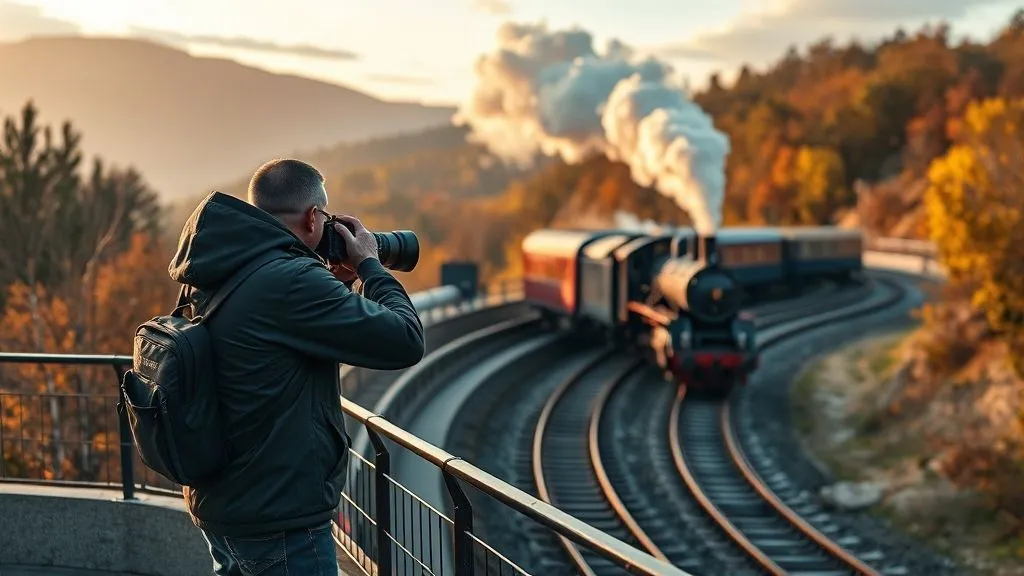
How to get unique railway shots without trespassing or danger?
For over fifteen years, I’ve dedicated my lens to the captivating world of train travel, witnessing countless sunrises paint the tracks and powerful locomotives thunder past. During this time, I’ve observed a common dilemma among aspiring and even seasoned railway photographers: the desire for that 'killer shot' often clashes with the critical need for safety and legality. I’ve seen photographers risk life and limb for a fleeting moment, and the consequences can be devastating, not just for them, but for the entire railfan community.
The allure of railway photography is undeniable – the raw power, the intricate engineering, the historical resonance, and the dramatic landscapes they traverse. However, the pursuit of unique railway shots often leads enthusiasts down a dangerous path, literally. Trespassing on railway property is not only illegal and carries hefty fines or imprisonment, but it’s also incredibly hazardous. Active railway lines are unpredictable environments with fast-moving, heavy machinery, high voltage, and often unseen dangers. The problem, then, is how to capture those truly distinctive images without compromising your safety, breaking the law, or contributing to the negative perception of our beloved hobby.
This isn't just about avoiding danger; it's about elevating your craft responsibly. In this definitive guide, I’ll share my hard-won insights and battle-tested strategies to help you get unique railway shots without trespassing or danger. We’ll explore actionable frameworks, creative techniques, and expert insights that will not only keep you safe and legal but will genuinely transform your railway photography, allowing you to capture the majesty of the rails with integrity and artistic flair. Prepare to unlock a new level of creativity and respect for the railway environment.
The Ethical Imperative: Safety First, Always.
Before we even discuss camera settings or compositional rules, we must establish the bedrock of all railway photography: safety. As a veteran in this niche, I've seen the devastating impact of ignoring railway safety protocols. Railroad tracks are not public parks; they are active industrial corridors. Every single piece of railway infrastructure, from the tracks themselves to the bridges, tunnels, and signal boxes, is private property and a potential hazard. The first step to getting unique shots is to ensure you live to tell the tale and share them.
Understanding the inherent risks is paramount. Trains are quieter and faster than you think, and they can appear from either direction at any time. The suction and pressure from a passing train can pull you in, and airborne debris can cause serious injury. Furthermore, high-voltage overhead lines (catenary) are deadly, even without direct contact. My golden rule, which I preach endlessly, is simple: Stay off the tracks, stay away from railway property, and always obey all warning signs. This isn't just about personal safety; it's about protecting the future of our hobby. Incidents involving trespassers can lead to stricter regulations, limiting access for all responsible railfans.
"Safety isn't just a guideline; it's the invisible tripod supporting every great railway photograph. Without it, your best shot is simply not worth the risk." - An Experienced Rail Photographer (That's me!)
The Federal Railroad Administration (FRA) and similar bodies worldwide consistently emphasize railway safety. They provide guidelines and warnings that every enthusiast should internalize. Never assume a track is inactive; always assume it's live. Never walk on tracks, bridges, or through tunnels. Always maintain a significant safe distance – at least 25 feet (7.5 meters) from the nearest rail is a good starting point, but more is always better, especially for high-speed lines or when a train is approaching. Your unique railway shots will mean nothing if you're not around to enjoy them.
Unlocking Legal Vantage Points: Public Access and Permitted Zones
The secret to getting unique railway shots without trespassing lies in scouting and understanding legal access. Many photographers mistakenly believe that the only 'good' shots are from trackside. This simply isn't true. Some of the most compelling railway images I've ever captured or seen were taken from public property, elevated positions, or designated viewing areas. It requires a shift in perspective and a bit more planning, but the results are far more rewarding and ethical.
Public roads and bridges are your best friends. Many railway lines run parallel to public roads, offering fantastic, safe vantage points. Overpasses and underpasses can provide dramatic top-down or low-angle perspectives, allowing you to capture the entire length of a train or its powerful silhouette against the sky. Always ensure you are on public property, not obstructing traffic, and not leaning over railings into railway airspace. I've spent countless hours exploring mapping tools like Google Maps and satellite imagery to identify these safe zones, marking potential spots long before I even pack my gear. For more general guidance on photographing in public, consider resources like ACLU's guide on photographers' rights.
Consider also public parks, trails, and even private businesses that border railway lines. With permission, a business owner might allow you to shoot from their property, offering a truly unique angle. Railway museums, heritage railways, and tourist train operations are goldmines for unique, controlled, and safe photography opportunities. These sites often encourage photography and provide special events for enthusiasts. They are designed for public interaction and offer close-up access to locomotives and rolling stock in a historical context. Your images here can tell a rich story of rail heritage.
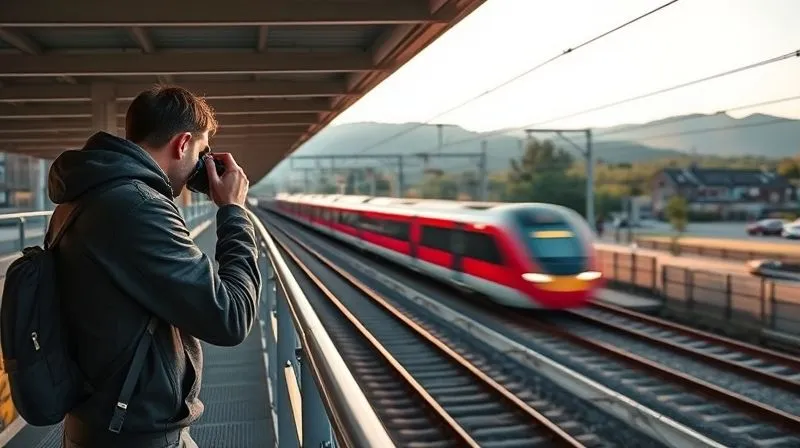
Here's a checklist for identifying safe and legal shooting locations:
- Scout Remotely: Use online mapping services (Google Maps, Gaia GPS) to identify public roads, bridges, and parks adjacent to railway lines. Look for clear sightlines and safe distances.
- On-Site Reconnaissance: Visit potential spots without your camera first. Confirm public access, assess safety, identify any 'No Trespassing' signs, and check for obstructions.
- Observe Train Movements: If possible, spend time observing train frequency, direction, and speed to plan your shots effectively.
- Check Local Ordinances: Be aware of any local rules regarding photography in public spaces, especially near critical infrastructure.
- Seek Permission: For private property, always ask for explicit permission from the owner. A polite request can open up incredible opportunities.
Mastering Composition: Beyond the Obvious Trackside Shot
Once you’ve secured a safe and legal vantage point, the next challenge is to make your shots unique. Many photographers fall into the trap of simply documenting a train passing by. True artistry comes from composition – how you arrange elements within your frame to create a compelling narrative. Since you can't be trackside, you must think creatively about perspective, leading lines, and framing.
Instead of a head-on shot, consider capturing a train as it rounds a curve, using the natural arc of the tracks as a powerful leading line. Look for reflections in puddles after rain, or the shimmering heat haze above the rails on a hot day. Frame your subject with natural elements like trees, tunnels, or even architectural features from nearby towns. A train emerging from a tunnel or crossing a historic bridge automatically adds drama and context. The goal is to move beyond mere documentation and into storytelling. For more insights on photographic composition, refer to National Geographic's photography tips.
One technique I frequently employ is known as 'contextual framing'. Instead of a tight shot of the locomotive, I pull back to show the train in its environment. This could be a freight train winding through a vast desert landscape, or a commuter train juxtaposed against a bustling city skyline. This approach not only provides a unique perspective but also emphasizes the journey and the relationship between rail and its surroundings. It allows you to create images that are not just about the train, but about the world it inhabits.
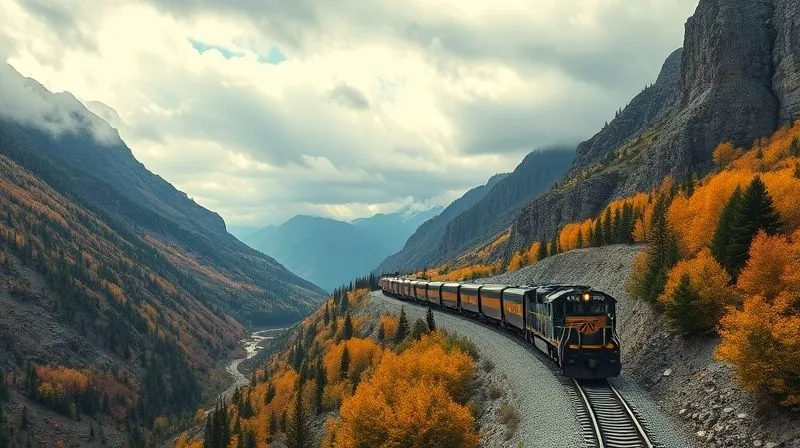
"A unique railway shot isn't found; it's crafted. It's the result of seeing beyond the obvious and composing with intent from a safe distance."
Case Study: How Local Rail Enthusiasts Transformed Their Photography
The 'Steel City Railfans' club, a group of dedicated photographers in Pittsburgh, faced the common challenge of getting repetitive, unsafe shots from trackside. After a series of close calls and warnings from railway police, they decided to change their approach. By implementing a strategy focused entirely on legal vantage points and creative composition, they revolutionized their work. They meticulously scouted public bridges, riverfront parks, and even negotiated access with local businesses for rooftop views. Instead of focusing solely on the locomotives, they began to frame trains against the iconic Pittsburgh skyline, capturing reflections in the Allegheny River, and utilizing the dramatic topography of the city. Their annual exhibition, once filled with generic train portraits, now showcases breathtaking, unique railway shots that tell a compelling story of rail transport's integration with the urban and natural landscape, all achieved safely and legally. This resulted in increased public interest, new members, and a strong reputation for responsible railfanning.
The Right Gear: Elevating Your Perspective Safely
Your equipment plays a crucial role in enabling you to get unique railway shots from a safe distance. While a basic camera can capture a decent image, specific gear choices can dramatically enhance your capabilities without putting you in harm's way. The most important tool in your arsenal, next to your safety consciousness, is a good telephoto lens.
Telephoto Lenses: Your Safe Distance Ally
A telephoto lens (e.g., 70-200mm, 100-400mm, or even a prime 300mm or 400mm) allows you to compress perspective and bring distant subjects closer, effectively eliminating the need to be trackside. This is how I capture intimate details of locomotives or dynamic shots of trains speeding through a landscape from a safe perch on a bridge or a distant hill. The longer the focal length, the more 'reach' you have, allowing for tighter crops and more dramatic compositions from afar. For instance, a 400mm lens on a full-frame camera can make a train several hundred yards away appear as if it's right in front of you.
Tripods and Monopods: Stability for Sharpness
When using long telephoto lenses, especially in lower light conditions, stability is key. A sturdy tripod or monopod will minimize camera shake, ensuring your unique railway shots are tack sharp. This is particularly important for capturing motion blur creatively or for detailed shots of static rolling stock at a museum.
Drones: A Powerful, Yet Regulated, Perspective
Drones offer unparalleled aerial perspectives, truly allowing for unique railway shots that are impossible from the ground. However, their use comes with significant regulations and responsibilities. Many railway companies have strict 'no-drone' policies over their property due to safety concerns (e.g., interference with signals, distraction to engineers, potential for falling onto tracks). Always check local and national aviation regulations (e.g., FAA in the US) regarding flight near critical infrastructure. Never fly directly over tracks or trains unless you have explicit, official permission. Drones can be excellent for capturing the broader landscape a train travels through, but always operate them from public property and maintain visual line of sight, adhering strictly to 'no-fly' zones.
| Gear Type | Benefit for Safe Shooting | Considerations |
|---|---|---|
| Telephoto Lens (70-400mm+) | Compresses distance, brings subjects closer from safe vantage points, enhances detail. | Requires good light or high ISO; can be heavy; tripod recommended for longer focal lengths. |
| Sturdy Tripod/Monopod | Eliminates camera shake with long lenses, crucial for sharpness, especially in low light. | Adds weight to gear; can be cumbersome to carry and set up quickly. |
| Drone (with regulations) | Offers unique aerial perspectives from safe, distant launch points. | Strict regulations (no-fly zones, visual line of sight); requires permits for commercial use; never fly over tracks/trains without explicit permission. |
| Binoculars/Spotting Scope | Excellent for scouting locations and identifying trains from a very safe distance. | Not for photography directly, but invaluable for planning. |
| Weather-Sealed Camera Body | Protects equipment during adverse weather, allowing for unique shots in rain/snow from safe cover. | Generally more expensive; still requires common sense protection from extreme elements. |
Harnessing Light & Weather: Turning Ordinary into Extraordinary
Light is the painter's brush for a photographer, and weather is the canvas. To get truly unique railway shots, you must learn to work with, and even embrace, challenging or unusual lighting and weather conditions. This is where many photographers miss opportunities, often packing up when the 'perfect' sunny day turns overcast. Yet, these 'imperfect' conditions can yield the most dramatic and unique images from safe, accessible locations.
Golden Hour & Blue Hour: These are the classic times for photographers, and for good reason. The soft, warm light of golden hour (shortly after sunrise, before sunset) can create stunning highlights and long shadows, making even a mundane locomotive look majestic. The blue hour (just before sunrise, just after sunset) offers a cool, ethereal glow perfect for capturing the illuminated details of a train or its silhouette against a twilight sky. These times also often mean less ambient traffic, potentially offering clearer shots from public roads.
Overcast Days: Don't dismiss them! Overcast skies act as a giant softbox, providing even, diffused light that minimizes harsh shadows. This is ideal for capturing intricate details of rolling stock or for scenes where you want to emphasize color without strong contrast. It’s also a great time to experiment with black and white photography, focusing on texture and form. I've captured some of my most moody and atmospheric train photos on dreary, overcast days, often from under a bridge or a covered public area.
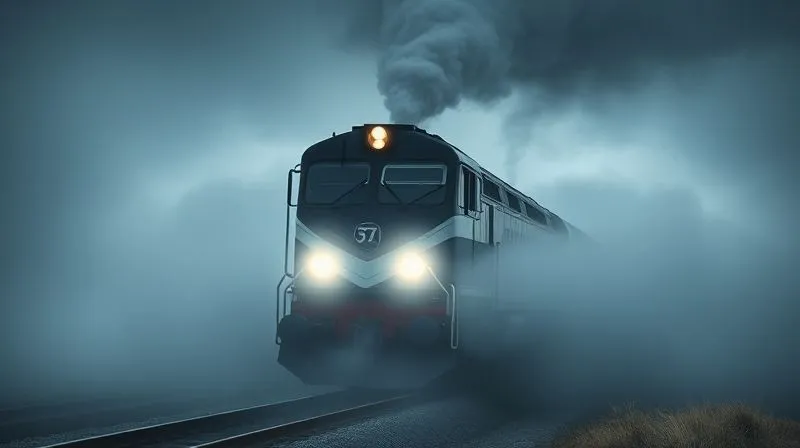
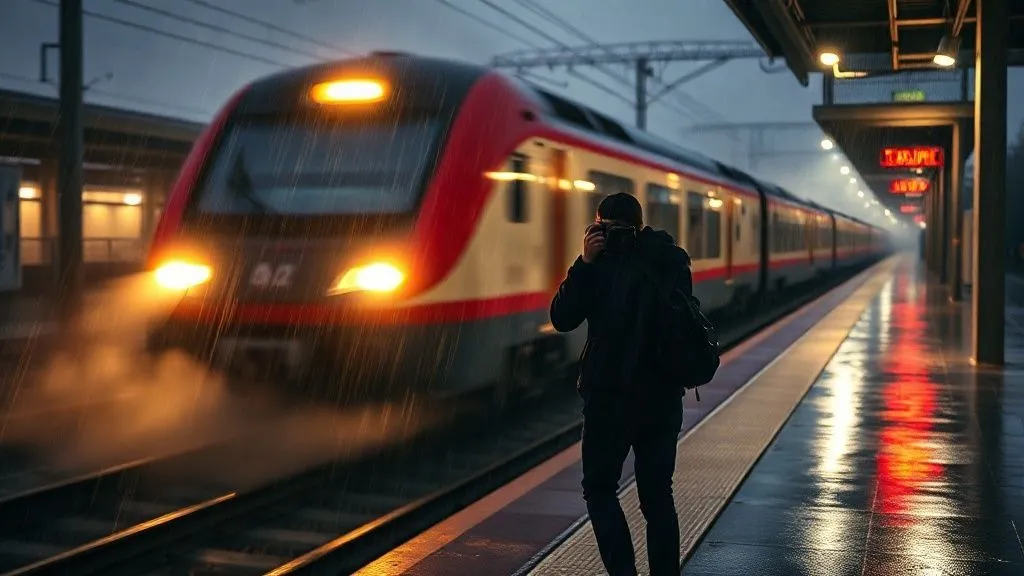
Weather Drama: Rain, snow, fog, and even storms can transform a scene, offering unparalleled opportunities for unique railway shots. A train emerging from a foggy landscape, its headlight piercing through the mist, is inherently dramatic. Snow-covered tracks and locomotives evoke a sense of timelessness. Rain slicking the rails creates reflections and adds a gritty realism. When shooting in adverse weather, remember your safety – find shelter on public property, protect your gear, and maintain extra vigilance. The drama of the elements, when captured from a safe distance, can elevate your photography from ordinary to extraordinary.
Storytelling Through the Lens: Capturing the Soul of the Rails
Beyond the technical aspects, what truly makes a railway shot unique is its ability to tell a story. A train is more than just metal on rails; it's a symbol of connection, history, power, and human endeavor. From your safe vantage point, how can you convey this narrative? This is where your artistic vision comes into play, transforming a simple capture into a compelling piece of visual storytelling.
Consider the context. Is the train passing through a historic town, a vast agricultural plain, or a dense urban environment? Include elements that anchor the train within its surroundings. A distant train against a backdrop of rolling hills or a bustling city offers a sense of scale and place. Look for human elements – perhaps a rail worker visible in the distance (from a safe, legal perspective), or people waiting at a station platform (again, from a public area). These details add life and narrative depth to your images.
Focus on the journey, not just the destination. Capture the train as it disappears into the horizon, or as it emerges from a tunnel, hinting at the adventure it's on. Emphasize motion through longer exposures, blurring the background or the wheels to convey speed and power. Use the environment to your advantage: the industrial grit of a railyard (from outside its perimeter), the serene beauty of a mountain pass, or the architectural grandeur of an old station. Every element in your frame should contribute to the story you're trying to tell about the enduring spirit of the railway.
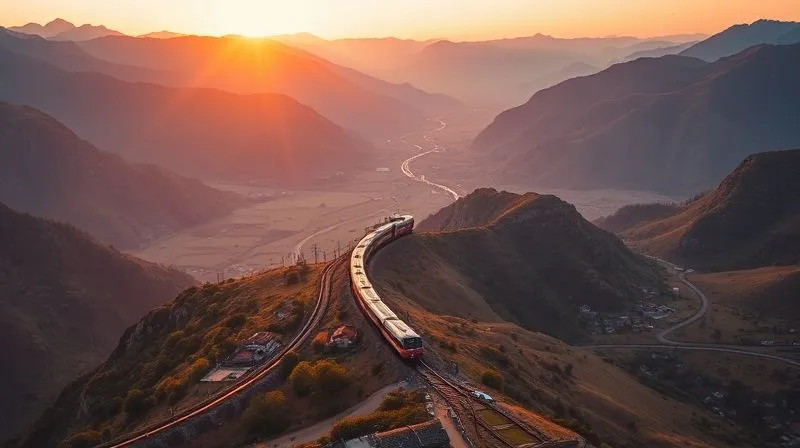
"The most unique railway photographs are not just pictures of trains; they are stories of connection, power, and the human spirit, told from a respectful distance."
Building Bridges: Collaboration, Research, and Official Access
While this guide primarily focuses on getting unique railway shots without trespassing, there are instances where official access can unlock truly unparalleled opportunities. This isn't about sneaking in; it's about building relationships and demonstrating professionalism. For the dedicated enthusiast, seeking authorized access can be a game-changer, but it requires patience, persistence, and a proven track record of safe and ethical photography.
Start by researching local railway historical societies, railfan clubs, and tourist railways. These organizations often have special events, photo charters, or even offer controlled access for photographers. Becoming a member, volunteering your time, or simply establishing a good reputation within these communities can open doors. I've found that demonstrating a genuine passion for rail history, coupled with a strict adherence to safety, makes a huge difference. You can find many active communities and resources on sites like Railroad.net, a prominent online railfan community.
For active freight or passenger lines, gaining official access is significantly more challenging but not impossible for specific projects. This typically involves contacting the railway's media relations or public affairs department. You'll need a compelling reason, a detailed safety plan, and often proof of insurance. This kind of access is usually reserved for professional assignments (e.g., documentary work, corporate photography) rather than casual hobbyists. However, knowing this avenue exists highlights the importance of always operating legally and safely in public spaces – it builds the trust necessary if you ever aspire to such opportunities. Remember, a single instance of trespassing can permanently blacklist you from future official access opportunities across the industry.
Key steps for seeking authorized access:
- Build a Portfolio: Showcase your best, safely-obtained railway photographs.
- Network: Engage with local railfan groups, historical societies, and museum staff.
- Research: Identify the relevant department (media, public relations) of the railway company.
- Propose a Project: Have a clear, well-defined reason for needing access (e.g., documenting a specific historical event, a unique artistic series).
- Emphasize Safety: Detail your understanding of railway safety rules and how you will adhere to them.
- Be Patient and Persistent: Gaining access can take time and multiple attempts.
According to a study published in the Federal Railroad Administration (FRA) safety reports, incidents of trespass on railway property remain a significant concern. Responsible railfans, by demonstrating exemplary behavior, contribute positively to the industry's perception of our hobby, potentially paving the way for more organized and safer photographic opportunities in the future.
Post-Processing with Purpose: Enhancing Your Safe & Legal Captures
The journey to unique railway shots doesn't end when you click the shutter; it continues in the digital darkroom. Post-processing is a powerful tool to refine your images, enhance their impact, and bring out the details that might have been subtle in the field. It allows you to inject your artistic vision and transform a good capture into a truly unique and memorable photograph, all without ever compromising safety or legality. Adobe's resources, for example, offer excellent insights into photo editing tips and techniques.
Basic Adjustments are Key: Start with fundamental adjustments like exposure, contrast, highlights, and shadows. Often, railway scenes can have extreme dynamic range, especially when shooting into the sun or on bright, reflective days. Balancing these elements can reveal hidden details in the shadows of a locomotive or prevent blown-out skies. Adjusting white balance can correct color casts and ensure the natural tones of the train and landscape are accurately represented.
Color Grading & Mood: This is where you can truly make an image your own. Experiment with color grading to create a specific mood. Warm tones can evoke nostalgia or the heat of a summer day, while cool tones can emphasize the starkness of winter or the mystery of a foggy morning. Selective color adjustments can make a specific element, like the vibrant livery of a passenger car, pop against a more subdued background. Don't be afraid to push boundaries, but always aim for a cohesive and visually pleasing result.
Sharpening & Noise Reduction: Telephoto lenses, while excellent for reach, can sometimes introduce a bit of softness, especially if shooting at higher ISOs in lower light. Judicious sharpening can bring out the fine details of a locomotive's mechanics or the texture of weathered freight cars. Conversely, if you had to push your ISO, noise reduction can clean up grainy areas, ensuring your unique railway shots are pristine. Always apply these adjustments carefully to avoid an over-processed, unnatural look.
Cropping & Straightening: Even with the best compositional efforts in the field, a slight crop or a minor straighten can dramatically improve an image's balance and impact. Use cropping to eliminate distracting elements that might have crept into your frame from your safe vantage point, or to re-emphasize your subject. A perfectly straight horizon or track line can make a significant difference in the professionalism of your photograph. Remember, post-processing is an enhancement, not a fix for a poorly conceived or executed shot. It refines your safely and legally obtained captures into works of art.
Frequently Asked Questions (FAQ)
Question: Is it ever okay to be on railway property if there are no trains coming? Absolutely not. This is a dangerous and illegal misconception. 'No trains coming' is an assumption you should never make. Trains can appear silently, at unexpected times, and from either direction. All railway property is private, and trespassing carries severe penalties and extreme danger, regardless of perceived activity. Always stay on public land.
Question: How can I tell if a location is public property or railway property? Always assume land immediately adjacent to tracks is railway property unless clearly marked otherwise (e.g., a public park boundary, a clearly defined road shoulder). Look for 'No Trespassing' signs, fences, or property markers. When in doubt, err on the side of caution and find an alternative, unequivocally public location like a bridge or designated viewing area. Online maps with property lines can also be helpful for pre-scouting.
Question: What kind of lens is best for unique railway shots from a safe distance? A telephoto zoom lens, such as a 70-200mm, 100-400mm, or even a super-telephoto prime lens (300mm or 400mm), is ideal. These lenses allow you to compress perspective and bring distant subjects into sharp focus, making it possible to capture intricate details and dramatic compositions from safe, publicly accessible locations.
Question: Can I use a drone for railway photography? Yes, but with extreme caution and strict adherence to regulations. Always launch and operate your drone from public property, maintain visual line of sight, and strictly avoid flying over railway tracks, trains, or any railway infrastructure without explicit, official permission from the railway operator. Check local aviation authority rules (e.g., FAA in the US) regarding flight near critical infrastructure. Safety and legality are paramount when using drones.
Question: How can I make my train photos look unique if I'm always shooting from similar public spots? Focus on creative composition, varying your angles (high vantage points from bridges, low from embankments if safe), experimenting with light and weather, and telling a story. Look for reflections, leading lines, and ways to frame the train within its environment. Utilize post-processing to enhance mood and detail. Even from the same spot, different times of day or weather conditions can yield vastly different and unique images.
Key Takeaways and Final Thoughts
- Safety and Legality are Non-Negotiable: Never trespass on railway property. Always prioritize your safety and the safety of others.
- Embrace Public Vantage Points: Utilize bridges, public roads, parks, and designated viewing areas. Scout locations meticulously.
- Master Composition: Look beyond the obvious; use leading lines, reflections, and environmental context to tell a story.
- Invest in Telephoto Lenses: These are your most valuable tools for capturing distant subjects safely and effectively.
- Leverage Light & Weather: Don't fear challenging conditions; they often provide the most dramatic and unique opportunities.
- Seek Authorized Access Responsibly: For truly unique opportunities, build relationships with rail organizations and follow official channels.
- Refine with Post-Processing: Enhance your safely captured images to bring out their full artistic potential.
The world of railway photography is rich with endless possibilities, and the pursuit of unique railway shots doesn't have to come at the cost of safety or ethics. By adopting a disciplined approach, embracing creative problem-solving, and respecting the inherent dangers of the railway environment, you can elevate your craft and capture images that are not only breathtaking but also a testament to responsible railfanning. I encourage you to venture out, explore new perspectives, and tell the compelling stories of the rails, all while keeping yourself and our beloved hobby safe. Happy shooting, and may your journey be filled with incredible, unique, and safely captured moments!
Recommended Reading
- 7 Proven Strategies to Deliver Authentic Cultural Depth at Historical Sites
- 7 Steps: Ensure Truly Wheelchair Accessible Corporate Events Globally
- River Cruise for Burnout? 7 Ways to Reclaim Executive Vitality
- Unlock Serenity: Simple Nature Therapy Exercises for Travelers
- Unlock the Secrets: Your Ultimate Luxury Yacht Cruise Tipping Etiquette Guide

Your email address will not be published. Required fields are marked *