


How to Guarantee Crystal Clear Water for Luxury Beach Clients?
For over two decades in the luxury travel sector, I've witnessed firsthand the profound impact of a single detail: water clarity. I recall a specific incident where a high-net-worth client, paying a premium for an 'exclusive' beachfront villa, felt utterly let down when the highly anticipated turquoise waters appeared murky after an unexpected weather event. The experience, despite flawless service elsewhere, left an indelible mark of dissatisfaction.
This isn't just about aesthetics; it's about the very essence of a luxury beach experience. Discerning clients expect perfection, and when the ocean, the star attraction, fails to deliver crystal clear splendor, it undermines the entire brand promise. The challenge lies in managing natural variables while consistently delivering on an unspoken, yet absolute, expectation.
In this definitive guide, I will share the actionable frameworks, expert insights, and real-world strategies I've honed over years of navigating these complexities. We'll move beyond superficial fixes to explore deep, sustainable solutions that address the core question: How to guarantee crystal clear water for luxury beach clients?
Understanding the Science of Water Clarity: Beyond the Naked Eye
Before we can guarantee anything, we must first understand what makes water clear—or, conversely, murky. It’s a complex interplay of physics, biology, and environmental factors that often goes unappreciated. From my experience, many luxury properties focus on what they can control on land, often overlooking the dynamic marine environment.
The Physics and Biology Behind Transparency
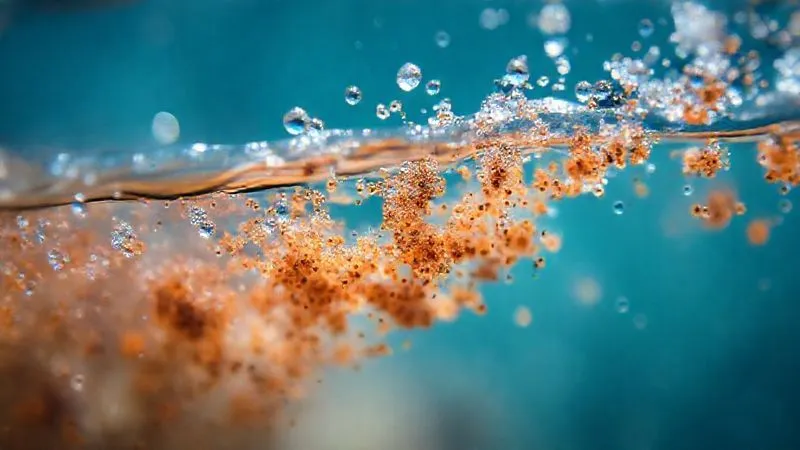
Water clarity is primarily influenced by the amount of suspended particles. These can be inorganic, like sediment stirred up by currents, storms, or coastal erosion, or organic, such as phytoplankton, zooplankton, and decaying marine life. Algal blooms, often exacerbated by nutrient runoff from land, are a common culprit for reducing visibility, sometimes turning water a sickly green or brown.
Currents, tides, and wave action play a significant role. Strong currents can resuspend bottom sediments, while gentle currents can help flush out stagnant water. Even the geology of the seabed—whether it's fine sand, rocky, or coral—impacts how easily particles are disturbed. Furthermore, human activities, from improper waste disposal to unsustainable development, introduce pollutants that directly impair clarity.
A truly crystal-clear ocean isn't just about what you don't see; it's about the delicate balance of a thriving, unpolluted marine ecosystem. Understanding this foundation is the first step in being able to truly guarantee crystal clear water for luxury beach clients.
I’ve seen resorts invest millions in pristine landscaping and opulent suites, only to have their efforts undermined by a lack of understanding of the marine environment directly offshore. This foundational knowledge is non-negotiable for anyone serious about delivering on the promise of transparent waters.
Strategic Destination Selection: Choosing Your Pristine Canvas
The journey to guaranteeing crystal clear water begins long before the first shovel breaks ground: it starts with meticulous site selection. While existing resorts have limitations, understanding these principles is crucial for future developments and for mitigating challenges in current locations.
Geographic Factors and Natural Resilience
In my consultations, I always emphasize that some locations are inherently more resilient to clarity issues than others. Consider areas naturally protected from strong ocean swells or major river outflows that carry sediment and pollutants. Bays, coves, and islands with barrier reefs often offer superior natural protection.
- Proximity to major rivers or industrial zones: Rivers carry sediment and land-based pollution, significantly impacting coastal water clarity for miles. Industrial discharge can introduce chemical pollutants. Avoid these areas if possible, or implement robust mitigation strategies if already established.
- Prevailing wind and current patterns: Understand how dominant winds and currents affect your specific stretch of coastline. Some patterns can bring in clear water; others can churn up sediment or carry pollutants from distant sources.
- Natural filtration systems: Healthy coral reefs, seagrass beds, and mangrove forests act as natural filters, trapping sediment and absorbing excess nutrients. Prioritizing locations with these ecosystems, and committing to their preservation, is paramount.
- Historical data on water clarity fluctuations: Research decades of local environmental data. Are there seasonal clarity issues? What are the historical patterns of algal blooms or sediment plumes? This historical perspective is invaluable.
For luxury properties, the initial investment in selecting a naturally advantageous location pays dividends indefinitely. It's far easier to maintain clarity where nature is already on your side, rather than constantly fighting against prevailing environmental forces. This foresight is critical for any property aiming to consistently offer transparent waters and truly guarantee crystal clear water for luxury beach clients.
For further insights into the importance of natural coastal ecosystems, I often refer to resources like Conservation International on Coastal Marine Ecosystems, which highlights their critical role in maintaining healthy oceans.
Proactive Water Quality Management and Monitoring
Once a location is chosen, or if you're working with an existing property, the next critical step is establishing a rigorous, proactive water quality management program. This isn't a 'set it and forget it' task; it requires constant vigilance and data-driven decision-making.
Implementing Robust Monitoring Protocols
I've seen too many resorts rely solely on visual checks. While important, they are insufficient. A comprehensive strategy involves both qualitative and quantitative assessments. This is where you move from hoping for clear water to actively managing for it.
- Establish daily visual checks and record observations: Train staff (from watersports to beach attendants) to observe and log water conditions (color, turbidity, presence of debris, unusual smells) at specific times each day. This provides immediate, on-the-ground feedback.
- Conduct weekly scientific testing: Partner with certified marine laboratories or environmental consultants to perform regular tests for key parameters like turbidity (NTU), pH, salinity, dissolved oxygen, and nutrient levels (nitrates, phosphates). These are objective metrics that reveal underlying issues before they become visible.
- Partner with local marine biologists or environmental agencies: Their expertise is invaluable for interpreting data, identifying potential threats, and developing targeted mitigation strategies specific to your unique coastal environment.
- Utilize predictive modeling: Integrate local weather forecasts, tide charts, and historical clarity data into a predictive model. This allows you to anticipate potential clarity issues (e.g., after heavy rainfall or strong winds) and prepare proactive responses.
- Have rapid response protocols: Develop clear, actionable plans for when clarity drops unexpectedly. This might involve deploying booms for debris, adjusting water sports schedules, or informing guests with transparency.
Here’s a snapshot of a typical monitoring table I recommend for luxury properties:
| Monitoring Parameter | Frequency | Target Range | Action if Exceeded |
|---|---|---|---|
| Turbidity | Daily/Weekly | < 10 NTU | Identify source, implement mitigation plan (e.g., sediment control, current redirection) |
| pH | Weekly | 7.8-8.4 | Assess runoff, consult marine expert for acidification/alkalinity causes |
| Dissolved Oxygen | Weekly | > 5 mg/L | Investigate organic pollution, potential algal blooms, improve circulation |
| Nutrient Levels (Nitrates/Phosphates) | Monthly | < 0.5 mg/L | Review land-based activities, wastewater management, agricultural runoff |
| Bacterial Count (e.g., Enterococci) | Monthly/After Rain | < 35 CFU/100mL | Identify sewage contamination, issue swim advisories, repair infrastructure |
Case Study: The Azure Bay Resort's Clarity Guarantee
The Azure Bay Resort, a top-tier luxury destination, faced occasional clarity issues due to seasonal currents bringing in fine sediment. While infrequent, these events severely impacted their high-end clientele. By investing significantly in a dedicated marine science team and implementing a 24/7 predictive AI model that integrates local weather, tide, and plankton bloom data, they transformed their approach. This system allowed them to anticipate clarity drops 24-48 hours in advance, giving them time to enact mitigation (e.g., temporary current redirection using submerged barriers) or, if necessary, proactively communicate with guests and offer alternative premium experiences. They reduced unexpected clarity drops by 70% within two years. Their 'Azure Guarantee' now promises a full refund for any day the water clarity falls below a visually pristine standard, a bold move that has significantly boosted client confidence and bookings, proving they can guarantee crystal clear water for luxury beach clients through advanced management.
Marine Ecosystem Health: The Foundation of Transparency
You can't have consistently clear water without a healthy marine ecosystem. This is a fundamental truth that I've seen some properties overlook, focusing instead on superficial clean-ups. The reality is, the ocean cleans itself, provided it's healthy enough to do so.
Protecting and Restoring Local Reefs and Seafloor
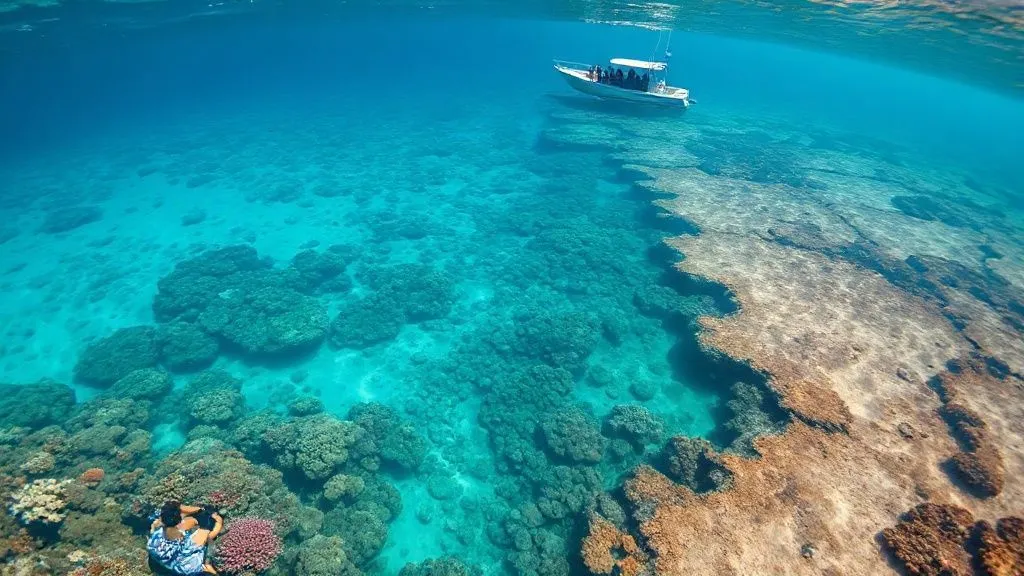
Coral reefs, seagrass beds, and mangrove forests are not just beautiful; they are vital natural filtration systems. Coral reefs act as physical barriers, absorbing wave energy and preventing coastal erosion, which reduces sediment in the water. Seagrass beds stabilize the seafloor, preventing sand and silt from being stirred up, and also absorb excess nutrients. Mangroves trap sediment and filter runoff from land.
Investing in the protection and, where necessary, restoration of these ecosystems is one of the most powerful, long-term strategies for maintaining water clarity. This includes:
- Establishing marine protected areas (MPAs) around the resort.
- Implementing strict 'no-touch' policies for coral and marine life.
- Supporting local conservation initiatives and research.
- Educating guests on responsible snorkeling and diving practices (e.g., no touching, no standing on coral).
- Participating in reef restoration projects, such as coral gardening.
Sustainable practices are not just ethical; they are an operational imperative for luxury beach properties. A healthy ecosystem ensures not only clear water but also biodiversity, which enhances the overall guest experience. For more information on coral reef conservation, the World Wildlife Fund (WWF) is an excellent resource.
Managing Land-Based Runoff and Waste: The Invisible Threat
It's a common misconception that ocean pollution primarily comes from ships or offshore activities. In reality, a significant portion of marine degradation, including clarity issues, originates from land. What happens upstream and onshore directly impacts your beach water.
Integrated Coastal Zone Management
To truly guarantee crystal clear water for luxury beach clients, a resort must extend its environmental stewardship beyond the immediate shoreline. This means actively managing land-based sources of pollution, both within the property and, ideally, in collaboration with the wider community.
- State-of-the-art wastewater treatment facilities: Ensure that all sewage and greywater from the resort is treated to the highest possible standards before discharge, or, even better, repurposed for irrigation. Untreated or poorly treated wastewater introduces nutrients and bacteria that fuel algal blooms and reduce clarity.
- Sustainable landscaping and erosion control: Use native, drought-resistant plants that require minimal fertilizers and pesticides. Implement erosion control measures on slopes to prevent soil runoff into the ocean, especially after heavy rains.
- Robust waste management and recycling programs: Prevent plastics and other debris from entering the ocean by implementing comprehensive waste collection, sorting, and recycling programs for guests and staff. Consider eliminating single-use plastics entirely.
- Educating local communities and suppliers: Work with local authorities, businesses, and communities to improve their waste management and reduce their environmental footprint. This collaborative approach creates a stronger, healthier coastal environment for everyone.
As I've often said, a luxury resort is part of a larger ecosystem, both natural and human. Ignoring the land-based impacts is like trying to keep a bathtub clean while the tap is still running dirty water. The UNEP on Wastewater Management provides excellent global perspectives on this critical issue.
Client Expectation Management and Communication
Even with the most advanced systems and dedicated teams, nature can be unpredictable. Storms, unusual currents, or unforeseen natural phenomena can temporarily affect water clarity. In these rare instances, how a luxury property communicates is just as important as its efforts to maintain clarity.
Transparency as a Luxury Service
In the luxury sector, trust is paramount. Clients aren't just paying for pristine conditions; they're paying for peace of mind and an experience free from disappointment. When Mother Nature intervenes, transparency and proactive communication become powerful tools for retaining client satisfaction and loyalty.
In luxury travel, managing expectations isn't about hiding flaws; it's about building trust through proactive, honest communication that reinforces your commitment to excellence.
Here’s how to manage expectations effectively:
- Clearly define 'crystal clear' in your context: While subjective, you can set measurable parameters, such as 'visibility to 10 meters' or 'consistently rated 5-star clarity by our marine team.' Communicate these standards to guests.
- Provide real-time updates on water conditions: Utilize resort apps, in-room tablets, or dedicated information channels to provide daily or even hourly updates on water clarity, temperature, and any relevant marine activity. This empowers guests with information.
- Offer alternative activities or compensatory gestures: If clarity is temporarily compromised, have a curated list of equally luxurious alternative experiences ready. This could include complimentary spa treatments, private excursions to naturally protected clear lagoons (if available), or a credit for future stays.
- Educate clients on natural factors: A brief, elegant explanation of how natural cycles (e.g., tides, moon phases, seasonal plankton blooms) can influence clarity can help guests understand that it's a living ecosystem, not a swimming pool.
This level of proactive, honest communication reinforces your brand's integrity and commitment to guest satisfaction, even when circumstances are beyond immediate control. It ensures that even in imperfect conditions, the client still feels valued and respected, preserving the luxury experience.
Leveraging Technology for Predictive Clarity and Intervention
The modern era offers unprecedented tools to monitor and predict environmental conditions. For luxury beach properties, embracing these technologies is no longer optional; it's essential for anyone serious about how to guarantee crystal clear water for luxury beach clients.
AI, Sensors, and Satellite Monitoring
I've seen a dramatic shift in recent years, with resorts moving from reactive clean-ups to predictive environmental management. This is largely due to advancements in technology:
- Underwater sensors: Deploying networks of sensors that continuously monitor parameters like turbidity, pH, temperature, and dissolved oxygen provides real-time data. These sensors can be integrated into a central dashboard, alerting staff to anomalies immediately.
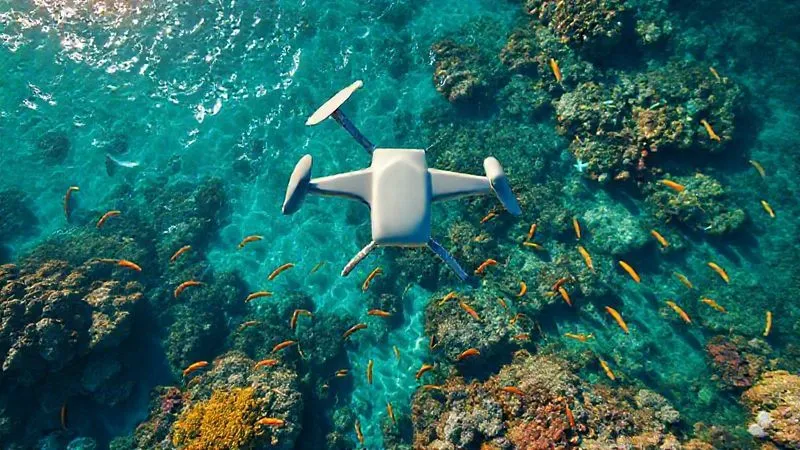
- Drone monitoring: Drones equipped with high-resolution cameras and multispectral sensors can quickly survey large areas of coastline, identifying sediment plumes, algal blooms, or debris fields invisible from land.
- Satellite imagery and remote sensing: For larger-scale phenomena like widespread algal blooms or ocean currents affecting a broader region, satellite data provides invaluable early warning. Specialized platforms can analyze this data to predict impacts on specific coastal areas.
- AI and machine learning for predictive analytics: By feeding historical data from sensors, weather patterns, tides, and satellite imagery into AI models, properties can develop highly accurate predictive capabilities. This allows for proactive measures to be taken days in advance of a potential clarity issue.
Predictive analytics can transform reactive responses into proactive interventions. Imagine knowing 48 hours in advance that a specific current is likely to bring a sediment plume to your beach. This allows you to prepare mitigation, adjust guest activities, and communicate transparently, rather than being caught off guard.

This integration of technology into environmental management is a hallmark of truly cutting-edge luxury properties. For more on how AI is revolutionizing environmental monitoring, I recommend this Forbes article on AI in Environmental Monitoring.
Staff Training and Operational Excellence: The Human Element
All the technology and strategic planning in the world mean little without a dedicated, well-trained team. The human element is crucial for translating policies into practice and ensuring consistent operational excellence.
Empowering Your Team as Clarity Custodians
Every staff member, from the groundskeepers to the front desk, has a role to play in maintaining the environmental integrity of the property and, by extension, the clarity of your beach waters. I've found that when staff understand the 'why' behind environmental protocols, they become far more engaged and effective.
- Understanding local marine ecosystems: Provide basic education on the local marine environment, its biodiversity, and why clear water is vital. This fosters a sense of ownership and responsibility.
- Proper waste disposal and recycling: Ensure all staff are rigorously trained in the resort's waste management protocols, emphasizing the prevention of any debris entering the ocean.
- Minimizing chemical runoff: Train landscaping and housekeeping staff on the use of eco-friendly cleaning products and fertilizers, and proper disposal methods to prevent chemicals from washing into waterways.
- Reporting unusual water conditions: Empower all staff to be vigilant and report any unusual water conditions, debris, or potential pollution sources immediately through established channels.
- Guest education on responsible beach behavior: Train front-line staff (concierge, watersports, beach attendants) to politely and effectively educate guests on responsible behavior, such as not touching coral, not feeding marine life, and properly disposing of waste.
Every staff member plays a role in upholding the environmental integrity of your property. By investing in their training and fostering an eco-conscious culture, you create a robust internal defense against factors that could compromise water clarity. This collective effort is instrumental in maintaining the high standards expected when you promise to guarantee crystal clear water for luxury beach clients.
Frequently Asked Questions (FAQ)
Q1: Can water clarity truly be "guaranteed" given natural variables? While 100% absolute guarantee against all acts of nature (like a major hurricane) is impossible, a luxury property can guarantee a *commitment* to pristine water quality. This commitment is demonstrated through proactive management, rapid response protocols, continuous monitoring, and transparent communication. It's about minimizing risk and maximizing control, backed by a strong operational framework that makes 'guarantee' a realistic promise for the vast majority of the time.
Q2: What's the most significant investment a resort should make for clear water? Beyond the initial strategic site selection, the most impactful investment is in robust, continuous water quality monitoring infrastructure and a dedicated, expert marine science team or partnership. This allows for data-driven decisions, early warning systems, and rapid, informed interventions, transforming reactive measures into proactive environmental stewardship.
Q3: How do luxury resorts balance environmental protection with guest activities like watersports? It's a delicate balance requiring careful zoning, eco-friendly equipment (e.g., electric boats, kayaks over jet skis), guided tours that respect marine life, and clear guest guidelines. Many luxury clients appreciate and even seek out resorts with strong environmental ethics, making these practices a unique selling proposition rather than a limitation. Education and responsible tourism are key.
Q4: What role does local community engagement play in maintaining clear waters around a luxury resort? A crucial one. Pollution often originates beyond resort boundaries, from local villages, agriculture, or improper waste disposal. Engaging local communities in sustainable practices, supporting their waste management initiatives, and participating in marine conservation education creates a buffer zone of environmental protection. This collaborative approach fosters goodwill and enhances the overall health of the coastal environment for everyone, including the resort.
Q5: How can a resort differentiate itself in terms of water clarity beyond simply having clear water? Differentiation comes from demonstrating *how* you achieve and maintain that clarity. This includes actively promoting your sustainability efforts, transparently sharing your water quality data, providing educational experiences for guests about marine conservation, and perhaps even offering a 'clarity guarantee' with tangible benefits if conditions temporarily fall short. This level of transparency and commitment builds immense trust and brand loyalty.
Key Takeaways and Final Thoughts
- Strategic site selection is foundational: Prioritize locations with natural protections and minimal land-based pollution risks.
- Proactive, data-driven water quality monitoring is essential: Implement rigorous scientific testing and leverage predictive analytics.
- Protecting and restoring marine ecosystems is non-negotiable: Healthy reefs, seagrass, and mangroves are your best natural allies.
- Effective waste and runoff management prevents pollution: Extend environmental stewardship to all land-based operations and community engagement.
- Transparent client communication builds trust: Proactively inform guests about water conditions and manage expectations with honesty.
- Technology and trained staff are powerful enablers: Invest in advanced monitoring tools and empower your team as environmental custodians.
Ultimately, ensuring crystal clear water for luxury beach clients transcends a mere aesthetic concern; it's a profound statement of commitment to excellence, sustainability, and an unparalleled guest experience. By embracing these integrated strategies, you don't just promise luxury; you deliver an authentic, pristine escape that truly sets you apart in a competitive market. This holistic approach is how you truly guarantee crystal clear water for luxury beach clients, safeguarding both your brand reputation and the invaluable natural beauty you offer.
Recommended Reading
- 5 Expert Strategies: Navigating Last-Minute Interrail Seat Reservation Conflicts
- Unearthing Flavors: 7 Steps to Craft Narratives for Obscure Dishes
- Unveiling Luxury Train Dining: 7 Key Factors to Compare Experiences
- Unlock Your Adventure: How to Prepare for an Immersive Cultural Trip!
- 8 Pro Strategies: Avoid Family Road Trip Planning Stress as a Professional



Your email address will not be published. Required fields are marked *