

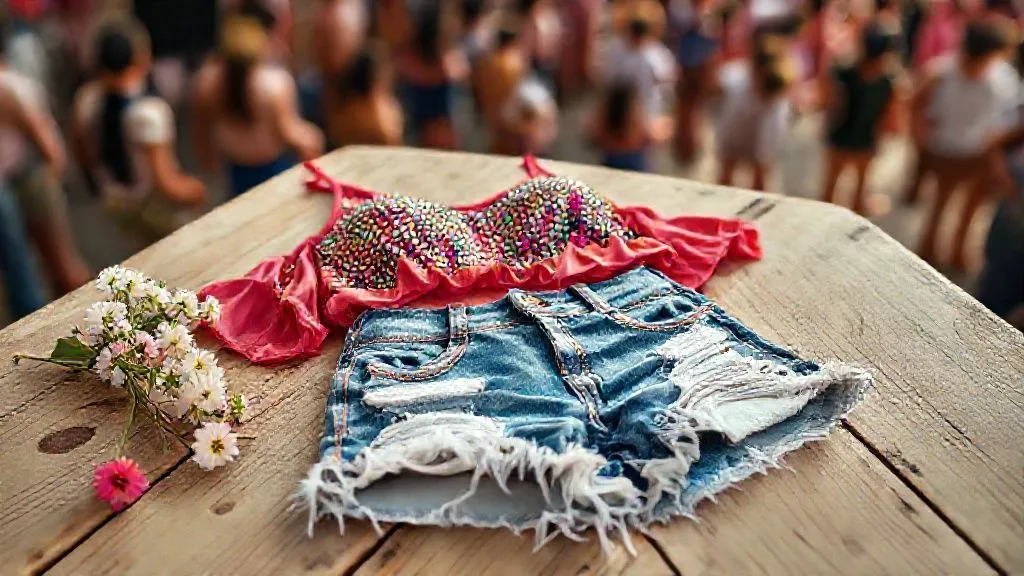
How to Keep Festival Fashion Looking Fresh for Multiple Events?
For over 15 years immersed in the vibrant, often chaotic world of festival travel, I've witnessed countless fashion triumphs and, regrettably, just as many one-wear wonders. There's an undeniable thrill in curating that perfect, show-stopping ensemble for a single event, but the true artistry, in my experience, lies in making those pieces work harder, smarter, and longer.
The pain point is palpable: investing time, money, and creative energy into a unique festival look, only for it to succumb to dust, sweat, or a wardrobe malfunction after just one weekend. Many assume festival fashion is inherently disposable, a fleeting moment of self-expression. This mindset not only strains your wallet but also contributes significantly to fast fashion's environmental toll, diminishing the joy of truly sustainable style.
But what if I told you there's a more sustainable, more cost-effective, and ultimately more rewarding path? In this definitive guide, I'll share my battle-tested frameworks, insider tips, and actionable strategies on how to keep festival fashion looking fresh for multiple events. We'll explore everything from strategic garment selection and pre-event preparation to on-site care, post-festival revival, and ingenious re-styling techniques that will transform your festival wardrobe from fleeting to fantastic.
The Foundation: Strategic Planning & Versatile Wardrobe Choices
The journey to enduring festival fashion begins long before you even think about packing. It starts with a mindset shift towards intentionality and versatility. I've learned that a well-thought-out wardrobe is your strongest ally against the one-wear curse.
Embrace the Power of Modular Pieces
Think of your festival wardrobe as a collection of building blocks. Instead of buying complete outfits, focus on individual pieces that can be mixed, matched, and layered in countless combinations. This modular approach is a game-changer for maximizing wear.
- Identify Key Staples: Start with versatile basics like a quality pair of denim shorts, a plain bandeau top, or a simple mesh long-sleeve. These act as your canvases.
- Select Complementary Statement Pieces: Choose one or two eye-catching items – a sequined kimono, a bold patterned skirt, or an embellished vest – that can elevate different basics.
- Consider Color Palettes: Stick to a cohesive color palette for your core items, allowing for seamless interchangeability. Neutrals with a few accent colors work wonders.
- Test Combinations Beforehand: Lay out your potential outfits and photograph them. This visual inventory helps you see what works and prevents last-minute packing dilemmas.
Invest in Quality Over Quantity
This might seem counterintuitive for festival wear, often associated with cheap, trendy items. However, in my experience, a few high-quality garments will outlast and outperform a dozen flimsy ones. They hold their shape, endure more washes, and often look better even after multiple wears.
"The true cost of a garment isn't just its price tag; it's its cost per wear. A higher-quality item, worn many times, is far more economical and sustainable than a cheap item worn once." - My personal mantra for smart festival shopping.
When I'm scouting for new pieces, I always examine the fabric composition and construction. Natural fibers like cotton, linen, and hemp, or durable synthetics like high-grade polyester and nylon blends, tend to fare better against the rigors of a festival environment. Reinforced seams and quality zippers are small details that make a huge difference in longevity.
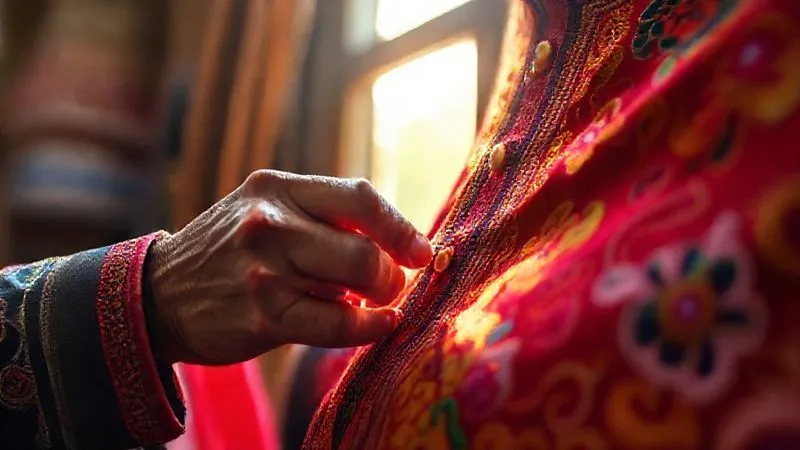
Mastering the Art of Color Coordination & Neutral Bases
One of the easiest ways to refresh an outfit is to change its perceived color story. By building a base of versatile neutrals – black, white, beige, khaki – you create a foundation that can be dramatically altered with different accessories or a single colorful accent piece. This approach allows you to re-wear core items without them looking identical from one event to the next.
Pre-Festival Prep: The Unsung Hero of Outfit Longevity
Preparation is not just about packing; it's about protecting your investments. Many festival-goers overlook these crucial steps, leading to premature wear and tear.
Protective Treatments: Your First Line of Defense
Before any garment even sees the inside of a festival ground, it should be prepped. This is especially true for delicate fabrics, embellished items, or anything you want to protect from spills, dust, and general grime.
- Fabric Protector Sprays: For items like denim, canvas, or even some synthetics, a good quality fabric protector spray can create a barrier against stains and water. Always test on an inconspicuous area first.
- Seam Sealing for Embellishments: For pieces with sequins, beads, or embroidery, a clear fabric glue or seam sealant applied sparingly to the knots on the reverse side can prevent loose threads and falling embellishments.
- Anti-Static Spray: Particularly useful for flowy, synthetic fabrics that tend to cling in dry, dusty environments. It also helps repel some dust particles.
- Odor-Repelling Sprays: While not a substitute for washing, a fabric refresher spray designed to neutralize odors can be a lifesaver for light refreshes between wears or events.
The Right Way to Pack: Minimizing Wear & Tear
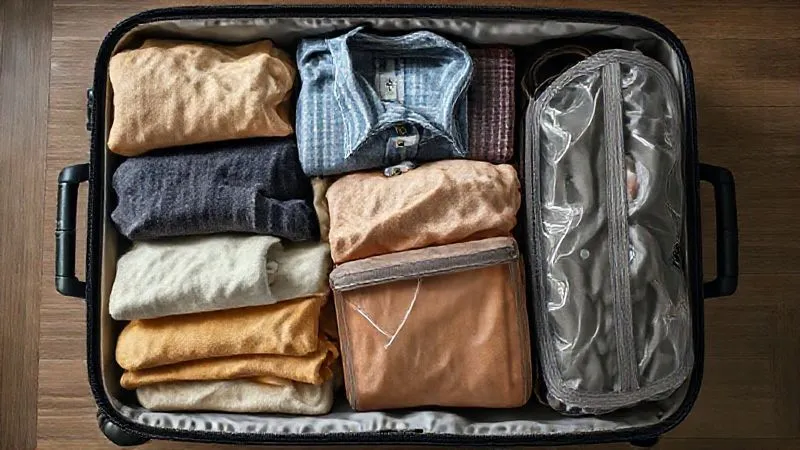
Your packing strategy directly impacts how fresh your clothes look upon arrival. Crushing delicate items, mixing dirty with clean, or simply overstuffing can cause irreversible damage.
| Packing Method | Pros | Cons |
|---|---|---|
| Rolling | Minimizes wrinkles, space-efficient for soft items | Can stretch delicate fabrics, less protective |
| Folding (KonMari) | Maximizes space, easy to see items, reduces creases | Can be time-consuming, not ideal for bulky items |
| Packing Cubes | Excellent organization, compresses clothes, separates items | Requires initial investment, adds slight bulk |
| Garment Bags | Protects delicate/sequined items from snags/creases | Less space-efficient, primarily for hanging items |
I always recommend using packing cubes, especially for separating outfits or types of garments. Roll non-creasing items and flat-fold those prone to wrinkles. Place delicate or embellished pieces inside individual garment bags or pillowcases to prevent snags. And a crucial tip: always pack an empty bag for dirty clothes to keep them separate from your clean, re-wearable items.
During the Event: Smart Styling & Damage Control
The festival environment is tough on clothes. Dust, sweat, accidental spills, and crowded dance floors all conspire against your carefully curated looks. But with a few smart strategies, you can mitigate the damage.
Layering for Versatility and Protection
Layering isn't just for warmth; it's a powerful tool for outfit versatility and garment protection. A simple base layer can be transformed by adding different jackets, vests, or sheer overlays each day.
"Think of your outermost layers as sacrificial shields. A denim jacket or a mesh kimono can take the brunt of the festival chaos, protecting the more delicate or central pieces underneath." - A lesson learned from countless dusty fields.
Furthermore, a lightweight scarf or bandana can protect your hair from dust and your neck from sun, while also serving as a stylish accessory that can be swapped daily to change an outfit's vibe. This approach also allows you to shed layers as the day heats up, revealing a 'new' look.
Quick Fixes and On-Site Care Essentials
A small 'emergency kit' can be a lifesaver. I never go to a festival without these essentials:
- Travel-sized stain remover pen: For immediate treatment of spills.
- Safety pins: For quick repairs, securing loose straps, or adjusting fits.
- Mini sewing kit: A needle and thread for popped seams or loose buttons.
- Lint roller/tape: To remove dust, glitter, and stray hairs.
- Fabric refreshing spray: For a quick scent boost between wears.
- Wet wipes: For spot cleaning shoes or non-fabric accessories.
Case Study: Luna's Luminous Looks
Case Study: How Luna Kept Her Sparkle Shining
Luna, a seasoned festival-goer, used to buy a new, sequined top for every event. After two wears, the sequins would inevitably start falling off, and the delicate fabric would snag. Frustrated by the waste and cost, she adopted my 'quality over quantity' and 'protective layering' approach. For her next festival, she invested in one high-quality, fully lined sequin crop top and a durable, oversized mesh long-sleeve top. She pre-treated the sequins with a clear fabric sealant and always wore the mesh top as a protective outer layer when navigating crowds or sitting on the ground. She also carried a small safety pin kit. When a few sequins inevitably loosened, she quickly secured them. The result? Her core sequin top looked almost brand new after three intense festival days, and she was able to re-style it with different bottoms and accessories for two subsequent events, saving money and significantly reducing her fashion footprint.
Post-Festival Revival: Cleaning, Repair, and Storage
The aftermath of a festival can leave your clothes looking like they've been through a war zone. This phase is critical for determining whether your garments get a second, third, or even fourth life.
Immediate Post-Event Care: Don't Delay!
The biggest mistake I see people make is leaving their festival clothes in a crumpled pile for days. Dirt, sweat, and stains set in, becoming much harder to remove.
- Air Out Everything: As soon as you unpack, hang all garments (even those that seem clean) in a well-ventilated area, ideally outdoors, to air out odors and dry any lingering moisture.
- Separate Immediately: Sort clothes into 'delicate hand wash', 'machine wash', and 'dry clean only' piles. Also, separate heavily soiled items to prevent cross-contamination.
- Pre-Treat Stains: Address any visible stains with an appropriate pre-treatment as soon as possible. The longer a stain sits, the harder it is to remove.
- Shake Out Dust/Glitter: Take heavily dusted or glittered items outside and give them a good shake to remove loose particles before bringing them near your washing machine.
Specialized Cleaning Techniques for Festival Fabrics
Festival fashion often involves unique fabrics and embellishments that require special care. General machine washing is rarely the answer.
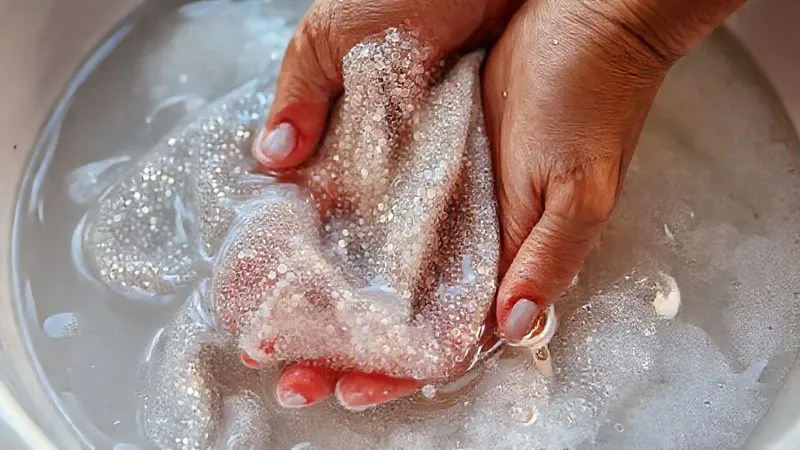
For items with sequins, beads, or intricate embroidery, hand washing in cool water with a mild detergent is almost always the safest bet. Gently squeeze, don't wring, and lay flat to dry on a clean towel. For items like faux fur, a gentle cycle with a specialized faux fur detergent, followed by air drying and brushing, is ideal. Always consult care labels, but when in doubt, err on the side of caution. For more in-depth fabric care advice, this comprehensive fabric care guide offers valuable insights for various materials.
Repair & Reinforce: Extending the Life of Your Favorites
Don't discard an item just because of a loose seam or a missing button. Basic mending skills can dramatically extend the life of your festival wardrobe. Learn to sew a button, mend a simple tear, or reattach a loose embellishment. For more complex repairs, consider a professional tailor. Many brands are also embracing circularity; for instance, some companies offer repair services or guides, promoting a 'repair, don't replace' mentality, as highlighted by movements like Patagonia's Worn Wear program.
Smart Storage Solutions for Off-Season Preservation
How you store your festival clothes between events is just as important as how you clean them. Improper storage can lead to damage, discoloration, and unwanted odors.
| Storage Type | Best For | Pros | Cons |
|---|---|---|---|
| Breathable Garment Bags | Delicate, embellished, or structured items | Protects from dust, snags, and light | Can take up hanging space, not for heavy compression |
| Airtight Bins/Containers | Off-season bulk storage, faux fur | Protects from pests, moisture, and odors | Can trap moisture if clothes aren't fully dry, not breathable |
| Acid-Free Tissue Paper | Preventing creases, protecting embellishments | Gentle, helps maintain shape | Adds bulk, needs to be replaced periodically |
| Vacuum Seal Bags | Bulky items like jackets or faux fur | Maximizes space, protects from environmental factors | Can compress and wrinkle some fabrics, not for delicate items |
Always ensure garments are completely clean and dry before storing them. Use breathable garment bags for delicate items to prevent dust accumulation while allowing air circulation. For bulkier items like faux fur coats, consider airtight containers with cedar balls to deter pests and absorb moisture. Avoid plastic dry cleaning bags for long-term storage as they can trap chemicals and moisture, damaging fabrics over time.
Reinventing & Reimagining: Styling for the Next Adventure
The true magic of keeping festival fashion fresh lies in your ability to see old pieces with new eyes. This is where your creativity as a stylist comes into play.
Accessorize, Accessorize, Accessorize!
Accessories are the ultimate outfit transformers. A single core outfit can be given a completely different personality with a change of accessories. I've found this to be the most impactful way to re-wear items without them looking repetitive.
- Hats & Headwear: A wide-brimmed fedora for a boho vibe, a bedazzled cap for a rave look, or a simple bandana for a rustic feel.
- Jewelry: Swap chunky statement necklaces for delicate layered chains, or bold hoop earrings for ethereal ear cuffs.
- Belts & Harnesses: Cinch a flowing dress with a wide studded belt or add a body harness over a simple top for an edgy touch.
- Bags & Backpacks: A fringed crossbody for day one, a holographic fanny pack for day two, and a utilitarian backpack for day three.
- Footwear: Changing from chunky boots to platform sneakers or cowboy boots can redefine an entire look.
Mixing & Matching for Fresh Silhouettes
Don't wear the same top with the same bottom. Instead, actively mix pieces from different past outfits. Pair that sequin top with new high-waisted shorts, or wear your favorite patterned skirt with a completely different, simpler top. Experiment with layering different textures and lengths. For more inspiration on creating diverse looks from limited pieces, Vogue often features articles on capsule wardrobes that apply surprisingly well to festival contexts.
DIY Customization & Upcycling
If a piece is starting to feel a little tired, consider giving it a DIY makeover. This not only breathes new life into it but also makes it uniquely yours. This is where the true spirit of creative festival fashion shines through.
"The most sustainable garment is the one you already own. Give it a new story, a new embellishment, a new lease on life with your own hands." - A philosophy that empowers conscious consumption.
Ideas include adding patches, studs, or embroidery to a denim jacket; dyeing a faded garment a new, vibrant color; cutting and distressing old jeans into shorts; or even turning an old scarf into a unique top. The possibilities are endless and contribute to a truly personal and sustainable style journey.
Embracing the Sustainable Festival Fashion Mindset
Beyond the practicalities of garment care, adopting a sustainable mindset is crucial for long-term festival fashion success and responsible consumption. It's about valuing your clothes and the planet.
The Environmental and Economic Benefits of Rewear
The fashion industry is a major contributor to pollution and waste. By actively seeking to re-wear and extend the life of your festival garments, you're making a tangible difference. Rewearing reduces demand for new production, conserves resources, and minimizes landfill waste. Economically, it's a no-brainer: fewer purchases mean more money for tickets, travel, or other experiences. Understanding the full impact of fast fashion can be eye-opening; for example, the UN Environment Programme offers insights into making the industry more sustainable.
Building a Circular Festival Wardrobe
The ultimate goal is to move towards a circular wardrobe – where items are used, repaired, reused, and eventually recycled, minimizing waste at every stage. This means not just re-wearing your own pieces, but also considering renting festival outfits, swapping with friends, or purchasing second-hand items. When a garment truly reaches the end of its life, explore textile recycling options rather than simply discarding it. The Ellen MacArthur Foundation provides excellent resources on the circular economy in fashion.
Frequently Asked Questions (FAQ)
Q: How do I remove glitter from festival clothes without damaging them? A: The key is gentle removal. Use a lint roller or packing tape to dab away loose glitter. For stubborn pieces, a soft-bristled brush or a damp cloth can help. Avoid harsh rubbing, which can embed glitter deeper into the fabric or damage embellishments. For very delicate items, try freezing them for a few hours; the glitter often becomes brittle and easier to brush off.
Q: Is it safe to machine wash items with small embellishments like sequins or beads? A: Generally, no. Machine washing is too harsh for most embellished items. The agitation can pull off sequins, break beads, and snag delicate threads. Always opt for hand washing in cold water with a mild detergent, turning the item inside out if possible. Place it in a mesh laundry bag even for hand washing to offer an extra layer of protection.
Q: My festival shoes are covered in mud and dust. What's the best way to clean them for re-wear? A: Start by letting the mud dry completely, then brush off as much as you can with a stiff-bristled brush. For fabric shoes, use a mix of mild soap and water with a soft brush, then rinse and air dry away from direct sunlight. For leather or faux leather, wipe with a damp cloth and a specialized cleaner, then condition. Always ensure they are thoroughly dry before storing to prevent mildew.
Q: How can I prevent my white festival clothes from yellowing or getting dingy over time? A: Proper washing and storage are crucial. Wash white items separately from colors, using a detergent designed for whites and an oxygen-based brightener if needed. Avoid excessive heat in washing or drying. Store white items in breathable, acid-free garment bags or tissue paper, away from direct sunlight or fluorescent lights, which can cause yellowing. Ensure they are completely dry before storing.
Q: What are some quick ways to refresh an outfit if I don't have time for a full wash between two close events? A: Airing out clothes outdoors or in a steamy bathroom can help. Use a fabric refreshing spray to neutralize odors. Spot clean any visible stains with a travel-sized stain remover. For items that can handle it, a quick steam can de-wrinkle and kill some surface bacteria. Focus on accessories to change the look – a new scarf, belt, or pair of earrings can make an 'old' outfit feel new.
Key Takeaways and Final Thoughts
Keeping your festival fashion looking fresh for multiple events isn't just about saving money; it's about embracing a more conscious, creative, and sustainable approach to your style. It's a testament to your ingenuity and your commitment to making the most of every piece in your wardrobe.
- Plan Smart: Prioritize versatile, modular pieces and invest in quality.
- Prep Thoroughly: Utilize protective sprays and smart packing techniques.
- Care On-Site: Leverage layering and a small emergency kit for quick fixes.
- Revive Diligently: Act quickly with post-event cleaning, repair, and proper storage.
- Reimagine Boldly: Accessorize, mix, match, and customize to create endless new looks.
- Embrace Sustainability: Understand the impact of your choices and lean into circular fashion.
I genuinely believe that with these strategies, you'll not only extend the life of your beloved festival garments but also discover a deeper sense of satisfaction in your fashion choices. So go forth, dance freely, and let your impeccably fresh festival style shine bright, event after event!
Recommended Reading
- Unlocking Safe Routes: Your Ultimate Guide to Assessing Avalanche Terrain for Backcountry Skiing
- 7 Executive Strategies: Uncovering Truly Free, Enriching Local Activities
- 5 Critical Steps: How to Quickly Find Your Urgent Train Connection Gate
- Unlock Your Adventure: How to Prepare for an Immersive Cultural Trip!
- 7 Proven Strategies for Solving Persistent Moisture Damage in Elevated Treehouse Glamping Units



Your email address will not be published. Required fields are marked *