

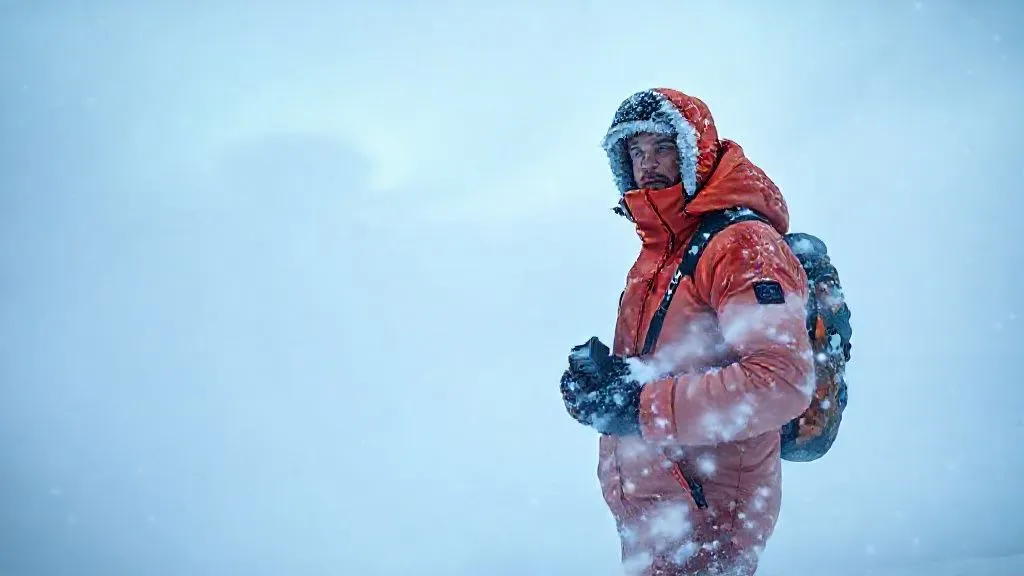
How to Manage Unexpected Whiteout Conditions on Aurora Treks?
For over two decades navigating the world's most pristine and often unforgiving winter landscapes in pursuit of the Northern Lights, I've witnessed firsthand the awe-inspiring beauty and the sudden, brutal unpredictability of the Arctic. I've seen countless trekkers, myself included, caught off guard by the infamous whiteout – a phenomenon that can transform a breathtaking aurora viewing into a terrifying ordeal in mere minutes.
The problem is stark: one moment you're under a canvas of dancing lights, the next you're enveloped in a featureless void where sky, horizon, and ground merge into an indistinguishable, blinding white. This isn't just a heavy snowfall; it's a complete loss of visual reference, leading to profound disorientation, panic, and a heightened risk of getting lost, injured, or worse. It’s a challenge that demands respect, preparation, and precise action.
In this definitive guide, I’ll share the actionable frameworks, hard-earned wisdom, and expert insights I've gathered to not just survive, but confidently manage unexpected whiteout conditions on aurora treks. We’ll delve into pre-trek readiness, essential gear, navigation tactics, psychological resilience, and emergency protocols, ensuring your pursuit of the aurora remains a safe and unforgettable adventure.
Understanding the Arctic Whiteout: More Than Just Snow
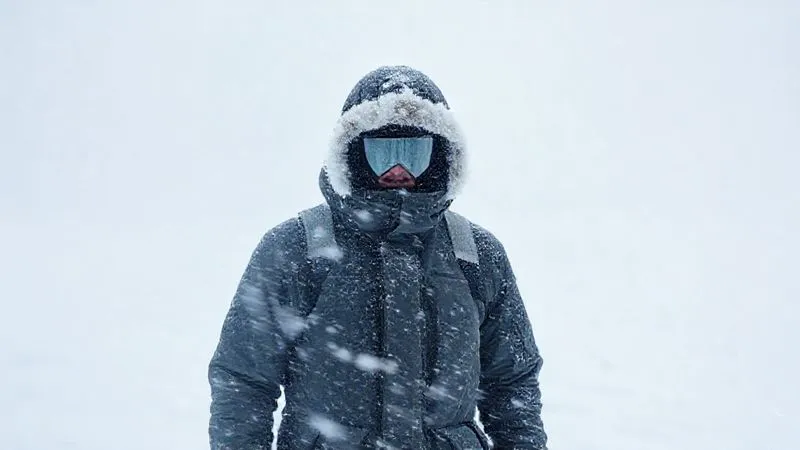
To effectively manage unexpected whiteout conditions on aurora treks, we must first understand what a whiteout truly entails. It's far more than just heavy snow; it's a meteorological condition characterized by a severe reduction in visibility due to bright, uniform illumination over a snow-covered surface. This can be caused by falling snow, fog, or a combination of both, reflecting light in such a way that all contrasts and shadows disappear. The effect is akin to being inside a giant, featureless ping-pong ball, where up and down, near and far, become utterly indistinguishable.
The danger stems from this profound disorientation. Without visual cues, our brain struggles to process spatial information, leading to vertigo, a loss of balance, and an inability to perceive depth or direction. This can cause trekkers to walk in circles, stumble over unseen obstacles, or unwittingly wander off course into hazardous terrain. I've personally experienced the unsettling sensation of feeling like I was walking uphill when the ground was flat, a testament to the whiteout's powerful psychological impact. It’s a condition that can set in with alarming speed, transforming a clear night into a blinding maze in a matter of minutes, especially in the volatile Arctic and sub-Arctic environments where aurora treks often take place.
Understanding this unique challenge is the first step towards respecting its power and preparing adequately. It's not about fighting the whiteout, but understanding its nature to navigate through it safely. According to a study published in the Journal of Wilderness & Environmental Medicine, disorientation is one of the leading causes of accidents in severe winter conditions, underscoring the critical need for proactive strategies.
Pre-Trek Preparedness: Your First Line of Defense
Before you even set foot on the snow, rigorous pre-trek preparedness is paramount when considering how to manage unexpected whiteout conditions on aurora treks. This isn't just about packing warm layers; it's about a holistic approach to risk mitigation that begins long before the journey.
- Meticulous Weather Monitoring: Never rely on a single source. Consult multiple meteorological forecasts, including local Arctic weather services, specifically looking for wind speed, temperature, and precipitation predictions. Pay close attention to sudden drops in barometric pressure, which often precede rapid weather changes. I always cross-reference at least three different reliable sources, sometimes even calling local guides for their ground-level insights.
- Detailed Route Planning and Waypoints: Map out your exact route, identifying potential hazards, safe havens, and emergency shelters. Crucially, mark GPS waypoints at regular intervals, especially at turns, intersections, and significant landmarks. These waypoints become your lifeline in a whiteout. Consider alternative routes and escape options should conditions deteriorate.
- Physical and Mental Conditioning: Aurora treks, especially in severe conditions, demand physical endurance. Ensure you are fit enough for the planned distance and elevation. Equally important is mental resilience. Discuss potential scenarios with your group beforehand, mentally rehearsing how you would react to a whiteout. This proactive visualization can significantly reduce panic if it occurs.
- Group Briefing and Communication Plan: If trekking with others, hold a thorough briefing. Assign roles, review emergency signals (visual and auditory), and establish clear communication protocols. What's the plan if someone gets separated? How will you maintain visual contact? A well-briefed team is a resilient team.
- Inform Local Authorities/Contact Person: Always leave your detailed itinerary, expected return time, and group contact information with a trusted person or local search and rescue services. This ensures that if you don't check in, help can be dispatched promptly, knowing your general whereabouts.
Essential Gear for Whiteout Survival on Aurora Treks
The right gear isn't just about comfort; it's about survival when you need to manage unexpected whiteout conditions on aurora treks. Every item should be chosen with functionality, reliability, and extreme cold in mind. Cutting corners here is simply not an option.
- Advanced Navigation Tools:
- GPS Device: A dedicated, robust GPS unit (not just a phone app) with pre-loaded maps and waypoints is non-negotiable. Ensure it has fresh batteries and spares, stored in a warm pocket to prevent cold drain.
- Map and Compass: Your analog backup. Know how to use them proficiently, even in gloves. A waterproof map case is essential.
- Altimeter: Crucial for understanding your vertical position, especially in undulating terrain where visual cues are absent.
- Satellite Messenger/PLB: Devices like an InReach or SPOT provide two-way communication and can send SOS signals, even without cell service. This is your ultimate lifeline.
- Superior Insulation and Layering:
- Layered Clothing System: Baselayers (wool/synthetic), mid-layers (fleece/down), and a waterproof/windproof outer shell. Bring spare insulating layers, especially gloves, socks, and a hat, stored in waterproof bags.
- Insulated Footwear: Boots rated for extreme cold, coupled with thermal socks, are critical for preventing frostbite.
- Eye Protection: Snow goggles with high-contrast lenses are vital for protecting against snow blindness and improving what little visibility might exist.
- Reliable Communication and Lighting:
- Headlamp with Spare Batteries: A powerful headlamp with red light option (to preserve night vision) is essential. Carry multiple spare batteries, again, kept warm.
- Two-Way Radios: For group communication, especially if spread out slightly.
- Fully Charged Phone & Power Bank: For emergencies, but be aware cold rapidly drains batteries. Keep them close to your body.
- Emergency and Survival Essentials:
- First-Aid Kit: Comprehensive, including blister treatment, pain relief, and any personal medications.
- Emergency Shelter: A lightweight emergency bivy sack, space blanket, or a small tarp can provide crucial protection from wind and cold if you need to hunker down.
- Fire Starter: Waterproof matches, lighter, and fire starter tabs.
- High-Energy Food & Hydration: Easily accessible, calorie-dense snacks and a thermos of hot water/drink.
Expert Insight: "Your gear is an extension of your preparedness. Every item you carry, from your GPS to your spare socks, should be considered a potential life-saver in a whiteout. Invest in quality and know how to use it blindfolded."
On-Trail Navigation Strategies During a Whiteout
When the whiteout descends, panic is your greatest enemy. The immediate response to manage unexpected whiteout conditions on aurora treks is crucial. I’ve learned that a structured, calm approach can make all the difference between a minor delay and a major incident.
- STOP, Assess, and Stay Calm: The moment visibility drops significantly, stop immediately. Do not try to push through. Take a deep breath. Assess your immediate surroundings, even if it’s just a few feet. Check on your group members. This pause prevents impulsive, potentially dangerous decisions.
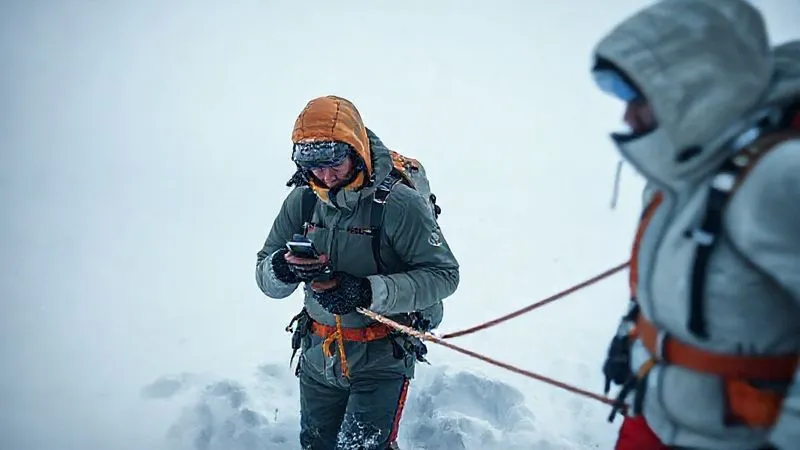
- Utilize Your GPS and Map: This is where those pre-loaded waypoints become invaluable.
- Check your current coordinates: Pinpoint your exact location on your GPS.
- Orient your map: Use your compass and GPS to orient your physical map.
- Determine your bearing: If you need to move, set a precise bearing to your next waypoint or a known safe location.
- Use the 'breadcrumb' or 'track back' feature: Most GPS units record your path. If you've strayed, this can guide you back to your last known safe point.
- Pacing and Hand-Railing: If movement is necessary, proceed with extreme caution.
- Pacing: Designate a leader to walk a short distance (e.g., 10-20 feet) on the correct bearing, then stop and wait for the rest of the group to catch up. This leapfrogging ensures no one gets lost.
- Hand-Railing: If there's a linear feature like a ridge, a frozen riverbank, or even a fence (if you're near civilization), use it as a 'handrail' to guide your movement.
- Maintain Physical Contact: In extreme whiteouts, a rope or even holding onto each other’s backpacks can prevent separation.
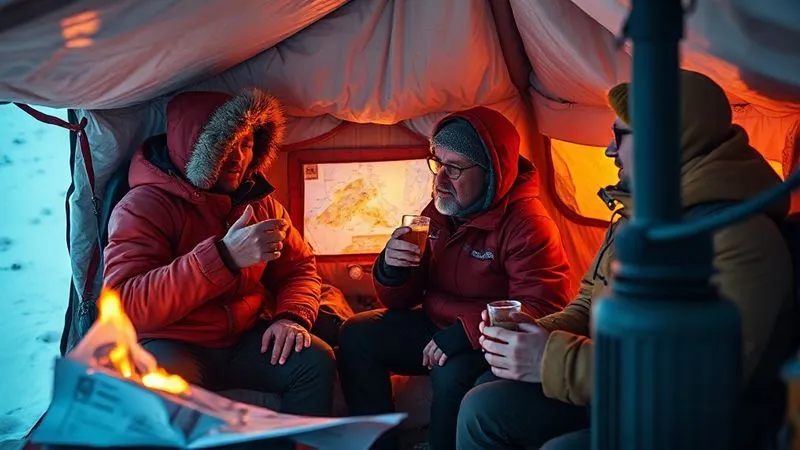
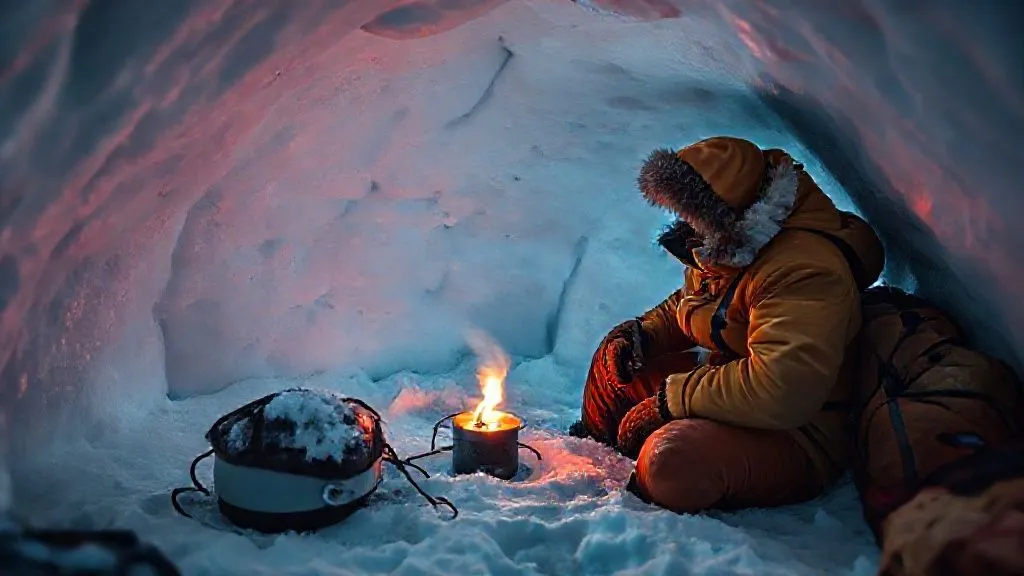
- Build a Temporary Shelter: If conditions are too severe to move safely, or if you're unsure of your position, prioritize building an emergency shelter. A snow trench, a small snow cave, or even a simple bivy sack can offer vital protection from the wind and cold. This is often the safest option until visibility improves.
- Conserve Energy and Stay Hydrated: Movement in a whiteout is exhausting. Conserve your energy. Sip hot drinks if you have them, and eat high-energy snacks. Dehydration can impair judgment and accelerate hypothermia.
Psychological Resilience and Team Dynamics in Extreme Conditions
Beyond the technical aspects of how to manage unexpected whiteout conditions on aurora treks, the human element—psychological resilience and effective team dynamics—is often the deciding factor in survival. Fear, anxiety, and frustration are natural responses to a whiteout, but uncontrolled, they can lead to poor decisions and exacerbate the danger.
- Acknowledge and Manage Fear: It's okay to be scared. Acknowledge the feeling, but don't let it paralyze you. Focus on the immediate, actionable steps. Deep breathing exercises can help regulate your nervous system. Remind yourself of your training and preparation.
- Maintain Open and Honest Communication: Within a group, clear, concise, and calm communication is vital. Avoid shouting, which wastes energy and increases anxiety. Share observations, concerns, and decisions. Ensure everyone feels heard and involved in the decision-making process, even if the leader ultimately makes the final call.
- Leadership in Crisis: A designated leader should take charge, making decisions based on the collective safety. This leader must project confidence, even if internally apprehensive, and ensure tasks are delegated clearly. A strong leader can prevent group panic and maintain focus.
- Boost Morale and Maintain Positivity: Even in dire situations, small acts can make a big difference. Sharing a warm drink, a high-energy snack, or even a brief, encouraging word can lift spirits. Humor, when appropriate, can also be a powerful coping mechanism. Maintaining a positive outlook, even under duress, fuels resilience.
- Regular Check-ins: Periodically check on each group member's physical and mental state. Look for signs of hypothermia, frostbite, or extreme stress. Prompt intervention can prevent minor issues from escalating.
Case Study: The Aurora Hunter's Unexpected Blizzard
In early March, a group of four experienced aurora hunters, led by veteran guide Anya, embarked on a multi-day trek in Finnish Lapland. They had meticulously planned their route and packed robust gear. On their second day, after a spectacular aurora display, an unexpected blizzard rolled in, quickly escalating into a full whiteout. Visibility dropped to zero, and the wind howled.
Instead of panicking, Anya immediately initiated their pre-discussed whiteout protocol. They stopped, huddled together, and she calmly pulled out her GPS. Realizing they were just 500 meters from a pre-marked emergency hut, she made the decision to move cautiously. They linked arms, and Anya, using her GPS and an altimeter, set a precise bearing. The journey took nearly two hours for what should have been a 10-minute walk, but their disciplined pacing, constant communication, and Anya's resolute leadership kept them on track. They reached the hut safely, cold and shaken, but entirely intact. This incident perfectly illustrates how preparation, calm leadership, and strong team dynamics are crucial to manage unexpected whiteout conditions on aurora treks successfully.
Emergency Protocols: When Things Go Sideways
Even with the best preparation and navigation skills, sometimes things go sideways. Knowing precise emergency protocols is critical to manage unexpected whiteout conditions on aurora treks when they escalate. This is where your training and gear are truly tested.
- The STOP Principle: If you realize you are truly lost or disoriented, apply STOP:
- S - Stop: Do not move further. Further movement without a plan increases the risk.
- T - Think: Review your situation. Where were you last certain of your location? What resources do you have?
- O - Observe: Look for any clues – a faint track, a change in wind direction, anything that can give you a bearing. Listen for sounds.
- P - Plan: Formulate a plan based on your observations and resources. Is it safer to stay put, build a shelter, or try to move to a known landmark?
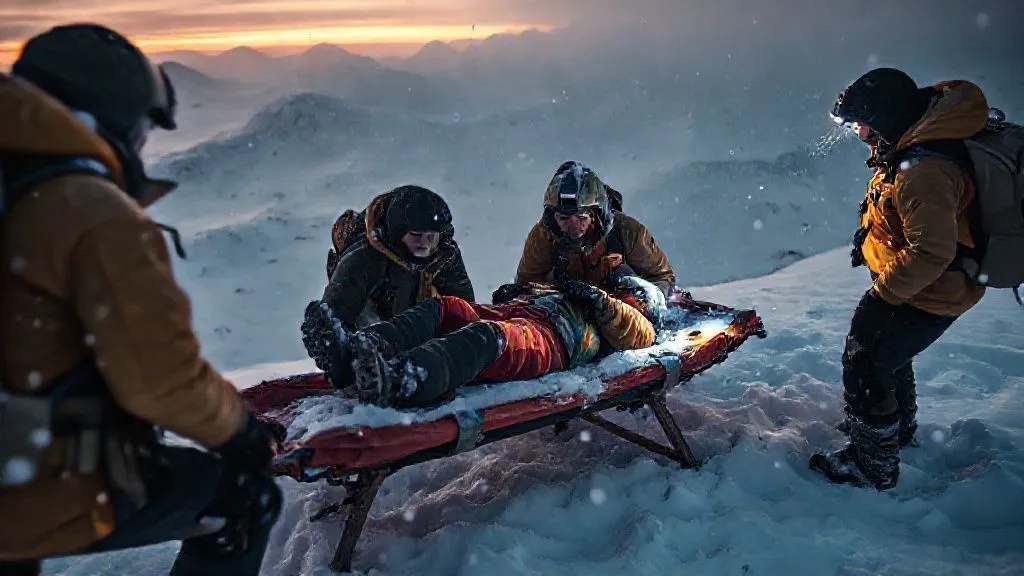
- Activating Your Satellite Messenger/PLB: If you are in a dire situation (injury, severe hypothermia, completely lost with no hope of self-rescue), activate your satellite messenger’s SOS function or your Personal Locator Beacon (PLB). Be prepared to wait, as rescue operations in whiteout conditions are extremely challenging and often delayed.
- Signaling for Help: If you don't have a satellite device but suspect you are near a search area or potential help:
- Auditory Signals: Three short, sharp whistles or shouts repeated at regular intervals is a universal distress signal.
- Visual Signals: If conditions momentarily clear, use a signal mirror or bright clothing. At night, flash your headlamp in groups of three.
- Ground-to-Air Signals: If possible, stomp out large 'SOS' in the snow.
- Treating Hypothermia and Frostbite: These are immediate threats.
- Hypothermia: Get the affected person out of the wind, remove wet clothing, provide dry layers, share body heat, and offer warm, sugary drinks.
- Frostbite: Protect the affected area, do NOT rub it, and seek medical attention as soon as possible. Only rewarm if there is no risk of refreezing.
- Constructing a Robust Emergency Shelter: If you must spend the night or a prolonged period in the whiteout, a well-built snow cave or trench can be a lifesaver. It provides significant protection from wind and cold, dramatically increasing your chances of survival. This is a skill every serious winter trekker should practice.
As National Geographic adventure expert Conrad Anker once stated, "The mountains don't care about your plans." This sentiment perfectly encapsulates the need for robust emergency protocols when facing the unpredictable nature of Arctic whiteouts.
| Emergency Action | Key Steps | Purpose |
|---|---|---|
| STOP Principle | Stop, Think, Observe, Plan | Regain composure, assess situation, prevent further risk |
| Satellite Device Activation | Initiate SOS, provide location/details | Alert rescue services for critical situations |
| Signaling for Help | 3 whistles/shouts, visual signals (mirror/light) | Attract attention from potential rescuers |
| Hypothermia/Frostbite Treatment | Warmth, dry clothes, body heat, gentle rewarming | Mitigate cold injuries, prevent escalation |
| Emergency Shelter | Snow cave, trench, bivy sack construction | Protection from elements, energy conservation |
Post-Whiteout Actions: Learning and Recovery
Successfully navigating a whiteout is a significant achievement, but the experience doesn't end when visibility returns. Post-whiteout actions are crucial for learning, recovery, and ensuring long-term safety and well-being. This final phase of managing unexpected whiteout conditions on aurora treks is often overlooked but profoundly important.
- Immediate Health Check and Debrief: Once in a safe location, conduct a thorough health check of yourself and all group members. Look for signs of frostbite, hypothermia, exhaustion, or any injuries sustained during the whiteout. Then, hold a debriefing session. What went well? What could have been done differently? This isn't about blame, but about collective learning.
- Gear Inspection and Maintenance: Inspect all your gear for damage. Was anything lost? Did your electronics perform as expected? Clean and dry all equipment thoroughly to prevent degradation and ensure it's ready for future use. Pay particular attention to your navigation tools.
- Mental and Emotional Recovery: Experiencing a whiteout, especially a prolonged or dangerous one, can be traumatic. It's normal to feel shaken, anxious, or have difficulty sleeping. Talk about your experience with trusted friends, family, or even a professional if needed. Don't dismiss the psychological impact; acknowledging it is the first step to recovery. Organizations like the Wilderness Medical Society offer resources on post-traumatic stress in outdoor environments.
- Update Your Preparedness Plan: Use the lessons learned from the whiteout to refine your future preparedness plans. Did you need more spare batteries? Was your communication plan effective? Were your waypoints sufficient? Every challenging experience is an opportunity for growth and improved safety protocols.
- Share Your Experience (Responsibly): Sharing your story, while respecting privacy, can be invaluable for others. It adds to the collective knowledge base of winter trekking and helps other enthusiasts learn how to manage unexpected whiteout conditions on aurora treks more effectively.
Frequently Asked Questions (FAQ)
Q: How can I prevent snow blindness during a whiteout? A: Snow blindness, or photokeratitis, is caused by overexposure to UV rays reflected off snow and ice. The best prevention is wearing high-quality snow goggles with UV protection. Even in a whiteout, UV radiation can be intense. Ensure your goggles fit well and don't fog up. If you lose your goggles, improvising eye protection with a narrow slit cut into a piece of fabric can offer minimal protection.
Q: What's the difference between a whiteout and a blizzard? A: A blizzard is a severe snowstorm characterized by strong winds (typically over 35 mph or 56 km/h) and heavy falling or blowing snow, reducing visibility to a quarter-mile (0.4 km) or less. A whiteout, while often occurring during a blizzard, specifically refers to the optical phenomenon where visibility is lost due to uniform illumination and lack of contrast, making it impossible to distinguish the horizon or any features. You can have a whiteout without a blizzard (e.g., in dense fog over snow), and a blizzard might not always cause a complete whiteout.
Q: Can the aurora still be seen in a whiteout? A: Generally, no. A whiteout implies extremely poor visibility, often due to heavy snowfall, dense fog, or thick cloud cover. These conditions would obscure the aurora borealis, which requires clear skies to be visible. While the whiteout itself might clear, allowing the aurora to appear, during the actual whiteout, any celestial phenomenon would be hidden.
Q: How long can a whiteout last in Arctic regions? A: The duration of a whiteout is highly variable. It can be as brief as a few minutes or last for several hours, or even multiple days in extreme cases, especially if it's part of a prolonged storm system. This unpredictability is precisely why preparedness is so vital. Always plan for the worst-case scenario.
Q: What should I do if my GPS battery dies in a whiteout? A: This is a critical scenario emphasizing the need for multiple navigation backups. First, always carry spare batteries for your GPS, kept warm close to your body. Second, ensure you have a physical map and a reliable compass, and know how to use them. If all electronic navigation fails, your map and compass become your primary tools. If completely disoriented and unable to navigate, the safest action is to enact the STOP principle and consider deploying an emergency shelter and activating a satellite messenger if you have one.
Key Takeaways and Final Thoughts
Successfully navigating the captivating yet challenging world of aurora treks, especially when confronted by unexpected whiteout conditions, hinges on unwavering preparation, sound judgment, and a resilient mindset. As a veteran of these landscapes, I've seen how quickly the sublime can turn severe, and how the right knowledge and tools can transform potential disaster into a story of triumph.
- Preparation is Non-Negotiable: Meticulous planning, comprehensive gear, and physical & mental readiness are your bedrock.
- Understand the Enemy: Recognize that a whiteout is a unique phenomenon demanding specific navigation and survival tactics.
- Prioritize Navigation: Redundant navigation tools (GPS, map, compass, altimeter) and proficiency in using them are paramount.
- Teamwork and Calm Leadership: In a group, clear communication, assigned roles, and decisive leadership are essential for collective safety.
- Emergency Protocols are Lifelines: Know when and how to activate your emergency plan, including signaling for help and building temporary shelters.
- Learn from Every Experience: Use every encounter with challenging conditions to refine your skills and enhance your future preparedness.
The Arctic is a place of profound beauty and immense power. While the Northern Lights promise an ethereal spectacle, the landscape demands respect. By embracing these expert strategies, you're not just preparing for a trek; you're cultivating the knowledge and resilience to face whatever nature throws your way, ensuring your pursuit of the aurora remains an epic, safe, and truly unforgettable journey. Stay safe out there, and may your skies be clear for the dancing lights!
Recommended Reading
- Unlock Deep Immersion: 7 Steps to Cultural Travel via Reenactments
- 5 Ways Solo Travel Crushes Imposter Syndrome in Senior Leadership
- 5 Pillars: Design Profitable, Scalable Bespoke Glamping
- CFO Buy-In: 7 Ways to Justify Higher Sustainable Train Travel Costs
- 7 Steps to Safely Transport Your Racing Wheelchair on International Flights

Your email address will not be published. Required fields are marked *