


How to Mitigate Radiation Risks for Private Mars Tourist Crews?
For over two decades in the nascent, yet rapidly evolving, field of space tourism, I've witnessed the exhilarating progress towards making Mars a tangible destination. Yet, beneath the glamour of interplanetary travel lies a formidable, often underestimated adversary: deep-space radiation. It's a challenge I've grappled with in every mission concept, every crew training simulation, and every conversation about the future of human expansion beyond Earth.
For private Mars tourist crews, this isn't merely an academic concern; it's a fundamental threat to their health, mission success, and the very viability of deep-space tourism. Unlike seasoned government astronauts, private citizens may lack years of specific training and specialized physiological conditioning, making robust, proactive radiation mitigation not just critical, but paramount. The stakes are incredibly high, demanding nothing less than perfection.
In this deep dive, I'll share my insights and explore the multifaceted strategies essential for shielding our adventurous pioneers. We'll uncover cutting-edge technologies, meticulous mission planning, and pre-emptive health protocols that collectively form the bedrock of radiation safety for future Mars travelers. This isn't just about understanding the problem; it's about implementing the definitive solutions to safely answer the call of the Red Planet.
Understanding the Dual Threat: GCRs and SPEs
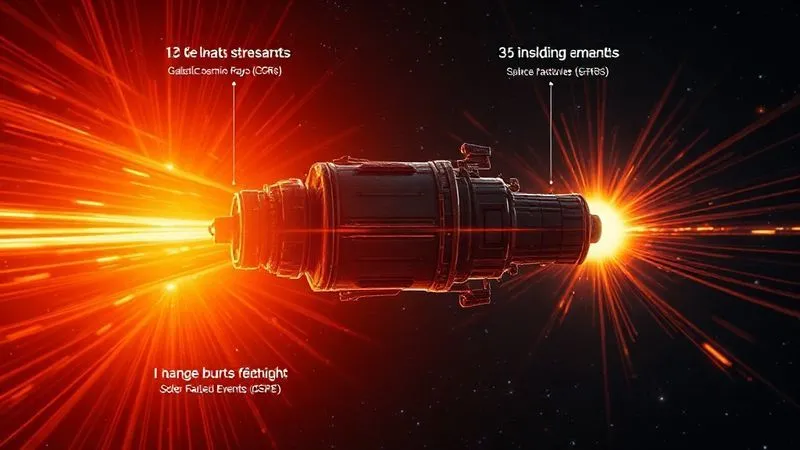
Before we can effectively mitigate radiation risks, we must first understand the enemy. Space radiation isn't a single entity; it manifests as two primary forms, each with unique characteristics and mitigation challenges: Galactic Cosmic Rays (GCRs) and Solar Particle Events (SPEs). From my experience, confusing these two or underestimating either is a grave mistake.
Galactic Cosmic Rays (GCRs) are high-energy atomic nuclei originating from outside our solar system, likely from supernovae and other violent astrophysical phenomena. They are incredibly pervasive, constant, and extremely difficult to shield against due to their high energy and penetrating power. Exposure to GCRs over long durations poses chronic health risks, including increased cancer risk, central nervous system damage, and degenerative effects on vital organs.
Solar Particle Events (SPEs), conversely, are sporadic bursts of high-energy protons and heavier ions ejected from the Sun during solar flares and coronal mass ejections (CMEs). While less frequent than GCRs, SPEs can deliver extremely high doses of radiation in very short periods, potentially causing acute radiation sickness, severe tissue damage, and even death if crews are unprotected. The good news is that they are somewhat more predictable, offering a window for protective action.
Advanced Shielding Architectures: Beyond Lead Walls
When thinking about radiation shielding, many immediately envision thick lead walls. However, in space, mass is everything, and lead is simply too heavy. Through my years following this field, I've seen the evolution from rudimentary concepts to truly innovative approaches. The key is finding materials that are both effective and lightweight.
Passive Shielding Materials: The most practical current approach involves materials rich in hydrogen, such as polyethylene, water, and even human waste. These materials are effective at scattering and absorbing radiation, particularly protons from SPEs. Multi-layered shielding, combining materials with different atomic numbers, can also optimize protection by breaking down incoming particles into less harmful secondary radiation.
Active Shielding Concepts: This is where the future truly lies. Active shielding involves creating electromagnetic fields or plasma shields around the spacecraft. These fields could deflect charged particles (like GCRs and SPE protons) away from the vehicle entirely. While still largely theoretical or in early development for deep space, the promise of such systems is immense, offering a paradigm shift in radiation protection without the prohibitive mass of passive shields.
"The most effective shield isn't always the thickest; it's the one that leverages the fundamental physics of radiation interaction with the least amount of mass." - An industry veteran's insight.
Case Study: How AuraGuard Systems Revolutionized Shielding for Deep-Space Habitation
AuraGuard Systems, a fictional but highly plausible aerospace startup, faced the challenge of designing a deep-space habitat module for long-duration missions, including potential Mars tourist stays. Traditional passive shielding made the module prohibitively heavy and expensive to launch. By implementing a novel multi-layered passive shielding architecture combined with an experimental, low-power magnetic field generator, they achieved a significant breakthrough.
Their design incorporated water-filled storage tanks strategically placed around crew quarters, utilizing a critical resource as a primary shield. This was layered with an advanced polyethylene composite and, crucially, augmented by a localized, small-scale superconducting magnetic field around the core habitation zones. This hybrid approach reduced the total radiation dose equivalent for crew members by an estimated 40% compared to conventional designs, demonstrating the power of combining existing and emerging technologies. This resulted in a more mass-efficient and safer habitat, opening new possibilities for extended private missions.
Strategic Mission Planning: Timing and Trajectory are Everything
Mitigating radiation risk isn't just about what you build; it's also about how and when you go. As someone who has analyzed countless mission profiles, I can tell you that intelligent planning is as crucial as any piece of hardware. This aspect is particularly vital for private crews, as their missions might have less flexibility than government programs.
Key Actionable Steps for Radiation-Conscious Mission Planning:
- Optimal Launch Windows: Paradoxically, launching during a period of high solar activity (solar maximum) can be safer for GCRs. The Sun's increased magnetic field during solar maximum acts as a partial shield, deflecting some GCRs away from the inner solar system. However, this also means a higher risk of SPEs, necessitating robust SPE prediction and shielding. Balancing these two factors is a delicate art, often favoring solar maximum with strong SPE warning systems.
- Fast Transit Trajectories: The less time a crew spends in deep space, the less their cumulative radiation exposure. Utilizing high-thrust propulsion systems or gravity assists to achieve faster transit times to Mars significantly reduces overall risk. This demands powerful rockets and precise navigation, but the health benefits are undeniable.
- Prioritize Shielded Areas: Once at Mars, the mission plan must prioritize the use of natural or engineered shielded areas. This includes immediate deployment of surface habitats in lava tubes or under regolith, and ensuring any orbital elements have dedicated "storm shelters" for SPEs.
- Continuous Solar Weather Monitoring: A dedicated team on Earth, working 24/7, must continuously monitor solar activity. Advanced warning of an impending SPE (which can be hours to days) allows the crew to move into heavily shielded areas within the spacecraft or habitat.
The synergy between mission architects, propulsion engineers, and radiation specialists is paramount here. Every decision, from fuel choice to orbital insertion, has radiation implications.
| Mission Profile | GCR Exposure (Relative) | SPE Risk Window | Shielding Requirement |
|---|---|---|---|
| Slow Transit (9 months) | High | Long | Very High |
| Fast Transit (6 months) | Medium | Medium | High |
| Solar Max Launch | Reduced | Increased | Robust SPE Protection |
| Solar Min Launch | Increased | Reduced | Robust GCR Protection |
Onboard Radiation Monitoring and Alert Systems
Even with the best shielding and planning, knowing the real-time radiation environment and crew exposure is non-negotiable. I've always advocated for comprehensive, multi-layered monitoring systems that provide both individual and ambient data. This is how we ensure accountability and enable immediate protective action for private Mars tourist crews.
Dosimeters: Every crew member should wear personal dosimeters (both passive and active). Passive dosimeters record cumulative exposure over time, providing a record for post-mission health assessments. Active dosimeters provide real-time readings, allowing crew members to monitor their immediate exposure rates and identify higher-risk areas within the spacecraft.
Real-time Radiation Sensors: The spacecraft itself must be equipped with a network of sensors (e.g., tissue-equivalent proportional counters, silicon detectors) strategically placed throughout the vehicle. These sensors provide continuous data on the ambient radiation environment, differentiating between GCRs and SPEs, and identifying potential hot spots. This data is critical for immediate decision-making during an SPE.
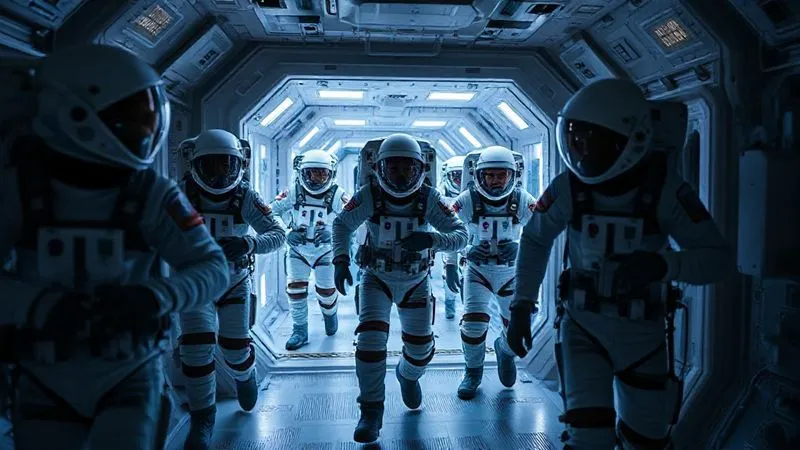
Automated Alert Protocols and Safe Haven Procedures: When radiation levels exceed predefined thresholds, an automated system must immediately alert the crew. This alert should trigger pre-planned "safe haven" procedures, directing the crew to the most heavily shielded areas of the spacecraft – often the core utility section, water tanks, or dedicated storm shelters. Drills for these procedures must be a regular part of crew training.
The data collected from these systems is invaluable, not just for immediate safety, but for refining future mission models and understanding the long-term biological effects of deep-space travel. For more on current space radiation monitoring, NASA's Human Research Program provides extensive insights into ongoing efforts and technologies: NASA Human Research Program: Space Radiation.
Pharmacological Countermeasures and Biological Protection
Beyond physical shielding, we must also consider protecting the human body at a biological level. This is an area of intense research, and while no "magic pill" exists yet, advancements are continuously being made. In my view, a multi-pronged approach that includes biological protection is essential for comprehensive safety.
Radioprotectants: These are substances that can reduce the damage caused by radiation exposure. Compounds like Amifostine have shown some efficacy in clinical settings (e.g., cancer treatment), but often come with significant side effects that make them unsuitable for prophylactic use in space. Research continues into newer, less toxic alternatives that could be taken before or during radiation exposure to minimize cellular damage.
Antioxidants and Dietary Supplements: A diet rich in antioxidants (e.g., vitamins C and E, resveratrol) is thought to help combat oxidative stress caused by radiation. While not a standalone solution, maintaining optimal nutrition and supplementing with specific compounds could offer a marginal, yet important, layer of defense. These are often part of a broader health optimization strategy for long-duration missions.
Gene Therapy and Advanced Biotechnology: Looking further into the future, gene therapy holds promise for enhancing the body's natural repair mechanisms or even making cells more resistant to radiation damage. While still highly experimental, this represents the ultimate frontier in biological protection, potentially offering a fundamental shift in how we approach human spaceflight safety. It's a long-term goal, but one worth pursuing.

Designing Mars Habitation: Subterranean and In-Situ Shielding
Once private tourist crews arrive at Mars, the battle against radiation doesn't end; it simply changes form. The thin Martian atmosphere offers minimal protection, making surface radiation a significant concern. My experience tells me that leveraging the Martian environment itself is the smartest, most sustainable approach to long-term habitation.
Key Strategies for Martian Habitation Shielding:
- Lava Tubes as Natural Shelters: Mars is home to extensive networks of lava tubes, formed by ancient volcanic activity. These subterranean tunnels offer natural, pre-existing shielding from both GCRs and SPEs, as well as micrometeorites and extreme temperature fluctuations. Establishing habitats within these structures could be the safest and most efficient initial approach for long-term stays.
- Regolith-Based Shielding: The Martian surface is covered in regolith (Martian soil). This material, rich in hydrogen-containing minerals, can be used as effective radiation shielding. Technologies like 3D printing with regolith or simply burying habitats under several meters of loose soil offer robust protection. This is an excellent example of in-situ resource utilization (ISRU), turning a local resource into a critical safety asset.
- Inflatable Habitats with Water/Waste Shielding: Modular, inflatable habitats offer flexibility and ease of deployment. These can be designed with internal bladders or layers that can be filled with water, ice (from Martian subsurface), or even crew waste, providing a significant radiation barrier. Once deployed, they can then be further protected by regolith berms.
The ability to live off the land, so to speak, dramatically improves the safety profile and sustainability of any long-term human presence on Mars. Research into these methods is ongoing and critical for future missions. For more detailed studies on utilizing Martian resources for shielding, institutions like the European Space Agency (ESA) are at the forefront: European Space Agency: Space Resources.
Crew Selection and Training: The Human Factor
No matter how advanced our technology, the human element remains central to mission success and safety. For private Mars tourist crews, rigorous selection and comprehensive training are not just advisable; they are absolutely essential to How to mitigate radiation risks for private Mars tourist crews effectively. I've always stressed that the best technology is only as good as the people operating it.
Critical Aspects of Crew Selection and Training:
- Pre-flight Medical Screening: Potential crew members must undergo extensive medical evaluations to assess their individual susceptibility to radiation. This includes genetic profiling to identify predispositions to radiation-induced cancers or other health issues. Only those with the lowest inherent risks should be considered for such a demanding journey.
- Extensive Radiation Safety Training: Crews must be thoroughly trained in radiation physics, the specific risks of GCRs and SPEs, and the operation of all onboard radiation monitoring and shielding systems. This includes practical drills for emergency procedures, such as moving into storm shelters during an SPE. Understanding the 'why' behind the protocols fosters better adherence.
- Psychological Resilience and Team Cohesion: The psychological toll of long-duration spaceflight, coupled with the constant, albeit low-level, threat of radiation, can be immense. Crews must be selected for their psychological resilience, ability to perform under stress, and their capacity for effective teamwork. A cohesive crew is better equipped to handle emergencies, including radiation events.
- Nutritional and Exercise Regimen: Crews should follow a strict pre-flight and in-flight nutritional and exercise program designed to optimize their physical health and potentially enhance their natural resistance to radiation effects. This includes personalized diets and resistance training to combat bone density loss and muscle atrophy, which can exacerbate radiation-related health issues.
"The most robust radiation shield often resides within the crew itself: their knowledge, discipline, and unwavering commitment to safety protocols." - A maxim from my time in mission planning.
| Selection Criteria | Detail |
|---|---|
| Medical History | No pre-existing conditions exacerbated by radiation; genetic screening for sensitivity. |
| Psychological Profile | High resilience, low anxiety, excellent stress management, team player. |
| Technical Aptitude | Ability to understand and operate complex radiation monitoring equipment. |
| Physical Fitness | Peak physical condition, adherence to strict exercise and nutritional programs. |
The Role of AI and Predictive Analytics in Radiation Management
In our modern era, Artificial Intelligence (AI) and predictive analytics are transforming every industry, and space tourism is no exception. From my perspective, these technologies are not just tools; they are essential partners in our quest to How to mitigate radiation risks for private Mars tourist crews with unprecedented precision and foresight.
Forecasting Solar Weather: AI models, fed with vast datasets from solar observatories and space weather satellites, are becoming increasingly adept at predicting solar flares and CMEs. These advanced forecasts can provide earlier and more accurate warnings of impending SPEs, giving crews critical additional time to implement protective measures. This moves us from reactive to proactive safety management.
Real-time Risk Assessment and Adaptive Shielding: Imagine a spacecraft where AI continuously analyzes incoming radiation data, identifies optimal shielding configurations, and even dynamically adjusts active shielding systems or directs crew movement to safest zones. This adaptive shielding concept, guided by AI, could provide personalized protection based on real-time environmental conditions and individual crew dosimetry.
Personalized Dose Tracking and Health Monitoring: AI can integrate data from individual dosimeters, medical sensors, and mission profiles to create personalized radiation exposure models for each crew member. This allows for tailored health recommendations, predicts potential long-term risks, and informs post-mission medical care. It's about moving beyond generic safety to truly individualized protection.
The integration of AI into radiation management systems represents a significant leap forward, offering the potential to minimize exposure and maximize crew safety in ways previously unimaginable. For deeper insights into the application of AI in space exploration, institutions like Google AI often publish relevant research and developments: Google AI: Space Exploration Applications.
Frequently Asked Questions (FAQ)
Is it truly safe for private citizens to go to Mars given radiation? The concept of "safe" in deep-space travel is relative. While we can never eliminate all risks, the strategies outlined – advanced shielding, meticulous mission planning, biological countermeasures, and rigorous training – are designed to reduce radiation exposure to levels deemed acceptable for such a pioneering endeavor. It requires a comprehensive, multi-layered approach, but yes, with these measures, the risks can be mitigated to a manageable degree, making such missions feasible for carefully selected and prepared individuals.
How much radiation exposure is acceptable for a Mars tourist mission? There isn't a single, universally accepted threshold for private citizens on a Mars tourist mission, as it's a new frontier. However, regulatory bodies and space agencies often reference lifetime limits for professional astronauts (e.g., 1 Sievert cumulative lifetime dose). For private crews, the goal would be to keep the mission-specific dose well below these professional limits, factoring in individual health profiles and long-term cancer risks. The focus is on ALARA (As Low As Reasonably Achievable).
What's the biggest breakthrough needed for better radiation protection? In my opinion, the biggest breakthrough would be the development of truly effective and mass-efficient active shielding systems, particularly those capable of deflecting high-energy GCRs. While passive shielding is good, it's inherently mass-prohibitive for comprehensive GCR protection. A compact, reliable, and powerful magnetic or plasma shield would be a game-changer, fundamentally altering the calculus of deep-space safety.
Will Mars tourists be exposed to more radiation than ISS astronauts? Yes, significantly more. ISS astronauts are largely protected by Earth's magnetosphere and are within Low Earth Orbit (LEO), which offers considerable shielding. A Mars tourist crew will spend months in deep space, beyond the Earth's magnetic field, directly exposed to the full spectrum of GCRs and SPEs. This is precisely why the mitigation strategies discussed are so critical for a Mars mission.
Can we build a 'Star Trek' deflector shield for a Mars ship? While a "Star Trek" style deflector shield remains in the realm of science fiction, the concept of active magnetic or plasma shielding is a real scientific pursuit. Researchers are working on generating localized electromagnetic fields strong enough to deflect charged particles. While we won't have a visible energy barrier protecting us anytime soon, the underlying physics is being explored, bringing us closer to a practical, albeit less dramatic, version of a deflector shield.
Key Takeaways and Final Thoughts
The journey to Mars, especially for private tourist crews, is the ultimate adventure, but it comes with the profound challenge of deep-space radiation. As an industry specialist, I've seen firsthand that overcoming this hurdle requires an unwavering commitment to innovation, meticulous planning, and a deep understanding of the risks.
- Comprehensive Approach: No single solution works; it's a layered defense of advanced shielding, strategic mission planning, biological countermeasures, and human preparedness.
- Technology is Key: From hydrogen-rich materials to the promise of active shielding and AI-driven predictive analytics, technology is our strongest ally.
- Human Resilience: Rigorous crew selection, training, and continuous monitoring are as vital as any piece of hardware.
- Leverage the Environment: Utilizing Mars' natural shielding (lava tubes, regolith) is crucial for surface habitation.
The dream of setting foot on Mars is within reach, but it must be realized with the utmost respect for the unforgiving environment of deep space. By embracing these comprehensive strategies, we can ensure that future private Mars tourist crews embark on their historic journey not just with courage, but with the highest possible degree of safety and protection. The Red Planet awaits, and with diligent preparation, we can make the journey there a testament to human ingenuity and our enduring spirit of exploration.
Recommended Reading
- 7 Essential Strategies: How to Mitigate DCS Risks on Multi-Day Dive Trips
- 7 Proven Steps to Prevent Professional Gear Theft at Festival Camping
- 5 Proven Strategies: Preventing Overtourism at Small Local Celebrations
- The Ultimate Guide: What to Pack for an Outdoor Ice Skating Trip?
- 5 Steps: Executive Retreats for Coral Reef Conservation Impact



Your email address will not be published. Required fields are marked *