


How to Prevent Cultural Appropriation in Festival Tour Itineraries?
For over two decades in the cultural travel sector, I've witnessed the profound beauty of authentic festival experiences – moments when visitors connect deeply with local traditions, often for the first time. Yet, I've also seen the heartbreaking unintended consequences when good intentions falter, leading to inadvertent cultural appropriation. It's a delicate balance, often misunderstood, but absolutely crucial for genuine enrichment and ethical operations.
The allure of vibrant festivals, with their dazzling colors, rhythmic sounds, and spiritual ceremonies, can sometimes overshadow their deeper cultural significance. Tour operators, eager to offer 'unique' or 'immersive' experiences, might inadvertently commodify sacred traditions, disrespect local protocols, or even exploit communities. This doesn't just harm the host culture; it diminishes the integrity of the travel experience for everyone involved, turning what should be a meaningful exchange into a transactional display.
This guide isn't about shaming or restricting travel; it's about empowering you, as a tour operator or travel designer, to create itineraries that are not just memorable, but also deeply respectful, ethical, and mutually beneficial. I'll share actionable frameworks, real-world insights, and practical steps to ensure your festival tours genuinely celebrate, rather than appropriate, the cultures you engage with. My goal is to equip you with the knowledge to foster authentic connections, build trust, and truly prevent cultural appropriation in festival tour itineraries.
Understanding Cultural Appropriation: More Than Just a Misstep
Before we delve into prevention, it's vital to clarify what cultural appropriation truly entails. It's more than just a fashion faux pas or a simple misunderstanding; it’s the adoption or use of elements of a minority culture by members of the dominant culture, often without understanding, acknowledgment, or respect for the original context, meaning, or significance. This act often involves the commodification of cultural elements, stripping them of their spiritual or historical importance and reducing them to mere aesthetics or entertainment.
The impact of cultural appropriation can be profound. It can perpetuate stereotypes, erase the contributions of marginalized communities, profit from the labor and creativity of others without fair compensation, and ultimately diminish the cultural heritage it claims to celebrate. For indigenous and minority cultures, whose traditions have often been suppressed or stolen, appropriation is a painful reminder of historical injustices and ongoing power imbalances.
Cultural appreciation, on the other hand, involves engaging with a culture with deep respect, understanding, and humility. It means learning about its origins, acknowledging its creators, and engaging in a way that benefits and empowers the community, rather than exploits it. The key differentiator lies in power dynamics, intent, and impact. Are you taking, or are you learning and contributing?
According to a comprehensive study on responsible tourism practices, the line between appreciation and appropriation is often crossed when there is a lack of meaningful engagement and equitable exchange with the culture bearers. As a tour operator, your role is to ensure your itineraries foster genuine appreciation, not appropriation.
Prioritizing Authentic Community Engagement
The cornerstone of preventing cultural appropriation is authentic engagement with the communities whose festivals you wish to feature. This isn't about simply visiting; it's about building relationships, listening, and respecting local leadership. My experience has shown that tours excel when they are co-created with, and led by, the very people whose culture is being shared.
The Power of Co-Creation and Local Leadership
True partnership means involving community members from the initial planning stages. They are the experts on their own culture, traditions, and protocols. Their insights are invaluable in shaping an itinerary that is both respectful and genuinely enriching. This approach ensures that the festival experience is presented authentically, reflecting the community's values and narratives, not an external interpretation.
- Initiate Contact Respectfully: Don't just show up. Research and identify legitimate community leaders, elders, or cultural councils. Approach them with humility, clearly stating your intentions and asking how you can best support their cultural preservation efforts.
- Listen More Than You Speak: Be prepared to listen to their concerns, suggestions, and conditions. Understand that their priorities might differ from yours, and be flexible enough to adjust your plans accordingly.
- Seek Free, Prior, and Informed Consent (FPIC): This is paramount, especially when working with indigenous communities. Ensure that all aspects of the tour are clearly communicated, understood, and agreed upon by the community before proceeding. This includes how their culture will be presented, who will benefit, and how.
- Empower Local Guides and Storytellers: Local guides provide invaluable context and personal stories that no guidebook can replicate. They are the authentic voice of the culture, capable of explaining nuances, answering questions, and mediating interactions in a culturally sensitive manner.
- Respect Cultural Protocols: Every community has its own customs, rules, and sacred spaces. Educate yourself and your travelers about these protocols (e.g., dress codes, photography etiquette, participation in ceremonies) and strictly adhere to them.
Case Study: The "Spirit of the Andes" Festival Tour
Acme Cultural Tours, a mid-sized operator specializing in South American experiences, initially faced criticism for a festival itinerary in Peru that featured traditional dances and ceremonies without direct, deep community involvement or fair compensation. Their solution involved a complete overhaul: they partnered with a local indigenous community council in the Sacred Valley, empowering them to co-design the festival experience. This meant shifting from passive observation to active, guided participation in workshops led by elders, with a significant portion of tour fees going directly to the community for cultural preservation projects and economic development. The result was not only rave reviews from travelers who felt a deeper connection and appreciation but also a 40% increase in repeat bookings, demonstrating the commercial viability and profound ethical benefits of truly responsible practices.
Developing Ethical Partnerships and Fair Compensation
Beyond engagement, ethical partnerships demand fair and transparent financial arrangements. Cultural appropriation often occurs when external entities profit from cultural elements without adequately compensating the originators. As a tour operator, you have a responsibility to ensure that the economic benefits of your tours flow directly and equitably to the host communities.
Transparency and Equity in Financial Models
Fair compensation isn't just about paying for services; it's about recognizing the intrinsic value of cultural knowledge, performances, and heritage. It means structuring your financial model to be transparent, ensuring that a significant portion of the tour revenue directly supports the community, its artists, performers, and cultural preservation efforts. This moves beyond a transactional relationship to one of genuine investment in the community's well-being.
Ethical Partnership Checklist
| Aspect | Action | Indicator of Success |
|---|---|---|
| Community Consultation | Engage local leaders early, respect veto power. | Community-approved itinerary, mutual trust. |
| Fair Compensation | Establish transparent, direct payment structures, avoid intermediaries. | Agreed-upon fees for performances/workshops, economic benefit visible. |
| Cultural Integrity | Prioritize authenticity over spectacle, avoid commercialization of sacred elements. | Local traditions preserved, no pressure to alter practices for tourists. |
| Capacity Building | Invest in local guides, training, and infrastructure. | Increased local employment, enhanced community skills. |
Consider establishing long-term agreements rather than one-off payments. This fosters stability and allows communities to plan for their future, investing in education, health, or infrastructure. Explore models like community-based tourism enterprises where the community itself owns and manages aspects of the tourism experience.
Crafting Itineraries with Cultural Sensitivity at Their Core
An ethical itinerary is thoughtfully designed, pacing visits to allow for deep understanding rather than superficial consumption. It prioritizes genuine interaction and reflection over a packed schedule of 'must-sees.' This approach ensures that travelers engage meaningfully and respectfully, thereby preventing cultural appropriation in festival tour itineraries.
Designing for Deep Connection, Not Consumption
My advice to fellow industry specialists is always to build in time for context. Don't just show up at a festival; provide pre-festival briefings, historical context, and cultural background. Allow travelers opportunities to learn about the significance of what they are witnessing, rather than just observing it as an exotic spectacle.
- Pre-trip Education: Provide travelers with comprehensive materials on the festival's history, spiritual significance, and cultural context. Include guidelines on appropriate dress, behavior, and photography.
- Pacing and Reflection: Avoid over-scheduling. Allow ample time for travelers to absorb experiences, ask questions, and reflect. Include opportunities for quiet observation or guided discussions.
- Respectful Participation: Clearly differentiate between events where active participation is invited and those that are sacred ceremonies meant for observation only. Guide travelers on how to participate respectfully when appropriate, ensuring they understand the meaning behind their actions.
- Ethical Photography Guidelines: Emphasize asking for permission before taking photos of individuals, especially children, and explain the concept of 'pay for photo' where it is a local custom. Discourage intrusive or disrespectful photography during sacred events.
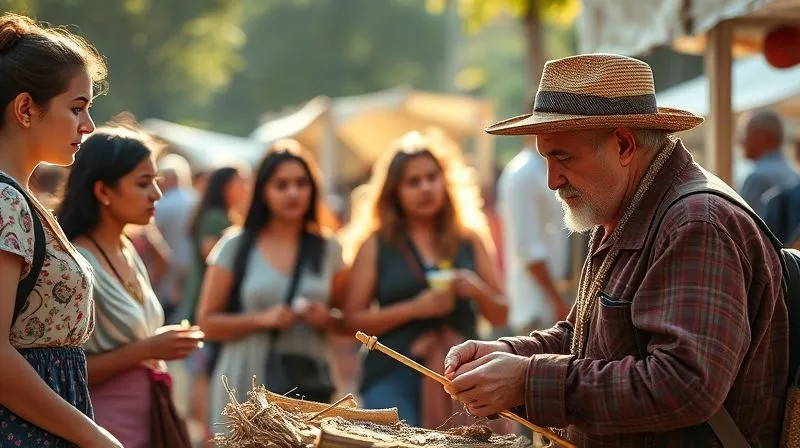
Educating Travelers: The Key to Responsible Participation
Your travelers are your ambassadors. Their behavior directly reflects on your brand and impacts the communities you visit. Comprehensive education before and during the tour is paramount to fostering responsible participation and is a critical step in how to prevent cultural appropriation in festival tour itineraries.
Empowering Travelers to Be Culturally Sensitive
In my years of leading cultural tours, I've found that most travelers genuinely want to be respectful. They simply lack the knowledge or guidance. It's our job to provide that. This education should be ongoing, from the moment they book until they return home.
- Pre-Departure Briefings: Host online or in-person sessions to discuss cultural norms, potential sensitivities, and the importance of respectful engagement. Provide a 'cultural etiquette guide' specific to the destination and festival.
- On-Site Guidance: Ensure local guides reinforce respectful behavior, answer questions, and address any potential missteps immediately and discreetly.
- Explain the 'Why': Don't just state rules; explain the cultural or spiritual reasons behind them. For instance, explaining why certain sites are sacred or why a particular gesture is offensive helps travelers internalize the importance of their actions.
- Discourage Commodification of Identity: Advise against buying items that might be culturally significant as mere souvenirs without understanding their meaning, or wearing traditional attire without explicit invitation and understanding. Emphasize purchasing from local artisans directly to support fair trade.
As UNESCO frequently emphasizes, responsible tourism is about fostering intercultural dialogue and understanding, which can only happen when travelers are equipped with the knowledge to engage respectfully. Providing this education is not just good practice; it's essential for ethical tour operation. You can find valuable resources on UNESCO's Sustainable Tourism Toolkit.
Assessing and Mitigating Impact: A Continuous Process
Even with the best intentions, tours can have unintended impacts. An ethical operator regularly assesses the social, environmental, and cultural footprint of their operations and is prepared to adapt. This continuous evaluation is central to preventing cultural appropriation and ensuring long-term sustainability.
Beyond the Brochure: Real-time Responsiveness and Adaptation
My approach has always been to view every tour as a living entity, constantly open to feedback and improvement. This means establishing clear feedback mechanisms, not just for travelers, but crucially, for the host communities themselves.
- Establish Feedback Channels: Create clear, accessible channels for community members to provide feedback, voice concerns, or suggest improvements. This could be through a local liaison, a community committee, or regular meetings.
- Monitor Social and Environmental Impact: Beyond cultural aspects, assess the environmental footprint (waste, water usage, carbon emissions) and social impact (crowding, changes in local behavior due to tourism).
- Be Prepared to Adapt: If feedback indicates negative impacts or cultural appropriation concerns, be prepared to adjust itineraries, modify activities, or even cease operations in certain areas if necessary. Flexibility and responsiveness are hallmarks of truly responsible tourism.
- Support Local Conservation and Development: Actively contribute to local initiatives that aim to preserve cultural heritage or protect the environment. This demonstrates a long-term commitment beyond just the festival season.
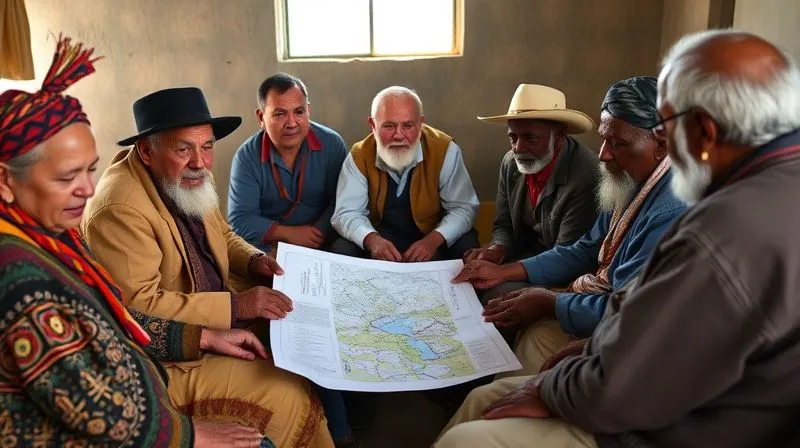
Legal and Ethical Frameworks: Ensuring Compliance and Respect
Navigating the complexities of cultural heritage involves not just ethical considerations but often legal ones too. Understanding and adhering to international and national frameworks regarding indigenous rights, intellectual property, and cultural preservation is crucial for avoiding legal pitfalls and demonstrating genuine respect.
Intellectual Property and Indigenous Rights
Many traditional arts, performances, and stories are considered the intellectual property of indigenous communities. Using or reproducing these elements without explicit permission and fair compensation can be a form of appropriation. Furthermore, international declarations like the United Nations Declaration on the Rights of Indigenous Peoples (UNDRIP) provide a framework for respecting indigenous self-determination and cultural rights.
The principle of Free, Prior, and Informed Consent (FPIC) is not merely an ethical guideline; for many indigenous communities, it is a legal right. It mandates that communities have the right to give or withhold consent to projects that may affect them or their territories. For festival tourism, this translates to ensuring communities are fully informed and agree to all aspects of their cultural practices being shared with visitors.
Familiarize yourself with these frameworks and integrate them into your operational policies. This might involve:
- Formal Agreements: Draft clear, legally sound agreements with communities that outline terms of engagement, compensation, intellectual property rights, and dispute resolution mechanisms.
- Respecting Traditional Knowledge: Understand that certain knowledge or practices may be sacred or private and not intended for public consumption. Respect these boundaries unequivocally.
- Due Diligence: Research local laws and customary laws pertaining to cultural heritage in the destinations you operate in. Ignorance is not an excuse for disrespect.
Adhering to these frameworks not only protects you legally but also builds immense trust with the communities, reinforcing your commitment to ethical tourism. The UN Declaration on the Rights of Indigenous Peoples (UNDRIP) is an essential reference point for any operator working with indigenous cultures.

Building a Legacy of Respect: Beyond the Festival Grounds
Preventing cultural appropriation isn't a one-time achievement; it's an ongoing commitment to a philosophy of responsible travel. The most successful and impactful cultural tours are those that leave a positive, lasting legacy, extending far beyond the duration of the festival itself.
From Transactional to Transformative Tourism
I've always believed that our role as cultural travel specialists is to facilitate transformations – for the traveler, through profound cross-cultural understanding, and for the host community, through sustainable development and cultural preservation. This means thinking long-term and investing in relationships that endure.
- Long-Term Partnerships: Seek to build enduring relationships with communities, not just for a single festival season, but for years to come. This allows for deeper trust, mutual growth, and consistent positive impact.
- Investing in Cultural Preservation: Dedicate a portion of profits or facilitate traveler donations to community-led initiatives for cultural preservation, language revitalization, or heritage site maintenance. This is a direct way to give back and reinforce the value of their culture.
- Promoting Local Economies Ethically: Encourage travelers to purchase authentic, locally made crafts directly from artisans, ensuring fair prices. Avoid supporting vendors who sell mass-produced or culturally insensitive souvenirs.
- Advocacy and Education: Use your platform to advocate for responsible tourism practices within the wider industry and continue educating your audience on the importance of cultural sensitivity.
Long-Term Ethical Impact Metrics
| Metric Category | Key Indicator | Measurement |
|---|---|---|
| Community Empowerment | Increase in local leadership roles in tourism. | Number of community members in management positions, decision-making autonomy. |
| Economic Benefit | Direct financial returns to local artisans/performers. | Percentage of tour revenue directly allocated to community, fair wage audits. |
| Cultural Preservation | Revitalization of traditional arts/languages. | Establishment of cultural centers, language programs supported by tourism funds. |
| Environmental Stewardship | Reduced ecological footprint of tours. | Waste reduction figures, carbon offset investments, local conservation projects. |
By embedding these principles into every aspect of your operations, you move beyond merely avoiding harm to actively generating positive change. This is the essence of truly ethical cultural travel – creating a legacy of respect and mutual benefit that enriches everyone involved.
Frequently Asked Questions (FAQ)
What's the difference between cultural appreciation and appropriation in a festival context? Cultural appreciation involves engaging with a festival's traditions with deep respect, understanding its origins and significance, and participating only when invited and appropriately. Appropriation, conversely, often means taking elements (like costumes, symbols, dances) out of their original context for personal gain, entertainment, or fashion, without understanding or acknowledging their cultural meaning, and often without benefit to the originating community. The key is respect, informed consent, and whether the engagement benefits the culture, or merely extracts from it.
How can small tour operators compete while ensuring ethical practices and preventing cultural appropriation? Small operators often have an advantage here! Their agility allows for deeper, more personal connections with local communities, fostering genuine partnerships. Focus on niche, high-value experiences that prioritize authenticity and respect over mass tourism. Highlight your ethical stance as a unique selling proposition; many travelers actively seek out responsible tourism. Collaborate with local micro-entrepreneurs and emphasize the direct impact of their travel dollars, building trust and a loyal customer base.
What if a community *wants* to commercialize its traditions for tourism? Is that still appropriation? This is a nuanced area. If the commercialization is initiated, managed, and controlled by the community itself, with full understanding of the implications, and benefits flow directly back to them, it's generally not appropriation. The crucial element is Free, Prior, and Informed Consent (FPIC) and community self-determination. Your role as an operator is to support their vision, ensure fair compensation, and help them protect their cultural integrity, rather than imposing external commercial models.
How do I handle traveler behavior that borders on appropriation during a festival tour? Address it immediately, discreetly, and educationally. As the tour leader, you are responsible for guiding your group. A gentle, private conversation explaining the cultural significance of the item or behavior, and why it might be perceived as disrespectful, is often effective. Refer back to pre-trip briefings and the cultural etiquette guide. If the behavior persists, you may need to take firmer action, emphasizing the terms of responsible travel agreed upon by the traveler. Prevention through thorough education is always better than correction.
Is it always appropriation to wear traditional clothing or adornments from a festival culture? Not always, but it requires extreme caution and sensitivity. It moves towards appreciation when: 1) You are explicitly invited by community members to wear it; 2) You understand its cultural significance and wear it respectfully; 3) You purchase it directly from local artisans, ensuring fair compensation; and 4) It's appropriate for the specific context of the festival. However, if it's worn as a costume, without understanding, or in a way that mocks or trivializes the culture, it crosses into appropriation. When in doubt, err on the side of respectful observation.
Key Takeaways and Final Thoughts
- Prioritize Community Voice: True prevention of cultural appropriation begins and ends with empowering and listening to the local communities.
- Educate Relentlessly: Both your team and your travelers need comprehensive, ongoing education on cultural sensitivity and ethical engagement.
- Ensure Fair Exchange: Financial models must be transparent and ensure direct, equitable benefits flow to the host communities.
- Design with Intent: Craft itineraries that emphasize deep understanding, respectful participation, and genuine connection over superficial experiences.
- Commit to Long-Term Impact: View every tour as an opportunity to build a legacy of respect, cultural preservation, and sustainable development.
- Be Adaptable: Continuously assess your impact and be prepared to adjust your operations based on feedback from communities and evolving ethical best practices.
The journey to truly ethical cultural tourism is an ongoing one, demanding humility, continuous learning, and unwavering commitment. It's about recognizing the immense privilege we have to share in the vibrant tapestry of global cultures and ensuring that our presence enriches, rather than diminishes, these invaluable traditions. By embracing these principles, you won't just prevent cultural appropriation in festival tour itineraries; you will create transformative experiences that foster genuine understanding, build bridges, and leave a positive footprint on the world. Let's commit to being agents of positive change, one thoughtful itinerary at a time.
Recommended Reading
- Unveiling the Truth: Is Public Transport Truly Cheaper for Budget Travel?
- 7 Proven Strategies: How to Prevent Wild Animal Habituation to Tourists
- Rail Pass or Not? Europe Backpacking: Are Rail Passes Worth It?
- Unlock the Secret: How to Organize a Compact Glamping Outdoor Kitchen
- 7 Expert Strategies: How to Halt Cultural Event Trip Cancellations





Your email address will not be published. Required fields are marked *