


How to Prevent Inaccessible Tour Stops for Wheelchair Users?
For over two decades in the accessible travel industry, I've witnessed firsthand the profound joy a truly inclusive travel experience can bring. But conversely, I've also seen the heartbreaking disappointment and frustration when a tour, marketed as 'accessible,' leads a wheelchair user to an unexpected barrier – a flight of stairs, a narrow doorway, or a gravel path that renders a stop utterly inaccessible. This isn't just an inconvenience; it's a breach of trust and a significant emotional blow.
The problem is pervasive: many tour operators lack a deep understanding of what true accessibility entails, often relying on superficial checks or outdated information. This oversight not only alienates a growing segment of travelers but also costs businesses reputation and revenue. The pain point is real: travelers with mobility challenges often face anxiety and uncertainty, fearing that their carefully planned adventure will hit an insurmountable wall.
That's why I've distilled my years of experience into a comprehensive framework designed to proactively address this challenge. In this definitive guide, you'll discover actionable strategies, real-world insights, and expert advice to ensure every tour stop is genuinely accessible, transforming potential pitfalls into seamless, unforgettable experiences for wheelchair users. It's about moving beyond mere compliance to genuine, empathetic inclusion.
The Foundation: Shifting Your Mindset from 'Compliance' to 'Inclusion'
Before we delve into the practical steps, it's crucial to establish the right philosophical foundation. Many operators view accessibility as a checklist to be ticked off, driven by legal requirements. While compliance is essential, it's merely the baseline. True accessible travel, particularly for wheelchair users, demands a shift from a 'compliance mindset' to an 'inclusion mindset.'
This means understanding that accessibility isn't a burden; it's an opportunity. It's about empathy, anticipating needs, and designing experiences that are welcoming and enjoyable for everyone, regardless of their mobility. I've seen companies that embrace this mindset not only avoid inaccessible tour stops but also build incredibly loyal customer bases and unlock new market segments.
"Inclusive design isn't just about adding a ramp; it's about designing a world where the ramp was always part of the original vision."
It's about asking, "How can we make this experience not just possible, but truly delightful and empowering for a wheelchair user?" This proactive approach, rather than a reactive one, is the first and most critical step in preventing inaccessible tour stops.
Pre-Booking Vetting: The Digital Deep Dive for Accessibility
The journey to prevent inaccessible tour stops for wheelchair users begins long before a booking is confirmed, often with meticulous research. This digital deep dive is your first line of defense.
Leveraging Online Resources
I always advise starting with a thorough investigation of all potential tour stops using a variety of online tools. Don't just rely on a venue's 'accessibility' page, which can often be vague or outdated. Dig deeper:
- Official Venue Websites: Look for dedicated accessibility statements, facility maps, and detailed descriptions of entrances, restrooms, and pathways. Some progressive venues offer virtual tours or 360-degree photos which are invaluable.
- User Review Platforms: Sites like Google Maps, TripAdvisor, and specific accessible travel forums often contain invaluable firsthand accounts. Use keywords like "wheelchair access," "ramp," "accessible restroom," or "stroller friendly" in your searches. Pay attention to photos uploaded by users, as these can reveal more than official marketing shots.
- Specialized Accessible Travel Blogs & Communities: There's a wealth of knowledge shared by experienced accessible travelers. Communities like Wheelchair Travel or regional disability advocacy groups often review attractions with a critical eye.
Direct Communication with Vendors
Once you've exhausted online resources, direct communication is non-negotiable. This is where you get granular and ask the tough questions. From my experience, the more specific your questions, the more accurate the answers will be. Don't be afraid to ask for photos or even a short video walkthrough.
- Door Widths: Don't assume. Ask for exact measurements of all crucial doorways, especially to restrooms and viewing areas.
- Ramps & Lifts: Confirm availability, slope, and whether they are permanent or temporary. If temporary, who operates them?
- Accessible Restrooms: Are they truly spacious enough for a wheelchair and an assistant? Are grab bars present?
- Pathways: What's the surface material (cobblestones, gravel, smooth pavement)? What are the gradients?
- Transportation: If transport is part of the tour, confirm the type of accessible vehicle, lift capacity, and securement points.
- Staff Training: Are staff trained in assisting wheelchair users?
Remember, a simple "yes, it's accessible" is rarely sufficient. Push for details. This level of diligence in pre-booking vetting is a cornerstone of preventing inaccessible tour stops.

The On-the-Ground Audit: Beyond Online Claims
Even with thorough online vetting and direct communication, there's no substitute for an on-the-ground audit. Websites can be outdated, and even well-meaning staff might not fully grasp the nuances of accessibility for a wheelchair user. This step is critical for ensuring that what's promised digitally translates to reality.
The Value of a Pre-Trip Inspection (or Proxy)
Ideally, I recommend a physical inspection by someone knowledgeable about wheelchair accessibility. If you can't personally visit every stop, consider these alternatives:
- Sending a Representative: If you have local staff or trusted partners, equip them with a detailed checklist and specific questions to verify.
- Utilizing Local Disability Organizations: Many cities have disability advocacy groups or centers for independent living that offer accessibility audit services or can recommend individuals with lived experience to conduct one. This not only ensures accuracy but also builds community trust.
- Engaging Local Wheelchair Users: Sometimes, a local wheelchair user is the best expert. They can provide invaluable insights from their perspective.
Key Audit Checkpoints for Tour Operators
During an audit, focus on these critical areas:
- Entrance & Exit Points: Are they clear, wide enough, and free of obstacles? Are ramps stable and slip-resistant?
- Internal Pathways & Circulation: Are corridors wide? Are there tight turns? Are floor surfaces smooth and even? Avoid thick carpets or loose gravel.
- Restroom Accessibility: Verify dimensions, grab bars, sink height, and ease of door operation.
- Viewing Areas & Experiences: Can a wheelchair user see and participate fully? Are there designated spaces? Is the height appropriate?
- Emergency Exits & Procedures: Are accessible emergency routes clearly marked and maintained? Are staff trained to assist?
- Transportation Logistics: If a transfer is involved, verify the actual vehicle, lift operation, and securement.
- Staff Awareness: Observe how staff interact with people with disabilities. Are they helpful, or do they seem unsure?
"Anticipating challenges before they become problems is the hallmark of true accessible tour design. Don't wait for a complaint; prevent the need for one."
This systematic approach to on-the-ground verification dramatically reduces the risk of encountering an inaccessible tour stop. It’s an investment that pays dividends in traveler satisfaction and positive reputation.
| Audit Item | Standard Requirement | Verification Method |
|---|---|---|
| Main Entrance Width | Minimum 32 inches (81 cm) | Measure with tape, photo documentation |
| Ramp Slope | Max 1:12 ratio (8.3%) | Inclinometer app, visual inspection |
| Accessible Restroom Dimensions | Minimum 60-inch turning radius | Measure, check grab bar placement |
| Pathway Surface Quality | Smooth, firm, slip-resistant | Visual inspection, tactile check |
| Viewing Area Line of Sight | Clear view from seated height | Sit in a wheelchair, assess visibility |
Crafting the Accessible Itinerary: Flexibility and Backup Plans
Even with the most rigorous vetting, the unexpected can happen. Weather changes, temporary construction, or unforeseen equipment malfunctions can suddenly render a previously accessible stop problematic. This is where a well-crafted, flexible itinerary with robust backup plans becomes your saving grace.
Building Buffer Time and Alternatives
In my experience, one of the biggest mistakes tour operators make is packing itineraries too tightly. Accessible travel often requires a slower pace, more time for transitions, and unexpected detours. Building in buffer time is not a luxury; it's a necessity.
- Allocate Extra Time: For transfers, restroom breaks, and navigating new environments. What might take 5 minutes for an ambulatory person could take 15 for a wheelchair user.
- Identify 'Plan B' Accessible Alternatives: For every primary tour stop, have at least one equally engaging and fully accessible backup option. This might be an alternative museum wing, a different park entrance, or a nearby accessible café with a great view. Communicate these options to the traveler beforehand, if appropriate, to manage expectations.
- Prepare for Inclement Weather: Have indoor accessible alternatives ready if an outdoor activity becomes impossible due to rain or extreme heat.
Collaborating with Local Accessibility Experts
Local knowledge is power, especially when it comes to navigating the nuances of accessibility. Building relationships with local experts can be invaluable for creating resilient itineraries.
- Engaging Disability Advocates: These individuals or organizations often have up-to-the-minute information on local conditions, new accessible venues, or temporary barriers. They can also offer insights into local transportation options and services.
- Partnering with Accessible Transport Providers: Establish reliable relationships with companies that specialize in accessible vehicles. They can often provide insights into route accessibility and potential challenges.
This proactive planning, focused on flexibility and local expertise, ensures that even if a primary stop becomes inaccessible, the overall tour experience remains positive and seamless.
Empowering Travelers: Information, Communication, and Feedback Loops
An accessible tour isn't just about physical access; it's also about empowering the traveler with the right information and ensuring open lines of communication. This transparency builds trust and significantly enhances the travel experience for wheelchair users.
Providing Comprehensive Accessibility Information
The more information a traveler has upfront, the better prepared they will be. Don't shy away from detailing potential challenges or nuances. Honesty is always the best policy.
- Detailed Descriptions: Go beyond simple 'accessible' labels. Describe what makes a place accessible: "Ramp with a 1:12 slope at main entrance, accessible restroom on ground floor, 36-inch wide doorways."
- Photos and Videos: Provide visual proof. A picture of the accessible entrance or restroom speaks volumes and helps travelers visualize the experience.
- Setting Realistic Expectations: If a stop is 'partially accessible' (e.g., ground floor only), communicate this clearly. It’s better to under-promise and over-deliver than the reverse.
Establishing Clear Communication Channels
During the tour, accessible communication is paramount. Travelers need to feel heard and supported.
- Pre-Trip Briefings: Conduct a thorough briefing before the tour begins, reviewing the itinerary and addressing any specific concerns the traveler might have.
- On-Tour Support: Ensure the tour guide is easily reachable and responsive to immediate needs or unexpected issues. Provide a direct contact number.
- Emergency Protocols: Clearly outline what to do in an emergency and how assistance will be provided.
Case Study: 'JourneyJoy Tours' Transforms Accessibility
Case Study: How JourneyJoy Tours Eliminated Inaccessible Surprises
JourneyJoy Tours, a mid-sized operator specializing in European cultural experiences, faced numerous complaints about inaccessible stops despite their best efforts. Their churn rate among wheelchair users was nearly 40%. After implementing a comprehensive pre-booking vetting and on-the-ground audit system, coupled with enhanced communication, they saw a dramatic shift. They began providing personalized video walkthroughs of key challenging areas and assigned a dedicated accessibility liaison for each tour. This resulted in a 95% reduction in accessibility-related complaints and a 20% increase in repeat bookings from the accessible travel segment within 18 months. Their commitment to transparency and proactive problem-solving transformed their reputation.
Staff Training and Awareness: Your Frontline Defenders
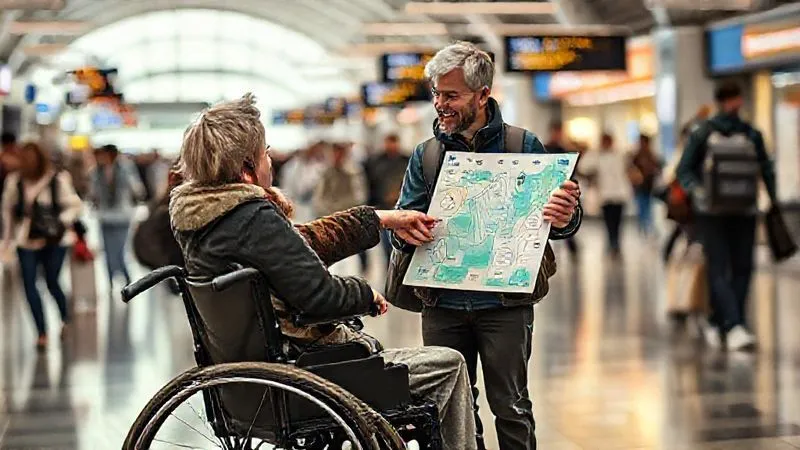
No matter how meticulously you plan, the human element is often the most critical factor in ensuring a truly accessible and positive experience. Your staff, especially tour guides and ground support, are your frontline defenders against inaccessible tour stops and the potential for traveler frustration.
Mandatory Accessibility Training Modules
It's not enough to simply tell staff to be 'helpful.' They need specific, practical training. I've advocated for comprehensive training programs that cover:
- Sensitivity and Etiquette: Understanding person-first language, avoiding assumptions, and respecting personal space. This includes learning how to offer assistance without being patronizing.
- Practical Assistance Techniques: How to safely assist with ramps, maneuvering in tight spaces, transferring, and handling mobility aids (e.g., folding wheelchairs, charging power chairs).
- Understanding Different Mobility Aids: Recognizing the varied needs associated with manual wheelchairs, power chairs, scooters, and other devices.
- Communication Best Practices: How to effectively communicate with individuals who may have additional sensory or cognitive disabilities.
Regular refreshers and advanced training for lead guides are also crucial. The world of accessibility is constantly evolving, and your team should evolve with it.
Role-Playing and Scenario Planning
Theoretical knowledge is good, but practical application is better. I strongly recommend incorporating role-playing and scenario-based training. This allows staff to practice problem-solving in a safe environment:
- Simulated Inaccessible Situations: What if a planned ramp is broken? How do you re-route quickly? What if the accessible restroom is occupied or out of order?
- Customer Service for Challenging Situations: How to de-escalate frustration, offer genuine apologies, and find immediate solutions.
- Emergency Response: Practicing evacuation procedures for wheelchair users in various scenarios.
As Forbes highlights, investing in disability inclusion training not only improves customer experience but also enhances employee skills and company culture. A well-trained and empathetic team can often turn a potentially negative experience into a positive one through their responsiveness and care.
Post-Tour Review and Continuous Improvement
The commitment to preventing inaccessible tour stops doesn't end when the tour does. It's an ongoing process of learning, adapting, and improving. Establishing robust post-tour review mechanisms is essential for long-term success and for solidifying your reputation as a truly inclusive operator.
Gathering Feedback from Wheelchair Users
The most valuable insights will come directly from those who experienced the tour. Design feedback mechanisms that are easy to use and encourage detailed responses:
- Specific Surveys: Beyond general satisfaction, ask targeted questions about accessibility at each stop, transportation, and staff assistance. Use rating scales and open-ended questions.
- Direct Conversations: Offer the opportunity for a post-tour debrief with a dedicated accessibility liaison. This personal touch can yield rich qualitative data.
- Anonymous Channels: Some travelers may prefer to provide feedback anonymously, especially if they had a negative experience. Ensure there are accessible ways for them to do so.
Implementing Changes and Updating Protocols
Feedback is only useful if it leads to action. I always emphasize a closed-loop system for continuous improvement:
- Document Lessons Learned: Create a central repository for all accessibility feedback, categorizing issues by stop, type of barrier, and proposed solutions.
- Review & Analyze: Regularly review feedback to identify recurring problems, trends, and areas for improvement. Prioritize changes based on impact and feasibility.
- Update Protocols & Training: Integrate lessons learned into your pre-booking vetting checklists, on-the-ground audit procedures, and staff training modules.
- Communicate Changes: Inform your team and, where appropriate, your future travelers about the improvements you've made based on feedback. This demonstrates a genuine commitment to accessibility.
This iterative process, often referred to as a PDCA (Plan-Do-Check-Act) cycle, ensures that your accessible tour offerings are constantly evolving and improving. As a study by the World Health Organization indicates, understanding the lived experience of people with disabilities is paramount for effective interventions.

Frequently Asked Questions (FAQ)
What's the biggest misconception about accessible tours for wheelchair users? The biggest misconception is often that 'accessible' means 'easy' or that a single ramp solves all problems. True accessibility is multifaceted, involving not just physical infrastructure but also staff training, communication, and a deep understanding of varied individual needs. It's far more complex than a simple checklist.
How do I handle last-minute accessibility issues that arise during a tour? Preparation is key. First, rely on your 'Plan B' alternatives established during itinerary planning. Second, empower your tour guides with the authority and resources to make on-the-spot adjustments. Clear communication with the traveler, offering genuine apologies, and presenting immediate, viable solutions are crucial. Sometimes, a simple change of route or a different viewing spot can save the day.
Is it significantly more expensive to offer truly accessible tours? While there can be initial investments in training, audits, and potentially accessible transport, many aspects of preventing inaccessible stops are about process improvement and mindset shifts, not just large capital outlays. The long-term benefits – increased market share, enhanced reputation, and customer loyalty – often far outweigh these costs. Think of it as an investment in a growing, underserved market.
How can small tour operators compete on accessibility with larger companies? Small operators often have an advantage in personalized service and flexibility. Focus on niche accessible experiences, build strong local partnerships with accessibility experts, and be incredibly transparent and communicative. Your authenticity and dedication to individual needs can differentiate you from larger, more impersonal competitors. Word-of-mouth in the accessible travel community is powerful.
What legal obligations do tour operators have regarding accessibility? Legal obligations vary significantly by country and region (e.g., Americans with Disabilities Act in the US, Equality Act in the UK). Generally, they require providing reasonable accommodations and ensuring non-discrimination. It's crucial to consult local laws and regulations and, ideally, seek legal counsel to ensure full compliance. However, remember that legal compliance is the floor, not the ceiling, for true inclusion.
Key Takeaways and Final Thoughts
- Mindset Shift: Move from mere compliance to genuine inclusion, focusing on empathy and proactive design.
- Rigorous Vetting: Conduct thorough digital research and direct communication with vendors.
- On-the-Ground Audits: Verify accessibility claims with physical inspections or trusted proxies.
- Flexible Itineraries: Build in buffer time and have accessible 'Plan B' alternatives for every stop.
- Empower Through Information: Provide comprehensive, honest accessibility details and maintain open communication.
- Invest in Staff Training: Equip your team with practical skills and sensitivity training to be effective frontline defenders.
- Continuous Improvement: Implement feedback loops from wheelchair users to constantly refine and enhance your offerings.
Preventing inaccessible tour stops for wheelchair users is more than just good business practice; it's a commitment to dignity, equality, and the universal right to explore our incredible world. By adopting these expert strategies, you're not just avoiding problems; you're actively creating truly memorable, inclusive, and joyful travel experiences. The accessible travel market is growing, and those who lead with genuine inclusion will undoubtedly thrive. Let's work together to make every journey a journey of joy for everyone.

Recommended Reading
- Beyond the Launchpad: How Spaceports Prepare Tourists for Cosmic Journeys
- Preventing Executive Burnout: 5 Strategic Rejuvenation Travel Frameworks
- 7 Critical Strategies: Preventing & Recovering High-Altitude Trek Logistics Failure
- Solo Women & Humanitarian Aid: Unveiling the Truth About Safety
- 8 Expert Hacks: Confidential Remote Meetings in Noisy Hostels



Your email address will not be published. Required fields are marked *