

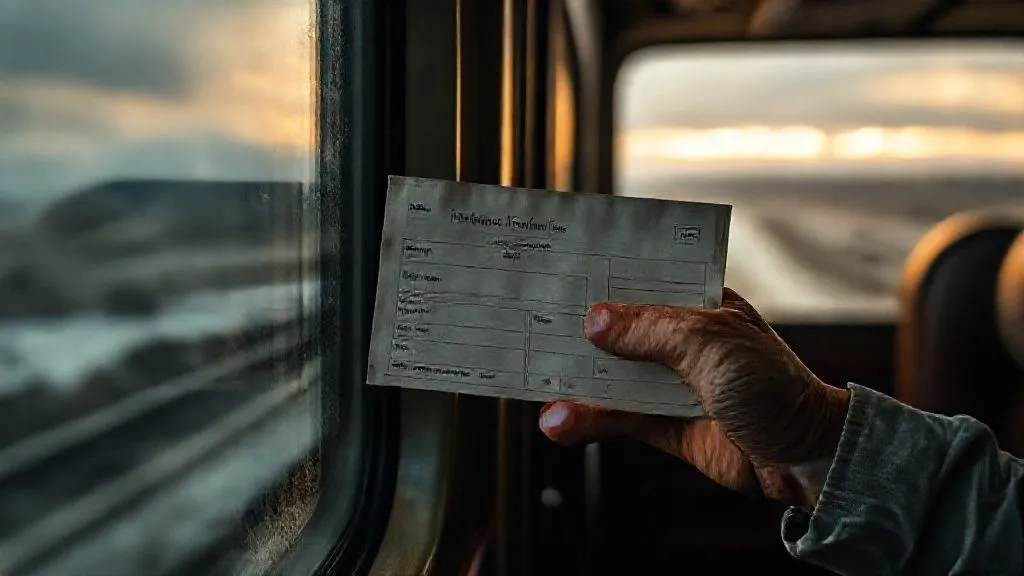
Mastering Rebookings: How to Rebook Luxury Scenic Train Clients After Route Cancellations?
For over 20 years in the luxury travel sector, particularly within the enchanting world of scenic train journeys, I've witnessed firsthand the delicate balance between delivering unparalleled experiences and navigating unforeseen disruptions. There's an unspoken contract with luxury clients: they expect perfection, and when a route cancellation shatters that expectation, it's not just a logistical headache; it's a profound breach of trust.
The immediate fallout from a route cancellation can feel like a direct hit to your brand's reputation and bottom line. High-net-worth individuals who book these once-in-a-lifetime trips often have complex schedules, significant financial investments, and elevated expectations. A cancellation, without a robust and empathetic rebooking strategy, can lead to permanent client loss and significant negative word-of-mouth.
This isn't merely about moving a booking; it's about crisis management, customer relationship salvaging, and ultimately, transforming adversity into an opportunity to deepen client loyalty. In this definitive guide, I'll share the actionable frameworks, real-world insights, and expert strategies I've honed over decades to show you precisely how to rebook luxury scenic train clients after route cancellations, ensuring they not only return but become even more ardent advocates for your brand.
1. The Immediate Aftermath: Crisis Communication & Empathy First
When a route cancellation occurs, speed, transparency, and empathy are your most potent tools. Delaying communication or sugarcoating the issue only compounds the problem. Your luxury clients value directness and respect for their time.
“In luxury travel, a crisis isn't just about the problem itself, but the elegance and efficiency with which you resolve it. It’s a performance under pressure.”
My first rule of thumb is to establish a clear, multi-channel communication plan within hours, not days, of a confirmed cancellation. This includes personalized emails, direct phone calls, and, if appropriate, communication through their travel advisors. Never send a generic mass email to luxury clients without follow-up.
- Immediate Notification: As soon as the cancellation is confirmed, reach out personally. A phone call is always preferable for luxury clients. Explain the situation clearly and concisely, expressing genuine regret.
- Dedicated Point of Contact: Assign a senior client relations specialist to each affected client or group. This personal touch is non-negotiable for high-end clientele. They should have direct access to this individual.
- Proactive Information Sharing: Don't wait for them to ask. Provide initial information on why the cancellation occurred (if appropriate and non-confidential), what steps you're taking, and what options will be presented.
- Empathy and Apology: A sincere apology acknowledges their disappointment and validates their feelings. Use phrases like, "I understand how much you were looking forward to this journey, and I am truly sorry for this disruption."

2. Assessing the Damage: Understanding Client Needs & Expectations
Before you can rebook, you must understand the client's specific situation. Not all cancellations impact clients equally. Some might be flexible, others might have intricate onward travel plans or special celebrations tied to the journey.
This phase is about active listening and meticulous data gathering. Your dedicated client relations specialist should conduct a detailed consultation with each client. This isn't just a survey; it's a conversation designed to uncover their priorities and constraints.
- Original Intent: Why did they book this specific route? Was it for a birthday, anniversary, a specific scenic view, or a bucket-list item? Understanding this helps in proposing relevant alternatives.
- Flexibility & Availability: What are their new availability windows? Are they open to different dates, or is their schedule entirely rigid?
- Financial Impact: Have they incurred non-refundable flights, hotels, or other arrangements due to this cancellation? Be prepared to address these.
- Emotional Impact: How disappointed are they? Acknowledge their feelings and let them know you’re working to make it right.
According to a Harvard Business Review study on customer service, customers who experience excellent service recovery are often more loyal than those who never experienced a problem at all. This highlights the immense opportunity embedded in crisis.
3. Crafting Bespoke Alternatives: Beyond a Simple Refund
Offering a full refund is the bare minimum and often insufficient for luxury clients. They booked an experience, not just a transaction. Your goal is to replicate or even enhance that experience, even if it means a different route or timing.
This is where your expertise in the wider luxury train travel landscape truly shines. Think creatively and offer curated solutions that go above and beyond.
- Alternative Dates on the Same Route: If the route is merely temporarily closed, offer the earliest possible alternative dates. Sweeten the deal with complimentary upgrades, onboard credits, or pre/post-journey luxury hotel stays.
- Alternative Routes with Similar Charms: If the original route is indefinitely unavailable, suggest other premium scenic train journeys that offer a comparable experience (e.g., similar landscapes, cultural immersion, level of luxury). Provide detailed brochures, virtual tours, and personal recommendations.
- Hybrid Solutions: Combine a shorter train journey with private transfers, unique local experiences, or even a luxury cruise segment to create a new, compelling itinerary.
- Exclusive Access & Perks: Offer something money can't buy – perhaps a private tour of your train's locomotive, an exclusive chef's table experience, or a meet-and-greet with the train manager.
- Consider 'Make Good' Compensation: Beyond the rebooking, a gesture of goodwill is crucial. This could be a significant future travel credit, reimbursement for documented out-of-pocket expenses (flights, hotels), or a luxury gift basket delivered to their home.
Case Study: The Grand Horizon Express's Avalanche Challenge
The Grand Horizon Express, renowned for its iconic Rocky Mountain route, faced an unprecedented avalanche closing their primary line for three months. Instead of just refunding, their team immediately contacted all affected clients. For those with fixed dates, they offered an alternative 'Coastal Panorama' journey on another luxury train, including a complimentary night at a five-star Vancouver hotel and an exclusive private helicopter tour over the coastal mountains. For clients with flexible dates, they offered the original Rocky Mountain route on a later date with a guaranteed cabin upgrade and a $1,000 onboard credit. The result? Over 85% of clients rebooked, and many wrote glowing testimonials about the exceptional service recovery, turning a potential disaster into a significant loyalty boost.
4. Leveraging Technology for Seamless Rebooking
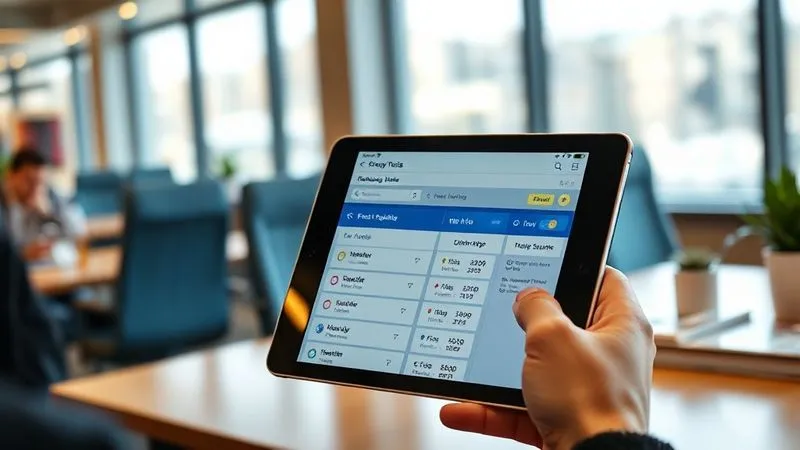
While the human touch is paramount for luxury clients, efficient technology underpins a smooth rebooking process. Manual processes are prone to error and can frustrate both clients and staff.
Invest in and utilize CRM (Customer Relationship Management) systems that can track client preferences, communication history, and rebooking options. This ensures that every team member has a 360-degree view of the client's journey.
- Integrated Booking Systems: Ensure your rebooking process is integrated with your core booking platform. This prevents double bookings, ensures real-time availability, and streamlines modifications.
- Personalized Online Portals: Consider developing a secure online portal where clients can view their rebooking options, proposed alternative itineraries, and even make preferences for new dates or routes. This empowers them while still having the support of their dedicated specialist.
- Automated Follow-ups (with Personalization): Use automation for reminders or confirmations, but always ensure they are highly personalized and refer back to their dedicated contact person.
- Data Analytics for Future Planning: Analyze rebooking patterns, client preferences for alternatives, and compensation impact. This data is invaluable for future contingency planning and route development.
5. Training Your Team: The Human Touch in Crisis
Your front-line team – from client relations to reservations – are the heroes in a rebooking crisis. Their training and empowerment are critical. They must be equipped not just with information, but with the confidence and autonomy to make decisions that satisfy luxury clients.
I've always advocated for intensive crisis communication training that goes beyond scripts. It's about developing emotional intelligence, problem-solving skills, and a deep understanding of the luxury client mindset.
- Empowerment to Act: Give your team clear parameters within which they can offer solutions and compensation without needing constant managerial approval. This speeds up resolution and prevents client frustration.
- Product Knowledge Expertise: Ensure they are intimately familiar with all your alternative routes, partner offerings, and potential 'make good' options. They need to be able to sell the alternative with as much passion as the original.
- Role-Playing Scenarios: Conduct regular training sessions with role-playing exercises simulating difficult client conversations. Provide constructive feedback.
- Mental Health Support: Managing upset luxury clients can be emotionally taxing. Provide support and debriefing sessions for your team.
6. Financial Considerations & Compensation Strategies
Managing the financial implications of route cancellations is complex but essential for maintaining profitability and client trust. This involves understanding your terms and conditions, insurance policies, and having a clear compensation framework.
A well-defined compensation strategy should be transparent, fair, and flexible enough to address individual client circumstances. It's not about being cheap; it's about being strategic and valuing long-term relationships.
| Compensation Type | Description | When to Offer | Impact on Loyalty |
|---|---|---|---|
| Full Refund | Return of 100% of booking cost. | Client cannot rebook, or prefers not to. | Neutral, but expected. |
| Future Travel Credit (FTC) | Credit for future bookings, often with bonus value (e.g., 125% of original fare). | Encourages rebooking on your services. | Positive, if combined with excellent service. |
| Cabin/Service Upgrade | Complimentary upgrade on rebooked journey. | Enhances perceived value of rebooked trip. | Strongly positive, adds luxury. |
| Reimbursement for Out-of-Pocket Expenses | Covering non-refundable flights/hotels booked by client due to cancellation. | Essential for maintaining trust and fairness. | Very positive, shows care. |
| Exclusive Perk/Experience | Unique, non-monetary additions (e.g., private tour, special dinner). | Adds a 'money-can't-buy' element to recovery. | Highly positive, memorable. |
Always review your terms and conditions (T&Cs) thoroughly and ensure they are clear to clients at the time of booking. However, in luxury travel, going beyond the T&Cs is often necessary to preserve brand reputation. Consider the long-term customer lifetime value over the immediate cost of compensation.
Furthermore, understand your own insurance coverage. Many luxury operators have robust insurance policies that can mitigate some of the financial burden of cancellations due to unforeseen circumstances like natural disasters or operational failures. Consult with your legal and insurance teams proactively.
7. Turning Adversity into Opportunity: Building Loyalty
The true measure of a luxury brand isn't just how it performs when things go right, but how it shines when things go wrong. A brilliantly executed rebooking process can transform a disgruntled client into your most loyal advocate.
This phase is about reinforcing the positive experience and ensuring the client feels valued and heard, even after the immediate crisis has passed.
- Seamless Execution of the New Journey: Ensure every detail of the rebooked journey is flawless. The new experience must be exceptional to erase any lingering negative feelings from the cancellation.
- Post-Journey Follow-Up: After their rebooked trip, reach out personally. A simple call or a handwritten note from their dedicated specialist asking about their experience shows you care beyond the transaction.
- Solicit Feedback & Act On It: Use their feedback not only to improve your rebooking process but also to show them their voice matters. If they suggest an improvement, implement it and let them know.
- Future Loyalty Programs: Consider offering a special, unadvertised perk for clients who experienced a cancellation and rebooked – perhaps an exclusive invitation to a new route launch or a higher tier in your loyalty program.
As Seth Godin often emphasizes, building a tribe of loyal customers is about creating connection and trust. A cancellation is a test of that trust, and a successful rebooking is an opportunity to strengthen those bonds exponentially.

Frequently Asked Questions (FAQ)
Q: What are the most common reasons for luxury scenic train route cancellations? Route cancellations can stem from a variety of factors, often beyond the operator's immediate control. These include natural disasters like landslides, floods, or extreme weather (snowstorms, heatwaves), infrastructure issues such as track damage or essential maintenance, operational challenges like mechanical failures, or even unforeseen geopolitical events or public health crises. It's crucial for operators to have robust contingency plans for each scenario.
Q: Should I offer a full refund immediately, or try to rebook first? While a full refund is always an option, for luxury clients, the experience is often more valuable than the money. I recommend presenting rebooking options first, coupled with attractive incentives (upgrades, credits, added perks). A full refund should be offered as a clear alternative if rebooking isn't feasible or desired by the client, but it shouldn't be the default first offer if you wish to retain their business and loyalty.
Q: How do I handle clients who have made non-refundable third-party bookings (flights, hotels) due to the original train journey? This is a critical area for client satisfaction. While your T&Cs might absolve you of responsibility, for luxury clients, a gesture of goodwill is paramount. I strongly advise offering to reimburse these documented, non-refundable expenses up to a reasonable limit, or providing a substantial future travel credit that more than covers these costs. This demonstrates exceptional customer care and significantly mitigates negative sentiment.
Q: What if the alternative routes or dates are significantly more expensive? Should the client pay the difference? This depends on your rebooking policy and the specific situation. For luxury clients, I generally recommend absorbing minor price differences, especially if the alternative is of comparable quality. If the alternative is a significant upgrade in class or duration, a partial charge might be acceptable, but it should be communicated transparently and offset with other complimentary perks to soften the impact. The goal is to make the client feel they are gaining, not losing.
Q: How can I prevent future route cancellations or minimize their impact? While you can't prevent natural disasters, you can significantly mitigate impact. This involves rigorous maintenance schedules, proactive infrastructure monitoring, diversified route offerings, robust insurance, and detailed contingency planning. Regularly review weather patterns, geological risks, and operational vulnerabilities. Building strong relationships with alternative luxury transport providers and hotels can also provide swift solutions during disruptions.
Key Takeaways and Final Thoughts
Navigating route cancellations for luxury scenic train clients is undoubtedly one of the most challenging aspects of our industry. Yet, it presents a unique crucible for your brand's commitment to excellence. My decades of experience have shown me that how you respond in these moments defines your legacy.
- Prioritize Proactive, Empathetic Communication: Be swift, transparent, and genuinely sorry.
- Deeply Understand Client Needs: Tailor solutions, don't generalize.
- Innovate with Bespoke Alternatives: Go beyond refunds; offer enhanced experiences.
- Empower and Train Your Team: They are your brand ambassadors in crisis.
- Strategize Compensation Smartly: Balance financial prudence with long-term loyalty.
- Leverage Technology Effectively: Streamline processes while maintaining the human touch.
- Transform Adversity into Loyalty: Turn a negative into a powerful testament to your service.
Remember, luxury clients don't just buy a ticket; they invest in a dream. When that dream is interrupted, your ability to restore and even elevate it is paramount. By meticulously following these steps, you'll not only learn how to rebook luxury scenic train clients after route cancellations but also solidify your reputation as a truly exceptional, customer-centric luxury travel provider, building an unbreakable bond of trust for years to come.
Recommended Reading
- Treehouse Glamping: Is it Safe for Kids? Ultimate Safety Guide
- 5 Essential Steps: Plan a Mindful Break to Prevent Executive Burnout
- Severe Hypothermia in Snowshoeing: 7 Critical Steps to Save a Client
- 5 Steps: Solo Self-Discovery Trips to Redefine Your Career Path After Burnout
- 7 Secrets: Plan Scenic Drives to Minimize Crowds & Maximize Views

Your email address will not be published. Required fields are marked *