


How to Recover from a Luxury Safari Client's Negative Experience?
For over two decades in the luxury travel sector, I've witnessed firsthand the intricate dance between expectation and reality, particularly in the high-stakes world of luxury safaris. A meticulously planned itinerary, a dream destination, and then – a significant misstep. It's a scenario every premium travel provider dreads, and I've seen countless businesses flounder, not because of the initial mistake, but because of their inability to recover gracefully.
The sting of a negative experience for a luxury safari client isn't just about a lost booking; it's about a shattered dream, a significant financial investment gone awry, and potentially, a cascade of negative word-of-mouth that can erode years of meticulously built reputation. In an industry where trust and impeccable service are paramount, such incidents demand more than just an apology – they demand a strategic, empathetic, and often, extraordinary recovery effort.
This article isn't just another guide; it's a framework born from my extensive experience, designed to equip you with actionable strategies and proven insights. We'll delve into the nuances of luxury service recovery, exploring how to not only mitigate damage but also to transform a client's disappointment into an even stronger, more loyal relationship. You'll learn the critical steps, the psychological underpinnings, and the practical tools needed to master how to recover from a luxury safari client's negative experience.
Understanding the Unique Stakes of Luxury Safari Service Recovery
Luxury travel, by its very definition, implies an elevated level of expectation. Clients investing significant sums in a luxury safari aren't just paying for accommodation and transport; they're paying for an unforgettable, seamless, and often transformative experience. When this experience falls short, the disappointment is magnified.
In my career, I've observed that the perceived value in luxury safaris often lies in the intangible: the thrill of the chase, the serenity of the wilderness, the exclusivity of a private guide, or the personalized touches that make a trip unique. A negative experience, whether it's a missed game drive, a substandard lodge, or a perceived lack of attention, can feel like a profound betrayal of that promised value.
This isn't merely a transactional issue; it's deeply emotional. Therefore, recovering from a luxury safari client's negative experience requires a recovery strategy that is equally emotional, personalized, and goes far beyond standard customer service protocols. It demands a level of empathy, proactivity, and generosity that rebuilds trust and validates the client's significant investment.
Step 1: The Immediate, Empathetic Response – Speed and Sincerity
When a luxury safari client expresses dissatisfaction, the clock starts ticking. Research consistently shows that a swift response to a complaint can significantly impact a client's perception of your brand. As I always tell my mentees, speed doesn't just resolve issues; it signals respect.
However, speed alone isn't enough. The response must be imbued with genuine empathy. This means actively listening, acknowledging their feelings, and validating their frustration without immediately jumping to solutions or excuses. Phrases like "I understand how incredibly frustrating this must have been" or "I can only imagine your disappointment" are crucial.
The Power of Proactive Communication
Ideally, you're aware of an issue before the client even has to formally complain. This is where vigilant on-the-ground communication from guides and lodge staff becomes invaluable. If a problem arises during the safari, empower your team to address it immediately and report it up the chain. This allows for a proactive, rather than reactive, recovery effort.
Here’s how to ensure your immediate response is effective:
- Acknowledge Promptly (within hours, not days): Even if you don't have a solution yet, a quick "We've received your feedback and are taking it very seriously. We're investigating and will be in touch with a detailed response within X hours/days" is better than silence.
- Personalize the Communication: Avoid generic templates. Address the client by name and reference specific details of their experience. Show you've truly listened.
- Express Sincere Apology: A genuine apology is not an admission of guilt, but an acknowledgement of their distress. "I am truly sorry that your experience fell short of the exceptional standard we strive for."
- Take Ownership: Even if the issue was partially out of your control (e.g., weather), your role is to manage the overall experience. "We take full responsibility for ensuring every aspect of your safari is perfect, and clearly, we missed the mark here."
Remember, the goal here is to de-escalate the emotional tension and open a channel for productive dialogue. According to a study published in the Harvard Business Review, customers who receive a quick, empathetic response are more likely to forgive and even become more loyal.
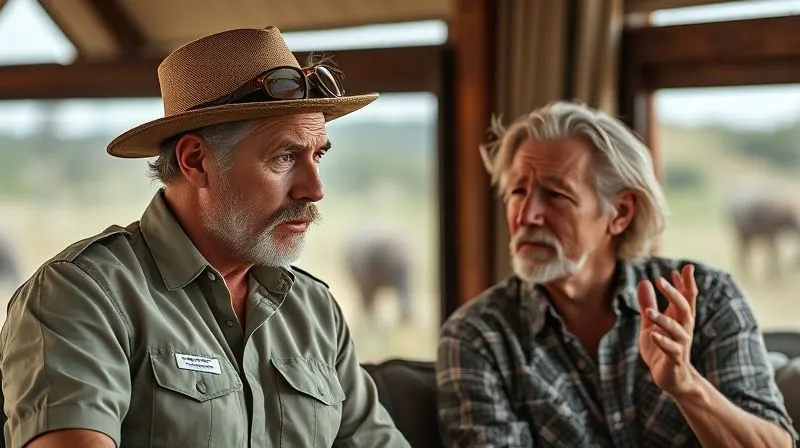
Step 2: Deep Dive into the Disappointment – Root Cause Analysis
Once you've established initial contact and offered an apology, the next critical step in how to recover from a luxury safari client's negative experience is to thoroughly understand the problem. This isn't about assigning blame; it's about gaining a comprehensive understanding of what went wrong from the client's perspective and identifying the underlying causes.
Beyond the Surface: Uncovering the True Pain Points
Often, the initial complaint is just the tip of the iceberg. A client might say, "The game drives were disappointing," but the deeper issue could be a guide who lacked engagement, a feeling of being rushed, or unmet expectations about animal sightings. It's your job to gently probe and uncover these nuances.
I advocate for a structured approach to this investigation:
- Listen Actively and Ask Open-Ended Questions: "Could you tell me more about what specifically made the game drives disappointing?" or "What did you envision for that particular experience that we didn't deliver?"
- Gather All Relevant Information: Speak to every team member involved – the booking agent, the ground handler, the safari guide, the lodge manager, and any other staff. Cross-reference their accounts with the client's feedback.
- Review Documentation: Re-read the client's original itinerary, any special requests, and communication logs. Was there a misunderstanding of expectations from the outset?
- Identify Patterns: Is this an isolated incident, or does it point to a systemic issue (e.g., a specific guide, a particular lodge, a recurring logistical problem)?
- Categorize the Complaint: Understanding the nature of the complaint helps in tailoring the solution. Was it a logistical failure, a service lapse, a safety concern, or an expectation mismatch?
This meticulous investigation demonstrates to the client that you're not just offering lip service but are genuinely committed to understanding and rectifying the situation. It also provides invaluable data for preventing future occurrences.
| Complaint Category | Example | Impact |
|---|---|---|
| Logistical Failure | Missed transfer, delayed flight connection, incorrect booking | High stress, wasted time, financial loss |
| Service Lapse | Unresponsive guide, rude staff, poor lodge service | Emotional distress, feeling undervalued, ruined atmosphere |
| Expectation Mismatch | Animal sightings below expectation, lodge not as advertised | Disappointment, feeling misled, shattered dream |
| Safety/Comfort Concern | Vehicle breakdown, unclean facilities, food poisoning | Fear, physical discomfort, health risk |
Step 3: Crafting a Personalized, Value-Driven Solution
With a clear understanding of the problem, the next step in how to recover from a luxury safari client's negative experience is to propose a solution. This isn't a one-size-fits-all approach. For luxury clients, the resolution must be as bespoke as their original safari. It should directly address their specific pain points and offer perceived value that genuinely compensates for their disappointment.
Tailoring the Apology and Compensation
The solution should always begin with a renewed, heartfelt apology, acknowledging the specific issues identified during your deep dive. Follow this with a concrete proposal. Compensation can take various forms:
- Financial Reimbursement: A partial or full refund for the affected portion of the safari. This is often expected for significant failures.
- Future Travel Credit: An attractive credit towards a future safari or other travel services. This encourages repeat business.
- Exclusive Upgrades/Experiences: Offering a complimentary upgrade on a future trip, a private game drive, a unique cultural experience, or a stay at a more exclusive property.
- Personalized Gifts: A high-quality photo album of their trip (even if they were disappointed, some memories are still cherished), a luxury item relevant to safari, or a donation in their name to a wildlife conservation charity.
The key is to offer something that the client perceives as genuinely valuable and thoughtfully tailored to their experience. Sometimes, a combination of these elements works best.
Case Study: How Wild Horizons Safaris Rebuilt Trust
Wild Horizons Safaris, a boutique luxury operator, faced a severe challenge when a high-net-worth couple's private charter flight to their remote camp was delayed by 12 hours due to an unforeseen mechanical issue, causing them to miss their first evening game drive and a special bush dinner. The clients were understandably furious, feeling their meticulously planned, once-in-a-lifetime experience was ruined.
Upon learning of the delay, Wild Horizons immediately contacted the clients, offering a sincere apology and arranging for a luxury lounge at the airport. Their representative met them upon arrival, again apologizing personally. Following the trip, Wild Horizons’ CEO personally called the clients to understand their full disappointment. The solution offered was multi-faceted:
- A full refund for the missed night and game drive.
- A complimentary 3-night stay at one of their most exclusive sister properties in a different region of Africa, valid for two years, with private transfers.
- A framed, professionally edited photo of a rare leopard sighting from a previous Wild Horizons safari, with a handwritten note from the CEO.
This comprehensive, personalized recovery effort not only pacified the clients but transformed their perception. They booked the complimentary trip the following year and became vocal advocates for Wild Horizons, praising their integrity and commitment to client satisfaction. This demonstrated a profound understanding of how to recover from a luxury safari client's negative experience by turning a significant failure into an opportunity to showcase exceptional service.

Step 4: The Art of Service Recovery Paradox – Exceeding Expectations
The concept of the Service Recovery Paradox suggests that a customer who has experienced a service failure and then receives excellent service recovery might actually end up being more satisfied and loyal than if no failure had occurred at all. This is the ultimate goal when you're figuring out how to recover from a luxury safari client's negative experience.
Turning a Fumble into a Future Opportunity
To achieve this paradox, your recovery effort must not just fix the problem but genuinely exceed the client's expectations for resolution. This often means going above and beyond what's strictly necessary or expected. It requires creativity, generosity, and a deep understanding of what truly delights your luxury clientele.
Here are strategies to leverage the Service Recovery Paradox:
- Offer More Than They Ask For: If they ask for a refund for one night, consider offering a refund for two, or adding a significant credit for future travel.
- Introduce an Unexpected Delight: During a future interaction or even during the resolution process, surprise them with something they didn't anticipate. This could be a personalized gift, an exclusive invite, or a unique experience.
- Ensure Flawless Execution of the Recovery: Whatever solution you propose, ensure its delivery is absolutely perfect. If it's a future credit, make the booking process seamless. If it's a refund, process it immediately.
- Personal Touch from Leadership: A call or email from a senior executive or the owner of the company can significantly elevate the perceived value of the recovery, demonstrating that their experience truly matters at the highest level.
The essence here is to transform a negative memory into a positive one, showcasing your brand's unwavering commitment to excellence even when things go wrong. As marketing guru Seth Godin often says, "People do not buy goods and services. They buy relations, stories, and magic." Your recovery effort is an opportunity to rewrite their story with your brand.
Step 5: Follow-Up and Long-Term Relationship Nurturing
The recovery process doesn't end when the solution is delivered. True mastery of how to recover from a luxury safari client's negative experience involves sustained follow-up and long-term relationship nurturing. This demonstrates that your care extends beyond merely resolving a complaint; it’s about valuing their patronage.
Sustaining Trust Beyond the Resolution
A thoughtful follow-up strategy reinforces your commitment to their satisfaction and can solidify their renewed loyalty. This isn't about repeatedly apologizing, but rather about checking in and demonstrating that you've learned from the experience.
Consider these follow-up actions:
- Post-Resolution Check-in: A few weeks or months after the resolution, a polite, non-intrusive email or call to ask if everything is satisfactory and to reiterate your appreciation for their understanding.
- Update on Improvements: If the negative experience led to a systemic change (e.g., new training for guides, updated logistics protocols), consider sharing this with the client. "Following your feedback, we've implemented X to ensure this doesn't happen again." This shows you've taken their input seriously.
- Personalized Communications: Send holiday greetings, birthday wishes, or exclusive early-bird offers for future safaris. Keep the relationship warm and personal.
- Invitations to Exclusive Events: If you host client appreciation events or private webinars on new destinations, include them. This reinforces their status as a valued client.
This sustained engagement ensures that the positive memory of your recovery effort overshadows the initial negative experience. It transforms a one-time transaction into a long-term relationship based on trust and mutual respect.
| Follow-Up Action | Timing | Goal |
|---|---|---|
| Post-Resolution Check-in | 1-3 months after resolution | Confirm satisfaction, reinforce care |
| Update on Systemic Changes | As applicable, after implementation | Show feedback is valued and acted upon |
| Personalized Greetings/Offers | Ongoing, seasonally | Maintain relationship, encourage future bookings |
| Exclusive Event Invites | As events occur | Deepen engagement, build community |

Preventing Future Service Failures: Learning from Mistakes
The ultimate goal of any service recovery effort is not just to fix the immediate problem but to prevent similar issues from recurring. Every negative experience, however painful, is a rich source of data for organizational learning and improvement. This proactive approach is fundamental to long-term success in luxury travel.
Implementing Feedback Loops and Training
In my experience, the most successful luxury operators treat every complaint as a critical incident review. This involves:
- Detailed Incident Reporting: Documenting every aspect of the complaint, the investigation, the resolution, and the root causes.
- Regular Review Meetings: Conducting periodic meetings with relevant teams (sales, operations, guides, lodge managers) to discuss common issues, share learnings, and brainstorm preventive measures.
- Targeted Training Programs: Developing and implementing training modules to address identified weaknesses. This could be anything from advanced guide training on managing client expectations for wildlife sightings to improving logistical coordination.
- Empowering Frontline Staff: Equipping guides and lodge staff with the authority and resources to resolve minor issues on the spot, before they escalate.
- Proactive Quality Checks: Implementing regular audits of lodges, vehicles, and itinerary elements to ensure consistent quality.
By transforming insights from negative experiences into actionable improvements, you not only reduce future service failures but also enhance the overall quality and reliability of your luxury safari offerings. This continuous improvement cycle is a hallmark of truly exceptional service providers.
According to a report by Deloitte, companies that prioritize customer experience and proactively address feedback see significantly higher customer retention rates and increased revenue. This underscores the business imperative of learning from every misstep when considering how to recover from a luxury safari client's negative experience.

Frequently Asked Questions (FAQ)
Q: What if the client's complaint seems unreasonable or exaggerated? Even if a complaint feels exaggerated, the client's perception is their reality. Your immediate response should still be empathetic and focused on understanding their perspective. Avoid becoming defensive. Conduct your thorough investigation, gather facts, and then address the specific points with evidence, while still acknowledging their feelings. It's about validating their emotion, even if you disagree with the factual basis of their claim. Sometimes, an 'unreasonable' complaint can point to an underlying, unspoken issue.
Q: Should I offer a refund immediately, or wait for the client to ask? In luxury travel, proactivity is key. If a significant service failure has occurred that clearly warrants compensation, offering a fair and generous refund or credit proactively can significantly enhance your recovery effort. Waiting for the client to ask can make them feel like they have to fight for what they deserve, which further erodes trust. Being proactive demonstrates your commitment to their satisfaction.
Q: How do I handle negative reviews online after a bad experience? Online reviews require a careful, public response. Acknowledge the review promptly and professionally. Express regret for their experience and state that you've contacted them (or are trying to) to resolve the issue privately. Do not get into a public debate about the specifics; invite them to discuss it offline. This shows other potential clients that you take feedback seriously and are committed to resolution. For example: "We are truly sorry to hear your safari with us fell short of expectations. We've reached out to you directly to understand the details and find a resolution."
Q: Is it possible to truly win back a client after a major service failure? Absolutely. This is the core principle of the Service Recovery Paradox. While not every client can be won back, a truly exceptional recovery effort, characterized by genuine empathy, personalized solutions, and exceeding expectations, often results in a client who is more loyal than if the failure had never occurred. They've seen your brand at its worst and witnessed its unwavering commitment to rectifying mistakes, which builds profound trust.
Q: What role does staff training play in preventing negative experiences? Staff training is paramount. From the booking agent setting accurate expectations, to the guide's ability to adapt and problem-solve on the ground, to the lodge staff's attentiveness – every touchpoint matters. Investing in continuous training, empowering staff, and fostering a culture of proactive service and immediate problem-solving is the single best way to minimize the occurrence of negative experiences. Consistent excellence is built on a foundation of well-trained, motivated teams.
Key Takeaways and Final Thoughts
Navigating the aftermath of a luxury safari client's negative experience is one of the most challenging, yet crucial, aspects of operating in the premium travel sector. It's a moment that tests your brand's integrity, resilience, and commitment to its clients. However, it's also an unparalleled opportunity to forge deeper relationships and solidify your reputation as a provider of truly exceptional experiences.
- Act Swiftly and Empathetically: Your immediate, personal response sets the tone for the entire recovery.
- Investigate Thoroughly: Go beyond the surface to understand the true root causes of the client's disappointment.
- Personalize the Solution: Tailor your compensation and gestures to the client's specific experience and perceived value.
- Aim for the Paradox: Strive to exceed expectations in your recovery, turning a negative into a positive.
- Nurture Long-Term Relationships: Follow up and demonstrate ongoing care to cement loyalty.
- Learn and Improve: Use every incident as an opportunity to refine your operations and prevent future failures.
Mastering how to recover from a luxury safari client's negative experience isn't just about damage control; it's about elevating your brand. By embracing these principles, you can transform moments of crisis into catalysts for stronger client loyalty, enhanced reputation, and ultimately, sustained success in the competitive world of luxury travel. Your dedication to excellence, even in adversity, will be your greatest differentiator.
Recommended Reading
- Sleep Soundly: How to Sleep on a Noisy Train for Business? (7 Tips)
- 7 Proven Strategies: Beat City Break Overwhelm for Maximum Productivity
- The Ultimate Guide: How to Plan Your Multi-Park National Park Road Trip
- The Ultimate Guide: How to Choose Responsible Volunteer Travel Programs?
- Reclaim Your Zen: A 7-Day Solo Road Trip Itinerary to Combat Burnout




Your email address will not be published. Required fields are marked *