

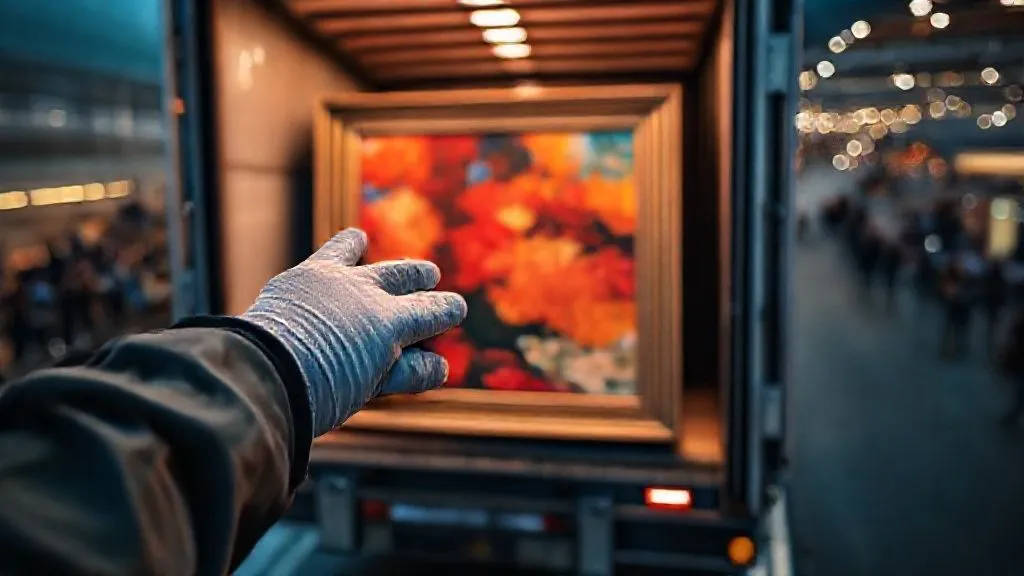
How to Safely Transport High-Value Art to Global Festivals: An Expert's Guide
For over two decades in the vibrant world of festival travel, I've witnessed the exhilarating triumph of art unveiled on a global stage, and, regrettably, the heartbreaking despair when a masterpiece arrives damaged. The journey from studio to international exhibition is fraught with peril, a complex ballet of logistics where a single misstep can jeopardize years of artistic endeavor and significant financial investment. I recall one instance at Art Basel where a seemingly robust crate, packed by an inexperienced team, succumbed to humidity fluctuations during transit, causing irreversible warping to a large-scale wooden sculpture. It was a stark reminder that passion alone isn't enough; precision, foresight, and specialized expertise are paramount.
Artists, galleries, and collectors face immense pressure. The stakes are incredibly high when you're entrusted with a piece valued in the tens of thousands, hundreds of thousands, or even millions. The sheer complexity of international shipping—navigating diverse climates, stringent customs regulations, myriad security threats, and the delicate nature of the artwork itself—can be overwhelming. The fear of damage, loss, or legal entanglements often deters creators from showcasing their work globally, limiting their reach and potential.
But it doesn't have to be a gamble. In this definitive guide, drawn from my extensive experience in festival logistics and fine art handling, I will walk you through the critical steps on how to safely transport high-value art to global festivals. We'll explore actionable frameworks, dissect real-world challenges, and provide expert insights to ensure your masterpieces not only arrive intact but also enhance your global presence with confidence and peace of mind. Consider this your roadmap to mastering the intricate art of international art logistics.
Understanding the Unique Risks of International Art Transport
Before we delve into solutions, it's crucial to fully grasp the spectrum of risks involved. International art transport isn't just about moving a box; it's about safeguarding cultural heritage, financial assets, and creative spirit against a myriad of threats that are often amplified across borders when considering how to safely transport high-value art to global festivals.
Environmental Factors
One of the most insidious threats is the environment. Imagine a delicate oil painting traveling from a dry desert climate to a humid coastal city, or a temperature-sensitive sculpture crossing continents through varying seasons. Fluctuations in temperature and humidity can cause materials to expand, contract, warp, crack, or even foster mold growth. Beyond climate, the constant jostling, vibrations, and sudden impacts inherent in any long-haul journey—be it by air, sea, or road—can lead to structural damage, surface abrasions, or detachment of components. These unseen forces are often the culprits behind seemingly inexplicable damage.
Security Threats
The value of art makes it a prime target. Theft, unfortunately, is a persistent concern, ranging from opportunistic grab-and-run incidents to sophisticated organized crime. Beyond outright theft, mishandling by untrained personnel is a significant risk. I've seen artworks dropped, stacked incorrectly, or exposed to inappropriate conditions simply due to a lack of awareness or proper training among general cargo handlers. It's a stark reminder that not all logistics providers are equipped for the unique demands of fine art.
Regulatory Hurdles
Each country has its own labyrinth of regulations concerning the import and export of goods, and art is often subject to additional scrutiny. This includes varying customs duties, value-added taxes (VAT), and specific permits for cultural heritage items or materials derived from protected species (like ivory or certain woods). Failure to comply can result in significant delays, hefty fines, or even confiscation. Navigating these complexities requires meticulous documentation and an understanding of international trade laws, which can differ dramatically from one festival location to another. Resources like the International Council of Museums (ICOM) offer valuable insights into ethical and legal considerations for cultural objects.
Step 1: Meticulous Planning and Documentation
The foundation of safe art transport is impeccable planning. You wouldn't embark on a complex journey without a map, and international art shipping is no different. This phase is where you front-load the effort to mitigate future risks.
Pre-Shipment Condition Reports
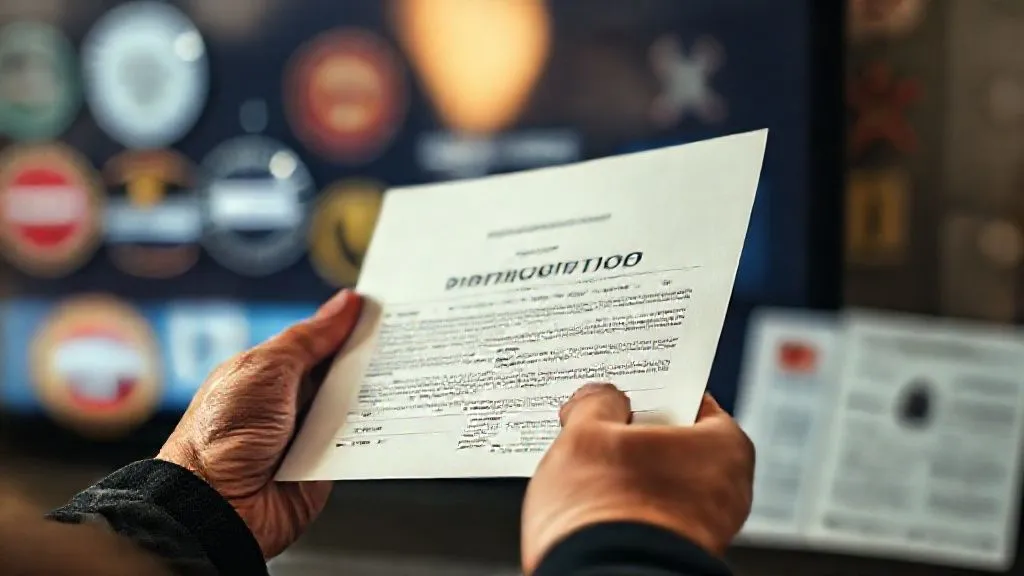
Every high-value artwork must have a detailed condition report before it leaves its current location. This isn't just a formality; it's your primary defense against disputes. A comprehensive report includes high-resolution photographs from multiple angles, written descriptions of any existing damage (scratches, chips, fading), and often a diagram marking these imperfections. It should be signed by both the owner/artist and the logistics handler upon pickup. This document serves as irrefutable proof of the artwork's state prior to transit.
Comprehensive Inventory and Valuation
Maintain an exhaustive inventory of all artworks being shipped, including their unique identifiers, dimensions, weight, materials, and most importantly, their current market valuation. This valuation is critical for insurance purposes and customs declarations. Ensure that the valuation is agreed upon by all parties involved and is supported by professional appraisals, especially for high-value pieces. Under-declaring value to save on insurance or taxes can have catastrophic consequences if damage or loss occurs.
Customs Documentation and Permits
This is where many shipments falter. Each country has specific requirements. You'll need commercial invoices, packing lists, certificates of origin, and potentially temporary import permits (TIBs). For art containing materials from endangered species (e.g., certain woods, ivory), a CITES permit is mandatory. Research the specific requirements for both the origin and destination countries well in advance. Consulting the World Customs Organization website or a specialized customs broker is an invaluable step to avoid costly delays and legal issues.
Step 2: Choosing the Right Art Logistics Partner
This decision is arguably the most critical. A general cargo shipper, while capable of moving goods, lacks the specialized knowledge, equipment, and handling protocols required for high-value art. You need a partner, not just a vendor.
Criteria for Selection
- Specialization: Do they exclusively handle fine art?
- Experience: How many years in international art logistics? Can they provide references from galleries or museums?
- Global Network: Do they have trusted agents or their own offices at both origin and destination?
- Climate Control: Do they offer climate-controlled vehicles, warehouses, and air freight options?
- Security Protocols: What are their security measures for storage, transit, and handling?
- Insurance: Are they fully insured, and can they assist with your artwork's specific insurance needs?
- Customs Expertise: Do they have in-house customs brokers or strong partnerships with art-specialized brokers?
Due Diligence and Vetting
Don't just take their word for it. Request detailed proposals, including a breakdown of services and costs. Speak to their references. Visit their facilities if possible to inspect their warehousing conditions and crating capabilities. Ask about their contingency plans for delays or unforeseen events. A truly professional art logistics partner will be transparent and proactive in addressing all your concerns.
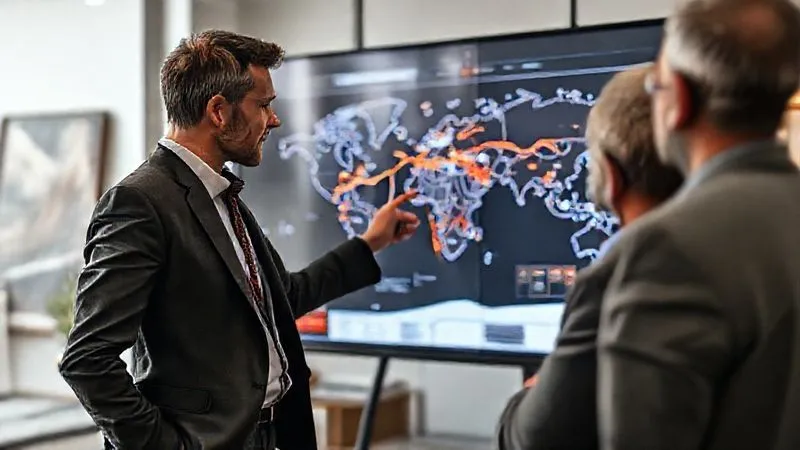
Step 3: The Art of Bespoke Crating and Packaging
The crate is your artwork's first and most vital line of defense. Standard shipping boxes are simply inadequate. High-value art demands custom-engineered protection.
Custom-Built, Climate-Controlled Crates
Each crate should be built to the exact specifications of the artwork, allowing for no unnecessary movement. Materials should be museum-grade, often using archival-quality plywood or specialized plastics that are inert and won't off-gas harmful chemicals. For sensitive pieces, a climate-controlled crate is essential. These crates feature insulated walls, vapor barriers, and often internal monitoring systems to maintain a stable temperature and humidity micro-environment, shielding the artwork from external fluctuations.
Internal Securing and Cushioning Techniques
Inside the crate, the artwork must be impeccably secured. This involves a multi-layered approach: acid-free archival wrapping materials, custom-cut foam inserts, and internal bracing systems that hold the artwork firmly in place without applying undue pressure. For framed works, the glass should be taped to prevent shattering and custom cleats or blocks used to secure the frame. For sculptures, internal armatures or support structures might be necessary to bear the weight and prevent stress points during transit.
RFID and GPS Tracking Integration
Modern art logistics often incorporates technology for enhanced security and monitoring. RFID tags can provide detailed information about the crate's contents without opening it, aiding in inventory management and customs checks. For high-value shipments, integrated GPS trackers offer real-time location data, allowing you to monitor your artwork's journey every step of the way. Some advanced systems also include shock and tilt sensors, alerting handlers to potential mishandling events.
To illustrate the varying levels of protection, consider this comparison:
| Crate Type | Materials | Protection Level | Climate Control | Cost |
|---|---|---|---|---|
| Standard Commercial | Basic plywood, cardboard | Low (general goods) | None | Low |
| Museum-Grade Transit | Archival plywood, inert foam | Medium (fragile items) | Passive insulation | Medium |
| Bespoke Climate-Controlled | Museum-grade plywood, vapor barrier, active insulation | High (high-value art) | Active (sensors, internal regulation) | High |
Step 4: Navigating Insurance for High-Value Art
Insurance isn't an option; it's a non-negotiable necessity. No matter how meticulous your planning, unforeseen circumstances can occur. The right insurance policy provides a financial safety net.
All-Risk vs. Named Perils Policies
For high-value art, you absolutely need an 'All-Risk' policy. This covers damage or loss from virtually any cause, with a few specific exclusions (e.g., nuclear war, inherent vice of the artwork). A 'Named Perils' policy, by contrast, only covers risks explicitly listed in the policy (e.g., fire, flood, collision), leaving you vulnerable to many common transit issues. Always read the fine print carefully.
Valuation and Underwriting Considerations
Ensure your policy covers the full agreed-upon market value of the artwork. This might be the purchase price, a recent appraisal, or a gallery's sale price. Underwriters will assess various factors, including the artwork's value, fragility, the transit route, and the security measures taken. Be transparent with your insurer about all aspects of the shipment. It's often advisable to use a specialized art insurance broker who understands the nuances of fine art valuation and transit risks. The Art Loss Register is a valuable resource for understanding the market and preventing issues with stolen art, which can impact insurance claims.
Understanding Deductibles and Exclusions
Familiarize yourself with your policy's deductible (the amount you pay before insurance kicks in) and any specific exclusions. Common exclusions might include damage due to war, terrorism, mold (if not adequately mitigated), or inherent vice (a flaw within the artwork itself that causes it to deteriorate). Clarify these points with your broker to avoid surprises should a claim arise. Always ensure your policy covers the entire journey, from the moment the art leaves its origin until it's safely installed at the festival and returned.
Step 5: Masterminding Customs and Border Control
Customs can be the biggest bottleneck in international art transport. It requires precision, foresight, and often, specialized assistance.
Temporary Importation Bonds (TIBs)
For artworks displayed at festivals and then returned to their origin, a Temporary Importation Bond (TIB) is often the most efficient route. This allows the artwork to enter a country duty-free, provided it's re-exported within a specified timeframe (typically one year). A TIB requires a financial guarantee (the bond) to ensure compliance. Failure to re-export can result in forfeiture of the bond and payment of full duties and taxes. Your art logistics partner or a customs broker can arrange this.
CITES and Cultural Heritage Regulations
As mentioned, artworks containing materials from endangered species (e.g., certain tropical hardwoods, ivory, tortoise shell) require a CITES (Convention on International Trade in Endangered Species of Wild Fauna and Flora) permit. This is a strict international treaty, and violations carry severe penalties. Similarly, many countries have strict cultural heritage laws preventing the export of certain historical or significant artworks. Always verify if your artwork falls under such regulations in both the origin and destination countries. Ignorance is not an excuse.
Engaging a Customs Broker specializing in Art
Unless you have in-depth knowledge of international trade law and specific art regulations, engaging a customs broker specializing in fine art is highly recommended. They understand the nuances of art classification, valuation, and permit requirements, and can navigate the complexities on your behalf, minimizing delays and ensuring compliance. Their expertise can save you significant time, money, and stress.
Expert Insight: "The customs declaration is not merely a form; it's a legal document that dictates the fate of your artwork. Any discrepancy, however minor, can lead to prolonged detention, costly inspections, and even seizure. Precision here is non-negotiable for high-value art."
Step 6: Real-Time Monitoring and Contingency Planning
Even with the best planning, things can go awry. Being prepared for the unexpected is a hallmark of expert-level logistics.
Environmental Data Loggers
Beyond climate-controlled crates, embedding environmental data loggers within the packaging provides continuous monitoring of temperature and humidity throughout the journey. These devices record data points, which can be downloaded upon arrival. If damage occurs, this data is invaluable for identifying potential causes and supporting insurance claims. It also holds your logistics partner accountable for maintaining specified conditions.
Emergency Protocols and Response Teams
Before shipment, discuss contingency plans with your logistics partner. What happens if there's a flight delay, a vehicle breakdown, or a customs hold-up? A reputable partner will have clear emergency protocols, including access to secure, climate-controlled storage facilities along common routes and a rapid response team to address issues promptly. Knowing these plans are in place provides immense peace of mind.
Case Study: The "Lost" Sculpture of Art Basel
In 2018, a renowned sculptor was exhibiting a large, fragile glass installation at Art Basel Miami. During transit from Europe, due to an unexpected cargo rerouting, the container carrying the sculpture was delayed by two days in a non-climate-controlled warehouse in a hot, humid region. Fortunately, the artist's logistics partner had installed real-time environmental data loggers and GPS tracking. When the temperature inside the crate spiked above the acceptable threshold, an alert was immediately sent. The logistics company quickly diverted the container to a nearby climate-controlled facility and arranged for priority air freight on the next available specialized cargo plane. This proactive monitoring and rapid response, based on pre-established protocols, prevented what could have been catastrophic thermal shock and saved the multi-million dollar artwork from certain damage. This resulted in the artwork arriving only a day late, completely intact, and the artist's reputation preserved.
Step 7: On-Site Handling and Installation at the Festival
The journey isn't over until the art is safely displayed. The final mile, or indeed the final few feet, can be just as critical as the transatlantic journey.
Supervised Uncrating and Condition Check
Upon arrival at the festival venue, ensure that the uncrating process is supervised by either yourself, your representative, or the specialized art handlers. Immediately conduct a thorough post-transit condition check, comparing it against your pre-shipment report. Document any new damage with photographs and notes, and notify your insurance provider and logistics partner immediately. This is the crucial moment for identifying any transit-related issues.
Professional Installation Teams
Many high-value artworks, especially large or complex installations, require specialized tools and trained personnel for safe installation. Work with the festival organizers or your logistics partner to ensure that experienced art handlers are available for this stage. They understand the nuances of handling delicate materials, proper hanging techniques, and securing artworks in public spaces to prevent accidental damage or theft.
Post-Festival Repacking and Return Logistics
Don't overlook the return journey. The same meticulous care and planning applied to the outbound shipment must be replicated for the return. Ensure the original custom crates are reused, and the repacking process follows the exact same protocols. All documentation for re-export (if applicable, especially for TIBs) must be in order. A common mistake is to relax vigilance after the festival, but the risk of damage or loss remains until the artwork is safely back in its permanent home.
The Future of Art Transport: Technology and Sustainability
The art logistics industry is continuously evolving, driven by technological advancements and a growing emphasis on sustainability. I've seen incredible shifts in my career, and the future promises even more innovative solutions to how to safely transport high-value art to global festivals.
Blockchain for Provenance
Imagine a digital ledger that immutably records every detail of an artwork's history, from creation to ownership changes, exhibition history, and even transit logs. Blockchain technology is emerging as a powerful tool for enhancing transparency and security in art provenance. This can simplify customs, reduce fraud, and provide an unparalleled level of trust for collectors and insurers.
Eco-Friendly Packaging Innovations
As environmental concerns grow, the industry is seeking sustainable alternatives to traditional crating materials. Research is underway into biodegradable foams, reusable modular crates, and innovative materials with lower carbon footprints, without compromising on protection. The goal is to minimize waste and environmental impact while maintaining the highest standards of safety for precious cargo.
Frequently Asked Questions (FAQ)
Q: How much does it cost to ship a high-value artwork internationally? A: The cost varies significantly based on several factors: the artwork's size, weight, value, fragility, the distance of travel, chosen mode of transport (air, sea, road), the level of crating required (standard vs. climate-controlled bespoke), insurance premiums, and customs duties/fees. For a large, high-value piece requiring bespoke crating, climate control, and dedicated air freight, costs can range from a few thousand dollars to tens of thousands. It's crucial to get detailed, itemized quotes from several specialized art logistics providers. Never compromise on safety to save a small percentage on shipping; the potential cost of damage far outweighs the savings.
Q: What's the difference between a fine art shipper and a regular logistics company? A: The core difference lies in specialization, training, and infrastructure. A regular logistics company is optimized for general cargo, focusing on volume and speed. A fine art shipper, by contrast, employs highly trained art handlers who understand the unique sensitivities of different art forms. They utilize specialized equipment (e.g., climate-controlled vehicles, air-ride suspension trucks, museum-grade crating facilities), possess expertise in art insurance and international customs for art, and adhere to stringent security protocols tailored for high-value items. They offer a white-glove service, providing peace of mind that general freight companies cannot.
Q: How long does international art shipping typically take? A: This depends heavily on the mode of transport and the destination. Air freight is the fastest, typically taking 3-7 days door-to-door, including customs clearance, though express services can be quicker. Sea freight is much slower, ranging from 2-6 weeks, but is more cost-effective for very large, less time-sensitive shipments. Road transport within continents can vary from a few days to a couple of weeks. Always factor in potential customs delays, which can add anywhere from a few days to over a week, especially during peak seasons or with complex documentation. Plan well in advance of your festival deadlines.
Q: Can I transport my own high-value art? A: While technically possible for smaller, less valuable pieces within your home country, I strongly advise against transporting high-value art internationally yourself. The risks are immense. Without specialized knowledge of crating, customs, international regulations, and adequate insurance, you expose your artwork to significant danger of damage, loss, or legal complications. Most high-value art insurance policies require professional handling and transport. The expertise of a specialized art logistics company is an investment in your artwork's safety and your peace of mind.
Q: What's CITES and how does it affect art transport? A: CITES (the Convention on International Trade in Endangered Species of Wild Fauna and Flora) is an international agreement to regulate the trade of endangered plants and animals. It affects art transport if your artwork contains materials derived from protected species, such as ivory, certain hardwoods (e.g., Brazilian rosewood), tortoise shell, or some animal skins. Even if the material is antique, CITES permits are often required for international movement. Failure to have the correct CITES import and export permits can lead to seizure of the artwork, significant fines, and legal action. Always declare such materials and consult with a CITES expert or your art logistics partner well in advance.
Key Takeaways and Final Thoughts
- Plan Meticulously: Start early with condition reports, comprehensive inventories, and all necessary documentation.
- Choose Specialists: Select a fine art logistics partner with proven expertise, not just a general shipper.
- Invest in Protection: Demand bespoke, climate-controlled crating and advanced security features like GPS tracking.
- Insure Adequately: Secure an 'All-Risk' policy that covers the full market value of your artwork.
- Navigate Customs Proactively: Utilize TIBs and consider a specialized customs broker to avoid delays.
- Monitor & Respond: Employ environmental loggers and ensure contingency plans are in place.
- Supervise On-Site: Oversee uncrating and installation, and maintain vigilance for the return journey.
Transporting high-value art to global festivals is undoubtedly a complex undertaking, but it is far from an insurmountable challenge. By embracing a proactive, expert-driven approach and partnering with the right professionals, you transform a potential minefield into a well-orchestrated journey. Mastering how to safely transport high-value art to global festivals is an art in itself, one that ensures your creative vision reaches its global audience without compromise. Your art deserves to be seen, celebrated, and preserved, and with these critical steps, you are now equipped to ensure its safe passage across any border, allowing its brilliance to shine on the world stage. May your masterpieces travel securely and inspire countless audiences.
Recommended Reading
- Cruise Safely: 7 Ways to Mitigate Non-Cruise Line Excursion Risks
- Unlock Your Wanderlust: How to Overcome Fear of Solo Exploration Abroad
- Unlock the Secrets: How to Choose the Best Scenic Glamping Experience
- Unlocking Serenity: Is a Solo Spa Retreat Beneficial for Burnout Recovery?
- Streamlining Spaceports: 7 Strategies for Cost-Effective Tourist Flights


Your email address will not be published. Required fields are marked *