


How to Slash Public Transport Expenses for Remote Work Travel?
For over two decades in the budget travel niche, I've witnessed countless remote workers and digital nomads inadvertently hemorrhaging money on public transport. It's a subtle drain, often overlooked in the grand scheme of travel costs, yet it accumulates significantly over time. Many adopt a 'pay-as-you-go' mentality, missing out on systemic savings that can literally put hundreds back into their pockets each year.
The problem isn't just the individual ticket price; it's the lack of strategic planning around travel patterns, understanding fare structures, and leveraging available technologies. Remote work often implies flexibility, but without a conscious effort to align that flexibility with cost-saving transport strategies, you're leaving money on the table. This pain point is exacerbated when you're frequently moving between locations or have variable daily travel needs.
This article isn't just another list of tips; it's a deep dive into actionable frameworks, expert insights, and real-world strategies I've personally applied and seen succeed. You'll learn how to master local transport systems, leverage technology, and even influence your employer to significantly slash public transport expenses for remote work travel, transforming your travel budget into a powerful asset.
1. Master Your Local Fare System: Beyond the Single Ticket
The first, and arguably most crucial, step to slashing public transport expenses for remote work travel is to become an expert in the local fare system. This goes far beyond simply buying a single ticket for each journey. Many cities offer a bewildering array of options – daily, weekly, monthly, annual passes, zonal fares, off-peak discounts, and various concessionary rates. Failing to understand these can lead to significant overspending.
In my experience, remote workers often underestimate the value of a comprehensive fare analysis. Your travel patterns might be less predictable than a traditional commuter, but they are rarely entirely random. Are you visiting co-working spaces three times a week? Do you have regular client meetings across town? Even a few recurring trips can justify a different pass.
"Ignorance of local fare structures is the single biggest leak in a remote worker's public transport budget."
Start by identifying the main public transport operators in your area (bus, train, metro, tram). Visit their official websites. Look for a 'Fares' or 'Tickets' section. Pay close attention to:
- Period Passes: Weekly, monthly, or even annual passes often offer substantial savings if you travel frequently, even if it's not every single day. Calculate your average weekly/monthly trips and compare the cost of individual tickets versus a pass.
- Zonal Fares: Many large cities divide their transport network into zones. Traveling across zones typically costs more. Can you plan your remote work activities to minimize cross-zonal travel? Understanding which zone you reside and primarily work in is key.
- Off-Peak Discounts: Public transport demand often peaks during morning and evening rush hours. Operators frequently offer cheaper fares during off-peak times (e.g., mid-day, weekends). More on this in a later section, but it's a fare system component.
- Concessionary Rates: Are you eligible for any discounts? This could include student rates (even for online courses), senior discounts, or specific discounts for low-income individuals. Always check the criteria.
Don't be afraid to ask locals or customer service representatives for advice. They often know the hidden gems of the fare system. For instance, in London, I once discovered a specific 'travelcard' that included a river bus service, which was perfect for my occasional scenic commute, for barely more than a standard bus pass. This kind of local knowledge is invaluable.
Here’s an actionable framework for evaluating your options:
- Track Your Travel: For one to two weeks, meticulously record every public transport journey: origin, destination, time, and actual cost.
- Analyze Patterns: Identify recurring routes, peak/off-peak usage, and total weekly/monthly spend.
- Research All Fare Options: Use the data from step 2 to explore period passes, zonal tickets, and discount cards offered by transport providers.
- Calculate Potential Savings: Compare your current spending with the cost of various passes or alternative ticketing methods.
- Make the Switch: Implement the most cost-effective solution.
According to a study by the American Public Transportation Association (APTA), households can save over $10,000 annually by choosing public transit over driving. While remote workers might not eliminate driving entirely, optimizing public transport usage contributes significantly to these savings.
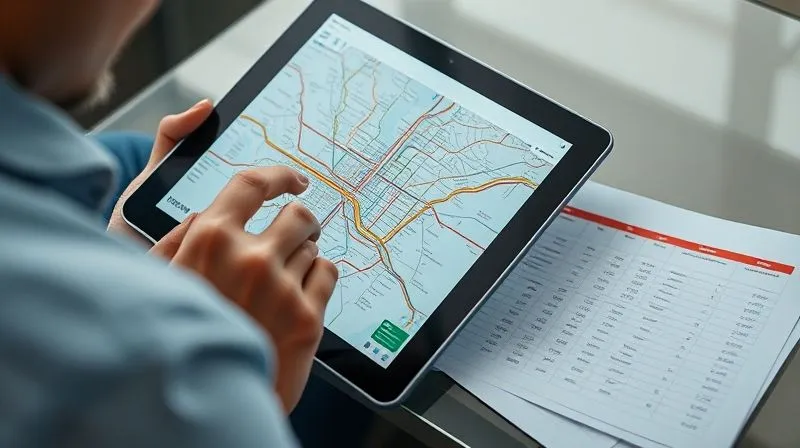
2. Embrace Smart Ticketing and Digital Payment Solutions
The days of fumbling for exact change are largely behind us, and for good reason. Smart ticketing and digital payment solutions are not just about convenience; they are powerful tools for how to slash public transport expenses for remote work travel. These systems often come with built-in caps, loyalty programs, and easier access to real-time fare information.
Many cities now utilize tap-and-go systems with credit/debit cards or mobile payment apps. These systems frequently offer 'fare capping,' meaning you'll never pay more than the equivalent daily or weekly pass, regardless of how many individual journeys you make. This is a game-changer for remote workers whose travel needs might fluctuate from day to day.
"Digital payment methods aren't just modern; they're often engineered to save you money through automatic fare capping and integrated discounts."
Consider the benefits:
- Automatic Best Price: With fare capping, the system automatically calculates the cheapest fare for your travel over a given period (e.g., a day or a week). You don't need to predict your travel; the system does the work.
- Reduced Friction: No need to buy tickets, reducing queues and the chance of purchasing the wrong fare.
- Integration with Apps: Many official transport apps allow you to load funds, buy specific tickets, and track your spending, giving you greater control and visibility.
- Loyalty Programs/Rewards: Some systems offer points or discounts for regular users, which can add up over time.
For example, cities like London (with its Oyster Card and contactless payment), Sydney (Opal Card), and New York (OMNY) have highly sophisticated systems. Always check if your credit or debit card supports direct tap-to-pay on public transport, as this is often the simplest way to benefit from fare capping.
Here’s a comparison of common payment methods and their potential benefits:
| Payment Method | Pros | Cons | Ideal For |
|---|---|---|---|
| Single Paper Ticket | No commitment | Most expensive per trip, no capping, environmental impact | Very infrequent, one-off journeys |
| Rechargeable Smart Card (e.g., Oyster, Opal) | Fare capping, convenience, often discounted fares | Initial card purchase fee, requires top-up | Regular, but variable travel |
| Contactless Credit/Debit Card/Mobile Pay | Ultimate convenience, automatic fare capping, no card fee | Requires compatible bank card/device | Frequent, variable travel, tourists |
| Period Pass (Daily/Weekly/Monthly) | Fixed cost, unlimited travel within period/zones | Only cost-effective if used heavily | Consistent, high-frequency travel |
I once advised a remote consultant in Paris who was meticulously buying carnets (10-packs of tickets) but still overspending. By switching to a Navigo Découverte pass and loading a weekly fare, her expenses dropped by 25%, simply because her travel frequency hit the threshold for the weekly pass to be cheaper than multiple carnets.
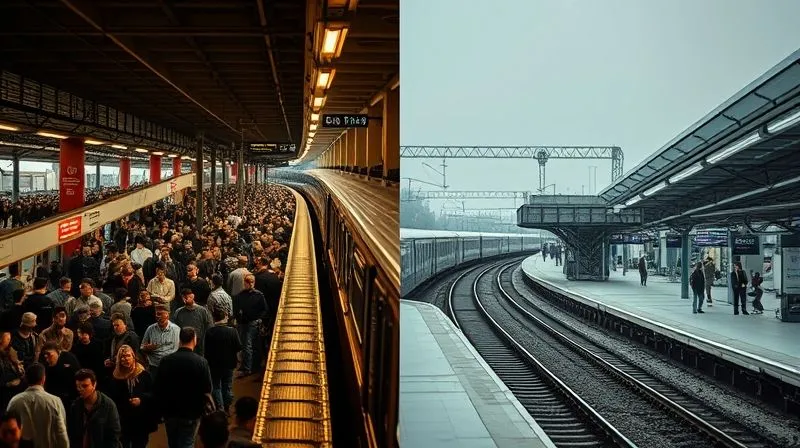
3. Optimize Your Schedule for Off-Peak Savings
One of the most powerful, yet often underutilized, advantages remote workers have is flexibility. Unlike traditional commuters tied to strict 9-to-5 schedules, you can often choose *when* you travel. This flexibility is a golden ticket for how to slash public transport expenses for remote work travel, as off-peak fares are significantly cheaper in many systems.
Peak hours, typically 6-9 AM and 4-7 PM on weekdays, are when public transport systems are most crowded and, consequently, most expensive. Traveling outside these windows can lead to substantial savings. This strategy requires a conscious effort to plan your errands, co-working visits, or client meetings around these times.
"Your flexible remote work schedule isn't just a lifestyle perk; it's a strategic financial tool for smarter, cheaper travel."
Consider the ripple effect of this strategy:
- Lower Fares: Direct savings on individual tickets or daily caps.
- Less Crowding: A more comfortable and less stressful travel experience.
- Increased Productivity: Quieter journeys can sometimes allow for light work or reading.
- Avoiding Congestion: If you combine public transport with walking or cycling, off-peak means less road traffic too.
How can you implement this?
- Audit Your Commitments: List all your fixed weekly appointments that require travel. Can any be shifted to off-peak?
- Batch Errands: Instead of several small trips, consolidate your errands into one longer trip during off-peak hours.
- Flexible Co-working: If you use co-working spaces, inquire about off-peak access or plan your days to arrive after the morning rush and leave before the evening rush.
- Client Meeting Strategy: When scheduling client meetings, suggest times mid-morning (10-11 AM) or early afternoon (2-3 PM) to avoid peak travel for both yourself and potentially your client.
This strategy isn't always feasible for every trip, but even a partial shift can make a difference. For instance, a remote developer I know in Toronto saved about $50 a month by simply shifting his gym visits and grocery shopping to mid-day instead of after work, leveraging cheaper off-peak TTC fares. These small adjustments compound over time.
The economic logic is simple: transport providers want to incentivize spreading demand throughout the day to reduce strain on their infrastructure. As a flexible remote worker, you can directly benefit from this incentive.
4. Leverage Technology: Apps, Journey Planners, and Price Trackers
In the digital age, your smartphone is your most potent weapon for how to slash public transport expenses for remote work travel. There's an ecosystem of apps and digital tools designed to provide real-time information, optimize routes, and even help you find the cheapest fares. Ignoring these tools is akin to navigating without a map.
Beyond the official transport apps of a city, consider third-party aggregators and journey planners. These often provide a more holistic view of your options, integrating different modes of transport and highlighting cost-effective routes.
"Your smartphone is a powerful travel agent and budget analyst, capable of uncovering hidden savings in public transport."
Key technologies to integrate into your remote work travel toolkit:
- Official Transport Apps: Most major cities have apps that provide real-time schedules, service alerts, and often allow mobile ticketing or top-ups for smart cards. Examples: Citymapper, Transit, Google Maps (with public transport layer).
- Journey Planners: These apps don't just show you the fastest route; many can also estimate costs for different options. They can help you compare a direct bus versus a combination of metro and walk, showing which is cheaper.
- Ride-Sharing/Micro-Mobility Apps: While not strictly public transport, apps for bike-sharing (e.g., Lime, Voi) or e-scooters can be excellent for 'last-mile' solutions or shorter trips, potentially saving you a bus fare.
- Price Trackers/Alerts: Some apps or websites (especially for inter-city travel) allow you to set alerts for fare drops, although this is less common for daily urban public transport.
- Expense Trackers: General budgeting apps (e.g., Mint, YNAB) can help you categorize and monitor your public transport spending, making it easier to identify areas for improvement.
When I was researching transport options in Tokyo, a complex network, I relied heavily on apps like Japan Transit Planner (Jorudan) and Google Maps. They not only provided exact train times and platforms but also estimated costs for various routes, helping me choose the most economical path, sometimes saving Yen by opting for a slightly longer but cheaper line.
Always ensure you have reliable internet access or downloaded maps for seamless navigation, especially when arriving in a new city. A dead phone battery can lead to costly mistakes or delays.
5. The Power of Active Transport: Walking, Cycling, and Micro-Mobility
Sometimes, the cheapest form of public transport is no transport at all. For shorter distances, embracing active transport like walking or cycling can dramatically how to slash public transport expenses for remote work travel. This isn't just about saving money; it's also about health, well-being, and reducing your environmental footprint.
Many remote work destinations are walkable or cycle-friendly, especially in city centers or areas with good infrastructure. Before hopping on a bus for a 15-minute ride, check if it's a pleasant 20-minute walk or a quick 10-minute cycle. The savings, both monetary and health-wise, can be significant.
"The most cost-effective commute is often powered by your own two feet or two wheels. It's a triple win: health, wealth, and environment."
Benefits of active transport:
- Zero Fare: The most obvious benefit – no ticket cost.
- Health & Fitness: Incorporates exercise into your daily routine, improving physical and mental health.
- Environmental Impact: Reduces carbon emissions, contributing to sustainable living.
- Exploration: Discover hidden gems of a city you'd miss from a train window.
- Flexibility: No waiting for schedules, go when you want.
For distances slightly too long to walk comfortably, consider micro-mobility options:
- Bike-Sharing Programs: Many cities have public bike-sharing schemes (e.g., Citi Bike in NYC, Vélib' in Paris). These are often very affordable for short rides.
- E-Scooters: Electric scooter rentals have proliferated in urban areas, offering a quick and fun way to cover moderate distances. Be mindful of local regulations and safety.
- Your Own Bike: If you're staying in a location for an extended period, investing in a cheap second-hand bike can pay for itself quickly.
A personal anecdote: During a remote work stint in Copenhagen, I exclusively used a rented bicycle for all my intra-city travel. Not only did I save a considerable amount on public transport, but I also discovered charming cafes and parks I would have never seen otherwise, and I felt incredibly energized. This approach aligns perfectly with the digital nomad lifestyle.
As highlighted by the World Health Organization (WHO), regular physical activity, such as walking and cycling, has significant health benefits, further enhancing the value of this cost-saving strategy.

6. Negotiating Travel Allowances with Your Employer
Even as a remote worker, you might occasionally need to travel for company-related purposes – team meetups, client visits, conferences, or training. In these scenarios, the responsibility for public transport expenses shouldn't always fall solely on you. Learning how to effectively negotiate travel allowances or reimbursements with your employer is a crucial skill for how to slash public transport expenses for remote work travel.
Many companies have policies for business travel, even for remote employees. The key is to understand these policies and, if necessary, advocate for your specific needs. Don't assume that because you're remote, all travel is personal.
"Don't shy away from discussing travel expenses with your employer. When travel serves the company, the company should contribute."
Here’s how to approach this:
- Review Company Policy: Start by thoroughly reading your employee handbook or asking HR about travel expense policies for remote workers. Look for terms like 'business travel,' 'reimbursement,' or 'allowances.'
- Document Your Travel Needs: Clearly articulate why certain public transport travel is necessary for your role (e.g., 'to attend the quarterly team sprint in NYC,' 'to meet with our key client in San Francisco').
- Propose a Solution: Instead of just asking for money, propose a structured solution. This could be a reimbursement for specific trips, a monthly transport allowance for essential local travel, or even a pre-paid transport card.
- Quantify the Benefit to the Company: Explain how your presence (enabled by funded travel) benefits the company – improved collaboration, strengthened client relationships, direct contributions to projects.
- Be Reasonable and Transparent: Present actual costs, compare them to alternatives, and be open about your budget-conscious approach.
Case Study: The Nomad's Public Transport Triumph
Maria, a freelance graphic designer working remotely in Berlin, initially bought single tickets for every client meeting. Her monthly transport bill was soaring to €150-€200. After analyzing her travel patterns, she switched to a monthly pass tailored for her zone, and consciously scheduled meetings during off-peak hours to avoid premium fares. She also started using a bike for shorter distances. Within three months, her public transport expenses dropped by over 40%, freeing up significant budget for professional development courses. This small shift in strategy had a profound impact on her financial well-being.
Many companies are increasingly recognizing the value of remote work and are adapting their policies. A well-reasoned proposal, demonstrating your cost-consciousness, is more likely to be approved. For additional insights on remote work benefits, articles from sources like Harvard Business Review often discuss evolving HR policies.
7. Long-Term Planning: Location and Lifestyle Choices
For the truly strategic remote worker or digital nomad, how to slash public transport expenses for remote work travel can be influenced by much larger decisions: where you choose to live and how you structure your lifestyle. This isn't about short-term hacks but fundamental choices that embed savings into your daily existence.
The cost of public transport varies wildly between cities and countries. A monthly pass in Zurich might cost significantly more than in Lisbon. Factoring in transport costs when choosing your next remote work base can lead to massive long-term savings.
"Your choice of remote work location is perhaps the most powerful lever you have for controlling public transport costs."
Consider these factors when planning your next move:
- City Walkability/Bikeability: Research cities known for excellent pedestrian and cycling infrastructure. A city where you can walk or bike to most places significantly reduces your reliance on paid transport.
- Integrated Transport Systems: Some cities have highly integrated and efficient public transport systems with affordable flat rates or comprehensive passes. Others might have fragmented systems that are more expensive to navigate.
- Proximity to Amenities: When choosing accommodation, prioritize locations that are within walking or cycling distance of essential amenities (grocery stores, co-working spaces, gyms, parks).
- Cost of Living vs. Transport: A city with a slightly higher rent might have significantly cheaper transport, or vice versa. Always look at the total cost of living, including transport.
- Visa and Residency Considerations: Some long-term visas or residency programs might offer access to local discounts or passes not available to short-term tourists.
For example, if you're deciding between two European cities, comparing their monthly public transport pass costs (e.g., via Numbeo's Cost of Living Index) can be a revealing exercise. A city like Tallinn, Estonia, offers free public transport to registered residents, a massive incentive for long-term remote workers. Conversely, a city like London, while having an excellent system, can be notoriously expensive for daily travel if not managed wisely.
This long-term perspective shifts public transport from a recurring expense to a strategic element of your remote work lifestyle. By making informed choices about where you live, you can passively save money every single day, allowing you to allocate those funds to other areas of your life or investments.
Frequently Asked Questions (FAQ)
Question: I'm only in a city for a few days; is it still worth researching fare systems for such a short period? Absolutely. Even for short stays, understanding daily passes or multi-journey tickets can save you 20-50% compared to buying single tickets. Many cities offer 24-hour or 72-hour passes that quickly pay for themselves after just a few rides. A quick 10-minute online search can prevent significant overspending.
Question: What if my remote work travel needs are highly unpredictable? How can I still save? For unpredictable travel, focus on systems with 'fare capping' (as discussed in Section 2) where your contactless payment automatically ensures you don't pay more than the daily/weekly pass equivalent. Also, prioritize active transport for short, spontaneous trips. Keep a small emergency fund specifically for unexpected higher transport costs, but strive to minimize its use.
Question: Is it always cheaper to use public transport than ride-sharing services (like Uber/Lyft)? Not always, but usually. For solo travelers, public transport is almost always more cost-effective, especially during peak hours when ride-sharing surge pricing is active. However, for groups (3-4 people) or for very specific, direct routes where public transport requires multiple transfers or a long walk, ride-sharing might occasionally be competitive. Always compare in the moment using your apps.
Question: How can I convince my employer to cover public transport for remote work-related travel? The key is documentation and justification. Clearly outline the business purpose of the travel, provide estimated costs, and frame it as an investment in your productivity and contribution to the company. Highlight that these are not personal commutes but necessary travel for company goals. Referencing company policies for 'business expenses' can strengthen your case.
Question: Are there any universal public transport passes that work across multiple cities or countries? For daily urban public transport, no, there isn't a universal pass. Each city and country has its own system. However, for inter-city or inter-country rail travel, passes like the Eurail Pass (for Europe) or Japan Rail Pass (for Japan) can offer significant savings if you plan extensive travel within those regions. These are generally for longer-distance journeys, not daily city commutes.
Key Takeaways and Final Thoughts
- Master Local Fares: Deeply understand daily, weekly, and monthly passes, and zonal systems.
- Embrace Digital: Utilize smart cards and mobile payments for fare capping and convenience.
- Optimize Your Schedule: Leverage remote work flexibility to travel during cheaper off-peak hours.
- Harness Technology: Use apps for real-time data, journey planning, and cost comparison.
- Go Active: Walk or cycle for short distances; it's free, healthy, and eco-friendly.
- Negotiate with Employers: Seek reimbursement or allowances for work-related travel.
- Plan Long-Term: Choose remote work locations with affordable and efficient public transport.
Slashing public transport expenses for remote work travel isn't about deprivation; it's about smart, informed choices. By adopting these strategies, you're not just saving money; you're gaining control over a significant part of your budget, reducing stress, and often enhancing your overall travel experience. I've seen these methods transform financial outlooks for countless remote professionals. Start implementing them today, and watch your savings grow.
Recommended Reading
- Fixing Slow Sales: Luxury Shopping City Breaks - 7 Proven Strategies
- Unlocking Safe Routes: Your Ultimate Guide to Assessing Avalanche Terrain for Backcountry Skiing
- Sleep Soundly: How to Sleep on a Noisy Train for Business? (7 Tips)
- Unlocking Authentic Cultural Festival Volunteer Roles: Your Ultimate Guide
- 7 Proven Strategies to Deliver Authentic Cultural Depth at Historical Sites





Your email address will not be published. Required fields are marked *