

Mitigating Crowd Control Risks at Major Urban Street Festivals?
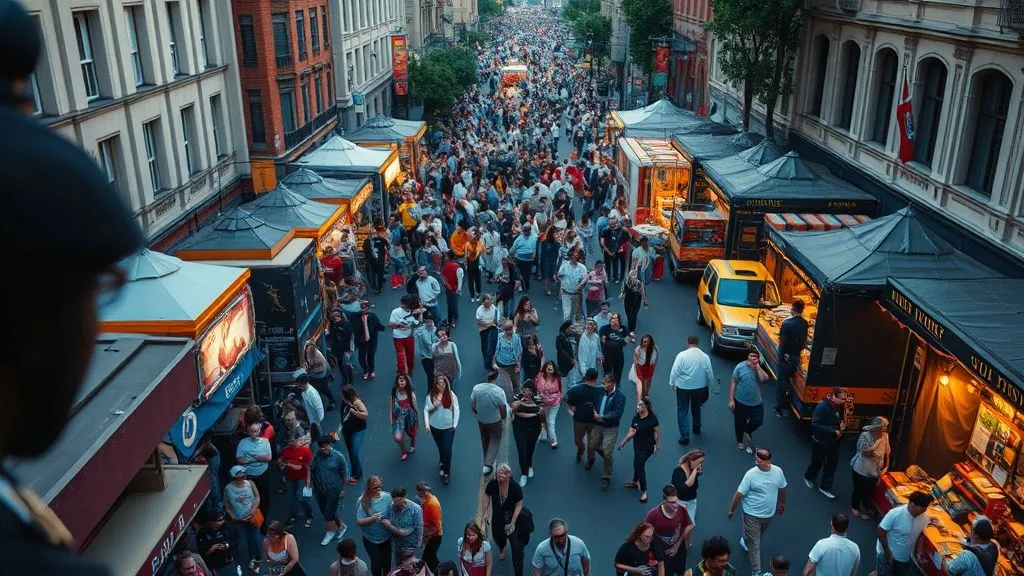
For over 15 years, I've had the privilege – and sometimes the challenge – of immersing myself in the vibrant world of festival travel, particularly the dynamic realm of urban street festivals. I've witnessed firsthand the exhilarating magic they create, transforming cityscapes into ephemeral stages of culture and community. But beneath that celebratory veneer lies a critical, often underestimated, beast: crowd control. It's a facet of event management that, if mismanaged, can turn joy into chaos, and celebration into catastrophe.
The sheer scale and spontaneity of urban festivals present unique pain points. Unlike ticketed, enclosed venues, street festivals are typically free, open-access, and deeply integrated into existing city infrastructure. This means unpredictable attendance, complex ingress/egress points, and the constant interplay with public transport, resident access, and emergency services. The challenge isn't just managing people; it's orchestrating a safe, enjoyable experience within a living, breathing urban ecosystem.
In this definitive guide, I'm going to pull back the curtain on the battle-tested strategies and expert insights I've gathered over my career for effectively mitigating crowd control risks at major urban street festivals. We'll delve into actionable frameworks, real-world case studies, and practical steps that will empower event organizers to transform potential hazards into seamless, secure, and unforgettable experiences. This isn't just about safety; it's about preserving the very essence of what makes these festivals so special.
Understanding the Unique Challenges of Urban Street Festivals
Before we dive into solutions, it's crucial to grasp the distinct complexities that set urban street festivals apart. I've often seen organizers apply strategies from concert venues or rural festivals, only to find them woefully inadequate in a bustling city environment. The urban fabric itself becomes both the canvas and the primary challenge.
Firstly, there's the issue of **unpredictable attendance**. Unlike events with pre-sold tickets, street festivals often have fluctuating crowd numbers based on weather, time of day, and even spontaneous word-of-mouth. This makes precise capacity planning a moving target. Secondly, the **integration with public infrastructure** means dealing with existing street furniture, subway entrances, bus stops, and building access points, all of which can become choke points or accidental barriers. Thirdly, the **diverse demographic** attending these festivals – from families with strollers to party-goers – requires a nuanced approach to communication and management. Finally, the **potential for external incidents**, such as protests or unrelated emergencies, necessitates a higher degree of situational awareness and adaptability. As the Event Safety Alliance frequently emphasizes, a comprehensive understanding of the specific environment is the bedrock of effective planning. Learn more about event safety standards here.
Expert Insight: "Treating an urban street festival like any other event is a recipe for disaster. Its unique open-access nature and integration into the urban grid demand a bespoke, hyper-local risk assessment and a flexible, multi-layered crowd management plan."
Phase 1: Proactive Planning and Site Design – The Foundation of Safety
The most effective crowd control isn't reactive; it's predictive and preventive. My experience has shown that 80% of crowd-related issues can be mitigated during the planning and design phase. This is where you lay the groundwork for a safe event, long before the first vendor sets up shop.
Strategic Layout and Pedestrian Flow
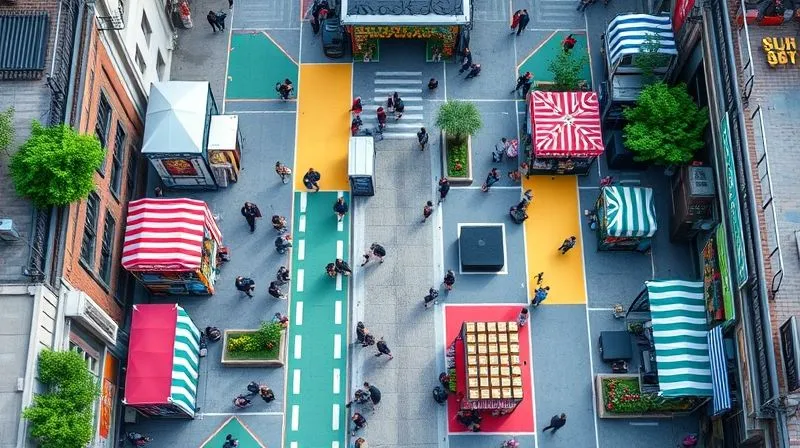
This is where art meets science. I always start with detailed mapping. Where are the main attractions? Food zones? Restrooms? Stages? The goal is to create intuitive pathways that guide attendees smoothly, preventing bottlenecks. Think of it like designing a river; you want a consistent, unobstructed flow. Utilizing temporary barriers and strategically placed vendor stalls can subtly direct foot traffic. For instance, placing popular food trucks along wider boulevards rather than narrow side streets can significantly reduce congestion.
Actionable Steps:
- Conduct a Pre-visualization Walkthrough: Physically walk the festival route at different times of day, imagining crowd movements. Note potential choke points, existing obstacles, and natural gathering areas.
- Utilize CAD Software: Employ tools like AutoCAD or event-specific design software to model pedestrian flow, simulating peak loads and identifying high-risk zones.
- Define Clear Zones: Establish clear zones for emergency vehicle access, medical tents, and security posts. These areas must remain free of crowds at all times.
Entry/Exit Point Optimization and Choke Point Management
Entrances and exits are critical pressure points. In an urban setting, these are often defined by existing street grids. The key is to maximize throughput while maintaining security. For open-access festivals, this might mean wider entrances, but with clear signage and perhaps soft barriers to funnel people gently. For areas requiring bag checks or security screening, sufficient lanes and pre-screening areas are paramount. I've learned that a single blocked exit can escalate quickly, so redundant exit strategies are non-negotiable.
Capacity Planning and Real-time Monitoring
Estimating capacity for an open street festival is challenging but vital. It's not just about the physical space; it's about the comfortable density that allows for movement and emergency response. I typically use a combination of historical data, permit requirements, and a density calculation (e.g., square meters per person). Real-time monitoring, as we'll discuss later, then becomes the feedback loop. According to a report by the UK's Health and Safety Executive (HSE) on crowd management, maintaining safe density levels is a primary factor in preventing major incidents. Review HSE guidelines on crowd management.
Phase 2: Advanced Technology and Communication for Real-time Control
Technology isn't a silver bullet, but it's an indispensable tool in the modern festival organizer's arsenal for mitigating crowd control risks at major urban street festivals. It provides the eyes and ears necessary for real-time decision-making, transforming reactive responses into proactive interventions.
Leveraging AI-Powered Crowd Analytics and Surveillance
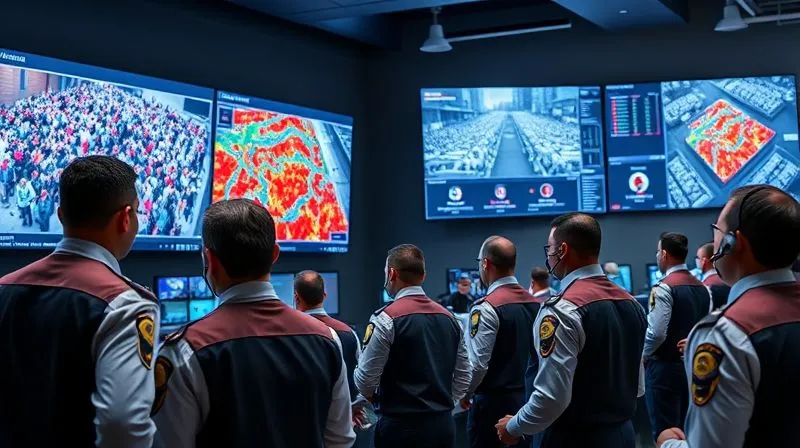
Gone are the days of purely manual headcounts. Modern festivals can deploy sophisticated CCTV networks integrated with AI-powered analytics. These systems can detect unusual crowd movements, identify rapidly forming clusters, and even estimate crowd density in specific zones. This data, displayed on a central command dashboard, provides invaluable insights for deploying resources. I've seen these systems flag potential surges minutes before they become critical, allowing security teams to reroute traffic or open new pathways before a problem escalates.
Integrated Communication Systems and Emergency Alerts
Effective communication is the nervous system of any large event. This means robust two-way radio systems for all staff, a dedicated emergency communication channel with local authorities, and a public address (PA) system that can reach all attendees. Furthermore, leveraging digital channels like festival apps, social media, and SMS alerts for public information (e.g., 'Area X is congested, please use Route Y') is crucial. The ability to disseminate clear, concise instructions rapidly can prevent panic and guide crowds safely during an emergency.
Case Study: The Harmony Festival's Tech Triumph
Harmony Fest, a fictional but realistic urban music festival in a bustling metropolis, faced persistent congestion issues around its main stage and food court in its inaugural year. A post-event analysis revealed that pedestrian bottlenecks were causing significant delays and minor safety concerns. For its second year, the organizers implemented a comprehensive tech upgrade. They installed a network of high-definition cameras with AI crowd analytics software, providing real-time density maps to their command center. They also launched a festival app that integrated GPS wayfinding and allowed for instant push notifications to attendees about crowd levels and alternative routes. By proactively monitoring density spikes and using the app to gently guide attendees away from congested areas, Harmony Fest reported a 40% reduction in reported congestion incidents and a significant improvement in overall attendee satisfaction. This resulted in a smoother, safer experience for everyone, demonstrating the power of data-driven crowd management.
Phase 3: Robust Staffing, Training, and Emergency Protocols
Even the most advanced technology is only as good as the people operating it. The human element in crowd control is irreplaceable. From the front-line security guards to the medical teams and event volunteers, their training, coordination, and empathy are paramount for mitigating crowd control risks at major urban street festivals.
The Human Element: Staffing Ratios and Specialized Training
Determining appropriate staffing levels isn't just about security guards. It includes medical personnel, volunteer guides, information booth staff, and traffic controllers. I always advocate for a tiered staffing approach, with different levels of training for different roles. Security personnel need specific training in de-escalation, conflict resolution, and emergency procedures. Volunteers, while not security, should be trained in basic first aid, communication protocols, and how to direct crowds effectively. A well-placed, approachable volunteer can often de-stress a situation before it requires security intervention.
Key Training Areas for All Staff:
- Situational Awareness: Recognizing early signs of distress or congestion.
- Communication Skills: Clear, calm, and assertive instruction.
- Emergency Protocols: Knowing their role in various emergency scenarios.
- Customer Service: A friendly face can diffuse tension and build trust.
Developing Comprehensive Emergency Response Plans (ERP)
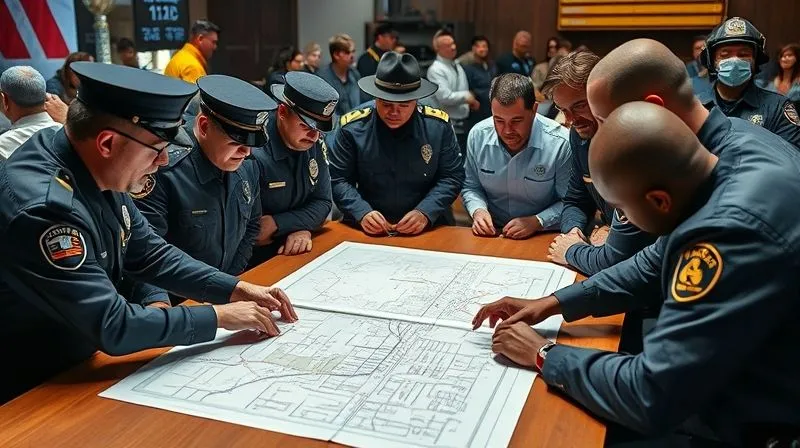
An ERP isn't just a document; it's a living, breathing guide to crisis management. It must cover a wide range of scenarios: medical emergencies, severe weather, lost children, security threats, and, critically, crowd surges or evacuation. Each scenario needs clear, step-by-step actions, designated roles, and communication flows. Regular drills and tabletop exercises with all stakeholders – including local police, fire, and medical services – are essential to ensure everyone knows their part. As a veteran, I've seen how a well-rehearsed ERP can save lives and prevent panic.
| Emergency Scenario | Initial Response | Communication Protocol | Key Personnel | ||
|---|---|---|---|---|---|
| Crowd Surge | Activate PA, deploy trained staff to high-density zones, open egress routes. | Notify command center, emergency services, public via app/PA. | Security Lead, Crowd Manager, Medical Team. | ||
| Medical Emergency | Isolate area, provide immediate first aid, call medical team. | Notify medical lead, command center. | First Responders, Medical Team. | ||
| Evacuation | Initiate phased evacuation, clear primary routes, direct public to muster points. | All-clear via PA, emergency services, command center. | Event Director, Security Lead, Emergency Services. | ||
| Severe Weather | Monitor forecasts, activate shelter-in-place or partial evacuation plan. | Public alerts, staff briefings. | Event Director, Weather Liaison. | Pre-identified safe zones or shelters. | Temporary shelters, blankets, water. |
Effective De-escalation and Public Engagement Strategies
Sometimes, the biggest risk isn't malicious intent, but frustration or confusion. Training staff in de-escalation techniques is crucial. This involves active listening, maintaining a calm demeanor, and offering solutions rather than confrontation. Public engagement also extends to clear, positive messaging. If an area is temporarily closed, explain why and offer alternatives. Transparency builds trust, and a trusting crowd is a safer crowd. I’ve learned that a polite, well-informed staff member can often turn a potentially tense situation into a positive interaction.
Phase 4: Public Information and Behavioral Psychology
A well-informed public is a safer public. Harnessing principles of behavioral psychology can subtly guide attendees towards desired behaviors, significantly reducing crowd control risks at major urban street festivals.
Clear Signage and Digital Wayfinding
This seems simple, but its impact is profound. Clear, prominent, and multilingual signage for entrances, exits, restrooms, first aid, and key attractions is non-negotiable. Beyond static signs, digital screens displaying real-time information – such as 'Main Stage is at capacity, try Stage B' or 'Shortest queue for food is at Zone C' – can dynamically manage flow. Interactive maps available via QR codes or festival apps further empower attendees to make informed choices about their movements, alleviating pressure points.
Pre-Event Communication and Behavioral Nudging
The education process begins long before the festival gates open. Utilize social media, the festival website, and partner communications to share essential information: festival map, peak times, recommended travel routes, and even tips for navigating crowds. Subtly 'nudge' desired behaviors, such as encouraging public transport, reminding people to stay hydrated, or suggesting alternative viewing spots for popular acts. This proactive communication primes attendees for a safe and enjoyable experience, making them partners in crowd management rather than passive subjects.
Expert Insight: "Empower your attendees with information. A well-informed crowd is a self-managing crowd. Provide clear directions, real-time updates, and subtle nudges, and you'll find they actively contribute to a safer environment."
Collaborative Partnerships and Regulatory Compliance
No festival exists in a vacuum. Successfully mitigating crowd control risks at major urban street festivals requires robust collaboration with city agencies and a meticulous understanding of regulatory frameworks. This is where your authority and trust in the community are built.
Engaging Local Authorities and Emergency Services
This is not optional; it's fundamental. From the earliest planning stages, establish strong working relationships with local police, fire departments, emergency medical services, and city planning offices. They are your critical partners. Share your plans, conduct joint risk assessments, and integrate their feedback. Their local knowledge, resources, and legal authority are indispensable. I always schedule regular liaison meetings, ensuring open lines of communication before, during, and after the event. A unified command structure, often led by emergency services, is typically activated for major events, ensuring seamless coordination in a crisis.
Navigating Permits, Licenses, and Legal Liabilities
Urban street festivals are subject to a myriad of permits and licenses – street closure permits, noise permits, vendor licenses, public assembly permits, and more. Each comes with specific conditions related to safety, capacity, and crowd management. Meticulously adhering to these is not just about legal compliance; it's about validating your event's safety protocols with the authorities. Furthermore, understanding your legal liabilities and ensuring adequate insurance coverage is crucial. A thorough legal review of your crowd management plan can identify potential weak points and ensure you're protected. Read more on risk management in event planning.
Post-Event Analysis and Continuous Improvement
The festival might be over, but the work of mitigating crowd control risks at major urban street festivals is not. The post-event phase is a goldmine of data and lessons learned, crucial for continuous improvement.
Debriefing and Data-Driven Insights
A comprehensive debriefing with all key stakeholders – internal staff, security teams, medical personnel, and external partners – is essential. What went well? What were the challenges? Where did congestion occur? Crucially, collect and analyze data: incident reports, crowd density heatmaps, social media sentiment, staff feedback, and even public surveys. This quantitative and qualitative data provides actionable insights. For example, if data shows consistent bottlenecks around a particular restroom area, future planning can involve additional facilities or better directional signage. Explore the power of data analytics in decision-making.
Implementing Feedback for Future Events
The insights gained from debriefing and data analysis must translate into concrete changes for future events. This could mean adjusting site layouts, refining communication strategies, modifying staffing levels, or investing in new technology. Continuous improvement isn't just a buzzword; it's a commitment to making each successive festival safer, smoother, and more enjoyable for everyone involved. It builds trust with the city, with your attendees, and with your team, solidifying your reputation as a responsible and expert event organizer. As Seth Godin often reminds us, consistent improvement is the path to remarkable experiences.
Frequently Asked Questions (FAQ)
What is the single most important factor in preventing crowd surges at an urban street festival? In my experience, the single most critical factor is proactive, intelligent site design combined with real-time crowd monitoring. This allows organizers to anticipate and mitigate potential bottlenecks or over-densities before they escalate into dangerous surges. It's about designing for flow and having the immediate data to adjust that flow dynamically.
How do you manage crowd control effectively when attendance is unpredictable, as is common with free street festivals? Unpredictable attendance requires a highly flexible and scalable crowd management plan. This involves establishing clear maximum safe capacities for different zones, utilizing technology like AI-powered crowd counting for real-time density assessment, and having readily deployable resources (e.g., additional security, temporary barriers) to respond to unexpected spikes. Pre-event communication encouraging staggered arrival times can also help.
What role does public communication play in mitigating crowd risks? Public communication is absolutely vital. Clear, concise, and timely information via PA systems, digital screens, festival apps, and social media can guide attendees, inform them of potential congestion, and provide instructions during emergencies. It empowers individuals to make safe choices and prevents panic by maintaining transparency and trust.
How can event organizers balance security measures with maintaining a festive, welcoming atmosphere? This is a delicate balance, but achievable. The key is to make security 'felt, not seen' wherever possible. This means well-trained, approachable staff who are also security-conscious, subtle use of surveillance technology, and thoughtful site design that incorporates safety features without feeling like a fortress. Focusing on positive public engagement and clear, non-threatening communication helps maintain a welcoming vibe.
What are the biggest mistakes festival organizers make regarding crowd control? The biggest mistakes I've witnessed include underestimating attendance, failing to conduct thorough site-specific risk assessments, inadequate staff training, poor communication protocols, and neglecting post-event analysis. Often, it's a lack of investment in the planning phase or a reactive rather than proactive approach that leads to problems.
Key Takeaways and Final Thoughts
Mastering crowd control at major urban street festivals is a complex, multi-faceted challenge, but one that is entirely surmountable with the right approach. It demands foresight, collaboration, technological savvy, and an unwavering commitment to public safety. Here are the critical takeaways I want you to remember:
- Proactive Design is Paramount: Begin with a meticulously planned site layout that prioritizes pedestrian flow and defines clear zones.
- Embrace Technology: Leverage AI analytics and integrated communication systems for real-time situational awareness and rapid response.
- Invest in Your People: Train your staff comprehensively in crowd management, de-escalation, and emergency protocols.
- Communicate, Communicate, Communicate: Empower attendees with clear information and behavioral nudges.
- Forge Strong Partnerships: Collaborate closely with local authorities and emergency services from day one.
- Learn and Adapt: Conduct thorough post-event analyses to continuously refine your strategies.
Mitigating crowd control risks at major urban street festivals isn't just about avoiding disaster; it's about upholding the spirit of community and celebration that these events embody. By adopting these expert-driven strategies, you're not just organizing an event; you're curating a safe, memorable, and truly exceptional experience for thousands. It’s a commitment to excellence that pays dividends in joy, reputation, and public trust. Go forth, plan meticulously, and let the good times roll, safely.
Recommended Reading
- Master Your First White Water Rafting Trip: Essential Prep Guide
- Unlock Your Weightless Dream: The Ultimate Guide to Zero Gravity Flight Preparation
- Unlock the Secrets: How to Choose Eco-Friendly Beach Activities for Kids
- Senior Meds Abroad: 7 Steps for Safe International Travel?
- 5 Steps: How to Recover from a Luxury Safari Client's Negative Experience




Your email address will not be published. Required fields are marked *