

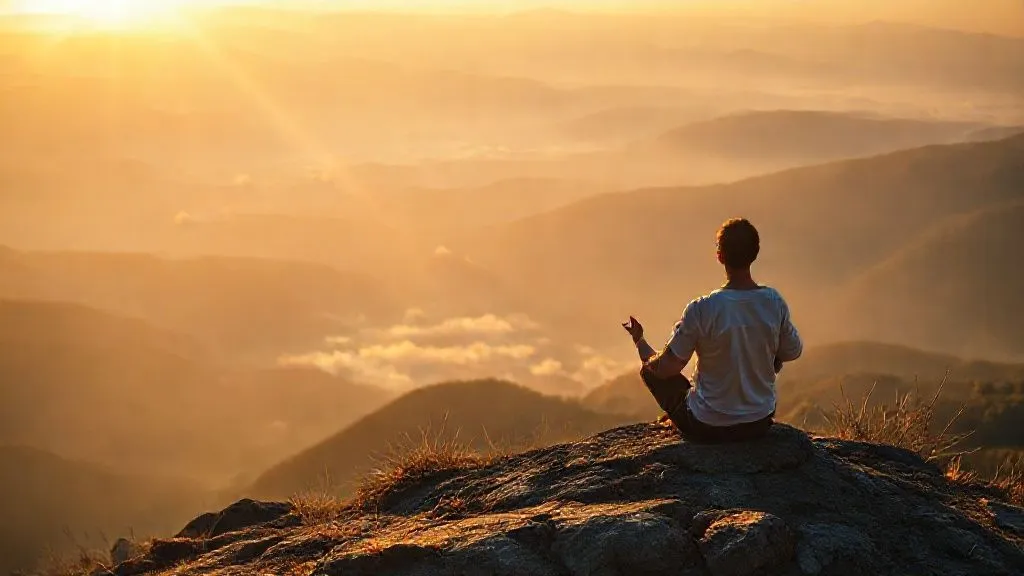
The Transformative Power of Therapeutic Travel: A Veteran's Guide
For over 15 years in the wellness travel industry, I've had the privilege of witnessing profound transformations. I've seen individuals arrive at destinations burdened by stress, grief, or a deep sense of disconnection, only to depart with a renewed spirit, a clearer mind, and a tangible path forward. This isn't just about taking a vacation; it's about embarking on a journey of intentional healing, a concept I've come to know intimately as therapeutic travel.
In our fast-paced, always-on world, it's easy to feel drained, overwhelmed, or spiritually adrift. Traditional vacations, while enjoyable, often only scratch the surface, providing a temporary escape rather than a lasting solution to the deeper aches of the soul. Many struggle to find genuine respite, returning home feeling refreshed for a week or two, only for old patterns and anxieties to resurface with alarming speed.
This guide isn't just a collection of tips; it's a comprehensive framework forged from years of observation and practical experience. I'll share the seven essential pillars of planning and executing a truly effective therapeutic travel experience, offering actionable insights, real-world analogies, and expert advice to help you design a journey that fosters deep, sustainable healing and personal growth.
What Exactly is Therapeutic Travel? Beyond the Spa Day
When people hear 'wellness travel,' they often conjure images of luxury spa resorts, detox juices, and yoga on the beach. While these elements can certainly be part of a wellness journey, therapeutic travel goes significantly deeper. It's not merely about relaxation or pampering; it's about a deliberate, conscious decision to travel with the explicit intention of addressing specific emotional, psychological, or spiritual needs.
In my experience, the key differentiator lies in the *intention* and the *structure*. A therapeutic journey is purpose-driven, often involving a degree of discomfort or challenge, precisely because growth often occurs outside our comfort zones. It’s about engaging in activities, environments, and even guided introspection designed to facilitate healing, self-discovery, and personal transformation. It's less about escaping your problems and more about confronting and resolving them in a supportive, restorative setting.
“Therapeutic travel isn't a passive escape; it's an active engagement with your inner landscape, facilitated by the external environment and structured experiences.”
Key characteristics of genuine therapeutic travel include:
- Clear Intention: A defined goal, such as processing grief, overcoming burnout, healing from trauma, or seeking spiritual clarity.
- Structured Activities: Often involves guided practices like meditation, therapy sessions, workshops, nature immersion, or cultural ceremonies.
- Supportive Environment: Destinations chosen for their calming influence, natural beauty, or specific healing traditions.
- Expert Guidance: The presence of therapists, coaches, shamans, or experienced facilitators who can guide the process.
- Integration Focus: A strong emphasis on how to bring the insights and healing back into daily life.
Identifying Your Healing Needs: The Foundation of Your Journey
Before you even think about booking a flight or a retreat, the most crucial step in planning effective therapeutic travel is a deep, honest self-assessment. Without understanding your 'why,' your journey risks becoming another beautiful but ultimately superficial trip.
Self-Assessment: Understanding Your 'Why'
I've seen countless individuals invest significant time and money into trips that didn't deliver the promised healing, simply because they hadn't truly identified the root cause of their distress. This isn't about diagnosing yourself, but about tuning into your inner landscape.
- Journal Your Feelings: Dedicate time each day for a week or two to write freely about your emotions, stressors, recurring thoughts, and areas of dissatisfaction. Look for patterns.
- Identify Triggers: What situations, people, or thoughts consistently bring you down? Understanding your triggers is key to understanding your needs.
- Reflect on Physical Symptoms: Are you experiencing chronic fatigue, persistent headaches, digestive issues, or difficulty sleeping? Our bodies often signal emotional distress.
- Consider Your Desired Outcome: Beyond 'feeling better,' what specifically does 'better' look like? Is it peace, clarity, resilience, forgiveness, or renewed purpose?
- Seek Professional Input (Optional but Recommended): A conversation with a therapist or counselor, even a single session, can provide invaluable clarity and help you pinpoint specific issues like emotional burnout, unresolved trauma, or a nagging spiritual void.
“The courage to be truly honest with yourself about your deepest needs is the first, most profound step towards genuine healing.”
This process of introspection might feel uncomfortable, but it’s foundational. It’s about building a solid reference point for your journey. Once you understand what you're truly seeking to heal, the path for your therapeutic travel becomes much clearer.

Crafting Your Therapeutic Itinerary: Pillars of Purposeful Planning
With a clear understanding of your healing needs, you can now begin to craft an itinerary that is truly purposeful. This is where the art and science of therapeutic travel planning come together. It's about aligning your chosen destination and activities with your deepest intentions.
Pillar 1: Destination with Intention
The environment plays a significant role in healing. I've often advised clients that the 'where' is almost as important as the 'what.' Consider what kind of environment best supports your healing goal:
- Nature Retreats: For stress, burnout, or a need for grounding. Think mountains, forests, oceans, or deserts. Research consistently shows that exposure to nature reduces stress hormones and improves mood. According to a study published in Environmental Health Perspectives, spending time in nature significantly lowers the risk of various non-communicable diseases and improves overall well-being.
- Cultural Immersion: For those seeking perspective, connection, or a break from their own cultural conditioning. Engaging with different traditions can offer profound insights.
- Spiritual Sites: For individuals exploring existential questions, grief, or a spiritual void. Think ancient temples, sacred pilgrimage routes, or places with strong energetic resonance.
- Therapeutic Centers: For more acute needs, such as trauma recovery, addiction, or severe burnout, where professional, clinical support is paramount.
Pillar 2: Structured Activities for Healing
Once you have a destination in mind, layer in activities that directly address your identified needs. This is where the 'therapeutic' aspect truly shines. Don't just pick activities because they sound relaxing; choose them because they are designed to facilitate your specific healing process.
- Mindfulness & Meditation: Excellent for stress reduction, emotional regulation, and developing inner peace.
- Yoga & Movement Therapy: Helps release stored tension, connect mind and body, and improve flexibility and strength.
- Talk Therapy/Counseling: Essential for processing trauma, grief, relationship issues, or deep-seated psychological patterns.
- Art & Creative Therapies: Provides an outlet for emotions that are difficult to verbalize, fostering self-expression and insight.
- Wilderness Therapy: Uses outdoor adventures and challenges to build resilience, self-reliance, and connection with nature.
- Indigenous Healing Practices: For spiritual seekers, these can offer profound connections to ancient wisdom and community, but require deep respect and ethical engagement.
Pillar 3: The Role of Expert Guidance
Unless you are a seasoned practitioner of self-guided healing, I strongly advocate for seeking expert guidance. This could be a licensed therapist, a certified wellness coach, a meditation master, or a respected spiritual elder. Their role is to provide a safe container, offer tools and techniques, and help you navigate the often-complex terrain of inner work. A good guide isn't just an instructor; they are a mentor, a witness, and a facilitator of your personal growth. For resources on finding accredited professionals, organizations like the Global Wellness Institute often provide directories and insights into reputable providers.
| Healing Need | Destination Type | Activities | Guidance |
|---|---|---|---|
| Stress/Burnout | Nature Retreats, Quiet Coastal Towns | Mindfulness, Yoga, Digital Detox | Wellness Coach, Meditation Instructor |
| Emotional Trauma | Therapeutic Centers, Serene Countryside | Talk Therapy, Art Therapy, Equine Therapy | Licensed Therapist, Trauma Specialist |
| Spiritual Void | Sacred Sites, Indigenous Communities | Pilgrimages, Shamanic Rituals, Vision Quests | Spiritual Guide, Elder |
Embracing the Journey: Mindset and Presence
Once you’ve meticulously planned your therapeutic travel, the next crucial step is showing up for it with the right mindset. This isn't a passive experience where healing magically happens to you; it's an active process that requires your full presence and willingness to engage.
Digital Detox and Disconnection
One of the biggest obstacles to true therapeutic immersion in our modern world is the constant pull of digital devices. I’ve seen individuals on profound healing retreats still checking work emails or scrolling through social media, effectively diluting the very experience they paid for. A digital detox isn't just about turning off your phone; it's about consciously disconnecting from external demands to create space for internal reflection.
“To truly heal, you must create an internal silence, and that often begins by muting the noise of the external world.”
Before you leave, set clear boundaries: inform colleagues and family that you'll be largely unreachable, delegate urgent tasks, and resist the urge to 'just check in.' This commitment to disconnection is a powerful act of self-care and a non-negotiable for deep therapeutic work.
Mindfulness Practices on the Go
While structured meditation sessions are invaluable, cultivating a mindful presence throughout your day is equally important. This means engaging all your senses in your environment, whether you're walking through a forest, savoring a meal, or simply observing the sky. Simple practices include:
- Sensory Awareness: Pay attention to the sights, sounds, smells, tastes, and textures around you. What do you notice?
- Breath Awareness: Throughout the day, take short breaks to simply observe your breath without trying to change it.
- Mindful Movement: Whether walking, stretching, or doing yoga, bring your full attention to the sensations in your body.
- Gratitude Practice: Regularly acknowledge things you are grateful for, shifting your focus to positive aspects of your experience.
These practices aren't just 'things to do'; they are ways of being that deepen your connection to yourself and your healing journey, transforming every moment of your therapeutic travel into an opportunity for growth.

Navigating Challenges and Ensuring Safety
While therapeutic travel is designed for healing, it's not always easy. Inner work can bring up difficult emotions, and being in an unfamiliar environment can present its own set of challenges. Being prepared for these eventualities is part of responsible planning.
Solo Travel vs. Group Retreats
The choice between traveling solo or joining a group retreat is a significant one, each offering distinct advantages:
- Solo Therapeutic Travel: Offers unparalleled freedom and the opportunity for deep introspection without external distractions. It can be incredibly empowering for those seeking self-reliance and quiet contemplation. However, it requires a strong sense of self-awareness and the ability to manage potentially intense emotions independently. It's crucial to have a support system (friends, family, or a remote therapist) you can check in with regularly.
- Group Retreats: Provides a built-in community, shared experiences, and usually, expert facilitation. The collective energy can be incredibly supportive and validating. It can also be less intimidating for those new to deep inner work. The downside can be less personal flexibility and the potential for group dynamics to sometimes overshadow individual needs.
Consider your personality, your specific healing needs, and your comfort level with independence versus community when making this choice. Both can be profoundly effective forms of therapeutic travel.
Emergency Preparedness and Support Systems
Even on a journey of healing, practicalities cannot be overlooked. Before you depart:
- Share Your Itinerary: Let a trusted friend or family member know your exact plans, including contact information for your accommodation and any guides.
- Health & Insurance: Ensure you have comprehensive travel insurance that covers medical emergencies and any specific activities you plan to undertake. If you have pre-existing conditions, consult your doctor.
- Local Contacts: Have emergency numbers for your destination (local police, ambulance, embassy/consulate).
- Mental Health Support: If you are prone to anxiety or depression, or anticipate deep emotional work, have a plan for remote therapy sessions or a crisis hotline number readily available. Remember, healing is not linear, and it's okay to seek additional support. For general travel safety advice, consult reputable sources like the U.S. Department of State's travel advisories or your country's equivalent.
Case Study: Sarah's Journey to Resilience Through Therapeutic Travel
Case Study: How Sarah Overcame Burnout with a Therapeutic Journey
Sarah, a 38-year-old marketing executive, found herself teetering on the edge of complete burnout. Her demanding job, coupled with caring for aging parents, had left her feeling perpetually exhausted, anxious, and emotionally numb. Traditional vacations offered only fleeting relief, and she knew she needed something more profound. She came to me seeking advice on how to genuinely reset her nervous system and regain her sense of self.
Based on her needs, we crafted a personalized therapeutic travel plan. Sarah opted for a solo retreat to a remote eco-lodge nestled in the Costa Rican rainforest. Her itinerary focused heavily on nature immersion, digital detox, and daily guided mindfulness and gentle yoga sessions. Instead of intense physical activity, the emphasis was on restorative practices and quiet contemplation. She also pre-arranged three remote therapy sessions with her existing therapist to process any insights or difficult emotions that might arise.
During her two-week journey, Sarah committed fully to disconnecting from technology, spending hours walking through the forest, observing wildlife, and journaling by a waterfall. The simple rhythm of nature, combined with the guidance of the lodge's wellness facilitator, allowed her nervous system to finally downshift. She learned practical mindfulness techniques that she could easily integrate into her daily life. The remote therapy sessions provided a safe space to acknowledge her feelings of overwhelm and develop coping strategies.
Upon her return, Sarah reported significantly reduced anxiety, improved sleep quality, and a renewed sense of clarity and purpose. She had not only escaped burnout but had also built a stronger foundation for resilience. This resulted in her implementing healthier boundaries at work, dedicating time to daily mindfulness, and fostering a deeper appreciation for nature in her urban life. Her therapeutic travel wasn't a magic bullet, but it was the catalyst for a sustainable shift in her well-being.
Integrating Healing into Daily Life: Post-Travel Strategies
The true measure of successful therapeutic travel isn't just how you feel *during* the trip, but how effectively you integrate those learnings and feelings of well-being back into your daily life. This is often the most challenging, yet most crucial, phase of the entire journey.
Sustaining the Benefits: Practical Habits
I've seen many individuals return from transformative journeys only to fall back into old patterns within weeks. The key is conscious integration. Think of it not as ending your healing, but as shifting its location from a dedicated retreat to your everyday environment.
- Mini-Mindfulness Moments: You might not have hours for meditation, but five minutes of mindful breathing, a conscious walk during lunch, or a moment of sensory awareness can keep the practice alive.
- Journaling Continuity: Continue your journaling practice to process daily experiences, track your emotional state, and reflect on how you're applying your new insights.
- Nature Connection: Even in urban settings, seek out green spaces, bring plants into your home, or find ways to connect with natural elements.
- Community & Support: Share your experiences with trusted friends or family. Consider joining local wellness groups or continuing therapy sessions if needed.
- Boundary Setting: Apply the lessons learned about self-care and digital detox to establish healthier boundaries in your work and personal life.
The Power of Reflection and Integration
Regularly reflect on your therapeutic travel experience. What were the key insights? What practices resonated most deeply? How can you adapt them to your current circumstances? This ongoing dialogue with yourself ensures that the seeds of healing planted during your journey continue to grow.
Consider scheduling regular 'check-ins' with yourself – perhaps weekly or monthly – to assess your emotional well-being, review your practices, and make adjustments as needed. This proactive approach helps to prevent regression and solidifies the long-term benefits of your therapeutic travel.

Common Misconceptions and Ethical Considerations in Therapeutic Travel
As an expert in this niche, I feel it's my responsibility to address some common pitfalls and ethical considerations that often arise in the realm of therapeutic travel. Understanding these can help you approach your journey with greater wisdom and responsibility.
It's Not a Quick Fix
One of the biggest misconceptions is that therapeutic travel is a 'magic bullet' or a quick fix for deep-seated issues. While the experience can be profoundly transformative, it's typically a catalyst for ongoing healing, not the end of the journey. True healing takes time, effort, and consistent integration. Be wary of any program or provider that promises instant cures or guarantees complete eradication of complex emotional or psychological problems in a short period.
Cultural Sensitivity and Respect
Many forms of therapeutic travel involve engaging with indigenous practices, spiritual traditions, or local communities. It is absolutely paramount to approach these experiences with deep respect, humility, and cultural sensitivity. Avoid 'spiritual tourism' that extracts from cultures without giving back, or that commodifies sacred practices without genuine understanding. Research the ethical practices of any retreat or guide you choose, ensuring they operate with integrity, respect for local customs, and fair compensation for local communities. For more on responsible travel, resources like Responsible Travel offer valuable insights.
Financial Planning and Accessibility
Genuine therapeutic travel, especially with expert guidance, can be a significant investment. This can make it feel inaccessible to many. While luxury retreats exist, it's important to remember that profound healing doesn't always require a five-star budget. Many effective therapeutic journeys can be crafted on a more modest budget through careful planning, choosing simpler accommodations, or focusing on self-guided nature immersion. The intention and structured approach are more critical than the price tag. Explore options like volunteer-based retreats or community-led initiatives that might offer more affordable pathways to meaningful experiences.
Frequently Asked Questions (FAQ)
How long should a therapeutic trip be to be effective? In my experience, a minimum of 7-10 days is ideal for deeper therapeutic work, allowing time to settle in, engage in practices, and begin processing. For more intensive healing, 2-4 weeks can be profoundly impactful. However, even a focused weekend getaway with clear intentions can offer significant benefits if planned effectively and integrated mindfully. The duration often depends on the severity of the issues being addressed and the individual's capacity for introspection.
Can therapeutic travel replace traditional therapy? No, therapeutic travel is generally not a replacement for traditional therapy, especially for severe mental health conditions, complex trauma, or clinical diagnoses. Instead, it should be viewed as a powerful complement or an accelerant to personal growth. It can provide a unique environment for introspection and healing, but ongoing professional psychological support is often necessary for sustained recovery and integration of deeper insights. Always consult a mental health professional if you have serious concerns.
Is therapeutic travel only for severe emotional issues or trauma? Absolutely not. While it can be incredibly effective for healing trauma or severe burnout, therapeutic travel is also beneficial for anyone seeking personal growth, stress reduction, spiritual clarity, or a deeper connection to themselves. It's a tool for self-discovery, resilience-building, and proactive well-being, not just reactive crisis management. Many use it for preventative care against burnout or to gain new perspectives during life transitions.
How do I choose the right therapeutic travel provider or retreat? Choosing the right provider requires thorough research. Look for transparent programs with clearly outlined activities, qualified facilitators (check credentials and experience), and positive, authentic testimonials. Prioritize providers who emphasize ethical practices, cultural sensitivity, and post-retreat integration support. Don't hesitate to ask detailed questions about their approach, safety protocols, and what's included in the cost. A reputable provider will be happy to answer all your queries.
What if I don't have a lot of money for therapeutic travel? Can I still have a meaningful experience? Absolutely. While some retreats are costly, the core of therapeutic travel lies in intention and structure, not luxury. You can design a highly effective, budget-friendly therapeutic journey by choosing local nature destinations, engaging in self-guided mindfulness and journaling, opting for simpler accommodations, and leveraging free or low-cost online resources for guidance (e.g., meditation apps, free online courses). The most profound healing often comes from within, not from external opulence.
Key Takeaways and Final Thoughts
- Intentionality is Paramount: Every aspect of your therapeutic travel, from destination to activities, must align with your specific healing needs.
- Structure for Success: Don't leave healing to chance. Plan with purpose, incorporating structured activities and, where appropriate, expert guidance.
- Embrace Presence: Disconnect from distractions and engage fully with your journey, cultivating mindfulness and allowing for deep introspection.
- Prepare for Challenges: Acknowledge that inner work can be difficult, and build support systems to navigate emotional intensity and practical hurdles.
- Integrate for Lasting Change: The journey doesn't end when you return home. Consciously integrate your learnings into daily life to sustain the benefits.
Therapeutic travel is more than just a trip; it's an investment in your deepest well-being, a courageous step towards self-discovery, and a powerful pathway to sustained healing. By approaching it with intention, preparation, and an open heart, you're not just traveling to a new place – you're traveling towards a renewed, more resilient version of yourself. May your journey be filled with profound insights and lasting peace.
Recommended Reading
- The Ultimate Guide: How to Prepare for a Luxury Overnight Train Journey
- 7 Critical Steps: Solving Urgent Guest Safety at Remote Glamping Sites
- Mastering Glamping: 5 Ways to Defy Extreme Temperatures in Luxury
- Rail Pass or Not? Europe Backpacking: Are Rail Passes Worth It?
- 7-Day Multi-National Park Road Trip: Master Your Maximization Strategy




Your email address will not be published. Required fields are marked *