


What alternative medicine travel options reduce executive burnout?
For over two decades in the wellness travel industry, I’ve witnessed countless brilliant executives on the brink, their careers, health, and personal lives crumbling under the relentless weight of pressure. The term “burnout” barely scratches the surface of the profound exhaustion, cynicism, and inefficacy that can consume even the most driven leaders.
This isn’t just about feeling tired; it’s a systemic depletion that impacts cognitive function, emotional regulation, and physical health, often leading to severe long-term consequences if left unaddressed. It’s a silent epidemic in the C-suite and among high-performers, often dismissed as simply “part of the job.”
But what if there was a way to not just recover, but to profoundly reset and build resilience? In this definitive guide, I’ll share my expert insights into transformative alternative medicine travel options – not just escapes, but strategic investments in your well-being that truly reduce executive burnout and fortify your leadership for the long haul. We’ll explore specific modalities, provide actionable steps, and share real-world examples to empower your journey back to vitality.
The Insidious Nature of Executive Burnout
Before diving into solutions, it’s crucial to grasp the multifaceted beast that is executive burnout. It’s more than just stress; it’s a chronic state of emotional, physical, and mental exhaustion caused by excessive and prolonged stress. For executives, this often stems from a combination of high stakes, relentless demands, blurred work-life boundaries, and often, a lack of control or recognition.
According to a recent study published in the Harvard Business Review, burnout is a significant predictor of voluntary turnover among high-performers, costing companies billions annually in lost productivity and recruitment. I’ve personally seen how unchecked burnout can lead to impaired decision-making, strained team dynamics, and ultimately, a significant decline in organizational performance. It’s not a personal failing; it’s a systemic issue demanding a holistic solution.
Embracing Holistic Healing: Why Alternative Medicine Travel?
Traditional vacations often fall short of addressing deep-seated burnout. A typical beach holiday might offer temporary respite, but it rarely provides the structured, immersive healing environment needed to truly reset the nervous system and recalibrate one’s approach to life and work. This is where alternative medicine travel excels.
Alternative medicine modalities, by their very nature, treat the whole person – mind, body, and spirit – rather than just symptoms. When combined with the detachment and novel environment of travel, they create a powerful synergy for profound recovery. These experiences allow executives to step away from triggers, engage with expert practitioners, and immerse themselves in healing practices that are often impractical to pursue amidst daily demands.
“True recovery from burnout isn’t about escaping reality; it’s about acquiring new tools and perspectives to master it. Alternative medicine travel provides the crucible for this transformation.”
Ayurveda Retreats: Rebalancing Your Energetic Blueprint
Originating in India thousands of years ago, Ayurveda is one of the world’s oldest holistic healing systems. It’s based on the belief that health and wellness depend on a delicate balance between the mind, body, and spirit. For executives, whose lives are often characterized by imbalance, chronic stress, and poor dietary habits, Ayurveda offers a profound path to rebalancing.
The Dosha Balancing Process for Burnout
An Ayurvedic retreat typically begins with a detailed consultation to determine your unique “dosha” – your primary energetic constitution (Vata, Pitta, or Kapha) – and identify imbalances contributing to your burnout. Treatments are then highly personalized, often including:
- Panchakarma: A powerful detoxification and rejuvenation program involving therapeutic massages, herbal enemas, and nasal administrations to cleanse the body of toxins.
- Dietary Adjustments: Customized meal plans based on your dosha and specific imbalances, emphasizing fresh, wholesome, and often locally sourced ingredients.
- Herbal Medicines: Prescribed formulations to support various bodily functions, reduce stress, improve sleep, and boost energy.
- Yoga and Meditation: Gentle practices designed to calm the nervous system, improve flexibility, and foster mental clarity.
- Lifestyle Counseling: Guidance on daily routines (Dinacharya) that support long-term well-being and prevent recurrence of burnout.
In my experience, executives emerge from authentic Ayurvedic retreats not just rested, but with a deeper understanding of their own body’s needs and practical tools to maintain balance amidst ongoing pressures.
Case Study: Sarah’s Journey from Exhaustion to Energy
Sarah, a 48-year-old CFO of a rapidly scaling tech firm, approached me after months of debilitating fatigue, digestive issues, and severe anxiety attacks. She’d tried traditional vacations, but the relief was fleeting. I recommended a 14-day Ayurvedic Panchakarma retreat in Kerala, India. Upon arrival, her Vata dosha was severely aggravated – manifesting as restlessness, poor sleep, and digestive upset. The retreat’s personalized program of oil massages (Abhyanga), gentle yoga, and a Vata-pacifying diet slowly began to calm her system. By the end of her stay, Sarah reported sleeping soundly for the first time in years, her anxiety had significantly reduced, and her mental clarity returned. She returned not just refreshed, but equipped with a new morning routine and dietary awareness that she continues to integrate into her demanding schedule, proactively managing her stress and preventing a relapse into burnout.
Actionable Steps: Choosing Your Ayurvedic Retreat
- Seek Authenticity: Look for retreats with experienced, qualified Ayurvedic doctors, preferably in India or Sri Lanka, where the tradition is deeply rooted.
- Clarify Program Details: Ensure the program includes personal consultations, customized treatments, and follow-up guidance.
- Read Reviews and Testimonials: Pay attention to feedback regarding the quality of care, food, and overall atmosphere.
- Consider Duration: For deep healing from burnout, a minimum of 7-14 days is often recommended to allow the body to fully detoxify and rebalance.
Mindfulness and Meditation Retreats: Cultivating Inner Resilience
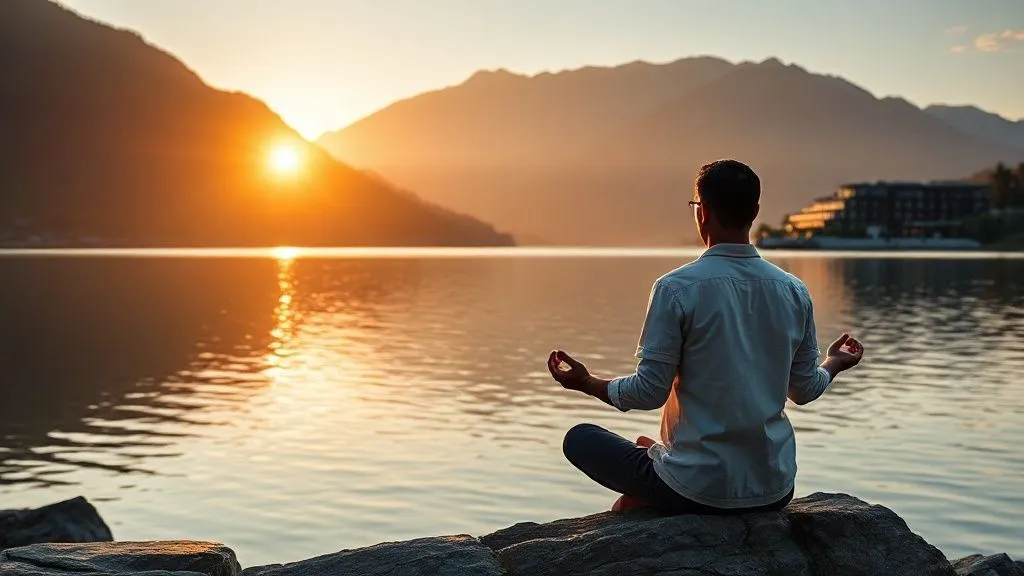
In a world of constant digital bombardment and demanding schedules, mindfulness and meditation retreats offer an invaluable sanctuary for executives. These retreats focus on training the mind to be present, observant, and less reactive to stress, directly addressing the mental and emotional components of executive burnout.
Vipassana vs. Zen: Finding Your Path
While many types of meditation retreats exist, two prominent forms are Vipassana and Zen. Vipassana, often taught in silent, intensive 10-day courses, focuses on developing insight into the true nature of reality through observing sensations and thoughts without judgment. Zen retreats, often shorter and emphasizing sitting meditation (Zazen), also incorporate communal work and disciplined routines.
Regardless of the specific lineage, the core benefits for executives include:
- Stress Reduction: Studies, including those cited by the Mayo Clinic, consistently show that mindfulness practices reduce cortisol levels and improve the body’s response to stress.
- Enhanced Focus and Clarity: By training the mind to stay present, executives can improve concentration, decision-making, and problem-solving abilities.
- Emotional Regulation: Learning to observe emotions without being overwhelmed by them fosters greater composure under pressure.
- Improved Sleep Quality: Many participants report significant improvements in sleep patterns, a critical factor in burnout recovery.
I’ve observed that executives who commit to these retreats gain not just a temporary reprieve, but a foundational practice they can integrate into their daily lives, becoming more resilient leaders.
Naturopathic and Functional Medicine Spas: Deep Cellular Healing
For executives experiencing burnout with significant physical symptoms – chronic fatigue, digestive issues, hormonal imbalances, or weakened immunity – naturopathic and functional medicine spas offer a scientifically-backed, holistic approach. These centers combine the best of conventional diagnostics with natural therapies to address the root causes of dysfunction.
Programs often include:
- Comprehensive Diagnostics: Advanced lab testing (blood, urine, stool, saliva) to identify nutrient deficiencies, heavy metal toxicity, hormonal imbalances, gut dysbiosis, and inflammatory markers.
- Personalized Nutrition: Tailored dietary plans, often emphasizing anti-inflammatory, gut-healing, or detoxifying foods, sometimes incorporating therapeutic fasting.
- Intravenous (IV) Nutrient Therapy: Targeted delivery of vitamins, minerals, and amino acids to quickly replenish depleted stores and boost energy.
- Hydrotherapy and Balneotherapy: Therapeutic use of water (baths, wraps, saunas) to improve circulation, detoxification, and relaxation.
- Herbal Medicine and Supplements: Evidence-based botanical remedies and nutraceuticals to support adrenal function, sleep, mood, and detoxification pathways.
- Biofeedback and Stress Management: Techniques to help individuals gain conscious control over physiological processes like heart rate and muscle tension.
These are not “fluffy” spas; they are serious medical facilities focused on measurable health outcomes. They provide an intensive, guided environment where executives can truly rebuild their physical foundation.
Actionable Steps: Preparing for a Naturopathic Detox Program
- Consult Your Doctor: Always discuss any intensive detox or medical program with your primary care physician, especially if you have underlying health conditions.
- Gradual Pre-Cleanse: Many programs recommend a gentle pre-cleanse (e.g., reducing caffeine, sugar, processed foods) for a few days to a week before arrival.
- Manage Expectations: Be prepared for potential “healing crises” (e.g., headaches, fatigue) as your body detoxifies. These are usually temporary.
- Plan for Rest: Do not schedule intense work or social activities immediately after returning. Allow time for your body to fully integrate the healing.
Transformative Adventure & Nature Immersion: Reconnecting with Self
Sometimes, the best medicine for executive burnout isn't found in a quiet meditation hall, but on a rugged mountain trail or in the heart of a dense forest. Transformative adventure and nature immersion trips offer a unique blend of physical challenge, digital detox, and profound connection with the natural world. This category of wellness travel is particularly effective for executives who feel disconnected, stagnant, or overwhelmed by routine.
As the World Health Organization acknowledges, burnout is an occupational phenomenon. Escaping the occupational environment completely and immersing oneself in nature provides a powerful antidote. Activities can range from guided wilderness treks, kayaking expeditions, and surfing camps to silent hikes, forest bathing (Shinrin-yoku), and even glamping in remote, serene locations.
The benefits are manifold:
- Digital Detox: A forced break from screens and constant connectivity allows the brain to “reset” and reduces mental fatigue.
- Physical Activity: Engaging in moderate to vigorous physical activity in nature boosts endorphins, improves cardiovascular health, and reduces stress hormones.
- Awe and Perspective: Being in vast, beautiful natural landscapes can induce feelings of awe, shifting perspective away from daily stressors and fostering a sense of insignificance in the face of nature’s grandeur.
- Mindfulness in Motion: The focus required for navigating trails or paddling a kayak naturally cultivates presence and grounds the mind.
- Improved Sleep: Exposure to natural light cycles and physical exertion often leads to deeper, more restorative sleep.
I’ve seen executives return from these trips with renewed vigor, a fresh perspective on challenges, and a profound appreciation for simplicity – a critical component in preventing future burnout.
Acupuncture and Traditional Chinese Medicine (TCM) Travel: Restoring Qi
Traditional Chinese Medicine (TCM), with acupuncture at its core, offers another powerful pathway for executives grappling with burnout. TCM views the body as a complex system of interconnected energy pathways (meridians) through which “Qi” (life force energy) flows. Burnout, from a TCM perspective, is often seen as a significant depletion or stagnation of Qi, particularly affecting the Kidney and Liver systems, which govern vitality, stress response, and emotional regulation.
Travel to dedicated TCM clinics or wellness centers, particularly in Asia, allows for intensive, daily treatments and a deeper immersion into the healing philosophy. Treatments typically include:
- Acupuncture: Fine needles are inserted into specific points along meridians to unblock energy, reduce pain, calm the nervous system, and restore balance.
- Herbal Medicine: Customized formulas of traditional Chinese herbs are prescribed to nourish depleted organs, clear heat, and alleviate symptoms of stress and fatigue.
- Cupping and Gua Sha: Techniques used to release muscle tension, improve circulation, and detoxify the body.
- Tui Na Massage: A therapeutic form of Chinese massage that manipulates acupressure points and meridians.
- Tai Chi and Qi Gong: Gentle movement practices that cultivate Qi, improve flexibility, and foster mental tranquility.
For executives suffering from chronic headaches, digestive issues, insomnia, or persistent fatigue linked to stress, a structured TCM retreat can be profoundly effective in restoring the body’s natural healing capabilities and preventing further progression of burnout.
Integrating Wellness Travel into Your Long-Term Strategy
A single wellness trip, no matter how transformative, is rarely a permanent fix. The true power lies in integrating the lessons, practices, and renewed perspective into your daily life. This is where the long-term value of alternative medicine travel truly shines.
Here’s how I advise executives to make these experiences stick:
- Post-Retreat Integration Plan: Before you leave the retreat, work with practitioners to develop a realistic plan for incorporating new habits (e.g., 15 minutes of meditation, specific dietary changes, regular walks in nature) into your routine.
- Schedule Follow-Ups: If possible, arrange virtual follow-up sessions with practitioners from the retreat to maintain accountability and address any challenges.
- Identify Early Warning Signs: Learn to recognize the subtle signs of impending burnout (e.g., irritability, sleep disturbances, loss of passion) and proactively implement your learned coping mechanisms.
- Cultivate a Support System: Share your journey with trusted colleagues, friends, or a coach who can offer encouragement and understanding.
- Regular Wellness Check-ins: Just as you schedule quarterly business reviews, schedule regular personal wellness “check-ins” to assess your mental and physical state and adjust as needed.
Remember, your well-being isn’t a luxury; it’s the foundation of your leadership and sustained success. Investing in alternative medicine travel is an investment in your most valuable asset: yourself.
Frequently Asked Questions (FAQ)
How long should an alternative medicine retreat be to effectively reduce executive burnout? From my experience, for significant burnout, a minimum of 7 to 14 days is often necessary. This allows enough time for the body and mind to truly detach, detoxify, and begin the healing process. Shorter stays (3-5 days) can offer a valuable reset, but deeper, lasting changes typically require more immersion.
Are these alternative medicine travel options covered by health insurance? Generally, most alternative medicine travel options, especially those focused on wellness and prevention, are not covered by standard health insurance plans. However, some functional medicine or naturopathic clinics with licensed medical professionals might offer services that could be partially reimbursed, particularly if they are addressing a diagnosed medical condition. It’s essential to check with your specific insurance provider and the retreat center directly.
How do I ensure the quality and authenticity of a wellness travel provider? This is critical. Look for providers with transparent credentials, positive and consistent reviews, and clear descriptions of their programs and practitioner qualifications. Seek out centers that have been established for a significant period and ideally, have certifications from recognized bodies in their respective alternative medicine fields. Personal recommendations from trusted sources can also be invaluable. Don’t hesitate to ask for references or schedule a preliminary call with their team.
Can I combine different alternative medicine modalities in one trip? While it’s possible to find multi-modality centers, for deep healing from burnout, I generally recommend focusing on one primary alternative medicine discipline per trip. This allows for a more concentrated and profound experience within that specific healing system. However, many retreats naturally integrate complementary practices – for example, an Ayurvedic retreat will often include yoga and meditation. If you’re looking for broader exposure, consider different types of retreats over multiple trips.
What practical steps can I take to prepare for and maximize my alternative medicine travel experience? Beyond the specific preparations mentioned for each modality, ensure you delegate work effectively before you leave, set clear out-of-office messages, and commit to truly disconnecting. Inform your team that you will be largely unreachable. During the retreat, embrace the process fully, be open to new experiences, and allow yourself to be vulnerable. After returning, gradually re-enter your routine, prioritize self-care, and actively implement the tools and insights you gained.
Recommended Reading
- 5 Critical Steps: Solo Business Trip Safety Emergency Plan
- Unlock Your Cosmic Journey: How to Pass Fitness Tests for Space Tourism Training
- Best Cruise for Toddlers with Food Allergies: Safe Sailing Guide
- The Ultimate Guide: How Much Does a Night in a Space Hotel Cost?
- Solo Women & Humanitarian Aid: Unveiling the Truth About Safety
Key Takeaways and Final Thoughts
Executive burnout is a pervasive and debilitating challenge, but it is not an inevitable fate. As a seasoned industry expert, I’ve seen firsthand how strategic engagement with alternative medicine travel options can offer profound and lasting relief. These aren’t just holidays; they are intentional journeys back to health, clarity, and renewed purpose.
- Burnout is systemic: It requires a holistic, immersive solution beyond a typical vacation.
- Ayurveda offers deep rebalancing: Personalized programs to restore mind-body harmony.
- Mindfulness cultivates resilience: Training the mind for sustained calm and focus.
- Naturopathic spas provide cellular healing: Addressing physical depletion at its root.
- Nature immersion reconnects and resets: A powerful digital and mental detox.
- TCM restores vital energy: Acupuncture and herbs to re-energize your system.
- Integration is key: The real work begins when you return, applying new habits for long-term well-being.
Your leadership potential is directly tied to your well-being. Don’t wait until you’re completely depleted. Explore these powerful alternative medicine travel options to proactively reduce executive burnout, reclaim your vitality, and continue leading with passion and clarity. The journey to recovery is not just a break; it’s a powerful evolution.




Your email address will not be published. Required fields are marked *