

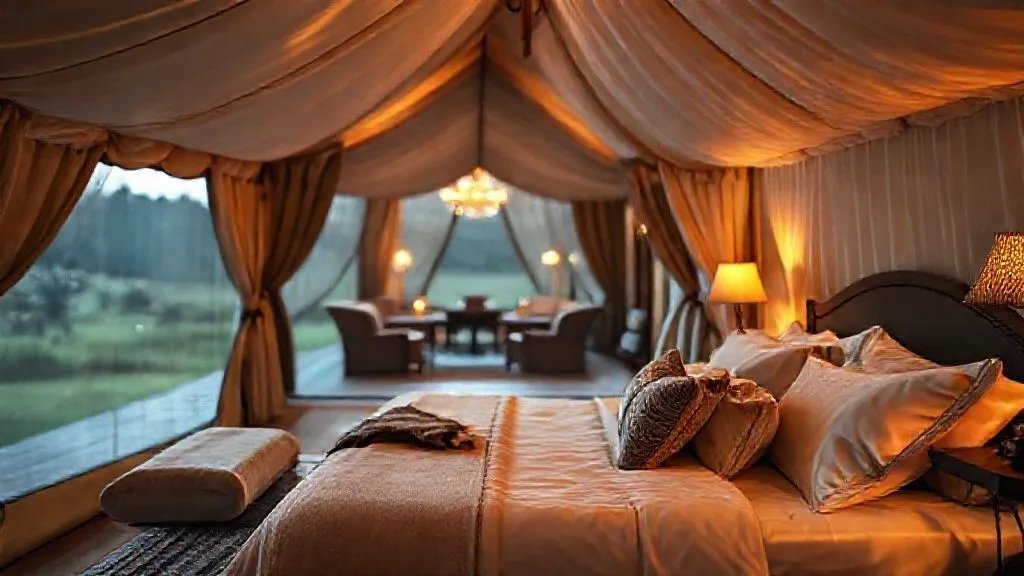
What to Do When Romantic Glamping Guests Expect 5-Star Hotel Service?
For over 15 years in the luxury glamping sector, I've seen a recurring challenge that can make or break an otherwise exquisite experience: the misalignment of guest expectations. Operators pour their hearts into creating unique, immersive nature escapes, only to be met with disappointment from guests anticipating the polished, predictable services of a high-end hotel.
This isn't about guests being unreasonable; it's often a fundamental misunderstanding of what glamping, particularly romantic glamping, truly offers. They book a 'luxury tent' or 'eco-lodge' and mentally project the concierge service, daily turndown, and round-the-clock room service they've come to expect from a Marriott or Ritz-Carlton. This gap between expectation and reality can lead to negative reviews, strained guest relations, and operator burnout.
But fear not. In this definitive guide, I'll share actionable frameworks, real-world insights, and proven strategies derived from years of hands-on experience. We'll explore how to proactively manage these high expectations, not by transforming your glamping site into a hotel, but by redefining luxury and delivering an unparalleled, authentic glamping experience that leaves guests delighted and your brand thriving. Let's tackle the question: What to do when romantic glamping guests expect 5-star hotel service?
The Fundamental Misconception: Glamping vs. 5-Star Hotel
Before we can manage expectations, we must first deeply understand the core differences between a glamping experience and a traditional 5-star hotel stay. This isn't just semantics; it's about the very DNA of your offering.
Understanding the Core Value Proposition of Glamping
Glamping, by its very nature, is about connection. It's about connecting with nature, with a loved one, and with a sense of adventure, all while enjoying elevated comforts. It’s about sustainable luxury, unique locations, and an intimate escape from the everyday. The 'luxury' in glamping often refers to high-quality bedding, private facilities, thoughtful design, and unparalleled natural settings – not necessarily a butler service or a marble-clad lobby.
In my experience, guests seeking romantic glamping are often looking for something *different* from a hotel. They desire seclusion, unique aesthetics, and a memorable story. The challenge arises when they don't fully grasp that 'different' also means a different service model.
Where Expectations Diverge
The primary points of divergence typically revolve around service immediacy, amenities, and environmental integration. Hotels offer instant gratification: a phone call brings fresh towels, a button press summons room service, and a concierge is always at hand. Glamping, especially in remote or eco-conscious locations, often operates on a more self-sufficient or on-demand model, where services might be limited to specific hours or require prior arrangement.
"Glamping isn't a diluted hotel experience; it's an amplified nature experience with luxurious comforts. The key is to communicate this distinction clearly and passionately." - Industry Expert Insight
Understanding these core differences is the first step in bridging the gap between what guests anticipate and what your glamping site is designed to deliver. It’s about celebrating your unique identity, rather than trying to mimic something you’re not.
Proactive Communication: Setting Expectations from First Touch
The most powerful tool in managing high expectations is communication, and it needs to start long before guests arrive. This proactive approach helps shape their understanding of your unique offering.
Crafting Transparent Marketing Materials
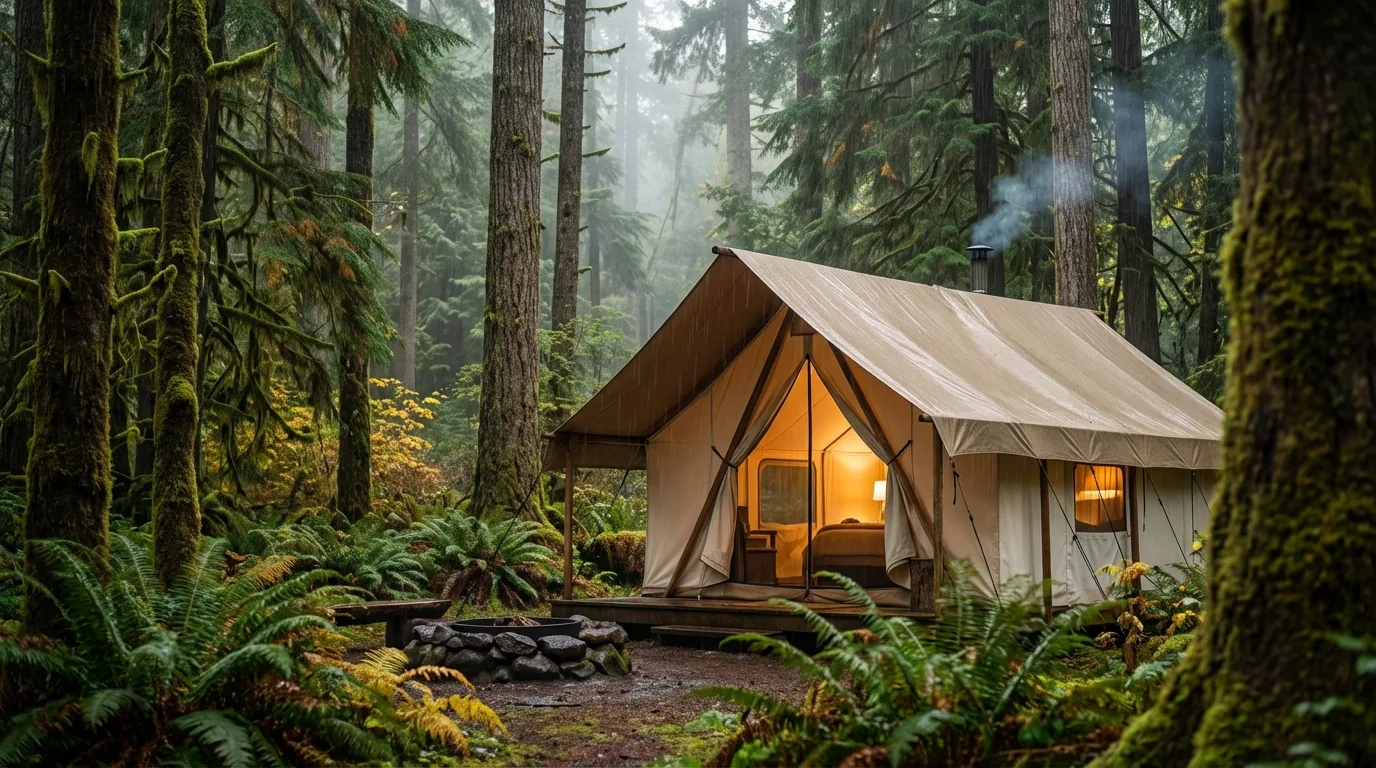
Your website, social media, and booking platforms are your first line of defense. Use high-quality, authentic photography that accurately depicts your accommodations and surroundings – avoid images that might inadvertently suggest a hotel environment. Be explicit in your descriptions about the type of experience you offer.
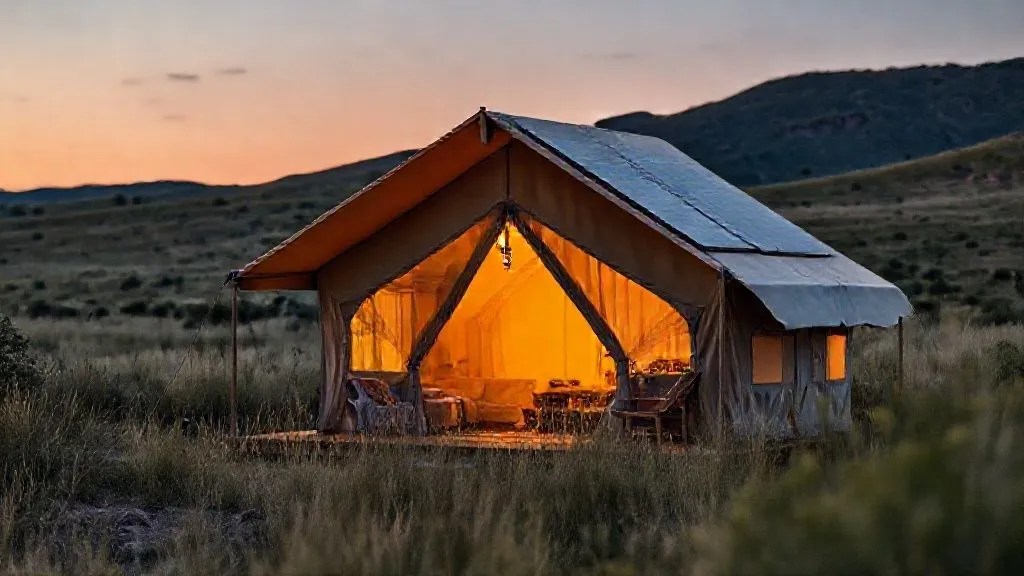
Instead of just saying 'luxury tent,' describe the 'secluded canvas safari tent with a private deck overlooking the valley,' emphasizing the natural elements and unique features. Clearly state what services *are* included and, just as importantly, what *aren't* (e.g., 'no daily room service, but fresh linens available upon request').
The Power of a Detailed Pre-Arrival Guide
Once a booking is confirmed, a comprehensive pre-arrival guide is indispensable. This isn't just a confirmation email; it's an immersive digital brochure that sets the stage for their stay.
Here’s a structured approach to your pre-arrival communication:
- Booking Confirmation Email: Reiterate key glamping differentiators.
- Pre-Arrival Information Pack (7-10 days out): Send a detailed PDF or link to a dedicated webpage.
- Welcome Message (24-48 hours out): A friendly reminder with arrival instructions.
- On-Site Welcome: A brief, personal orientation upon arrival.
This guide should cover everything from directions (mentioning unpaved roads if applicable) to what to pack, local wildlife, available amenities, dining options (and their hours), and how to request assistance. Be upfront about any limitations, such as Wi-Fi availability, water conservation efforts, or quiet hours. This transparency builds trust and manages the expectations of romantic glamping guests who might expect 5-star hotel service.
Elevating the Glamping Experience: Thoughtful Luxury, Not Opulence
The solution isn't to become a hotel, but to redefine what 'luxury' means within the glamping context. Focus on unique, thoughtful amenities and personalized touches that enhance the natural environment and romantic ambiance.
Curating Bespoke Amenities
Instead of a standard hotel minibar, consider a curated selection of local artisanal snacks, a complimentary bottle of sparkling wine from a nearby vineyard, or a 's'mores kit' for their private fire pit. Offer high-quality, eco-friendly toiletries. Provide luxurious robes and slippers. These small details speak volumes about your commitment to their comfort and experience.
Think about amenities that enhance the outdoor experience: high-quality binoculars for stargazing or birdwatching, a comfortable outdoor seating area, or even a private outdoor shower or hot tub. These are glamping luxuries that hotels simply cannot offer.
Personalized Touches that Resonate
True luxury in glamping often comes from personalization. A handwritten welcome note, a small gift tailored to their romantic occasion (e.g., a local wildflower bouquet for an anniversary), or remembering a dietary preference mentioned during booking can elevate their stay far beyond what a generic hotel can provide.
Case Study: Whispering Pines Glamp Retreat
Whispering Pines Glamp Retreat, a remote luxury glamping site specializing in romantic getaways, initially struggled with guests expecting hotel-level amenities. Their solution wasn't to add room service, but to hyper-personalize the arrival experience. They introduced a 'Romantic Welcome Package' option, allowing guests to pre-select local chocolates, a custom playlist, and even a specific type of pillow. Upon arrival, a staff member would personally guide them to their tent, highlighting its unique features and the surrounding nature. This shift, combined with a detailed pre-arrival guide, led to a 40% reduction in service-related complaints and a significant boost in 5-star reviews, with guests frequently praising the 'thoughtful touches' and 'personalized care' over generic hotel services.
Here's a comparison of typical expectations vs. glamping's thoughtful luxury:
| Service Aspect | 5-Star Hotel Expectation | Glamping Thoughtful Luxury |
|---|---|---|
| Dining | 24/7 Room Service, Multiple Restaurants | Pre-ordered gourmet meal kits, Private chef experience, Local produce hampers, BBQ facilities |
| Housekeeping | Daily Turndown Service, Linen Changes | Mid-stay refresh (upon request), Eco-friendly linen policy communicated upfront, High-quality initial setup |
| Concierge | On-demand assistance for bookings, transport | Digital concierge app for curated local activities, Pre-booked excursions, Emergency contact available |
| Amenities | Spa, Gym, Pool, Business Center | Private hot tub, Stargazing kits, Nature walks, Yoga mats, Fire pits |
Empowering Your Staff: Training for Discerning Guests
Your staff are the frontline ambassadors of your brand. Equipping them with the right skills and mindset is crucial for managing the expectations of romantic glamping guests who expect 5-star hotel service.
The Art of Anticipatory Service
While glamping doesn't typically offer a full-time concierge, staff can be trained to anticipate needs without being intrusive. This means observing guest patterns, offering assistance before it's explicitly asked for (e.g., seeing a couple struggling with a fire pit and offering kind, non-judgmental help), and providing proactive information about weather changes or local events. It's about being present, observant, and genuinely helpful.
Training should emphasize problem-solving and resourcefulness. Since staff might be more spread out or have fewer immediate resources than a hotel, they need to be adept at finding creative solutions or clearly communicating limitations with empathy and professionalism. For valuable insights into anticipatory service, I often recommend exploring resources from leading hospitality training organizations, such as those found on Cornell University's School of Hotel Administration.
Handling Complaints with Grace and Empathy
Even with the best preparation, some guests will inevitably express disappointment. Staff must be trained in active listening, empathy, and de-escalation techniques. The goal isn't to argue, but to understand the root cause of the complaint and, if possible, offer a glamping-appropriate solution.
For instance, if a guest complains about a lack of room service, a trained staff member wouldn't just say 'we don't offer that.' Instead, they might respond with, 'I understand that can be an adjustment from a traditional hotel stay. While we don't have room service, may I show you our selection of gourmet meal kits available for purchase, or perhaps recommend a fantastic local restaurant that delivers directly to our entrance?' This acknowledges their expectation while redirecting them to a viable, glamping-aligned solution.
Leveraging Technology for Seamless Service
Technology isn't just for booking; it can be a powerful ally in managing guest expectations and enhancing their romantic glamping experience without resorting to hotel-style staffing levels.
Digital Concierge Services
Consider implementing a digital guest portal or a dedicated app. This can serve as a comprehensive knowledge base, offering answers to frequently asked questions (FAQs), local recommendations, activity bookings, and even a direct messaging feature for non-urgent requests. This empowers guests to find information independently and reduces the need for constant staff intervention.
For romantic getaways, this can include curated itineraries for couples, suggestions for secluded spots on the property, or even a direct link to order a special amenity to their tent, like a bottle of champagne or a massage therapist visit. It provides a sense of control and access that mimics hotel convenience but within a glamping framework.
Streamlining Communication Channels
Beyond a digital concierge, ensure you have clear, efficient communication channels. This might include a dedicated text message line for urgent issues, a two-way radio system for remote staff, or a unified inbox for email inquiries. The key is to respond promptly and consistently, even if the answer is 'we don't offer that service, but here's an alternative.'
I've found that a quick, clear response, even if it's not the answer the guest hoped for, is always better than silence. It shows respect for their time and concern, and it allows for immediate expectation recalibration. This is especially vital for romantic glamping guests who expect 5-star hotel service, as they often value efficiency and responsiveness.
The Art of Service Recovery: Turning Disappointment into Delight
Even with proactive measures, issues can arise. How you handle these moments of disappointment is critical, transforming a potential negative experience into a testament to your customer care.
Active Listening and Empathy
When a guest expresses dissatisfaction, the first step is always active listening. Let them fully articulate their concerns without interruption. Validate their feelings: 'I understand why you'd be frustrated by...' or 'I hear that this isn't what you expected, and I apologize for that.' Empathy is not agreement; it's understanding and acknowledging their perspective.
Offering Authentic Solutions
Once you understand the problem, focus on offering solutions that are authentic to your glamping brand. This doesn't mean offering a full refund for a minor inconvenience, but rather a thoughtful gesture that aligns with your unique value proposition. Perhaps it's a complimentary upgrade to a tent with a better view (if available), a gift certificate for a future stay, a basket of local goodies, or a guided nature walk.
Steps for Effective Service Recovery:
- Listen Actively: Allow the guest to speak without interruption.
- Empathize & Apologize: Validate their feelings and sincerely apologize for the inconvenience.
- Clarify the Issue: Ensure you understand the specific problem.
- Offer Glamping-Appropriate Solutions: Provide options that align with your brand (e.g., local treats, experience enhancement, partial credit).
- Follow Up: Check in later to ensure the issue was resolved to their satisfaction.
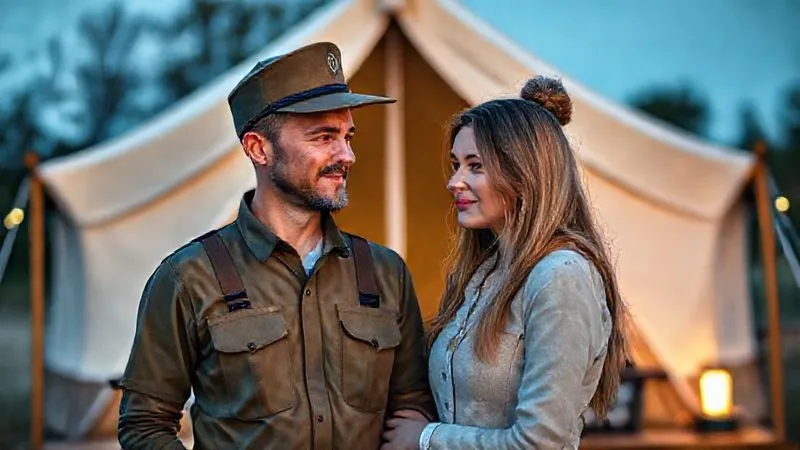
The goal is to demonstrate that while your service model differs from a hotel, your commitment to guest satisfaction is equally high, expressed through a unique glamping lens.
Gathering Feedback and Continuous Improvement
The journey to perfecting guest expectation management is ongoing. Regular feedback collection and analysis are vital for continuous improvement.
Post-Stay Surveys and Reviews
Encourage guests to share their feedback through post-stay surveys and by leaving online reviews. Design your surveys to specifically capture insights related to expectations versus reality. Ask questions like: 'Did your glamping experience meet your expectations? If not, why?' or 'What aspects of our unique glamping service did you appreciate most?'
Monitor online review platforms like Google, TripAdvisor, and specific glamping directories. Pay close attention to any recurring themes related to service expectations. This data is invaluable for identifying areas where your communication might be falling short or where you could enhance a specific glamping amenity.
Implementing Learnings
Don't just collect feedback; act on it. Regularly review guest comments with your team. If multiple guests comment on the lack of a certain item, consider if it's something you can realistically add or if your communication about its absence needs to be clearer. Use this feedback to refine your marketing messages, update your pre-arrival guides, and adjust staff training. For more on effective customer feedback strategies, Forbes provides excellent insights into leveraging customer feedback for business growth.
Branding Your Unique Value: Beyond the "Hotel" Label
Ultimately, the most effective long-term strategy is to build a brand identity so strong and unique that guests inherently understand what they're signing up for. This means moving beyond the implicit comparison to hotels.
Highlighting Nature, Seclusion, and Unique Activities
Shift your branding narrative to emphasize what makes glamping special: the unparalleled access to nature, the unique architectural design of your accommodations, the sense of seclusion, and the immersive activities you offer. Focus on storytelling – what kind of memories will guests create at your site? Is it stargazing from their private deck, exploring local trails, or enjoying a romantic picnic by a stream?
For romantic glamping, highlight the intimacy, the escape from city life, and the opportunity for deep connection. These are experiences that a 5-star hotel, no matter how luxurious, often struggles to replicate.
Cultivating a Community of Like-Minded Guests
By clearly defining your niche and value proposition, you'll naturally attract guests who genuinely seek what you offer. These are the guests who value a crackling fire over central heating, the sound of crickets over city traffic, and a personalized, authentic experience over generic luxury. Foster this community through social media, newsletters, and special return-guest offers. These guests become your biggest advocates, further reinforcing your unique brand identity. Building a distinct brand is paramount for success in the hospitality industry, as highlighted by various experts in Harvard Business Review's articles on branding.
Frequently Asked Questions (FAQ)
Question: How do I manage guests who complain about a lack of room service? Answer: First, apologize empathetically for the inconvenience, acknowledging their expectation. Then, pivot to glamping-appropriate alternatives. Highlight your gourmet meal kits, local restaurant delivery options (if available to your entrance), or the fully equipped kitchenettes/BBQ facilities in their tent. Emphasize the unique joy of preparing a meal together in nature, aligning with the glamping ethos.
Question: What if a guest expects daily linen changes or housekeeping? Answer: Clearly communicate your eco-friendly linen policy in your pre-arrival guide and welcome packet. Explain that mid-stay refreshes or linen changes are available upon request for stays longer than X days, or at an additional charge. Frame it as part of your commitment to sustainability, which often resonates with glamping guests, while still offering the option for those who truly desire it.
Question: Is it possible to charge 5-star prices without 5-star services? Answer: Absolutely, but the '5-star' must be redefined. You're not selling hotel services; you're selling a 5-star *experience* – unparalleled natural beauty, unique design, bespoke amenities, privacy, and exceptional personalized attention that connects guests to the location. The price reflects the exclusivity, design, and immersive quality of the stay, not a traditional hotel service menu.
Question: How do I handle negative online reviews related to service expectations? Answer: Respond promptly, professionally, and publicly (if appropriate). Acknowledge their specific complaint, express regret, and politely reiterate your glamping's unique value proposition and service model. Offer to discuss further offline. For example, 'We're sorry our unique glamping experience didn't align with your expectations for traditional hotel services. We pride ourselves on [X unique glamping feature], and we always aim for transparency in our offerings.'
Question: Should I avoid using the term "luxury" for glamping? Answer: Not necessarily, but use it with context. Instead of just "luxury glamping," describe "secluded luxury glamping with private hot tubs" or "eco-luxury tents designed for romantic escapes." Qualify what 'luxury' means in your specific context – comfort, design, exclusivity, and connection to nature, rather than an extensive menu of on-demand services. This helps manage the expectations of romantic glamping guests who expect 5-star hotel service.
Key Takeaways and Final Thoughts
- Proactive Communication is Paramount: Set clear expectations from the very first touchpoint through transparent marketing and detailed pre-arrival guides.
- Redefine Luxury: Focus on thoughtful, bespoke amenities and personalized touches that enhance the glamping experience, rather than mimicking hotel opulence.
- Empower Your Team: Train staff in anticipatory service and empathetic complaint resolution, equipping them to navigate unique glamping challenges.
- Leverage Technology Wisely: Utilize digital concierges and streamlined communication to provide convenience without over-staffing.
- Master Service Recovery: Turn negative experiences into opportunities for delight through active listening and glamping-appropriate solutions.
- Brand Your Unique Value: Emphasize nature, seclusion, and immersive experiences to attract guests who genuinely appreciate what glamping offers, distinguishing yourself from traditional hotels.
Ultimately, managing the expectations of romantic glamping guests who expect 5-star hotel service isn't about compromising your glamping identity. It's about confidently owning your unique value proposition, communicating it with clarity, and delivering an unforgettable experience that celebrates the very essence of glamping. By embracing these strategies, you won't just meet expectations; you'll redefine them, creating raving fans and a thriving glamping business for years to come.
Recommended Reading
- 7 Steps: Vetting Family Resort Kids Club Staff for Child Safety?
- The Ultimate Secret: How to Pack Snowboard Boots Efficiently for Travel
- 48-Hour City Escape: Reclaim Your Executive Edge from Burnout
- Mastering Ancient Food Research: 7 Steps for Authentic Culinary Tours
- 7 Scenic Train Routes to Heal Executive Burnout: Your Recovery Journey?

Your email address will not be published. Required fields are marked *