


Ensuring Medical Safety on Remote Arctic Expedition Cruises?
For over two decades in the cruise travel industry, specializing in the most remote and challenging destinations, I've witnessed firsthand the allure and the formidable realities of the Arctic. It’s a place of breathtaking beauty and profound isolation, where the nearest hospital can be days away, and rescue efforts are complicated by extreme weather and vast distances. Many travelers, caught up in the excitement of an expedition, often overlook or underestimate the critical importance of medical preparedness.
The problem isn't just about getting sick; it's about what happens when you do. A simple sprained ankle or a sudden bout of appendicitis, manageable in an urban setting, transforms into a serious, potentially life-threatening emergency when you're navigating the Northwest Passage or exploring the fjords of Svalbard. The unique environment amplifies every medical challenge, demanding a level of foresight and planning far beyond a typical vacation.
That's why I've put together this definitive guide. Drawing on my extensive experience, I'll walk you through the essential frameworks and actionable strategies to ensure your medical safety on remote Arctic expedition cruises. We'll cover everything from pre-departure planning and choosing the right operator to understanding onboard medical capabilities and emergency evacuation protocols, giving you the peace of mind to fully immerse yourself in the polar wilderness.
Understanding the Unique Medical Challenges of the Arctic
The Arctic presents a confluence of environmental and logistical factors that significantly elevate medical risks. It's not just colder; it's a completely different ecosystem for human health. As an industry veteran, I’ve seen how quickly minor issues can escalate in these conditions.
Extreme Cold and its Physiological Impact
The most obvious challenge is the cold. Hypothermia and frostbite are ever-present dangers, even with modern gear. Beyond these acute risks, prolonged exposure to cold can exacerbate underlying conditions like cardiovascular or respiratory issues. The body works harder to maintain core temperature, placing strain on vital systems. Moreover, the dry, cold air can irritate airways, making respiratory infections more prevalent and severe. According to a study published by the World Health Organization on health in extreme environments, vigilance against cold-related injuries is paramount.
Geographic Isolation and Limited Resources
Unlike a Caribbean cruise where major hospitals are often a short helicopter ride away, the Arctic offers minimal infrastructure. Medical facilities are scarce, rudimentary, or non-existent for hundreds, sometimes thousands, of miles. This means that any significant medical event requires a well-drilled response from the ship's crew and medical team, often with the primary goal of stabilization until a complex and lengthy evacuation can be arranged.
Unique Wildlife Encounters and Environmental Hazards
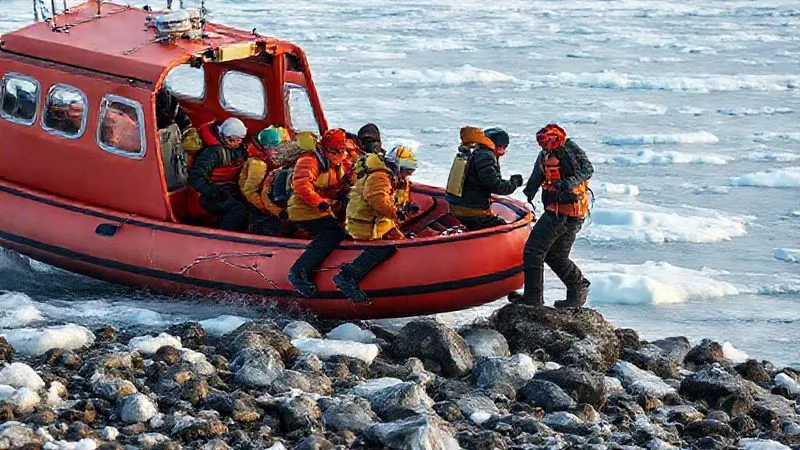
While thrilling, close encounters with wildlife, particularly polar bears, carry inherent risks. Accidents can happen, from falls on icy terrain during Zodiac excursions to injuries sustained during shore landings. The terrain itself can be unforgiving, with hidden crevasses, slippery ice, and unpredictable weather changes making even simple walks challenging. I've heard stories from colleagues about seemingly minor slips leading to serious fractures that then become complex medical challenges due to the remote location.
"In the Arctic, prevention isn't just good practice; it's the bedrock of survival. Every layer of clothing, every careful step, and every pre-trip medical check adds a crucial safety net." - Industry Expert Insight
Pre-Departure Medical Preparedness: Your Personal Responsibility
Before you even think about packing your parka, your medical safety journey begins at home. This is where you, the traveler, hold the most power to mitigate risks.
Comprehensive Medical Check-up and Doctor's Clearance
- Schedule a full physical: Visit your doctor well in advance of your trip – ideally 3-6 months out. Discuss your travel plans, the extreme environment, and the remote nature of the cruise.
- Review existing conditions: Ensure any chronic conditions (diabetes, heart disease, asthma, etc.) are stable and well-managed. Get updated prescriptions and discuss potential challenges in cold or remote settings.
- Dental check-up: A toothache at sea is agonizing. Ensure your dental health is in order to avoid emergencies.
- Vaccinations: Check with your doctor or a travel clinic for recommended vaccinations. While the Arctic doesn't have tropical diseases, standard vaccinations should be up-to-date.
- Obtain a 'Fit to Travel' letter: Many expedition cruise lines require a letter from your physician stating you are medically fit for the rigors of an Arctic expedition. This is non-negotiable for most reputable operators.
Medication Management and Emergency Kit
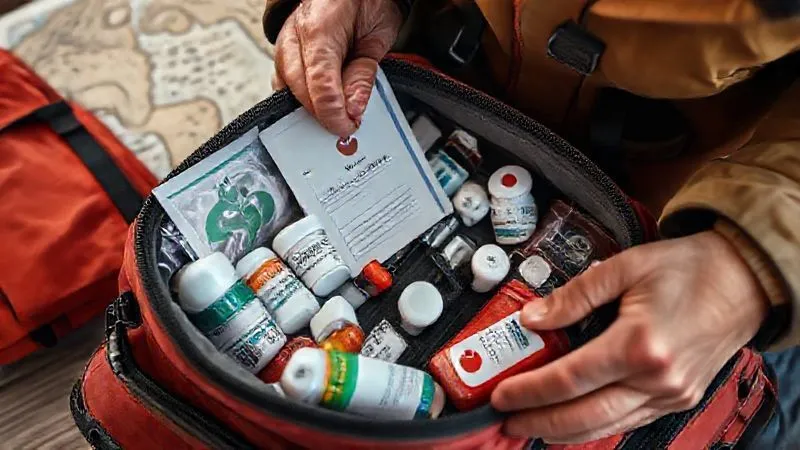
It's not enough to just bring your medications; you need a robust plan. Always pack more than you think you'll need, accounting for potential travel delays. I always advise clients to carry at least a 30-day supply beyond their trip duration.
- Original packaging: Keep all medications in their original, labeled containers. This helps with customs and identification by medical personnel.
- Carry-on only: Never pack essential medications in checked luggage. Keep them in your carry-on, preferably in a waterproof bag.
- Prescription copies: Carry copies of all prescriptions, including generic names, and a letter from your doctor detailing your medical conditions and prescribed medications.
- Personal first-aid kit: Supplement the ship's medical supplies with your own basic kit: pain relievers, antacids, anti-diarrhea medication, motion sickness remedies, blister treatment, and any specific items your doctor recommends.
Choosing the Right Expedition Operator: Medical Infrastructure Matters
Not all expedition cruises are created equal, especially concerning medical safety. This is where my experience truly comes into play; I've learned to scrutinize operators' medical provisions.
Assessing Onboard Medical Facilities and Personnel
A reputable Arctic expedition cruise line will have a dedicated medical team and facility. Don't just assume; ask specific questions:
- Doctor and Nurse Ratio: Is there at least one doctor and one nurse on board? What are their qualifications and experience, particularly in wilderness or remote medicine?
- Medical Bay: What kind of medical bay does the ship have? Is it equipped for minor procedures, diagnostics (e.g., X-ray, lab tests), and emergency stabilization?
- Equipment: Does it include defibrillators, oxygen, IV fluids, basic surgical tools, and a comprehensive pharmacy? A good operator will list these details in their pre-trip information or on their website.
Communication and Emergency Response Capabilities
In the Arctic, reliable communication is a lifeline. Ensure the ship has robust satellite communication systems. This is crucial for consulting with land-based medical experts and coordinating potential evacuations. I've seen situations where communication failures have added hours, even days, to critical response times.
| Medical Aspect | Standard Expedition Cruise | Basic Cruise (non-expedition) |
|---|---|---|
| Medical Staff | 1 Doctor, 1 Nurse (often with remote medicine experience) | Often just a Nurse, Doctor on larger ships only |
| Medical Bay Equipment | Stabilization equipment, basic diagnostics, pharmacy, minor surgery capability | Basic first aid, limited pharmacy |
| Evacuation Capability | Pre-planned protocols, satellite comms, often helicopter landing pad (or Zodiac transfer for medevac) | Relies on external services, less integrated planning |
| Pre-trip Medical Screening | Mandatory 'Fit to Travel' forms, health questionnaires | Often self-declaration or less stringent |
Onboard Medical Facilities and Personnel: Beyond Basic First Aid
Once onboard, understanding the capabilities of your ship's medical team and facilities is crucial. It’s comforting to know that in my experience, the medical professionals on expedition cruises are often highly skilled and dedicated.
The Role of the Expedition Doctor and Nurse
These aren't just general practitioners. Expedition doctors and nurses are typically experienced in emergency medicine, remote care, and often have a keen understanding of the unique challenges of polar environments. They are responsible for routine consultations, managing chronic conditions, treating injuries, and, most critically, stabilizing passengers in serious emergencies until further evacuation is possible. They are your first, and often only, line of defense.
Advanced Medical Equipment and Pharmacy
Modern expedition ships are equipped with surprisingly comprehensive medical bays. This often includes:
- Diagnostic tools: Basic lab tests, ECG machines, and sometimes even portable X-ray units.
- Emergency equipment: Defibrillators, oxygen, ventilators, and resuscitation equipment.
- Pharmacy: A wide range of prescription and over-the-counter medications, including antibiotics, pain relievers, anti-inflammatories, and specific drugs for common travel ailments.
- Minor surgical capability: For suturing wounds, setting simple fractures, and other immediate interventions.
It’s important to remember that while comprehensive, these facilities are designed for stabilization, not long-term care or complex surgeries. The goal is always to manage the situation until the patient can be transferred to a land-based hospital.
Emergency Response Protocols: What Happens When Things Go Wrong
Despite all precautions, emergencies can happen. Understanding the ship's emergency response protocols provides a vital layer of reassurance. I’ve seen these protocols activated, and a well-drilled team makes all the difference.
Onboard Emergency Procedures
Every reputable expedition ship has clear, established procedures for medical emergencies. This includes:
- Initial Assessment: The medical team is immediately alerted and assesses the patient's condition.
- Stabilization: Efforts focus on stabilizing the patient, managing pain, and providing necessary life support.
- Consultation: The ship's doctor will often consult with a land-based medical specialist via satellite communication to determine the best course of action.
- Communication with Authorities: The captain, in conjunction with the medical team, will communicate with relevant maritime rescue coordination centers (MRCCs) and local authorities.
Coordination for Medical Evacuation (Medevac)
Medevacs in the Arctic are complex, costly, and time-consuming. They typically involve:
- Assessment of Severity: Is the condition life-threatening? Can it be managed onboard?
- Logistical Planning: Determining the nearest suitable medical facility, assessing weather conditions, and identifying available transport (helicopter, icebreaker, fixed-wing aircraft).
- Timing is Critical: Arctic weather can change rapidly, often delaying or preventing immediate evacuation. This is why stabilization capabilities onboard are so vital.
- Cost: Medevacs can run into hundreds of thousands of dollars. This underscores the absolute necessity of comprehensive travel insurance.
Case Study: How The Aurora Explorer Handled a Critical Incident
Case Study: The Aurora Explorer's Swift Response to a Cardiac Event
During a recent Arctic expedition, a passenger aboard the Aurora Explorer, a mid-sized expedition vessel, experienced a sudden cardiac event while the ship was navigating a remote fjord in Greenland. The onboard medical team, consisting of an experienced emergency physician and two nurses, was immediately alerted. Within minutes, the patient was in the ship's medical bay, where an ECG confirmed a heart attack. The doctor initiated stabilization protocols, administering medication and providing oxygen.
Simultaneously, the captain and bridge crew established satellite communication with a specialized medical support service on land. After a detailed consultation, it was determined that immediate evacuation to a major hospital was necessary. Despite challenging weather conditions, the ship's crew, utilizing their pre-drilled emergency protocols, coordinated with the nearest MRCC. A medevac helicopter, dispatched from a military base several hours away, was able to reach the ship's helipad. The patient was successfully transferred and airlifted to a hospital in Iceland, where they made a full recovery. This incident highlights the critical importance of a highly trained onboard medical team, robust communication systems, and integrated emergency response planning, even in the most remote corners of the world.
Managing Chronic Conditions and Medications in Extreme Environments
For those with pre-existing health conditions, an Arctic expedition requires meticulous planning and communication. As your mentor in this space, I cannot stress this enough: transparency with your cruise line and medical team is key.
Pre-Trip Consultation and Disclosure
Before booking, fully disclose any chronic conditions to the cruise line. This isn't about discrimination; it's about ensuring your safety. They may require additional medical forms or consultations to assess your suitability for the trip. It's far better to address potential issues proactively than to face a crisis at sea.
Adapting Medication Regimens to Travel and Cold
Discuss with your doctor how your medications might be affected by changes in routine, diet, sleep patterns, and the cold environment. For example, insulin requirements for diabetics might fluctuate with activity levels and meal times. Asthmatics might find their condition triggered by the cold, dry air, necessitating extra inhalers.
Actionable Steps for Medication Management:
- Double your supply: Always carry at least double the amount of essential medication you think you'll need for the duration of the trip, in case of delays or loss.
- Split your stash: Divide your medication between your carry-on and a travel companion's bag (if applicable) to safeguard against a single point of failure.
- Temperature control: Be mindful of medications that require refrigeration. Discuss storage options with your cruise line in advance.
- Medical ID: Wear a medical ID bracelet or necklace if you have a significant condition (e.g., severe allergies, diabetes).

The Role of Comprehensive Travel Insurance and Evacuation Plans
This is not an optional extra for an Arctic expedition; it is an absolute necessity. I've seen the devastating financial impact on individuals who skimped on this vital protection.
Why Standard Travel Insurance Isn't Enough
Many basic travel insurance policies do not adequately cover the extreme costs associated with medical emergencies and evacuations from remote polar regions. You need a specialized policy that explicitly covers:
- Emergency Medical Evacuation: This is the big one. Ensure it covers transport from the ship, potentially by helicopter or specialized aircraft, to the nearest appropriate medical facility, and then repatriation to your home country if needed. This can easily cost hundreds of thousands of dollars.
- Medical Expenses: Coverage for treatment in foreign hospitals, doctor's fees, and prescribed medications.
- Trip Interruption/Cancellation: If you have to cancel or cut short your trip due to a medical emergency.
- Pre-existing Conditions: Crucially, ensure your policy covers any pre-existing medical conditions. This often requires full disclosure and sometimes an additional premium.
Always read the fine print. According to a report by Forbes Advisor on travel insurance, specialized adventure policies are often required for such trips.
Understanding Policy Limits and Exclusions
Pay close attention to the monetary limits for medical evacuation and emergency medical treatment. For an Arctic cruise, I generally recommend a minimum of $500,000 to $1,000,000 in medical evacuation coverage. Also, be aware of any exclusions, such as those related to certain high-risk activities (though most reputable expedition cruises will be covered if medically necessary).
"If you can afford an Arctic expedition, you absolutely cannot afford to skimp on comprehensive travel and medical evacuation insurance. It's not an expense; it's an investment in your safety and financial well-being." - Industry Expert Insight
Staying Healthy Aboard: Proactive Measures for Arctic Cruisers
While the ship's medical team is there for emergencies, your proactive efforts in maintaining your health are incredibly important for a smooth and safe journey.
Preventing Common Ailments
- Hydration: The dry, cold air can lead to dehydration. Drink plenty of water, even if you don't feel thirsty.
- Hand Hygiene: Wash hands frequently to prevent the spread of respiratory and gastrointestinal illnesses, which can spread quickly in confined spaces.
- Layering: Dress in multiple layers to regulate your body temperature effectively and prevent hypothermia or overheating during shore excursions.
- Rest: Ensure you get adequate sleep. Travel and excitement can be exhausting, weakening your immune system.
- Motion Sickness: If prone, bring remedies. The Arctic seas can be calm, but also notoriously rough in certain areas.
Mindful Activity and Injury Prevention
Expedition cruises involve a degree of physical activity, from Zodiac rides to shore landings on uneven terrain. Be realistic about your physical capabilities. I've seen too many eager travelers push themselves beyond their limits, leading to avoidable injuries.
- Listen to your guides: Expedition staff are experts in navigating the terrain safely. Follow their instructions implicitly during shore excursions.
- Wear appropriate footwear: Sturdy, waterproof boots with good grip are essential for walking on wet, icy, or uneven surfaces.
- Use handrails: When moving around the ship, especially in rough seas, always use handrails.
- Pace yourself: Don't feel pressured to participate in every activity. Listen to your body and take breaks when needed.
Frequently Asked Questions (FAQ)
What if I get a severe allergic reaction while in a remote Arctic area? Expedition ships are equipped to handle severe allergic reactions, including anaphylaxis. The medical bay will have epinephrine (EpiPens), antihistamines, and other necessary medications. If you have known severe allergies, you must carry your own EpiPen and inform the medical staff and expedition leader immediately upon boarding. In extreme cases, stabilization would be followed by an attempt at medical evacuation, as detailed in the ship's emergency protocols.
Are there any specific health risks unique to the Arctic that I should be aware of? Beyond general cold-related injuries like hypothermia and frostbite, the Arctic environment can exacerbate respiratory conditions due to the dry, cold air. Sunburn is also a risk due to reflection off ice and snow, especially in spring and summer. Psychological impacts of prolonged daylight or darkness, while less common on short cruises, can also affect some individuals. Always discuss these with your doctor.
How does communication work for medical emergencies when the ship is far from land? Modern expedition ships are equipped with robust satellite communication systems (e.g., Inmarsat, Starlink). These systems allow the onboard medical team to communicate directly with land-based medical specialists for consultation and to coordinate with maritime rescue coordination centers (MRCCs) and other authorities for potential medical evacuations. While not instantaneous like a cell phone call, these systems provide reliable, albeit sometimes slower, connectivity.
What is the typical cost of a medical evacuation from the remote Arctic, and who pays for it? The cost of a medical evacuation from the remote Arctic can range from tens of thousands to well over a million dollars, depending on the location, the type of transport required (helicopter, specialized aircraft), and the complexity of the operation. This cost is almost always borne by the individual passenger, which is why comprehensive travel insurance with explicit, high-limit medical evacuation coverage is absolutely non-negotiable for these trips. The cruise line will facilitate the evacuation but will not cover the costs.
Can I bring my own oxygen concentrator or other medical equipment onboard? Most expedition cruise lines allow passengers to bring essential medical equipment like oxygen concentrators, CPAP machines, or wheelchairs, provided they are declared in advance and meet specific safety requirements (e.g., battery-operated devices must comply with maritime safety regulations). You must inform the cruise line well in advance of your trip and provide documentation from your doctor. Some ships may have limited power outlets or space, so prior arrangement is crucial.
Key Takeaways and Final Thoughts
- Prioritize Pre-Departure Planning: Your medical safety journey begins months before you embark, with thorough medical check-ups and transparent communication with your doctor and cruise line.
- Choose Your Operator Wisely: Scrutinize the medical facilities, personnel, and emergency protocols of expedition cruise lines. Not all are created equal.
- Comprehensive Insurance is Non-Negotiable: Invest in a specialized travel insurance policy with robust medical evacuation coverage. It's your financial and logistical safety net.
- Proactive Health Management: Stay hydrated, practice good hygiene, dress appropriately, and be mindful of your physical limits to prevent common ailments and injuries.
- Understand Onboard Capabilities: Familiarize yourself with the ship's medical team and facilities, knowing they are there for stabilization, not long-term care.
Embarking on an Arctic expedition is an extraordinary privilege, offering unparalleled opportunities to connect with one of Earth's last true wildernesses. By meticulously planning for your medical safety, you're not just protecting yourself; you're ensuring that your focus can remain squarely on the awe-inspiring landscapes and wildlife around you. Travel smart, travel prepared, and embrace the wonder of the Arctic with confidence and peace of mind. I've seen countless incredible journeys, and the safest ones are always the most memorable.
Recommended Reading
- 7 Proven Strategies: Optimize Your Multi-Stop Road Trip for Unforgettable Value
- Unlock Cheap Train Travel: How to Journey Without a Rail Pass!
- How Do Ski Resorts Adapt to Declining Snowfall? 7 Innovative Strategies
- Cruise Entertainment ROI: Justify Your Budget with 7 Key Metrics
- 7 Ways to Prevent Volunteer Travel's Local Harm & Boost Impact





Your email address will not be published. Required fields are marked *