


How to Vet Truly Private Beaches for Luxury Travel Clients?
For over two decades in the luxury travel sector, I've observed a critical misconception that often leads to client dissatisfaction: the vague promise of a 'private beach.' Many destinations advertise 'private access' when, in reality, they offer little more than a semi-secluded stretch accessible to numerous guests or even the public.
The pain point for luxury travel advisors is palpable. Your discerning clients expect genuine, uncompromised seclusion—a sanctuary where privacy is paramount. Failing to deliver on this promise not only tarnishes their vacation experience but can severely impact your professional reputation and future referrals.
In this definitive guide, I will share my proprietary framework and seasoned insights on how to vet truly private beaches for luxury travel clients. You'll learn actionable criteria, advanced due diligence techniques, and communication strategies to ensure your clients experience the unparalleled exclusivity they deserve.
Understanding the Nuances of "Private" in Beach Travel
The term 'private beach' is often a marketing catch-all, ripe for misinterpretation. As an expert, I've learned that what constitutes 'private' can vary wildly, from a truly inaccessible cove to a bustling resort beach with a designated 'private' section for hotel guests.
Defining True Seclusion vs. Exclusive Access
True seclusion implies a beach that is genuinely isolated, with limited to no public access, often requiring specific permissions or private land ownership to visit. Exclusive access, while offering a degree of privacy from the general public, typically means the beach is shared among a select group, such as guests of a high-end resort or private community.
The critical distinction lies in control: who has it, and how is it exercised? True privacy means you, or your client, dictate who can be there. Exclusive access means the property owner dictates it.
- True Seclusion: Often found on private islands, remote estates, or through exclusive charter arrangements to untouched coves. The number of people encountered is minimal, if any.
- Exclusive Access: Common in luxury resorts. While not open to the general public, it's shared among all resort guests, which could still number in the hundreds.
- Semi-Private: A stretch of beach that might be difficult to access but isn't legally restricted, meaning determined locals or other visitors could still arrive.
The Seven Pillars of Vetting: My Proprietary Framework
Over the years, I've developed a robust, seven-pillar framework designed to meticulously evaluate beach properties for genuine privacy. This goes far beyond glossy brochures, diving deep into the operational and legal realities of a location.
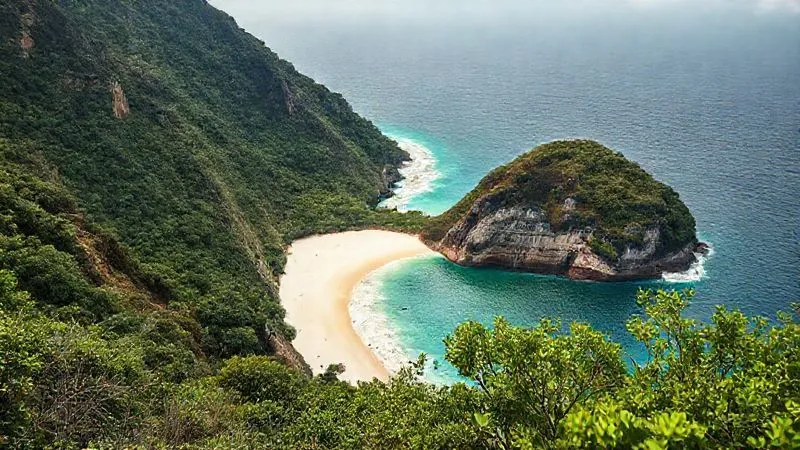
Pillar 1: Geographic Isolation and Accessibility Controls
The first and most fundamental indicator of a truly private beach is its geographic isolation. How difficult is it to get there? Are there natural barriers that deter casual visitors?
- Land Access: Evaluate the surrounding terrain. Is it rugged, mountainous, or densely forested? Are there private roads with secure checkpoints? A beach accessible via a public road, even a long one, is inherently less private.
- Sea Access: Consider the marine environment. Are there strong currents, shallow reefs, or long distances from public marinas? While boats can access almost anywhere, natural deterrents limit casual visitors.
A truly private beach often feels like it's at the edge of the world, accessible only by specific, pre-arranged means. This physical barrier is your first line of defense against unwanted intrusion.
Pillar 2: Ownership and Usage Rights Verification
Understanding the legal framework behind beach ownership is paramount. Many countries have laws that dictate public access to shorelines, regardless of adjacent private land ownership. This is where many 'private' claims fall apart.
- Verify Land Deeds: Request and review official property deeds. Do they explicitly include the beach area, or only the land up to the high-water mark?
- Consult Local Regulations: Research local and national laws regarding beach access. Some jurisdictions guarantee public access up to a certain point from the water, even if the adjacent land is private. Understanding beach access laws is crucial.
- Clarify Easements and Rights of Way: Are there any historical or legal easements that grant public or communal access across the property or to the beach itself?
I've seen situations where a developer claimed a private beach, only for a local fishing community to have a historical right of way. Due diligence here is non-negotiable.
Pillar 3: On-Site Infrastructure and Service Discretion
Even if a beach is geographically isolated and legally private, the way a property manages its on-site presence can impact perceived privacy. For luxury clients, discretion is key.
- Staff Training: Are staff trained in the art of discreet service? Do they understand the importance of maintaining guest privacy, avoiding unnecessary intrusions, and managing interactions with utmost professionalism?
- Hidden Amenities: Are beach amenities (loungers, service points, watersports equipment) designed to blend seamlessly with the environment, rather than being overtly visible? The goal is functionality without visual clutter.
- Service Call Systems: Does the property utilize subtle call systems (e.g., discreet pagers, app-based requests) rather than overt flags or frequent staff patrols that could disrupt the tranquility?
A truly private experience means service anticipates needs without being obtrusive. It's about being present when required, and invisible otherwise.
Pillar 4: Environmental Impact and Preservation Status
For many luxury clients, true privacy is intertwined with pristine natural beauty. A beach that shows signs of human degradation or over-tourism, even if technically private, won't meet their expectations. This pillar focuses on the ecological integrity of the location.
- Ecological Surveys: Inquire about recent environmental impact assessments or ecological surveys. This demonstrates a commitment to preservation.
- Conservation Efforts: Does the property actively engage in conservation efforts, such as marine protected areas, turtle nesting site protection, or coral reef restoration? Ocean conservation initiatives often indicate a higher standard of care.
- Waste Management: Investigate the waste management practices. Is there a robust system for recycling, composting, and responsible disposal, especially given the remote nature of truly private locations?
A pristine environment is not just a backdrop; it's a core component of the luxury seclusion experience. A beach that's truly private is often one that is also meticulously preserved.
Pillar 5: Security Protocols and Privacy Measures
Beyond physical isolation, robust security protocols are essential. Privacy for luxury clients extends to their personal safety and the confidentiality of their stay. This is especially true for high-net-worth individuals.
- Perimeter Security: How is the perimeter of the property and beach secured? This could involve natural barriers, discreet fencing, or advanced surveillance technology that is monitored remotely.
- Access Control: Are there strict access controls for all entry points, including land, sea, and even air (if helicopter access is an option)? Who is authorized to enter, and how are these authorizations verified?
- Guest Screening: For properties offering ultra-exclusive experiences, some level of guest screening (e.g., non-disclosure agreements, background checks for staff) might be in place to ensure a truly private and secure environment.
In my experience, a truly private beach means the client can relax knowing their presence is not just unobserved by the public, but actively protected by comprehensive, yet unobtrusive, security measures. It's about peace of mind.
Pillar 6: Local Community Engagement and Respect
This pillar often gets overlooked, but it's crucial for the long-term viability and ethical standing of a 'private' beach. A property that operates in isolation from or detriment to the local community can lead to unforeseen issues, including local resentment, protests, or even security risks.
- Community Relations: How does the property engage with nearby communities? Are there initiatives for local employment, education, or infrastructure development?
- Cultural Sensitivity: Is the property respectful of local customs, traditions, and historical land uses? Any signs of disrespect can lead to tension.
- Sustainable Practices: Beyond environmental, does the property's operation contribute positively to the local economy without displacing traditional livelihoods or exploiting resources?
A harmonious relationship with the local community ensures that the property can operate smoothly and maintain its desired level of privacy without external pressures.
Pillar 7: Client Experience Feedback & Predictive Analysis
The final pillar is about learning from the past and anticipating the future. No amount of pre-vetting can replace real-world experience and the ability to adapt.
- Post-Stay Feedback Loop: Implement a rigorous system for collecting feedback from clients specifically on their perception of privacy and seclusion. What worked? What didn't?
- Competitor Analysis: Regularly assess how other luxury properties are defining and delivering 'private' beach experiences. What innovations are they introducing?
- Predictive Risk Assessment: Based on historical data, local developments, and emerging trends, can you predict potential future challenges to a beach's privacy (e.g., new infrastructure projects, changes in public access laws)?
This continuous learning ensures that your vetting process remains dynamic and responsive, consistently delivering the highest standard of seclusion.
| Vetting Criteria | Key Indicators | Risk Level (1-5) |
|---|---|---|
| Geographic Isolation | Natural barriers, private access roads | 1 (Low) |
| Ownership & Usage Rights | Deeds, local laws, easements | 5 (High) |
| On-Site Discretion | Staff training, hidden amenities | 2 (Low) |
| Environmental Status | Conservation efforts, waste management | 2 (Low) |
| Security Protocols | Perimeter, access control, screening | 3 (Medium) |
| Community Engagement | Local relations, ethical practices | 3 (Medium) |
| Client Feedback & Analysis | Post-stay surveys, trend analysis | 1 (Low) |
Deep Dive: Due Diligence Beyond the Brochure
Relying solely on property marketing materials is a rookie mistake. True vetting requires going beyond what's presented and actively seeking out independent verification. This is where your expertise truly shines.
Leveraging Local Networks and On-the-Ground Intelligence
In my two decades of experience, nothing beats local knowledge. Building relationships with trusted contacts on the ground—local concierges, reputable fixers, even seasoned boat captains—provides invaluable insights that no website can offer.
- Local Operators: Engage with local tour operators or charter companies. They often know the true accessibility and typical visitor patterns of various beaches.
- Property Staff Interviews: Conduct in-depth interviews with property managers and long-term staff. Ask specific, probing questions about visitor flow, historical issues, and how they handle unexpected intrusions.
- Unannounced Visits: If feasible, an unannounced visit (or having a trusted proxy do so) can reveal the true operational reality versus the polished presentation.
The Power of Satellite Imagery and Topographical Analysis
Before ever stepping foot on a property, modern technology allows for incredible pre-vetting. Satellite imagery and topographical maps are your secret weapons for understanding the physical landscape.
- Google Earth Pro: Utilize its historical imagery feature to see how a beach and its surroundings have changed over time. Has new development occurred nearby? Are there signs of increased traffic?
- Topographical Maps: Study elevation changes, natural barriers, and potential access points. A steep cliff face or dense mangrove forest visible on a map is a strong indicator of natural seclusion.
- Marine Charts: For sea access, marine charts can reveal water depths, reef locations, and proximity to shipping lanes or public boating areas, helping you assess sea-based intrusion risks. Google Earth is an excellent starting point for this analysis.
This remote analysis allows you to flag potential issues early and focus your deeper inquiries on specific areas of concern.
Case Study: Ensuring Ultimate Seclusion for the Discerning CEO
I recall a particularly challenging request from a tech CEO client. They needed a beach location for a critical, highly confidential strategy retreat. Absolute privacy was non-negotiable, not just from the public, but from any potential corporate espionage.
The Challenge: A High-Stakes Seclusion Requirement
The client had previously booked a 'private island' that turned out to be accessible by a public ferry, leading to an uncomfortable encounter. My task was to find a location that truly guaranteed no external contact.
My Vetting Process in Action
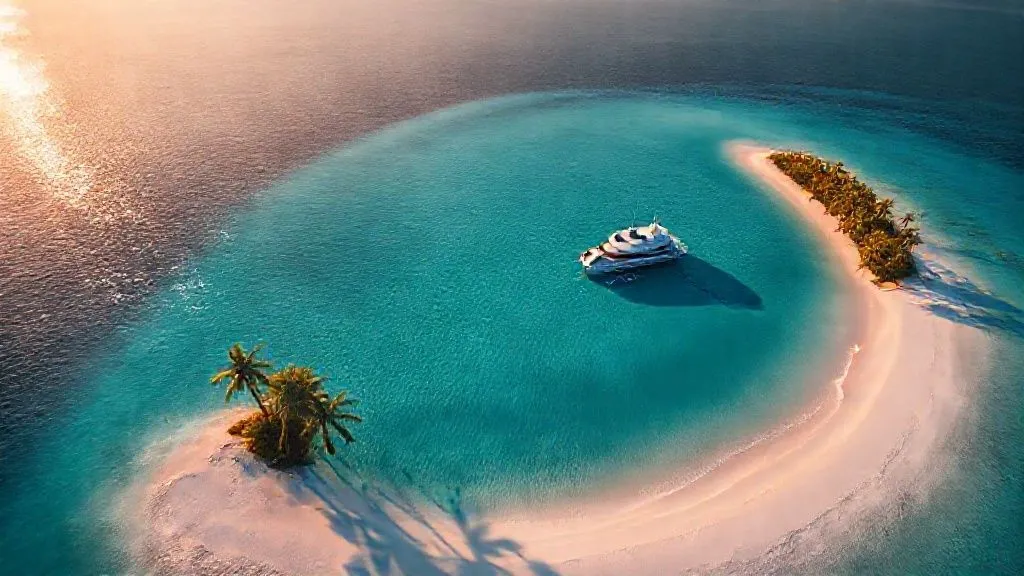
- Geographic Isolation: I identified a small, uninhabited island accessible only by private helicopter or a long, treacherous boat journey through protected waters. The nearest public access point was over 50 miles away.
- Ownership Verification: I worked with local legal counsel to confirm the island was fully privately owned, with no public easements or traditional fishing rights impacting the specific beach area designated for the retreat.
- Security Protocols: I personally vetted the security team, ensuring they had experience with high-profile clients and could establish a secure perimeter, including drone surveillance of the surrounding waters and air space.
- Discreet Service: All staff underwent rigorous background checks and signed NDAs. They were trained to operate with minimal visibility, anticipating needs rather than being present on the beach itself.
The result was a flawlessly executed retreat where the CEO and their team enjoyed uninterrupted focus and unparalleled privacy. The client later praised the 'invisible shield' of security and service, a testament to meticulous vetting.
Common Pitfalls and How to Avoid Them
Even seasoned travel advisors can fall victim to common traps when vetting 'private' beaches. Awareness is your best defense.
- Relying Solely on Marketing Materials: Brochures and websites are designed to sell a dream, not necessarily reflect the full reality. Always seek independent verification.
- Assuming International Standards: 'Private property' laws vary drastically by country. What's considered private in one nation might be public in another. Never assume.
- Overlooking Local Customs: Ignoring local community dynamics or traditional rights can lead to unexpected and unpleasant intrusions, even on legally private land.
- Vague Contractual Language: Ensure your contracts with properties explicitly define 'privacy' and 'seclusion' in measurable terms, with clear clauses for recourse if these standards are not met.
The biggest pitfall is complacency. True privacy for luxury clients demands constant vigilance and a proactive, skeptical approach to every claim.
Building Trust: Communicating Seclusion Guarantees to Clients
Once you've done your exhaustive due diligence, the next step is to transparently and confidently communicate your findings to your clients. This builds immense trust and manages expectations effectively.
- Present a Vetting Summary: Don't just tell them it's private; show them. Create a concise summary of your vetting process, highlighting the key criteria met and any potential, albeit minimal, risks addressed.
- Use Visual Evidence: Share satellite images, maps, and even discreet photos (if permissible) that illustrate the beach's isolation and the property's privacy measures.
- Set Realistic Expectations: While aiming for 100% seclusion, acknowledge that absolute isolation from all human presence is rare. Frame it as 'unparalleled' or 'guaranteed' privacy from public intrusion, rather than absolute solitude.
- Outline Contingency Plans: Discuss what measures are in place should an unexpected intrusion occur (e.g., security response, alternative arrangements). This demonstrates preparedness.
| Communication Aspect | Strategy | Client Benefit |
|---|---|---|
| Transparency | Share vetting summary, discuss local laws | Informed decision-making |
| Evidence-Based | Utilize satellite imagery, property policies | Confidence in claims |
| Expectation Management | Define 'privacy' clearly, outline potential scenarios | Reduced disappointment |
| Preparedness | Detail contingency plans, security measures | Peace of mind |
The Future of Luxury Beach Seclusion: Trends and Innovations
As the demand for true privacy intensifies, the luxury travel industry is evolving. Staying ahead of these trends is crucial for maintaining your expert status when vetting truly private beaches.
- Micro-Islands and Private Cays: The acquisition and development of smaller, more manageable private land parcels are on the rise, offering even greater control over the environment.
- Advanced Drone Surveillance: Expect more sophisticated, discreet drone technology for perimeter security and marine monitoring, enhancing privacy without visible intrusions.
- Hyper-Personalized Service: AI-driven guest preferences will allow for even more anticipatory and 'invisible' service, further enhancing the feeling of exclusive solitude.
- Conservation-Focused Developments: Properties that integrate deep ecological preservation into their core offering will appeal to the growing segment of luxury clients who seek sustainable, untouched havens.

Frequently Asked Questions (FAQ)
How do public access laws affect 'private' beaches, and how can I navigate them? Public access laws vary significantly by country and even by region. Many jurisdictions guarantee public access to the 'wet sand' area up to the high-water mark, regardless of adjacent private land ownership. To navigate this, you must consult local legal counsel or official government tourism bodies to understand the specific regulations for your chosen destination. My approach involves seeking properties where the high-water mark is either naturally inaccessible (e.g., cliff-backed beaches) or where the property owns significant offshore rights, effectively creating a private buffer zone.
What's the role of technology (e.g., drones, AI) in vetting and maintaining privacy? Technology is rapidly becoming indispensable. Drones, for instance, can provide aerial views for initial vetting, revealing hidden access points or nearby developments that aren't apparent from ground level. Post-booking, discreet drone surveillance can enhance perimeter security. AI can analyze vast amounts of data—from weather patterns to local events—to predict potential privacy risks. For service, AI-driven personalization can anticipate client needs, allowing staff to be even more unobtrusive, further enhancing the sense of private luxury.
Can a 'private' beach ever be 100% guaranteed private from all human presence? Achieving 100% absolute guarantee from all human presence is exceptionally rare, as natural elements (e.g., passing marine life, distant ships) are beyond control. However, a truly private beach, when properly vetted, can guarantee absolute privacy from public intrusion and unwanted human interaction. The goal is to create a controlled environment where any external presence is either prevented, managed, or extremely rare and distant, ensuring the client's experience of seclusion remains uncompromised.
How do I handle unexpected intrusions on a supposedly private beach? Despite meticulous vetting, unexpected intrusions can occur. The key is pre-planning. Ensure the property has clear, immediate protocols for handling such situations, including trained security personnel who can discreetly and professionally manage the situation. This might involve politely escorting intruders away, or, in more serious cases, involving local authorities. It's crucial that the property's response is swift and does not escalate the situation, minimizing disruption to your client's experience.
What's the best way to present vetting findings to clients without overwhelming them? The best approach is a concise, high-level summary followed by the option for deeper dives. Start with a confident statement of assurance, then present a 'Privacy Guarantee' document that highlights the key pillars of your vetting and the measures in place. Use visuals like annotated maps or satellite images to illustrate seclusion. Offer to walk them through the detailed due diligence if they desire, but respect their time by providing the distilled, actionable reassurance first.
Key Takeaways and Final Thoughts
- Don't Trust, Verify: Never take 'private beach' claims at face value. Conduct rigorous, independent due diligence.
- Implement the Seven Pillars: Use my framework of Geographic Isolation, Ownership, On-Site Discretion, Environmental Status, Security, Community Engagement, and Feedback for comprehensive vetting.
- Leverage Local & Tech: Combine on-the-ground intelligence with satellite imagery for a holistic view.
- Communicate with Confidence: Transparently share your vetting process and privacy guarantees with clients to build unparalleled trust.
- Stay Ahead of Trends: The landscape of luxury seclusion is evolving; continuously update your knowledge and methods.
Vetting truly private beaches for luxury travel clients is more than a task; it's an art form that demands expertise, diligence, and a commitment to unparalleled service. By adopting this rigorous approach, you're not just booking a trip; you're curating an experience of profound tranquility and exclusivity. Your clients trust you to deliver sanctuaries, not just destinations. Embrace this responsibility, and you'll solidify your reputation as an indispensable expert in the world of luxury travel.
Recommended Reading
- 5 Steps: How to Recover from a Luxury Safari Client's Negative Experience
- 7 Strategies: Transform Obscure Railway Museums for Luxury Sales
- Ultimate Guide: Best Winter Sports Photography Settings
- 7 Smart Strategies: How to Avoid Budget Overruns on European Business Train Trips?
- 8 Expert Strategies: Minimizing Luxury Safari Tent Wear in Harsh Climates



Your email address will not be published. Required fields are marked *