

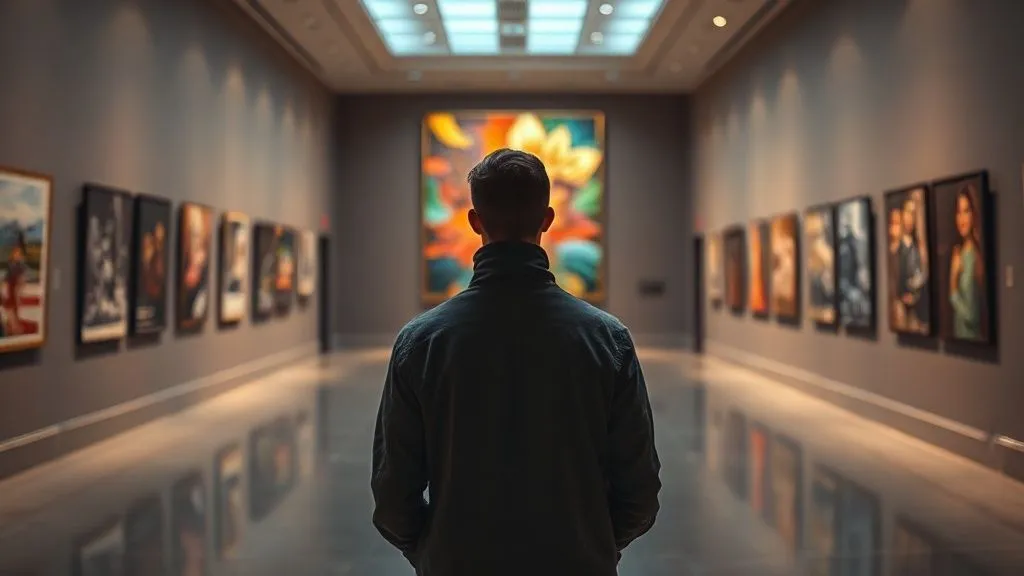
Maximizing Unique Art Gallery Impact on Limited Time City Breaks?
For over two decades in the travel industry, specializing in immersive city breaks, I've observed a common pitfall among even the most enthusiastic art lovers: the frantic dash through galleries, ticking off names from a list, only to leave feeling more exhausted than enriched. It's a phenomenon I've come to call 'art gallery burnout,' where the sheer volume of cultural offerings in a vibrant city overwhelms the limited time and energy of a short visit.
The problem is palpable: you land in a new city with a mental checklist of must-see exhibitions and prestigious institutions, but the reality of travel time, queues, and the sheer scale of these cultural behemoths quickly sets in. You want to discover those truly unique, impactful pieces and spaces, not just the famous ones, but how do you do that effectively when your clock is constantly ticking? The fear of missing out (FOMO) often leads to superficial engagement, leaving you with blurred memories and a lingering sense of unfulfillment.
This article isn't just another list of 'top galleries.' Instead, I'm going to share the strategic frameworks and insider methodologies I've developed over years of guiding travelers, designed specifically for maximizing unique art gallery impact on limited time city breaks. You'll learn how to move beyond the superficial, cultivate genuine engagement, and create lasting, meaningful art experiences, even when time is your most precious commodity.
The Pre-Trip Deep Dive: Strategic Research, Not Just Browsing
In my experience, the most impactful art experiences on a city break begin long before you even pack your suitcase. It's about moving past generic travel guides and embracing a targeted, strategic research approach. This isn't just browsing; it's an archaeological dig for artistic gold.
Beyond the Blockbusters: Unearthing Hidden Gems
While the Louvre or the Rijksmuseum are undeniably magnificent, they often consume an entire day – or more – leaving little room for discovery. To truly maximize impact on a limited timeline, you need to seek out the lesser-known, the avant-garde, the hyper-local. I've seen countless travelers overlook incredible, intimate experiences in favor of crowded, grand halls, simply because they didn't know where else to look.
"True discovery in art travel isn't about seeing what everyone else sees; it's about finding the narratives that resonate uniquely with you, often hidden in plain sight or off the beaten path."
Here’s how I recommend you start your quest:
- Local Art Blogs & Independent Publications: These are goldmines. Search for terms like "[City Name] independent art galleries," "[City Name] emerging artists," or "alternative art spaces [City Name]." These platforms often highlight pop-up exhibitions, artist studios, and smaller, highly curated collections that offer a distinct flavor of the local art scene.
- University Art Departments & Cultural Institutes: Many universities in major cities have public galleries or host exhibitions that are often free or low-cost. They showcase experimental work and offer fresh perspectives. Cultural institutes (e.g., Goethe-Institut, Institut Français) also frequently host art events relevant to their respective cultures.
- Niche Art Directories & Apps: Beyond Google Maps, look for specialized art apps or websites that list galleries by neighborhood or artistic focus. These often have filters for contemporary, street art, photography, etc., helping you narrow down your search efficiently.
- Social Media Deep Dives: Follow local art influencers, galleries, and art critics on platforms like Instagram. Their feeds can offer real-time insights into current exhibitions, private views, and hidden spots.
Curating Your Personal Art Narrative
With so many options, how do you choose? This is where you become your own curator. Don't just pick galleries; pick experiences that tell a story, your story. I always advise my clients to define their artistic interests first. Are you passionate about modern sculpture, Renaissance portraits, street art, or photography? This focus acts as a powerful filter.
Consider these criteria for building your shortlist:
- Medium & Era: Do you have a preference for painting, sculpture, digital art, or perhaps a specific historical period?
- Theme or Message: Are there particular social, political, or philosophical themes that deeply interest you?
- Artist Connection: Is there a particular artist or movement you've always wanted to explore in more depth?
- Uniqueness Factor: Does the gallery offer something truly distinct – perhaps a private collection, an unusual setting, or interactive exhibits?
Once you have a clearer idea of your interests, follow these steps to refine your selection:
- Identify 3-5 Core Interests: For example, "19th-century Impressionism," "contemporary street art," and "experimental photography."
- Map Potential Galleries: Using your research, pinpoint galleries that align with these interests. Don't worry about proximity yet.
- Prioritize by "Impact Potential": Which galleries seem to offer the most profound or unique experience based on reviews, exhibition descriptions, and visuals? Focus on quality over quantity.
- Create a "Tiered List": Designate 2-3 "Tier 1" (absolute must-sees), 3-4 "Tier 2" (strong contenders), and a few "Tier 3" (if time allows) options.
Time-Blocking Mastery: Crafting an Efficient Art Itinerary
Once you have your curated shortlist, the next critical step for maximizing unique art gallery impact on limited time city breaks is meticulous planning. It's not about rigid scheduling, but about smart allocation of your most precious resource: time. This is where I've seen the biggest difference between a rushed, forgettable trip and a deeply satisfying one.
The "Art Cluster" Approach
One of the most effective strategies I teach is the "Art Cluster" approach. Instead of zig-zagging across the city, group galleries that are geographically close to each other. This seems obvious, but many travelers fail to truly optimize this.
Here are the benefits of clustering:
- Reduced Travel Time & Fatigue: Less time spent on public transport or walking between distant points means more energy for appreciating art.
- Enhanced Thematic Cohesion: Often, galleries in the same neighborhood share a similar vibe, history, or artistic focus, allowing for a more immersive and coherent experience.
- Opportunity for Spontaneous Discovery: Being in a specific art-rich neighborhood increases your chances of stumbling upon a pop-up exhibition, a charming art cafe, or a street art mural not on your original list.
Use a digital map (like Google Maps) to plot your chosen galleries. Look for clusters and plan your days around these geographic groupings. For example, dedicate a morning to a specific district known for its contemporary galleries, and an afternoon to another known for its historical institutions.
The 90-Minute Rule for Optimal Engagement
This is a golden rule I developed after observing visitor behavior in countless museums: limit your active engagement in any single gallery to roughly 90 minutes. Beyond this, attention wanes, and 'art fatigue' begins to set in, reducing your ability to truly absorb and appreciate. Shorter, more focused visits are far more impactful than marathon sessions.
Here's how to implement the 90-minute rule effectively:
- Pre-Select Your Focus: Before entering, know which 3-5 pieces or specific sections you absolutely want to see. Don't try to see everything.
- Engage Deeply with Selected Works: Spend quality time with your chosen pieces. Read the descriptions, sit on a bench, and truly observe.
- Allow for Exploratory Browsing: After your focused viewing, allow 15-20 minutes for a relaxed wander, letting your eye catch anything else that piques your interest.
- Have an Exit Strategy: Be disciplined. When your 90 minutes are up, or you feel your concentration slipping, it's time for a break or to move on.
This approach ensures you leave each gallery feeling satisfied, not overwhelmed. It's about quality over quantity, which is paramount for maximizing unique art gallery impact on limited time city breaks.
| Day | Inefficient Plan | Optimized Plan |
|---|---|---|
| Day 1 Morning | Museum A (3 hours), Travel to Gallery B (1 hour), Gallery B (1.5 hours) | Gallery Cluster X (2 galleries, 3 hours total, walking between) |
| Day 1 Afternoon | Travel to Museum C (1 hour), Museum C (2.5 hours) | Museum Y (focused 90 mins), Cafe Break (30 mins), Small Gallery Z (60 mins) |
| Total Art Time | 7 hours (2 galleries, 1 museum) | 7 hours (4 galleries, 1 museum, more variety) |
Navigating the Gallery: Mindful Engagement, Not Just Sightseeing
Once you're inside a gallery, the temptation can be to rush from one piece to the next, snapping photos, and moving on. However, for a truly impactful experience, mindful engagement is key. It's about slowing down and connecting with the art on a deeper level.
The Power of Pre-Reading and Audio Guides
I've seen visitors spend hours in a museum without truly understanding the context or significance of what they're seeing. This is a missed opportunity. Preparation is your secret weapon.
"Context transforms a painting from mere pigment on canvas into a window to another time, mind, or emotion. Never underestimate the power of a little background knowledge."
Before you even step into a gallery, if possible, spend 5-10 minutes on its website. Look up the specific exhibitions you plan to see, read about the featured artists, and understand the curatorial vision. This pre-reading primes your mind, making the actual viewing experience far richer.
Once inside, embrace audio guides. While some can be dry, many modern audio guides are incredibly well-produced, offering fascinating insights, historical context, and even interviews with artists or curators. As a study published by the American Alliance of Museums suggests, interactive tools like audio guides significantly enhance visitor learning and engagement, leading to a more memorable experience.
Identifying Your "Must-See" Pieces
Remember your pre-trip curation? This is where it pays off. Instead of feeling obligated to see every single piece, focus your energy on your identified "must-see" works. This strategy is crucial for maximizing unique art gallery impact on limited time city breaks.
Here’s how to approach a focused viewing:
- Locate Your Targets: Use the gallery map or app to quickly navigate to your pre-selected 3-5 pieces.
- Engage Deeply: Once you find a piece, don't just glance. Stand (or sit, if benches are available) for a few minutes. Observe the details, the colors, the brushstrokes, the composition. Read the accompanying label carefully.
- Reflect: Ask yourself: How does this piece make me feel? What questions does it raise? What story is it telling?
- Move On Deliberately: After spending quality time with your selected works, you can then allow yourself to wander through the rest of the gallery at a more relaxed pace, knowing you've already captured the essence of your visit.
Overcoming "Art Fatigue": Strategies for Sustained Enthusiasm
It's a common phenomenon: after an hour or two in a museum, even the most captivating art can start to blur. This 'art fatigue' is real, and it's a major barrier to maximizing unique art gallery impact on limited time city breaks. My goal for you is to leave each gallery feeling inspired, not drained. This requires strategic breaks and self-awareness.
Strategic Breaks and Sensory Shifts
Think of your art viewing as a series of sprints, not a marathon. Short, intentional breaks are essential for resetting your mind and refreshing your senses. I've found that stepping away from the art for a completely different sensory experience works wonders.
Consider these break strategies:
- Coffee & People-Watching: Find a cafe within or near the gallery. Enjoy a coffee, watch the world go by, and let your mind process what you've seen without the pressure of needing to interpret more art.
- Outdoor Interlude: If the weather permits, step outside into a nearby park or plaza. The fresh air and natural light can be incredibly invigorating, a stark contrast to the often controlled environment of a gallery.
- Local Market Immersion: If you're in a vibrant neighborhood, a quick stroll through a local food market or artisan street can provide a completely different sensory input – sights, sounds, smells, and textures that engage parts of your brain not stimulated by art.
- Reading a Non-Art Book: Carry a small, unrelated book. Reading a few pages of fiction can be an excellent mental palate cleanser.
The "Reflect and Recharge" Micro-Journaling
Beyond physical breaks, a mental recharge is equally important. I often recommend a technique I call "micro-journaling." This involves taking 5-10 minutes after leaving a gallery (or during a break) to jot down your immediate impressions, feelings, and key takeaways. This isn't formal criticism; it's personal reflection.
Case Study: How Sarah Transformed Her Art Trips
Sarah, a client of mine, loved art but found herself forgetting details and feeling overwhelmed after every city break. She'd rush through galleries, trying to absorb everything. I introduced her to the micro-journaling technique. After each gallery visit, she'd find a quiet spot and quickly write down:
- The name of the gallery and the exhibition.
- One artwork that truly resonated with her and why.
- A single word or phrase to describe the overall feeling of the visit.
- Any new insights or questions that arose.
This simple practice transformed her trips. She found she remembered more, felt less fatigued, and had a deeper, more personal connection to the art. The act of reflection solidified her experiences and allowed her to approach the next gallery with renewed focus. This resulted in her feeling more enriched and satisfied, proving that even small, intentional practices can significantly enhance your art travel.
Leveraging Local Expertise and Digital Tools
Even with the best pre-planning, unexpected opportunities arise, or you might need real-time assistance. This is where local expertise and modern digital tools become invaluable for maximizing unique art gallery impact on limited time city breaks.
Local Art Walks and Niche Tours
Sometimes, the best way to uncover unique art is through the eyes of a local expert. Many cities offer specialized art walks or niche tours that focus on specific art forms (e.g., street art, contemporary sculpture, photography) or particular neighborhoods.
These tours offer several advantages:
- Curated Itineraries: The guide has already done the heavy lifting of finding the most compelling works and planning an efficient route.
- Insider Knowledge: Guides often have personal relationships with gallery owners, artists, or deep historical knowledge that you wouldn't find in a guidebook.
- Access to Private Spaces: Some tours might even offer access to artist studios or private collections not generally open to the public.
- Community Connection: You get to meet other art enthusiasts and engage in discussions, enriching your experience.
Look for small-group, specialized tours rather than large, general city tours. Websites like Atlas Obscura or local tourism boards often list unique cultural experiences that go beyond the mainstream.
Apps and Digital Resources for Real-Time Discovery
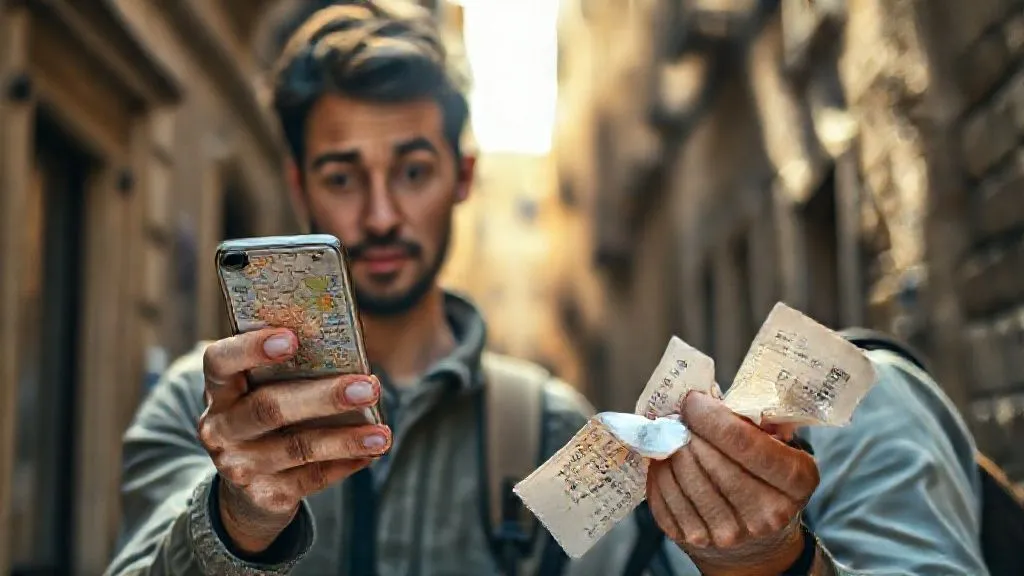
Your smartphone can be a powerful tool for on-the-ground art discovery and navigation. Don't just use it for directions; leverage it for real-time information.
Consider these app types:
- Exhibition Finders: Apps like Artsy or ArtRabbit (depending on the city) provide up-to-date listings of current and upcoming exhibitions, often with opening hours, location, and brief descriptions.
- Navigation with Art Overlays: Some city-specific apps might offer walking routes that highlight public art installations, historical markers, or even street art murals.
- Translation Apps: Essential for understanding exhibition texts or engaging with local artists if you're in a non-English speaking country.
- Augmented Reality (AR) Apps: A few innovative galleries are experimenting with AR apps that provide interactive content when pointed at an artwork, offering a deeper, more engaging layer of information.
Always download city maps and gallery information offline where possible, as Wi-Fi and data can be unreliable in some areas or within thick-walled galleries.
The Post-Visit Integration: Making Memories Last
The art experience doesn't end when you leave the gallery. In fact, some of the most profound impacts occur in the days and weeks after your visit. For maximizing unique art gallery impact on limited time city breaks, it's crucial to integrate your experiences into your broader life and memories.
Curating Your Digital Art Journal
Building on the micro-journaling concept, create a more permanent digital art journal. This can be a simple folder on your computer, a dedicated app like Evernote or Notion, or even a private Pinterest board. The goal is to consolidate your discoveries and reflections.
What to include:
- Photos: Of artworks (where permitted), gallery exteriors, interesting details, and even your travel companions enjoying the art.
- Notes: Expand on your micro-journal entries. What stuck with you? What did you learn?
- Links: To gallery websites, artist portfolios, articles about the exhibitions, or even relevant academic papers.
- Sound Bites: If an audio guide offered a particularly profound insight, transcribe it or save the snippet.
This journal becomes a personalized archive of your artistic journey, a resource you can revisit, share, and draw inspiration from for years to come. It's a tangible outcome of your efforts to engage deeply.
Sharing Your Unique Discoveries
One of the most powerful ways to solidify your learning and extend the impact of your art experiences is to share them. Whether it's with friends, family, or your online community, articulating what you've seen and felt reinforces your own understanding.
Consider:
- Dinner Table Conversations: Talk about the specific pieces that moved you, the unique galleries you found, or the surprising connections you made.
- Social Media Posts: Share your favorite photos and a brief, heartfelt caption about why a particular artwork or gallery stood out. This isn't about showing off; it's about sharing inspiration.
- Blog or Travel Journal: If you're a writer, dedicate a post to your art discoveries. This forces you to organize your thoughts and reflect more deeply.
As Harvard Business Review often highlights in its articles on learning and memory, the act of teaching or explaining something to someone else significantly enhances your own retention and comprehension. Sharing your art experiences is a form of teaching, solidifying your unique impact.
Frequently Asked Questions (FAQ)
How do I find truly unique, lesser-known galleries that aren't in standard guidebooks? My best advice is to dive into local art scenes online. Look for city-specific art magazines (digital or print), university art department websites, local cultural blogs, and Instagram accounts of local artists or small art collectives. These sources are often the first to highlight new, experimental, or niche spaces that haven't made it into mainstream guides. Don't underestimate the power of simply asking locals once you arrive – a barista in an artsy neighborhood can be a goldmine of information.
Is it better to focus on one major museum or several smaller galleries on a limited city break? For maximizing unique art gallery impact on limited time city breaks, I almost always recommend prioritizing a few smaller, more specialized galleries over one colossal museum. While a major museum offers breadth, smaller galleries often provide depth, intimacy, and a more curated, focused experience that's easier to absorb in a short timeframe. You're less likely to suffer from art fatigue and more likely to have a unique, memorable encounter with specific artworks or artists.
What if I don't have time for extensive pre-planning? Can I still have a meaningful art experience? Absolutely! While pre-planning helps, spontaneity can also lead to wonderful discoveries. Focus on the "Art Cluster" approach on the fly: once you arrive, pick a neighborhood known for its art (e.g., a gallery district), head there, and simply explore. Look for interesting facades, exhibition posters, or simply walk into galleries that appeal to you. Use your smartphone to quickly check reviews or current exhibitions as you go. The 90-minute rule for engagement still applies.
How can I avoid feeling overwhelmed by too much art? The key is intentionality and strategic breaks. Implement the 90-minute rule for each gallery visit. Prioritize 3-5 "must-see" pieces within each space. Schedule non-art breaks between visits – a coffee, a walk in a park, or a meal. Don't feel pressured to see everything; focus on deep engagement with a few chosen pieces rather than superficial scanning of many. Listen to your body and mind; if you feel fatigue setting in, it's time for a break.
Are there any specific apps you recommend for art gallery visits? Beyond general map apps, I find ArtRabbit excellent for discovering current exhibitions in major cities. Google Arts & Culture is fantastic for researching artists and movements before or after your visit. Many major museums also have their own dedicated apps with interactive maps and audio guides – always check their website beforehand. For real-time navigation and local recommendations, Yelp or TripAdvisor can sometimes highlight hidden gems, though you'll need to filter for art-specific reviews.
Key Takeaways and Final Thoughts
Navigating the rich art landscape of a city break on limited time doesn't have to be a frantic race. By adopting a strategic, mindful, and intentional approach, you can transform your visits from superficial glances into profound, memorable experiences. My hope is that you now feel equipped to truly connect with the art and culture around you, even with the tightest of schedules.
- Research Strategically: Go beyond guidebooks to unearth truly unique, local art spaces.
- Curate Your Narrative: Focus on art that resonates with your personal interests, not just famous names.
- Master Time-Blocking: Use the "Art Cluster" approach and the 90-minute rule for efficient, focused visits.
- Engage Mindfully: Leverage pre-reading, audio guides, and targeted viewing to deepen your appreciation.
- Combat Fatigue: Integrate strategic breaks and micro-journaling to sustain enthusiasm and memory.
- Utilize Resources: Tap into local expertise and digital tools for real-time discovery and enhanced understanding.
- Integrate Post-Visit: Create a digital art journal and share your discoveries to solidify your experiences.
Remember, the goal isn't to see the most art, but to experience the most meaningful art. Embrace these strategies, and your next city break will undoubtedly be enriched with unique artistic encounters that stay with you long after you've returned home. Go forth and discover the art that speaks to your soul, even when time is of the essence.
Recommended Reading
- The Ultimate Secret: How to Pick a Beach with Crystal Clear Water Every Time
- Glamping Kitchen Health Codes: 7 Steps to Navigate Regulations Safely
- Unlock Accessible Adventures: Your Ultimate Guide to Disability-Friendly Travel
- Client Bliss: 7 Steps to Guarantee Consistently Clear Water Beaches
- Beat Jet Lag: 7 Pro Strategies for Elite Snowboard Performance

Your email address will not be published. Required fields are marked *