

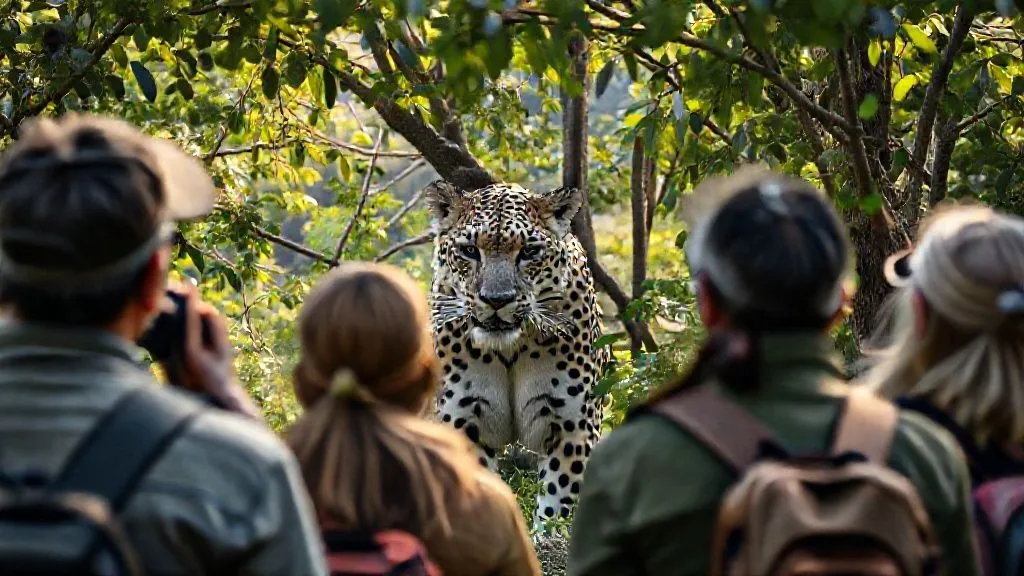
What to do if an eco-tour group encounters an endangered species?
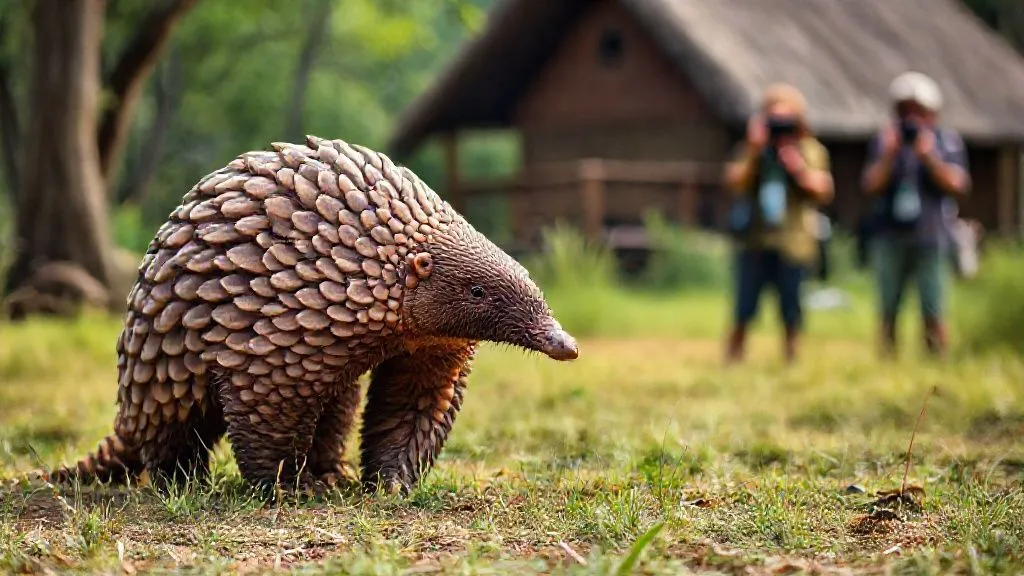
For over two decades in the realm of eco-tourism and wilderness exploration, I've witnessed the profound impact, both positive and negative, that human presence can have on the natural world. There's an unparalleled thrill in encountering wildlife in its natural habitat, a moment that often defines an entire journey. But what happens when that encounter involves an endangered species? This isn't just a 'wow' moment; it's a critical juncture demanding immediate, informed, and ethical action. I've seen groups, well-intentioned though they were, inadvertently cause distress or even harm due to a lack of clear protocols, turning a precious sighting into a potential conservation setback.
The problem, as I see it, lies in the gap between the desire for an authentic wilderness experience and the specific knowledge required to navigate such a delicate situation. Many eco-tour operators and guides are passionate about conservation, but the precise 'what to do' when faced with an endangered species often remains a grey area, leading to hesitation, confusion, or even actions that, while seeming harmless, can have long-term repercussions for vulnerable populations. This isn't just about avoiding a fine; it's about upholding the very ethos of eco-tourism: to protect and preserve.
In this definitive guide, I will share the actionable frameworks, crucial protocols, and expert insights drawn from years in the field, ensuring that your eco-tour group is not only prepared but empowered to respond responsibly and effectively when you encounter an endangered species. We'll delve into the immediate steps, the ethical considerations, and how every individual's actions contribute to the broader conservation effort. This isn't just theory; these are the pragmatic tools you need to transform a potentially disruptive event into a moment of profound, responsible connection with nature.
The Golden Rule: Stop, Observe, and Prioritize Non-Interference
The very first principle when your eco-tour group encounters an endangered species is absolute non-interference. This isn't merely a suggestion; it's the bedrock of ethical wildlife viewing. I've often told my guides, 'Think of yourselves as ghosts in the forest.' Your presence should be ephemeral, leaving no trace, causing no disturbance. This means immediately halting your movement, maintaining a significant distance, and refraining from any action that might alter the animal's natural behavior. This distance is paramount, not just for the animal's safety but for your group's as well. A stressed animal is an unpredictable animal.
Immediate action involves a careful assessment of the situation. Is the animal aware of your presence? Is it exhibiting any signs of distress – heightened alertness, changes in feeding patterns, attempts to flee? As a rule of thumb, if your presence is causing a behavioral shift, you are too close or too loud. According to a study published in Conservation Biology, repeated human disturbance can lead to increased stress hormones in wildlife, impacting reproduction and survival rates. Your primary goal is to minimize any impact, allowing the animal to continue its natural activities undisturbed.
"The true measure of a responsible eco-tour is not just what you see, but how you ensure that what you see remains for generations to come."
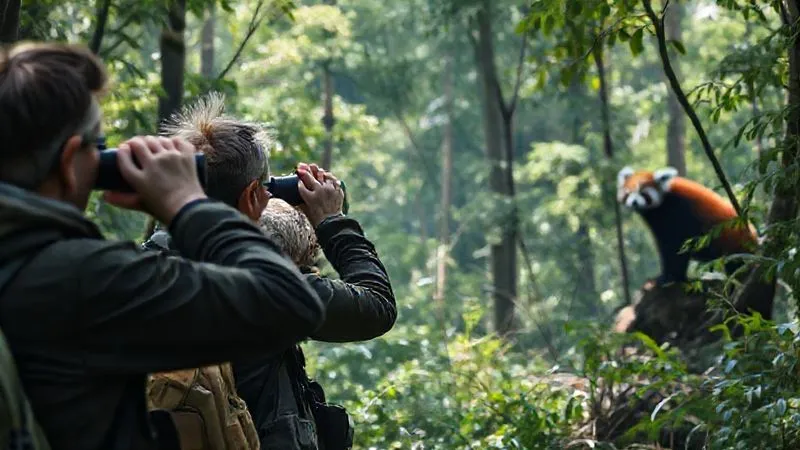
Once you've stopped and assessed, the next step is passive observation. Use binoculars or telephoto lenses for viewing and photography, avoiding any sudden movements or loud noises. Instruct your group on silent communication. This initial phase sets the tone for the entire encounter, demonstrating respect and adherence to conservation principles. Remember, the privilege of witnessing such a rare creature comes with the profound responsibility to protect it.
Establishing Safe Distances and Minimizing Disturbance
Determining the appropriate safe distance is more art than science, as it varies significantly by species, individual animal temperament, and environmental context. However, general guidelines exist, and it's always better to err on the side of caution. For large mammals or predators, distances of 50-100 meters (150-300 feet) are often recommended, while for smaller, more sensitive species, even greater distances might be necessary. My experience has shown that the animal will tell you if you're too close through its behavior.
Key Principles for Minimizing Disturbance:
- Maintain Quiet: Keep voices low, avoid shouting or sudden noises.
- No Direct Approach: Never move directly towards the animal. If you must adjust your position, do so slowly and indirectly.
- Avoid Eye Contact (for some species): For primates and certain predators, direct eye contact can be perceived as a challenge or threat.
- Stay on Designated Paths: Do not venture off-trail to get closer, as this can damage habitat and increase your impact.
- No Feeding or Enticement: Never, under any circumstances, attempt to feed or attract the animal. This habituates them to humans, leading to dependency and potential danger for both species.
- Limit Observation Time: While exciting, prolonged observation can be stressful. Keep encounters brief, especially if the animal shows any signs of discomfort.
These rules are not just for the group leader but for every individual. Before any wilderness expedition, I conduct a thorough briefing, emphasizing these protocols. It's about collective responsibility. A single excited shout or an attempt to get a 'better' photo can undo the careful planning of an entire group and put the endangered species at risk. The goal is to be an observer, not a participant in their natural world.
Reporting and Documentation: Your Role in Conservation
An encounter with an endangered species, especially an unexpected one, is not just a personal experience; it's a valuable data point for conservation. Proper reporting and documentation are crucial for scientists and wildlife managers. This is where your eco-tour group can genuinely contribute to the species' survival. The immediate priority, after ensuring non-disturbance, is to gather as much information as possible without further intrusion.
Actionable Steps for Documentation:
- Note Location and Time: Pinpoint the exact GPS coordinates if possible, along with the date and time of the sighting.
- Identify the Species: Confirm the species (if identifiable) and note any distinguishing features (e.g., sex, age, unique markings, injuries).
- Observe Behavior: Document the animal's behavior – was it feeding, resting, moving, interacting with others? Was it alone or part of a group?
- Environmental Context: Describe the habitat, weather conditions, and any other relevant environmental factors.
- Photograph/Video (from a distance): If possible, take photos or videos without flash and without disturbing the animal. These can be invaluable for identification and health assessment.
- Report to Authorities: Immediately contact the relevant park rangers, wildlife authorities, or conservation organizations responsible for the area. Provide all collected data accurately.
Case Study: The Silent Sentinel of the Sumatran Forest
In 2018, an eco-tour group led by veteran guide Anya Sharma, exploring a remote section of Sumatra, unexpectedly encountered a critically endangered Sumatran rhinoceros. Instead of rushing for close-up photos, Anya immediately halted her group, ensured a 70-meter distance, and used a long lens to capture several identification photos. She meticulously noted GPS coordinates, observed the rhino's feeding behavior for 15 minutes, and then silently retreated. Upon returning to base, she promptly reported the sighting to the local wildlife protection unit. This data point, combined with others, helped conservationists map the rhino's range more accurately, leading to enhanced anti-poaching patrols in that specific sector. Anya's responsible actions turned a fleeting moment into a tangible contribution to the species' survival, demonstrating the power of 'What to do if an eco-tour group encounters an endangered species?' done right.
The importance of accurate reporting cannot be overstated. As Dr. Jane Goodall often reminds us, every individual observation contributes to the larger mosaic of understanding. Your data could be the missing piece that helps conservationists track populations, identify threats, or allocate resources more effectively. Remember to follow up and ensure your report has been received and acted upon by the appropriate bodies.
Safety First: Protecting Both Species and Group
While the focus is often on the endangered species, the safety of your eco-tour group must also remain a top priority. Wilderness environments, especially those home to large or potentially dangerous animals, carry inherent risks. A responsible guide anticipates these risks and has clear protocols in place. Encountering an endangered species, particularly a predator, heightens the need for vigilance and adherence to safety guidelines.
Pre-Encounter Preparedness:
- Thorough Briefings: Educate your group on potential wildlife encounters, including how to react, what to avoid, and the importance of staying together.
- Emergency Plan: Have a clear, rehearsed emergency plan for various scenarios, including animal attacks or unexpected encounters.
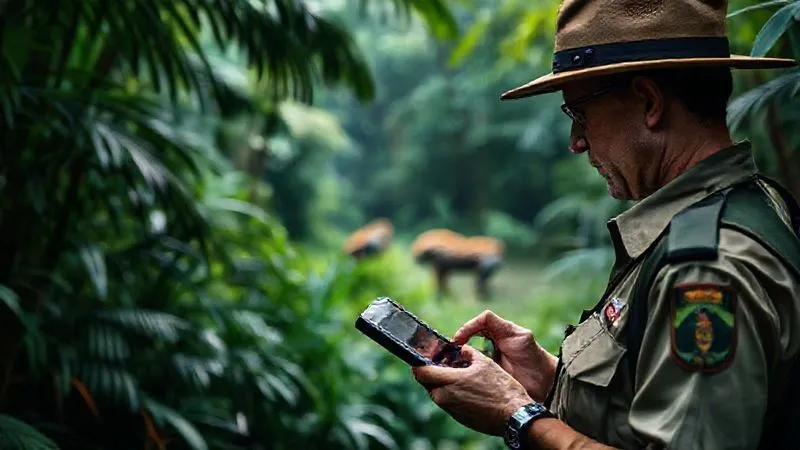
- First Aid & Communication: Ensure you have a fully stocked first aid kit and reliable communication devices (satellite phone, two-way radio) for remote areas.
- Trained Guides: Only experienced guides trained in wildlife behavior, wilderness first aid, and emergency response should lead such tours.
If an endangered species approaches your group, or if you perceive any threat, your primary responsibility shifts to group safety. This might involve slowly and calmly retreating, making yourselves appear larger (if appropriate for the species), or using deterrents (e.g., bear spray in bear country) as a last resort. Each situation is unique, but panic is never an option. I've seen situations escalate not because the animal was aggressive, but because the human reaction was uncontrolled.
| Scenario | DO | DON'T |
|---|---|---|
| Animal approaches | Remain calm, stand your ground (unless advised otherwise for specific species), make yourself appear large, speak in a low voice | Run, scream, make sudden movements, turn your back |
| Animal appears distressed | Increase distance slowly, retreat immediately, report behavior | Attempt to 'help' or intervene, approach closer |
| Animal is injured | Maintain distance, report exact location and injury to authorities, wait for expert help | Attempt to administer first aid, move the animal, approach directly |
The best defense is preparedness and respect. Understanding the species' behavior patterns, respecting their space, and having a clear chain of command within the group ensures that both the endangered species and the eco-tourists remain safe. This proactive approach is a cornerstone of responsible wilderness exploration and answers the core question of 'What to do if an eco-tour group encounters an endangered species?' by preventing negative outcomes.
Education and Ethical Considerations: Beyond the Sighting
An encounter with an endangered species is not just a moment in time; it's an opportunity for profound education and reflection on our ethical responsibilities. As an industry specialist, I believe that true eco-tourism extends beyond simply viewing wildlife; it involves fostering a deeper understanding and commitment to conservation among participants. This often begins long before the tour even starts.
Pre-Tour Education:
- Species Awareness: Educate your group about the endangered species they might encounter – their habitat, behavior, threats, and conservation status.
- Local Context: Explain the local conservation efforts, indigenous perspectives on wildlife, and any specific cultural sensitivities.
- Code of Conduct: Clearly outline the tour's code of conduct regarding wildlife encounters, emphasizing non-disturbance and reporting protocols.
- Purpose of Eco-tourism: Reinforce that the primary goal is conservation and responsible engagement, not just entertainment.
Post-encounter, facilitate a discussion within the group. What did they observe? What did they learn about the species' vulnerability? How did their actions contribute to its protection? This reflective process transforms a mere sighting into a powerful educational experience, cultivating lifelong advocates for conservation. According to the World Tourism Organization (UNWTO), sustainable tourism, including eco-tourism, plays a vital role in raising awareness and funding for biodiversity conservation globally. The UNWTO's initiatives highlight the importance of such educational efforts.
"Every encounter, every interaction, is an opportunity to either reinforce our role as stewards of the planet or to diminish it."
Furthermore, consider the broader ethical implications. Is the tour itself contributing to the problem by increasing pressure on sensitive habitats? Are local communities benefiting from the tourism, or are they being displaced? As Seth Godin often says about ethical business, 'Do you want to be the best in the world, or the best for the world?' For eco-tourism, the answer must be both. Supporting responsible operators who actively contribute to conservation and community development is part of the ethical framework. This commitment is paramount when considering 'What to do if an eco-tour group encounters an endangered species?'
Contributing to Long-Term Conservation Efforts
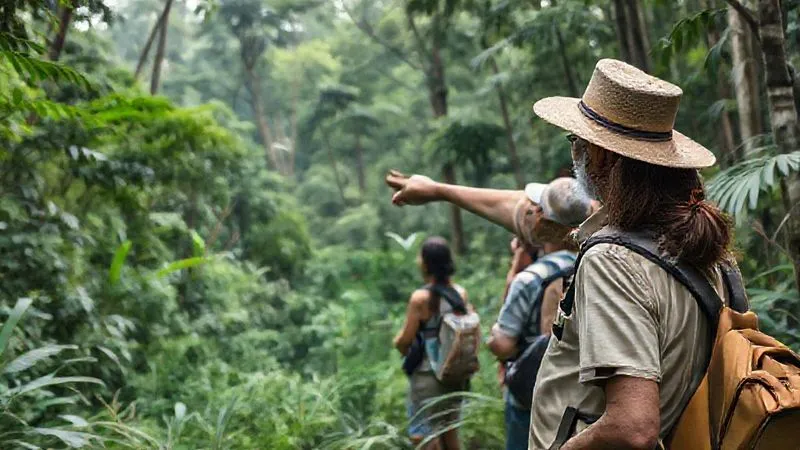
The responsibility of an eco-tour group encountering an endangered species doesn't end when the animal disappears from view. It extends to actively supporting the long-term conservation of that species and its habitat. This commitment is what truly distinguishes genuine eco-tourism from mere nature tourism. Your actions, and those of your participants, can have a ripple effect that contributes significantly to global biodiversity efforts.
Ways to Contribute Post-Encounter:
- Financial Support: Encourage participants to donate to reputable local conservation organizations working directly with the encountered species.
- Advocacy: Use the experience to advocate for stronger conservation policies, either through personal channels or by supporting global campaigns.
- Citizen Science: Continue to engage in citizen science initiatives, reporting future sightings (if applicable) or participating in data collection projects.
- Responsible Travel Choices: Commit to choosing only certified, ethical eco-tour operators in the future, thereby supporting sustainable practices across the industry.
- Share Knowledge: Share your experience and the lessons learned with others, spreading awareness about responsible wildlife interaction and the plight of endangered species.
In my view, the most impactful eco-tours are those that leave participants not just with memories, but with a renewed sense of purpose and a deeper connection to the planet's fragile ecosystems. The encounter with an endangered species becomes a catalyst for change, inspiring individuals to become active participants in conservation. This aligns with the International Union for Conservation of Nature (IUCN)'s mission to influence, encourage and assist societies throughout the world to conserve the integrity and diversity of nature. Their Red List of Threatened Species is the global authority on the conservation status of species, making your reporting efforts directly relevant to their work.
By empowering your group with the knowledge of 'What to do if an an eco-tour group encounters an endangered species?', you're not just preventing harm; you're actively cultivating a generation of conservation ambassadors. This is the ultimate goal of responsible wilderness exploration and the legacy we strive to build in the eco-tourism sector.
Frequently Asked Questions (FAQ)
Q: What if the endangered animal appears injured or in distress? Should we intervene? A: Absolutely not, unless you are a trained and authorized wildlife rescue professional. Your first and only action should be to maintain a safe distance and immediately report the exact location and nature of the injury/distress to the relevant wildlife authorities (park rangers, wildlife veterinarians). Intervention by untrained individuals can cause further stress, injury to the animal, or put your group at risk. It can also interfere with professional rescue efforts.
Q: Are there different protocols for different types of endangered species (e.g., birds vs. mammals)? A: Yes, while the core principles of non-interference and maintaining distance remain constant, specific protocols can vary. For instance, disturbing nesting birds can be particularly detrimental, requiring even greater distances and silence. For large predators, specific safety protocols (like appearing large or using deterrents) might be necessary. Always familiarize yourself with the specific guidelines for the region and species you are likely to encounter. Local guides often have invaluable species-specific knowledge.
Q: What are the legal consequences if an eco-tour group inadvertently harms an endangered species? A: The legal consequences can be severe, varying significantly by country and specific legislation. They can range from substantial fines for individuals and tour operators to imprisonment, and the revocation of operating licenses. International agreements like CITES (Convention on International Trade in Endangered Species of Wild Fauna and Flora) also govern the protection of endangered species. Ignorance is rarely an acceptable defense. This underscores the critical importance of understanding 'What to do if an eco-tour group encounters an endangered species?' and adhering to all regulations.
Q: How can eco-tour operators better train their guides for such encounters? A: Comprehensive guide training should include modules on species identification, wildlife behavior interpretation, emergency protocols for various animal encounters, first aid, and detailed reporting procedures. Practical simulations and regular refreshers are essential. Partnering with local wildlife conservation organizations for specialized training can also provide invaluable expertise and up-to-date information. Emphasize ethical conduct and the 'leave no trace' philosophy.
Q: What if the endangered species is typically shy and elusive, and we accidentally stumble upon it? A: Even accidental encounters require the same immediate response: stop, assess, and retreat slowly and quietly while maintaining distance. The goal is to minimize your impact and allow the animal to continue its natural behavior without further stress. Report the encounter discreetly to authorities, highlighting its accidental nature, as such sightings, even brief ones, can still provide valuable data on the species' presence in an area.
Key Takeaways and Final Thoughts
Navigating an encounter with an endangered species is a profound responsibility, demanding a blend of awe, respect, and meticulous preparedness. As an industry specialist, I've seen how these moments can define an eco-tour, either reinforcing our commitment to conservation or highlighting our shortcomings. The answer to 'What to do if an eco-tour group encounters an endangered species?' boils down to a few critical principles:
- Prioritize Non-Interference: Always maintain a safe, respectful distance and avoid any actions that might alter the animal's natural behavior.
- Be Prepared: Comprehensive pre-tour briefings, species-specific knowledge, and clear emergency protocols are non-negotiable.
- Document and Report: Accurate, timely reporting to relevant authorities provides invaluable data for conservation efforts.
- Ensure Safety: Protect both your group and the wildlife through calm, informed decision-making.
- Educate and Advocate: Transform the encounter into a learning opportunity that fosters long-term commitment to conservation.
Every eco-tour guide and participant holds a piece of the puzzle in protecting our planet's most vulnerable inhabitants. By embracing these guidelines, you're not just observing nature; you're actively safeguarding it. Let every encounter be a testament to responsible exploration, contributing positively to the legacy of our shared natural heritage. The wild places and their precious inhabitants depend on our wisdom and our unwavering commitment.
Recommended Reading
- 5 Proven Strategies: Mitigating Wildlife Habituation from Eco-Tourism Visits
- Elevate Executive Retreats: 7 Steps for Productive Meetings on Luxury Trains
- Ultimate Guide: Navigating International Air Travel with Your Service Dog
- 5 Proven Strategies: Mitigating Sudden Access Failures for Wheelchair Travelers
- 7 Steps: Ensuring Ethical Impact in Overseas Animal Volunteer Programs




Your email address will not be published. Required fields are marked *